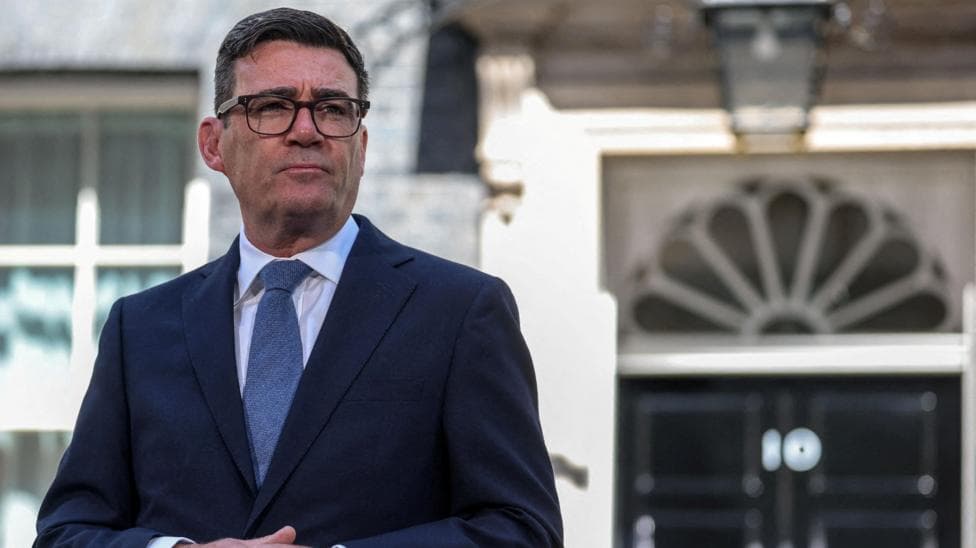
Prime Minister Andy Burnham has travelled to Northern Ireland for his first official visit to the region since taking office in July. During his time in Belfast, he is scheduled to engage with young people to discuss their concerns about living costs, employment opportunities and future prospects, before holding meetings with Stormont's first and deputy first ministers and leaders from the main parties in the Northern Ireland Assembly.
The visit takes place against a backdrop of mounting financial strain on public services. Stormont departments are facing a shortfall of up to £1.6bn, according to a spending watchdog, and the four-party coalition has not yet agreed a budget nearly five months into the financial year. Stormont officials were given legal powers to spend up to 95% of last year's funding after the budget deadline passed without an agreement, with public services continuing to operate under contingency arrangements since April.
First Minister Michelle O'Neill has made clear that increased government funding is essential to address the region's financial difficulties. Speaking to reporters on Wednesday, she stated:
"The reality is that we are so underfunded - have been for years. If Andy Burnham wants to make a difference, then he can make a difference by actually changing the funding arrangement, because what we have currently does not cut it."She called for a "fair budget settlement that actually works for public services".
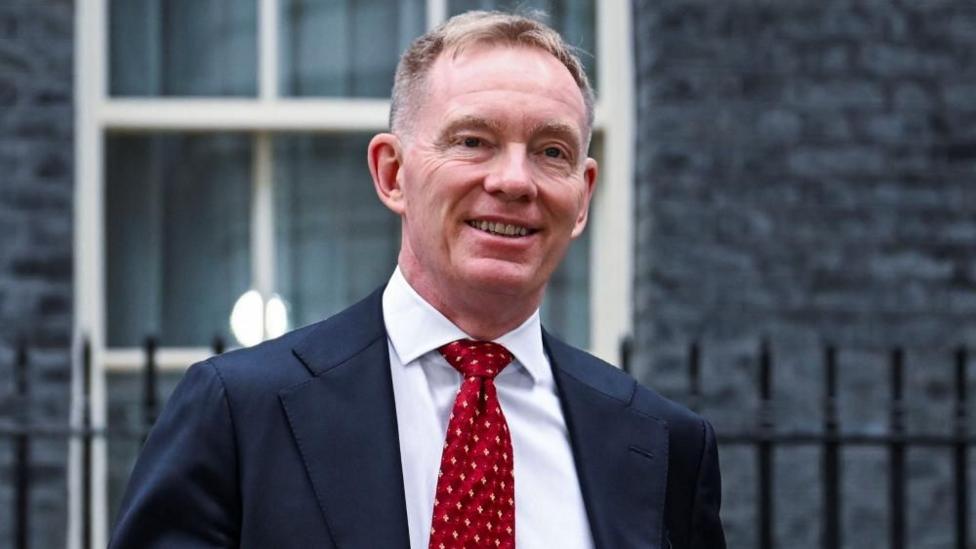
Northern Ireland Secretary Sir Chris Bryant described the lack of an agreed budget as "shocking" on Monday. While he acknowledged that the executive could explore additional revenue-raising measures, he indicated his willingness to provide support where "significant" budgetary pressures exist. Treasury officials and the executive have been engaged in discussions over the summer to address the funding crisis.
What is the scale of Northern Ireland's funding gap?
The £1.6bn shortfall represents a critical challenge for public services across the region. Northern Ireland finance officials have suggested the region could receive an extra £3bn if it were funded in the same way as Scotland, highlighting the disparity in how devolved nations are resourced. The absence of an agreed budget has forced departments to operate under temporary spending arrangements, limiting their ability to plan and deliver services effectively.

Why is the prime minister meeting young people?
Before his political meetings, Burnham will hear directly from teenagers and mentoring staff involved in Belfast's creative music scene, which aims to develop local artists and establish the city as a UNESCO City of Music. This engagement reflects his stated commitment to understanding the lived experiences of young people across the UK and their aspirations for the future.
In remarks ahead of his visit, Burnham said:
"People in Northern Ireland want more breathing space from the cost of living, good, well-paid jobs and opportunities for their children. Political point-scoring in the past has made this harder, not easier. We need to be better, so I want to work with the Northern Ireland Executive and the main political parties to try and make a real difference to communities here, and that's the message I'll be taking into my meetings later."
What is the broader context for this visit?
Burnham's Northern Ireland trip forms part of a wider engagement with the devolved nations. Earlier on Thursday, he travelled to south Wales for his first official visit to the country since becoming prime minister. The prime minister has announced plans to convene the first ministers of Wales and Scotland, and the first and deputy first ministers of Northern Ireland, for a summit at the National Economic Council in October. This gathering is intended to focus on economic growth and investment across the UK.
The timing of Burnham's visit also reflects earlier pressure from Stormont's leadership. In mid-August, the first and deputy first ministers had written to the new prime minister demanding urgent talks over the funding shortfall that has left departments without an agreed budget for the financial year.
What happens next?
During this visit, Burnham is due to meet with the Northern Ireland Executive's first and deputy first ministers, followed by representatives from the main Assembly parties. Stormont officials are expected to continue pressing Westminster for a revised funding settlement in the coming weeks. The National Economic Council summit with devolved leaders is scheduled to take place in October 2026, where broader questions of economic strategy and investment across the UK will be discussed.
Key Facts:
- Stormont departments face a £1.6bn funding shortfall with no agreed budget nearly five months into the financial year
- Public services have been operating under contingency arrangements since April 2026
- A summit of UK and devolved leaders is scheduled for October 2026 to discuss economic growth
- Burnham's visit includes engagement with young people in Belfast's creative music sector before political meetings