An artificial intelligence trial using cameras positioned outside two fire stations in the West Midlands identified almost 19,000 potential driving offences in just two weeks during March, revealing widespread failures to use seatbelts and mobile phone use while driving.
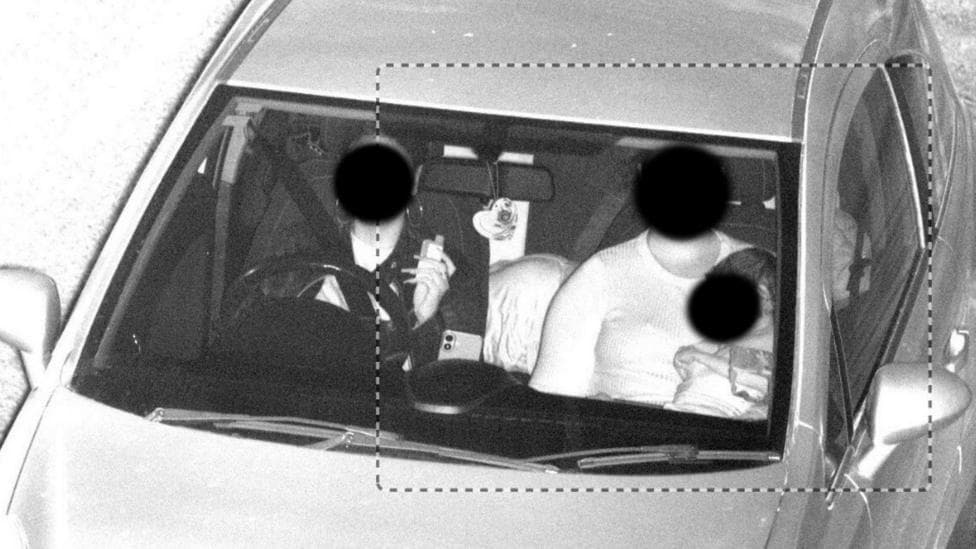
The cameras, deployed outside Ladywood and Fallings Park fire stations, captured evidence of dangerous driving practices including a front-seat passenger holding a small child on their lap without a seatbelt and drivers operating mobile phones with both hands. Dozens of additional images documented children travelling in vehicles without age-appropriate restraints.
West Midlands mayor Richard Parker described the scale of violations as
"shocking and far higher than we expected", emphasising that the number of drivers endangering themselves and others had surpassed initial projections.
"I've met families who have lost loved ones to reckless driving,"Parker stated.
"They never recover from those tragedies."
The trial recorded specific violation counts at each location. According to the West Midlands Combined Authority, Ladywood identified 11,144 potential seatbelt offences and 1,163 potential mobile phone offences, while Fallings Park recorded 6,081 potential seatbelt offences and 757 potential mobile phone offences.
How was the technology deployed?
The system was developed and supplied by AECOM and Acusensus, with human operators verifying a sample of 8,024 images to ensure accuracy. The trial was funded by the West Midlands Combined Authority in partnership with local police and fire services. Importantly, no enforcement action was taken as a result of the trial, which was designed primarily to measure the scale of mobile phone use and child restraint violations across the region.
What do the findings reveal about road safety?
The violations identified align with known causes of serious injury and death on regional roads. Mat MacDonald, the West Midlands road safety commissioner, confirmed that mobile phone use at the wheel and failure to wear seatbelts rank among the leading causes of fatal and serious injury collisions in the area. The West Midlands Combined Authority reported that national road safety data for the previous year showed mobile phone use was linked to 32 deaths on UK roads, while unfastened seatbelts were associated with 133 deaths.
Current enforcement efforts address only a fraction of the problem. Approximately 2,000 drivers per year in the West Midlands receive fines and penalty points for using a phone while driving, suggesting that the trial's detection of over 1,900 mobile phone offences in just two weeks represents a significant enforcement gap.
How does this compare to previous trials?
This West Midlands deployment builds on earlier AI camera initiatives. A previous National Highways fixed-camera trial on the M4 in Berkshire detected nearly 7,000 suspected seatbelt offences and more than 25,000 instances of drivers holding a mobile phone over six months, indicating that the West Midlands trial achieved comparable violation detection rates in a significantly shorter timeframe.
What happens next?
Simon Foster, West Midlands police and crime commissioner and chairman of the region's road safety partnership board, described the findings as
"deeply concerning"and confirmed that
"we are closely evaluating these trial results to consider how this advanced AI technology can be deployed for future police enforcement."He added that
"we will use every effective tool at our disposal to ensure our roads are safer."
Parker pledged to deploy
"every resource available"to improve road safety as the findings undergo review. However, no timeline has been announced for decisions regarding future enforcement use of the technology.
Key Facts
- AI cameras detected 18,195 potential driving violations across two fire station locations in a two-week March trial
- Seatbelt offences accounted for 17,225 violations; mobile phone offences totalled 1,920
- Unfastened seatbelts were linked to 133 UK road deaths in the previous year; mobile phone use to 32 deaths
- No enforcement action resulted from the trial, which was designed to establish the scale of violations
- Police and regional partners are evaluating the technology for potential future enforcement deployment