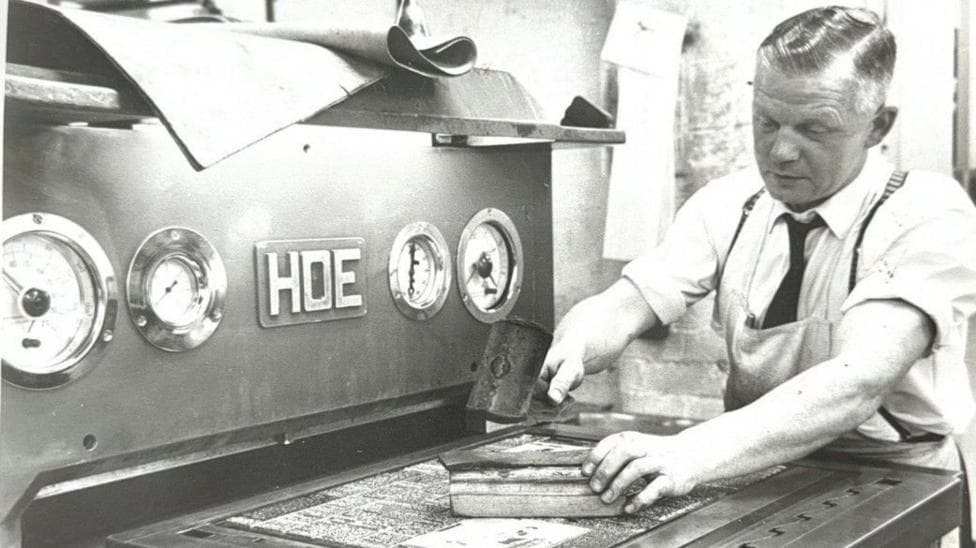
Joseph Paton, a printer employed by the Belfast Telegraph, died in hospital four days after an IRA bomb devastated the newspaper's offices on 15 September 1976. His granddaughter Amanda Pollock has marked the 50th anniversary of his death by emphasising the importance of honouring those whose losses were overshadowed by the broader violence of the Troubles.
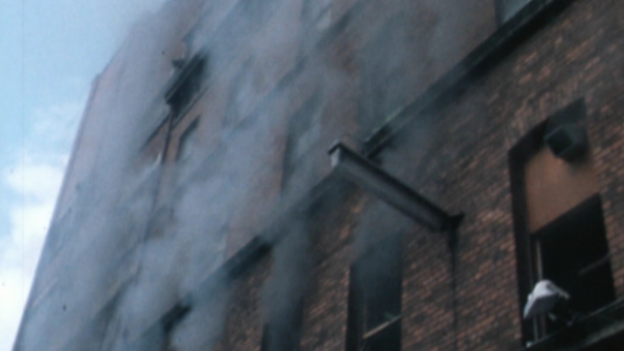
The attack on the newspaper's loading bay, which involved a van containing between 50 and 100 pounds of explosives, injured 15 people. Paton, aged 63 and from Lisburn, succumbed to his injuries in hospital four days later. According to a Belfast Telegraph retrospective, Paton worked in the stereotype department and was among 14 people wounded in the blast.

Pollock, who was 10 years old when her grandfather died, reflected on the human cost of the bombing and the broader conflict.
I think it's important to remember that there were so many lost family members that, because of the times, they really didn't get that recognition of the grief, the pain that was caused in the terrible times that we lived through in 1976.She described her grandfather as a devoted family man with no political involvement, simply going about his work when tragedy struck.
Why was the newspaper targeted?
The Belfast Telegraph's unionist editorial stance made it a target for republican paramilitaries. The newspaper had already faced a security threat three years earlier: in February 1973, an army bomb-disposal expert successfully defused a device placed inside a petrol tanker at the paper's offices. Deric Henderson, a journalist present during the 1976 bombing, expressed bewilderment at the targeting.
I've absolutely no idea why the building became an IRA target. The Telegraph was a pro-union paper with a small 'u' but everybody, and I mean everybody, bought it.
How did the newspaper respond?
Despite the devastation and the loss of life, the Belfast Telegraph's leadership resolved to continue publishing. Editor Roy Lilley gathered senior staff and declared that an edition would be produced regardless of the circumstances.
I recall the editor Roy Lilley calling the senior staff aside and telling them there would be an issue, come what may.Henderson recalled the uncertainty surrounding how production would proceed, given that the printing presses had been damaged in the blast.

The following day, a four-page emergency edition was produced using alternative printing facilities and sold for a penny, earning it the nickname the Penny Marvel. According to a media history of the period, this emergency edition sold approximately 75,000 copies daily until normal production resumed. The response demonstrated what observers described as a "blitz spirit" among the workforce, who had to return to the damaged building almost immediately to resume their duties despite the trauma and grief surrounding them.
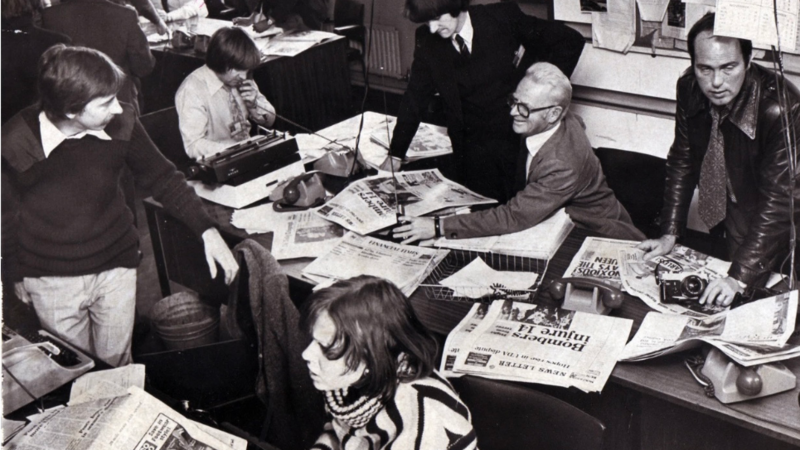
The Belfast Telegraph, which had been selling approximately 200,000 copies daily before the attack, maintained its commitment to serving readers throughout the crisis. The newspaper's resilience during this period was later commemorated when the paper marked its 150th anniversary with a retrospective that again highlighted the 1976 bombing and the Penny Marvel edition.
What was the broader context?
The bombing occurred during one of the deadliest years of the Troubles. In 1976 alone, nearly 300 people were killed across Northern Ireland, representing one of the highest annual death tolls of the three-decade conflict. Pollock emphasised that many victims and bereaved families received little public recognition for their suffering during those turbulent years.
How is the anniversary being marked?
A memorial service is being held at nearby St Anne's Cathedral to remember Joseph Paton and to recognise all those affected by the bombing. Martin Breen, the current editor of the Belfast Telegraph, said
the attack caused terrible destruction and, most tragically, the loss of Joe Paton, but it did not silence the Belfast Telegraph or its journalists. He added that
this anniversary is a reminder of the terrible personal cost of the Troubles and the lasting pain carried by families across Northern Ireland.
Two individuals were convicted in connection with the bombing. One received a life sentence for murder, while the other was convicted of explosives and firearms offences. The case remains a significant moment in the history of both the newspaper and the conflict in Northern Ireland.
Key Facts
- Joseph Paton died on 19 September 1976, four days after the bombing of the Belfast Telegraph offices on 15 September
- The attack injured 14 to 15 people and involved a van containing 50–100 pounds of explosives placed in the loading bay
- An emergency four-page edition, the Penny Marvel, was produced the next day using alternative printing facilities and sold for a penny
- Nearly 300 people were killed in Northern Ireland in 1976, one of the highest annual death tolls of the Troubles
- Two people were convicted over the bombing, with one receiving a life sentence for murder