
Crystal Dynamics and Polish developer Flying Wild Hog have reimagined the original 1996 Tomb Raider as Legacy of Atlantis, a full remake that attempts to preserve what made the classic beloved while introducing modern gameplay systems. The collaboration marks a significant shift in how the studio approaches game design, blending contemporary mechanics with the atmospheric exploration that defined the franchise's debut. According to industry reporting, the game was initially planned for 2026 but has been delayed to February 12, 2027, and will release across PC, PlayStation 5, Xbox Series platforms, and Nintendo Switch 2.
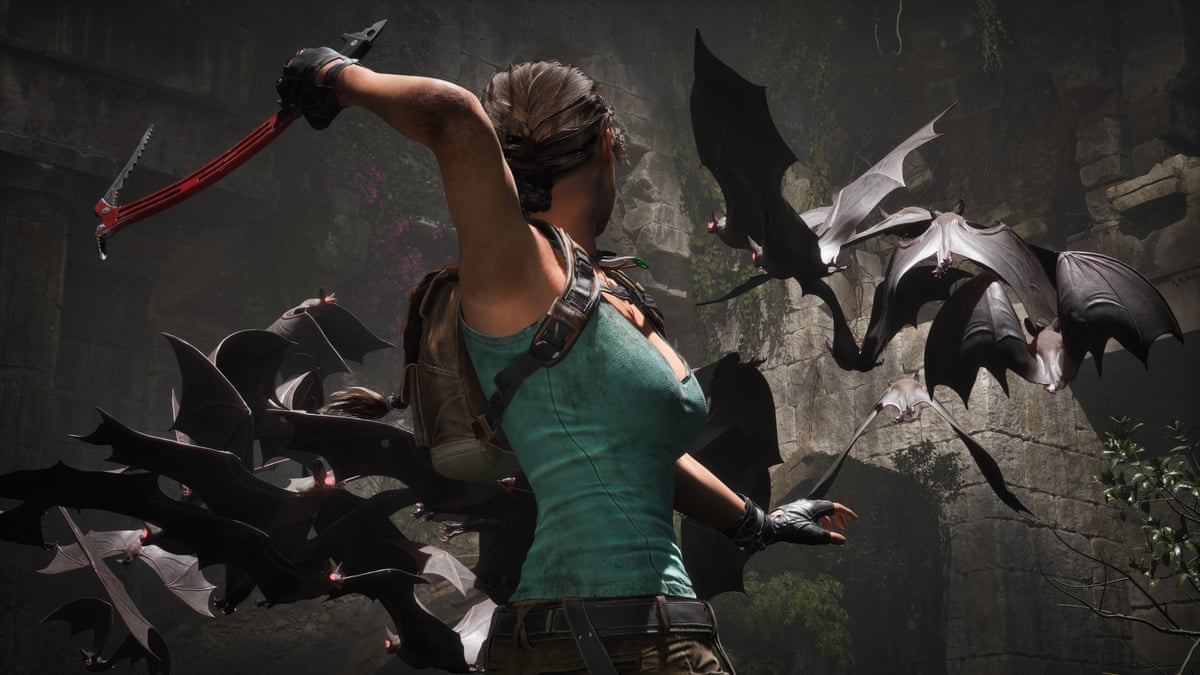
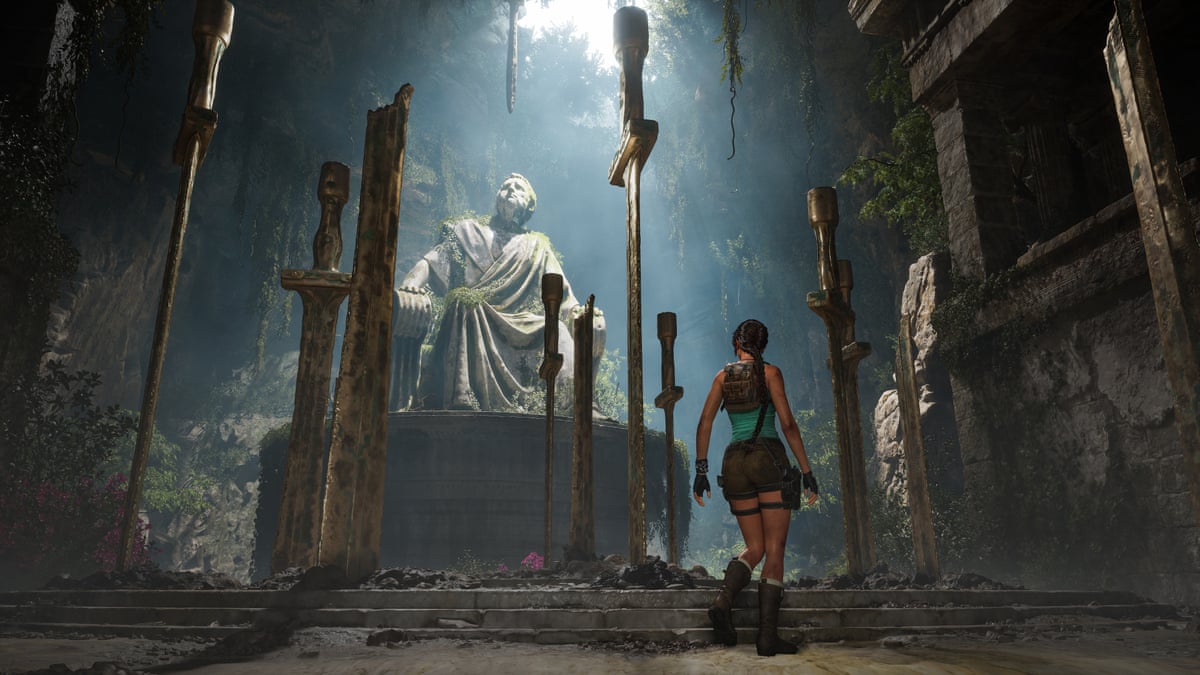
During a hands-on session, we experienced Lara's return to St Francis' Folly, a location inspired by the Unesco-listed monasteries of Meteora in Greece. The environment opens with light filtering through a fractured ceiling as a swarm of bats sweeps across the vast ruins below. When Lara descends into the monastery's deteriorating pillared courtyard, the creatures prove to be far more than atmospheric decoration—they move unpredictably and require her to respond with gunfire and close-quarters combat. This reintroduction establishes the game's cinematic ambitions and hints at the visual fidelity the remake aims to achieve.
How does the remake balance modernisation with the original's design philosophy?
The tension between honouring the 1996 game and embracing contemporary design sensibilities runs throughout Legacy of Atlantis. Where the original demanded players puzzle through challenges using only their intuition—or a strategy guide—the remake equips Lara with an environmental scanner that reveals solutions at the press of a button. This accessibility feature represents a fundamental departure from the original's philosophy, potentially undermining the isolating atmosphere that made the first game memorable.
Raul Siqueira, game director at Crystal Dynamics, frames the design philosophy as a thought experiment:
If the devs from 1996 had the technology that we have today, what choices would they make?Arek Tomaszewski, art director at Flying Wild Hog, elaborates on how technological constraints shaped the original's emotional impact.
The sense of isolation in the original game was largely due to the technological limitations of that time,he explains, drawing a parallel to the fog effects in Silent Hill, which served both as an artistic choice and a practical solution to the PlayStation 1's limited processing power.
The darkness and the feeling of being alone created an emotion that you remember. When I replayed Tomb Raider, my initial memory was the exact same. What we are trying to do now is build environments – like the spaces in Greece – where you feel as if you are the first person discovering them in centuries, entering places that have been left untouched.
What new mechanics does the remake introduce?
Beyond the environmental scanner, Legacy of Atlantis incorporates several systems absent from the original. Lara now crafts medicinal balms from a menu interface rather than discovering anachronistic first aid kits in untouched ancient tombs. She can also pause gameplay to prepare stat-boosting stews, a feature that strains credibility in the context of archaeological exploration. The remake adds a grappling hook, RPG-style character statistics, skill trees, and quick-time events—a suite of modern conveniences that raises questions about whether they genuinely enhance the core experience or simply clutter it with unnecessary complexity.

How has combat evolved in the remake?
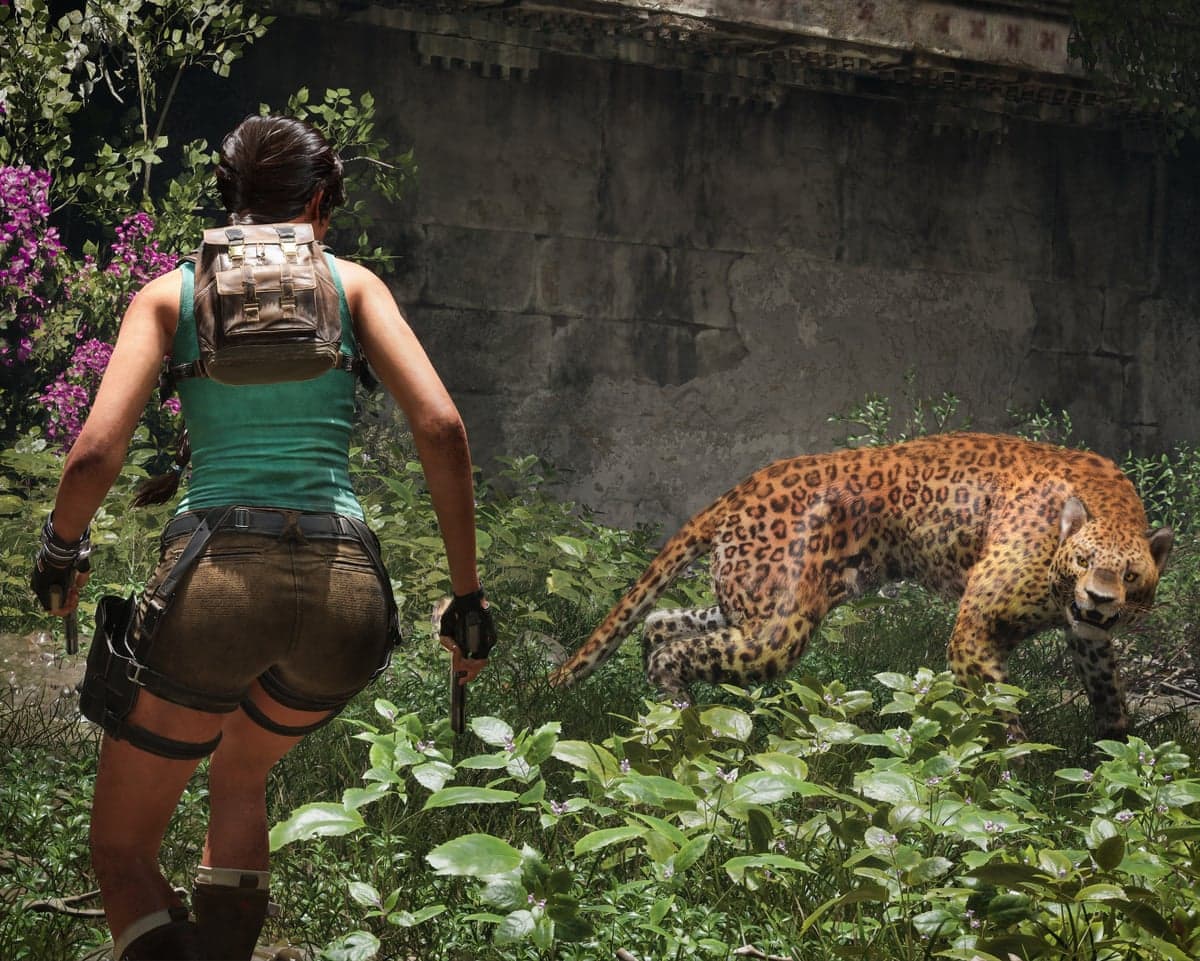
Flying Wild Hog, the studio behind Hard Reset and Shadow Warrior, has applied its expertise in action design to overhaul Lara's combat encounters. During exploration of the Damocles chamber, a leopard ambushes her with convincing physicality. Unlike the stationary shooting and awkward movement patterns of the original, this creature displays dynamic behaviour—it swipes at Lara, retreats through wall openings, and returns with escalating aggression. Lara responds with equal ferocity, drawing her shotgun and firing with impact that triggers slow-motion sequences reminiscent of Max Payne. This combat redesign represents the most compelling gameplay evolution in the remake, moving away from the rigid mechanics of the 1996 original toward fluid, responsive encounters.
What narrative direction does the remake pursue?
The story has been substantially expanded with deeper character development and callbacks for longtime fans. Lara is now voiced by Alix Wilton Regan, who has appeared in Dragon Age: Inquisition and Cyberpunk 2077. Tomaszewski praises her contribution, stating:
Hearing her voice in the game now, she is Lara Croft. The sheer amount of character and depth she brought to Lara is unbelievable.Amazon, the game's publisher, is also developing a television series produced by Phoebe Waller-Bridge, and the developers have indicated that connective elements will link the two projects. The demo culminates with Lara emerging from a darkened tomb into sunlight, teasing the existence of a vast, ancient civilisation waiting to be uncovered.
What does the collaboration reveal about the studios' creative approach?
Tomaszewski reflects on how the partnership has influenced Flying Wild Hog's design sensibilities:
I think this game changed our DNA as a studio. In our previous games, like Shadow Warrior, every second was filled with nonstop action. Here we wanted to master pacing, and we learned a lot from Crystal Dynamics.This statement underscores a deliberate effort to balance action with exploration and environmental storytelling, a shift that distinguishes Legacy of Atlantis from the studio's previous output.
What concerns emerge from the modernisation approach?
While the remake's visual presentation impresses, questions linger about whether contemporary design trends serve the experience or dilute it. The original Tomb Raider's camera controls and other dated elements have rightfully been discarded, yet the addition of modern mechanics—skill trees, crafting menus, quick-time events—risks obscuring the elegant simplicity that made the 1996 game endure. The core appeal of the original lay in its directness: exploration, puzzle-solving, and combat without layers of progression systems. If Legacy of Atlantis offers players the option to disable these modern flourishes in favour of a purer experience, the remake could succeed in honouring its predecessor while appealing to contemporary audiences. Without such an option, the remake risks trading timeless design for the convenience of the moment.
When will the game release and where can players access it?
Tomb Raider: Legacy of Atlantis is scheduled to launch on February 12, 2027, across PC, PlayStation 5, Xbox Series platforms, and Nintendo Switch 2. The Switch 2 version was publicly confirmed during a Nintendo Direct presentation on September 9, 2026. Pre-orders are already available through multiple retailers.
Key Facts
- Legacy of Atlantis is a full remake of the 1996 original, developed by Crystal Dynamics and Flying Wild Hog, with Amazon Games as publisher
- The game introduces modern mechanics including an environmental scanner, crafting systems, skill trees, and quick-time events alongside redesigned combat
- Lara is voiced by Alix Wilton Regan, known for roles in Dragon Age: Inquisition and Cyberpunk 2077
- The remake launches February 12, 2027, on PC, PS5, Xbox Series, and Nintendo Switch 2
- A Phoebe Waller-Bridge-produced television series is in development with connective elements linking it to the game


