

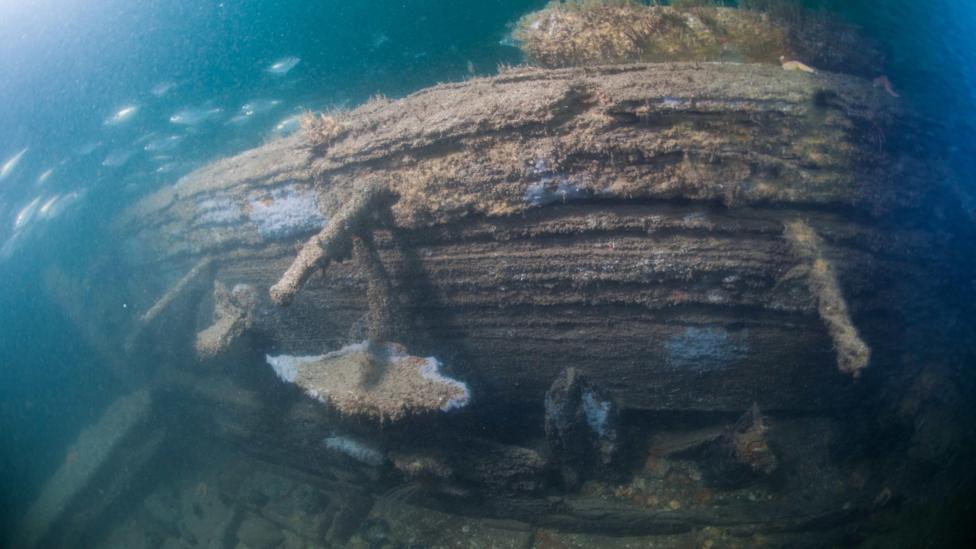
Belgian underwater photographer Stefan Panis discovered a bottle of Guinness in 2025 while diving off the coast of Dover, and the find has raised the possibility that the 1864 stout could still be drinkable. Panis and his friend Eddie Huzzey surfaced with the bottle from a shipwreck, and a rinse on the surface revealed the Guinness branding.
The bottle dates back to 1864, making it 162 years old. Panis, who has been diving for more than 40 years, contacted Guinness to share the discovery.
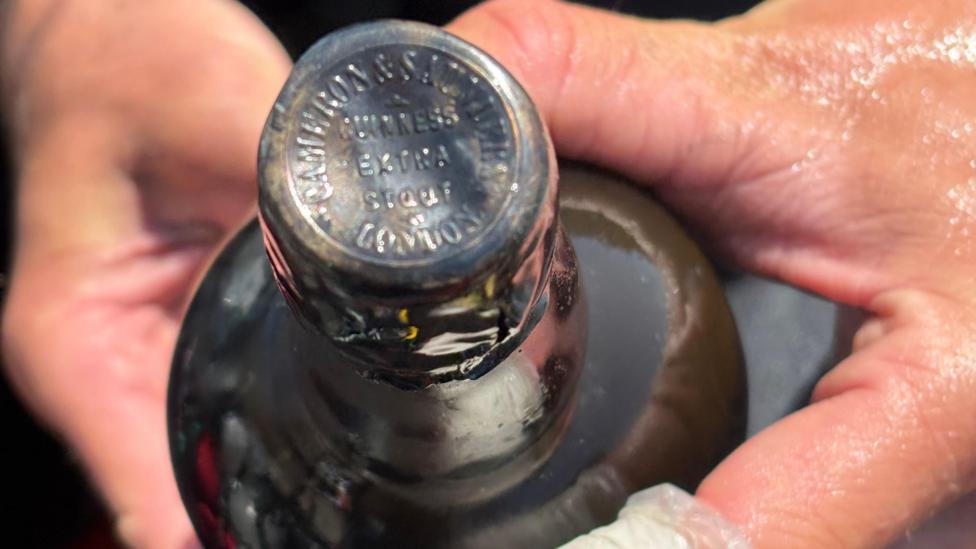
"We lifted the artefact, and then on the surface a quick rinse revealed 'Guinness',"he said.
So far, Panis has recovered just one bottle, but he believes many more remain buried beneath the sand surrounding the wreck and he already has plans to recover more when conditions allow.
"Seeing the size of the case, I think it is definitely a case of 24 bottles.
"But there might be more cases."
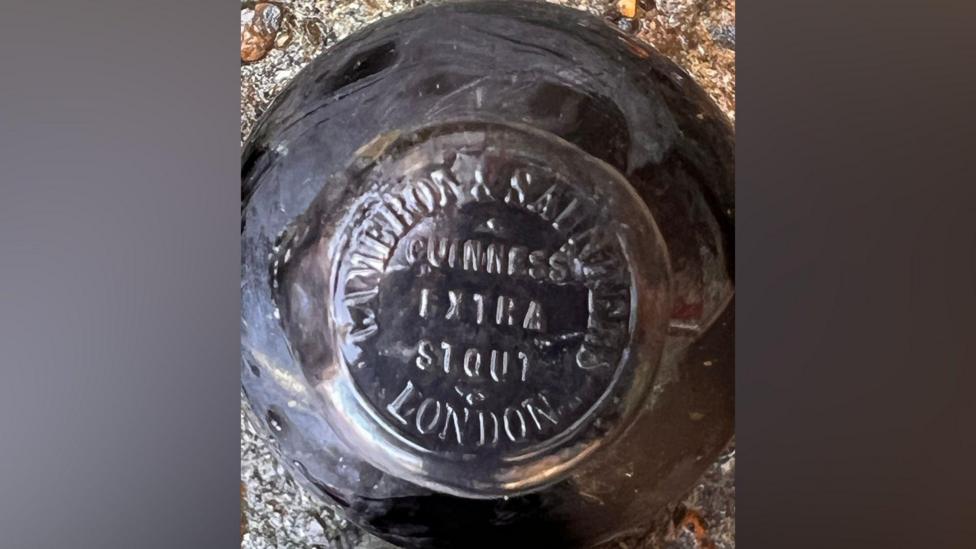
After the discovery, Panis' colleague Pawel Truszynski contacted a microbiologist specialising in beer at KU Leuven University in Belgium. Samples from the bottle have been sent for analysis, with researchers hoping to learn more about what the stout would have tasted like.
"There is always a chance that we can recover the complete DNA, and then we can do a small re-brew of the exact beer that was found in the 1860s,"Panis said.
If successful, researchers could recreate the taste of Guinness as it was brewed in 1864 using samples of the recovered stout.
But there may be an even more intriguing possibility.
"There is a possibility that it's still drinkable. The question is if the sea water has come into the bottles through the corks.
"If not, most likely the beer would still be drinkable."
And although Panis admitted he is
"not that big"a Guinness fan, he didn't hesitate when asked whether he would try the 162-year-old stout if experts declared it safe.

I would try it even though I don't like Guinness
For some people in Belfast, the novelty of drinking a pint that's spent more than 160 years at the bottom of the sea was reason enough to give it a go. Fraser Hill, Katie Wilkinson and Katie White all said curiosity would outweigh any hesitation if they were offered a taste of the recovered Guinness.
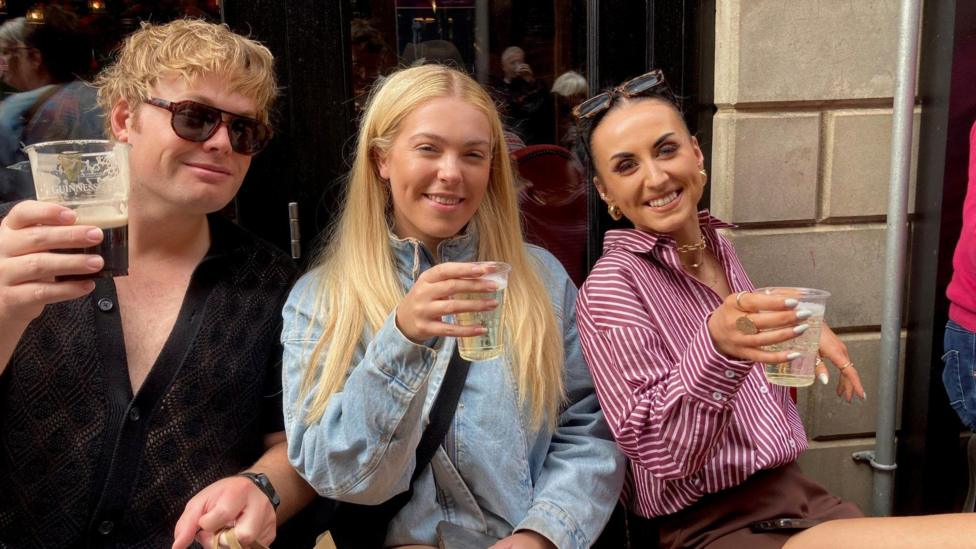
"I would try it even though I don't even like Guinness,"Katie White said.
Others also needed very little convincing. Matt McCoppin said he would try the stout
"in a heartbeat,"while Natalia Nowacka admitted she would be nervous, but still couldn't resist the opportunity.
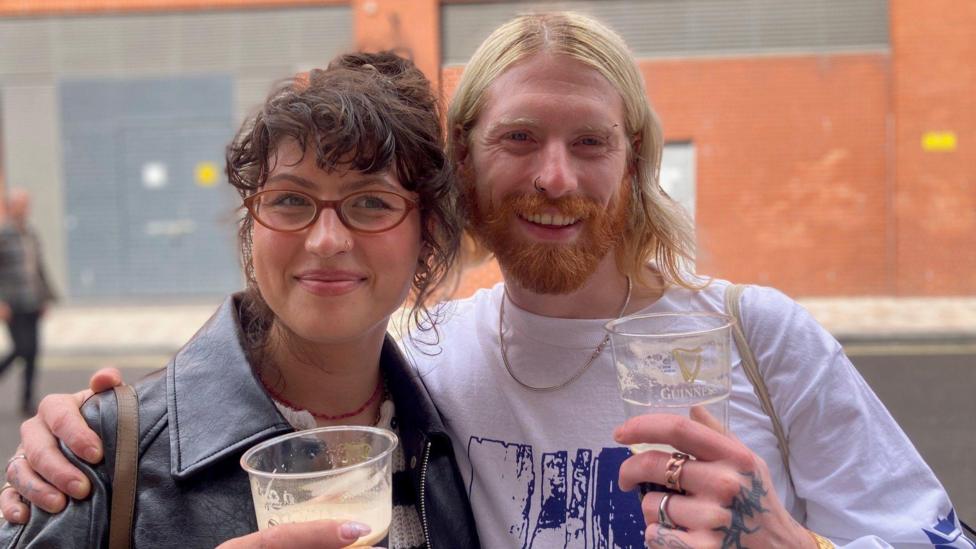
"I wouldn't know what to expect, I'd be quite scared,"Natalia said.
Noë Vernet also said the chance to taste such a historic drink was too good to miss.
"For the sheer experience, I would try it,"he said.
Not everyone was tempted, however. Margaret Barr said she would much rather enjoy a pint of Guinness fresh from the tap than one recovered from the seabed.

"Absolutely not,"she said.
"I'm a big Guinness drinker, I'm just not a risk taker."
Andrew Clarke, meanwhile, said safety advice would not keep him waiting. He joked the Guinness would be
"halfway down me"before experts had the chance to declare whether it was safe to drink.

"I don't think it would age like a fine wine, but for the sake of mankind someone needs to drink it,"he said.
"Maybe put a few more down there and see what happens 200 years from now."
A spokesperson for Diageo said:
"Discoveries like this provide a fascinating window into our past and help build a deeper understanding of our heritage."
"Currently, our Guinness Archive team is liaising with the divers to gather more information and evaluate the find."


