Journey Across the Atlantic
Bakary Jaiju was 19 when he embarked on a perilous journey from the Gambia to Europe, boarding a wooden boat destined for the Canary Islands. He endured seven harrowing days at sea, during which his supplies of food and water steadily depleted.
"You can't even sleep in case you fall in," he recalled, now residing in Tenerife after arriving at the Canary Islands late last year seeking a "better life".
"I decided to go, whether I survive or I die, because I want my family to be in a good condition,"Jaiju explained, detailing his decision to leave behind his wife and baby and brave the treacherous Atlantic waters.
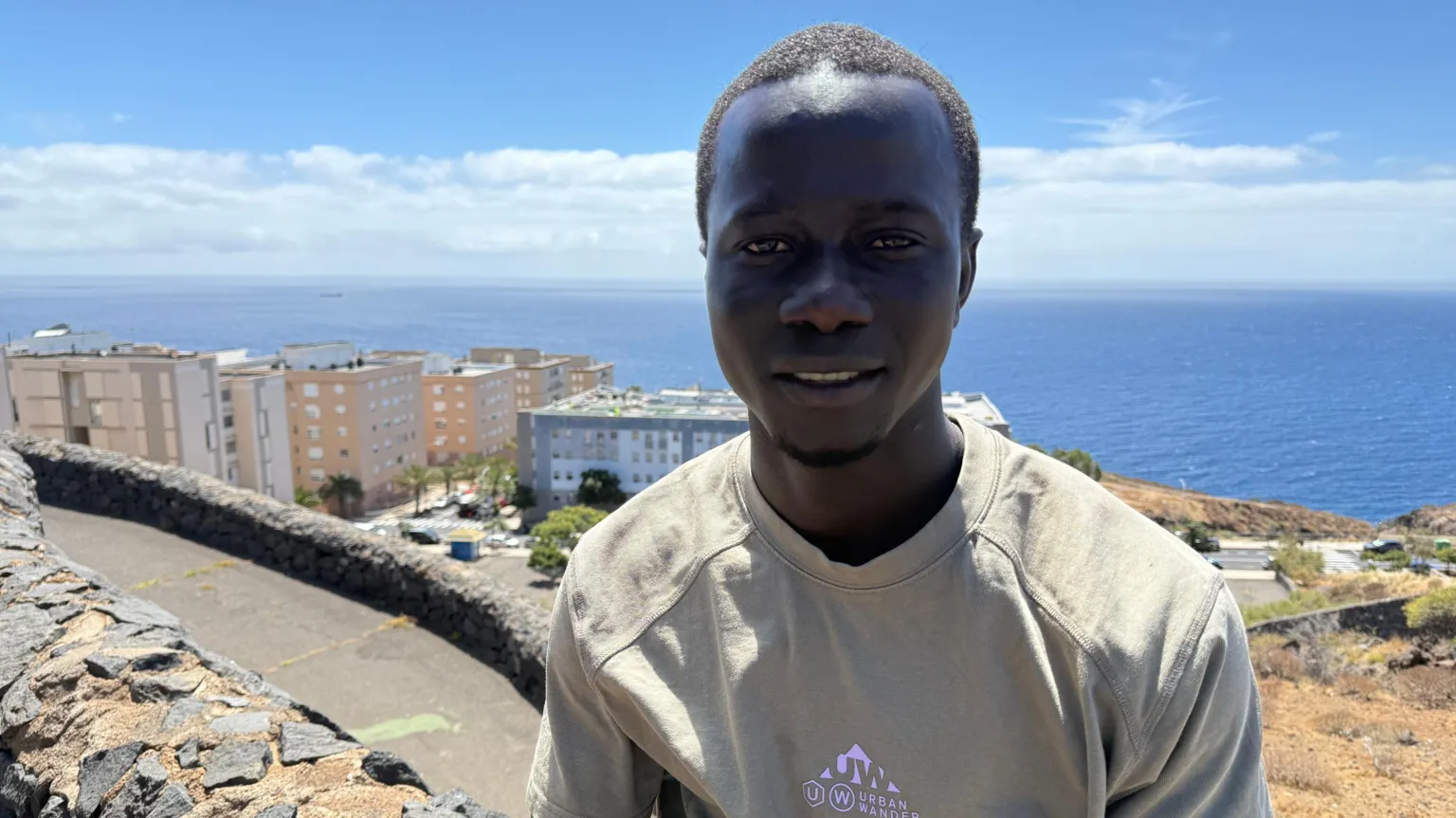
Since his arrival, hundreds of others have lost their lives attempting the same journey. It is their stories, along with those of survivors, that Pope Leo aims to highlight during his visit to the Spanish islands, which commenced in Gran Canaria on Thursday.
Pope Leo's Message on Migration
The Pope's visit serves as a direct contrast to prevailing narratives that label migration as a "crisis" or an "ideological invasion." Data from the UNHCR indicates a significant decline in sea arrivals to Spain this year, partly due to enhanced interceptions off the West African coast funded by the European Union. Despite this, many migrants continue to attempt the crossing, often with fatal consequences.
Pope Leo emphasizes the necessity of establishing alternative "safe and legal pathways" to Europe. He also calls for a humane and respectful reception for those who resort to smugglers and are transported in precarious vessels.
During his time in Gran Canaria, the Pope will honor the memory of migrants who perished at sea by casting flowers into the ocean, including entire boatloads that vanished without a trace.
Survival and Support in Tenerife
Bakary Jaiju considers himself fortunate. His boat, carrying approximately 160 individuals including women and children, successfully evaded intensified naval patrols near Mauritania and Senegal. After running out of fuel days later, they were rescued near the small Spanish island of El Hierro.
Following rescue, Jaiju endured three "very cold, very difficult" months in a migrant camp in Tenerife before joining a program designed to teach Spanish and facilitate legal residency on the island.
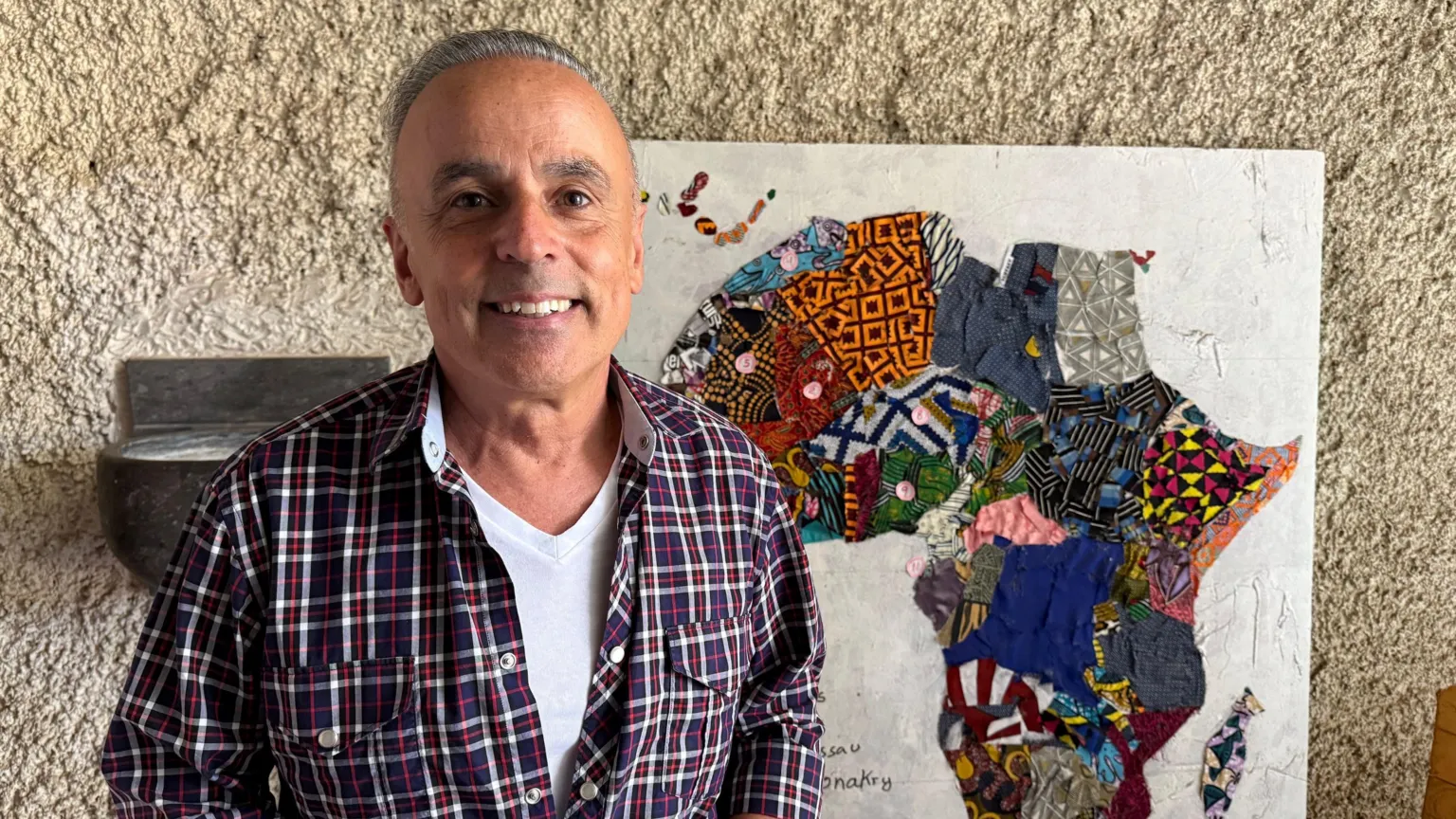
The initiative is spearheaded by Padre Pepe, a Spanish parish priest known for his informal attire of jeans and a checked shirt rather than traditional clerical clothing.
Recognizing the growing number of young migrants on the island and the lack of support once they turn 18, Padre Pepe established the Good Samaritan Foundation. The organization provides accommodation and various workshops to about 170 young men.
"The labour market could absorb all these people, there is huge demand,"the priest asserted.
"It's hard for me to understand why the human heart is so hard,"Padre Pepe reflected on Europe's increasingly stringent attitudes toward migration.
"If we do it well, integrate people well, there is nothing bad in it at all. Quite the contrary."

Regularization Efforts and Political Responses
Jaiju's path to residency has been facilitated by a rare government initiative. The Spanish government under Pedro Sánchez currently allows hundreds of thousands of undocumented migrants to "regularize" their status. Individuals who arrived before December of the previous year can apply for residence and work permits.
Padre Pepe's team is actively assisting migrants in submitting their applications before the deadline.
This one-time measure has drawn criticism from opposition parties. The conservative Popular Party denounced it as an "irresponsible" action that contradicts EU immigration policies. Meanwhile, the far-right Vox party described it as an "invasion" that could attract more migrants and strain public services such as health, housing, and security.
For the Socialist government, the policy represents a blend of humanitarian concern, pragmatism, and political strategy, especially given Europe's aging and shrinking population which necessitates more workers.
Employment Opportunities and Integration
Diana del Molino Rodriguez of the Domingo Alonso Group workshop in Las Palmas de Gran Canaria highlighted the difficulty in finding local workers for certain trades.
"We couldn't find local people who wanted to work with us,"she said, explaining how the company partnered with local authorities to employ young migrants once they turn 18 and exit state care.
Initially, the initiative faced significant backlash, including social media accusations of migrants "stealing" Spanish jobs.
"It was a really hard thing to do because immigration was not something seen as positive. Nobody was looking at migrants like persons,"Molino Rodriguez remarked.
Currently, the company employs around 30 individuals, including 19-year-old Tiene Lama, who benefits from the scheme by sending several hundred euros monthly to his family in the Ivory Coast.
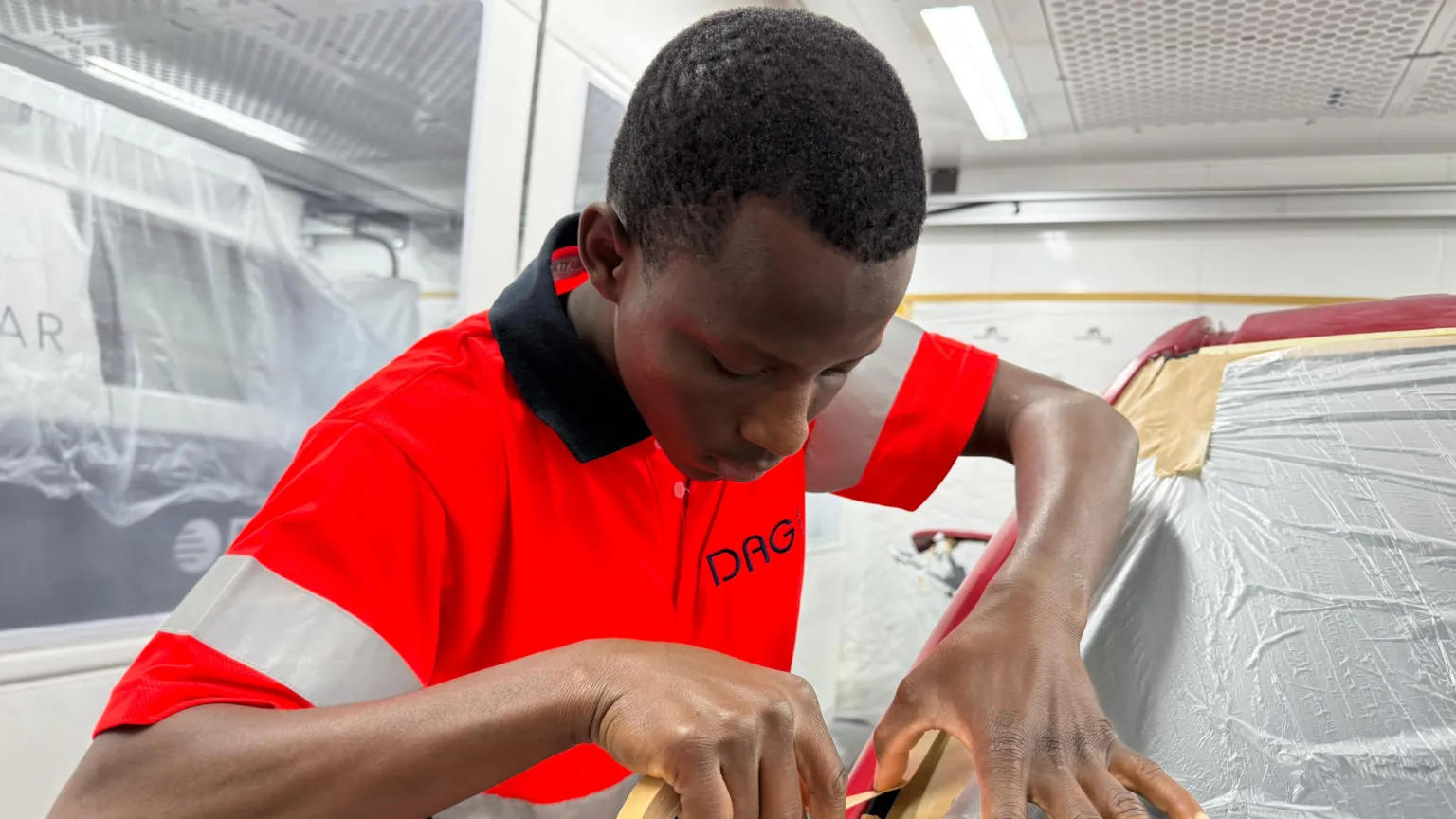
Numerous other businesses, including major hotel chains on the Canary Islands, have also joined the program.
Challenges Ahead Amid New EU Policies
While Pope Leo advocates for a more compassionate approach to migration, a new EU pact is being implemented this week aimed at further tightening Europe's borders. The policy intends to simplify the detention and deportation of migrants arriving by sea.
For young migrants like Jaiju, already willing to risk everything, the new measures offer little deterrence. Human rights organizations express concern that the pact may hinder asylum seekers' ability to have their cases heard.
Local officials in the Canary Islands, where these policies will be enforced, express strong criticism.
"We have no-one to work in the hotels, drive our buses or work in construction; we don't have masons or mechanics,"warned Francis Candil, deputy minister for welfare.
"What we need is a real migration policy that means people from African countries don't have to risk their lives but can come to Europe and have options for work."
"Instead, we have Europe trying to protect itself behind walls - and to expel people."