Overview of Recent Violence in Northern Ireland
Northern Ireland has experienced three consecutive nights of unrest characterized by violence on its streets.
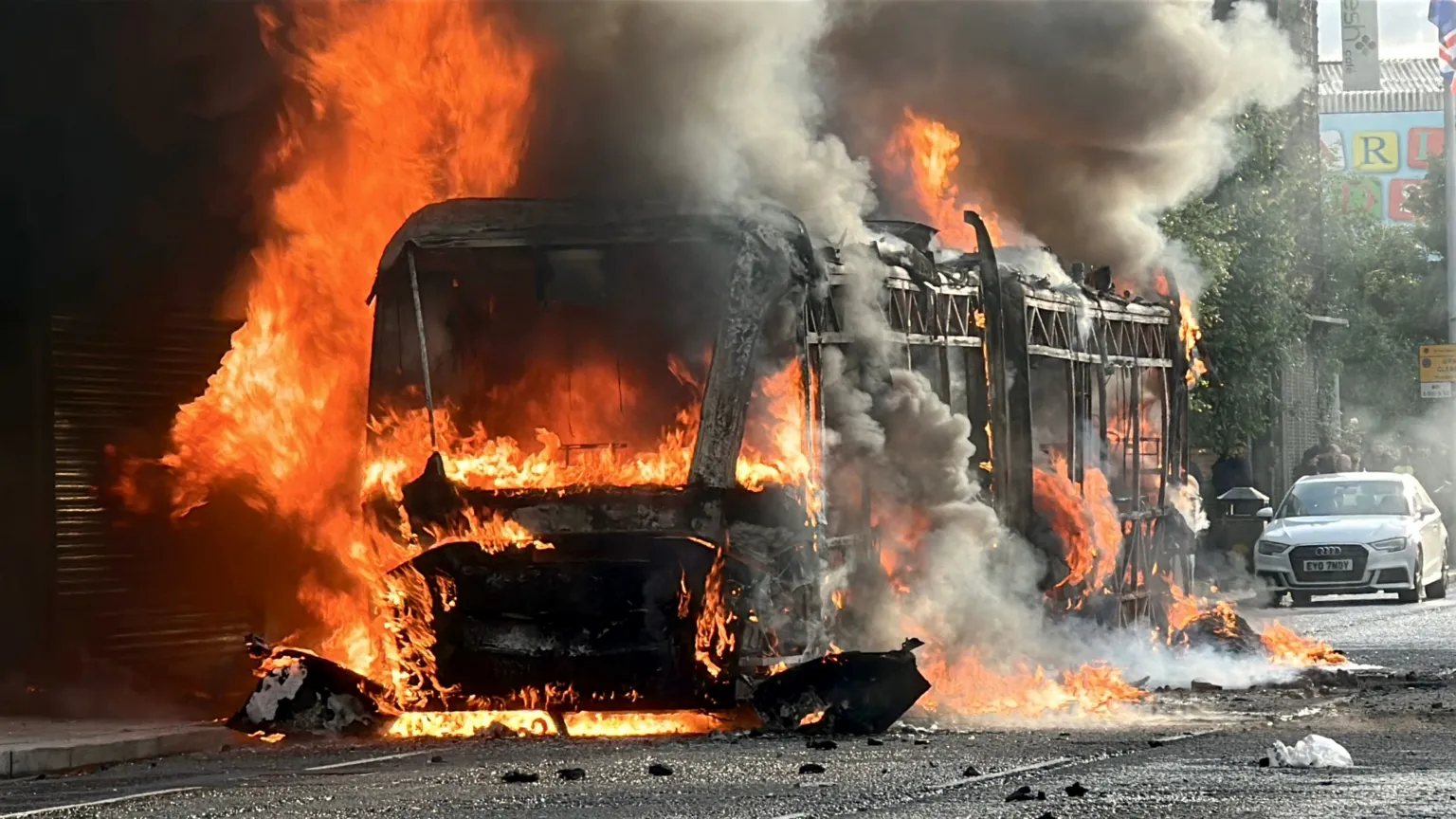
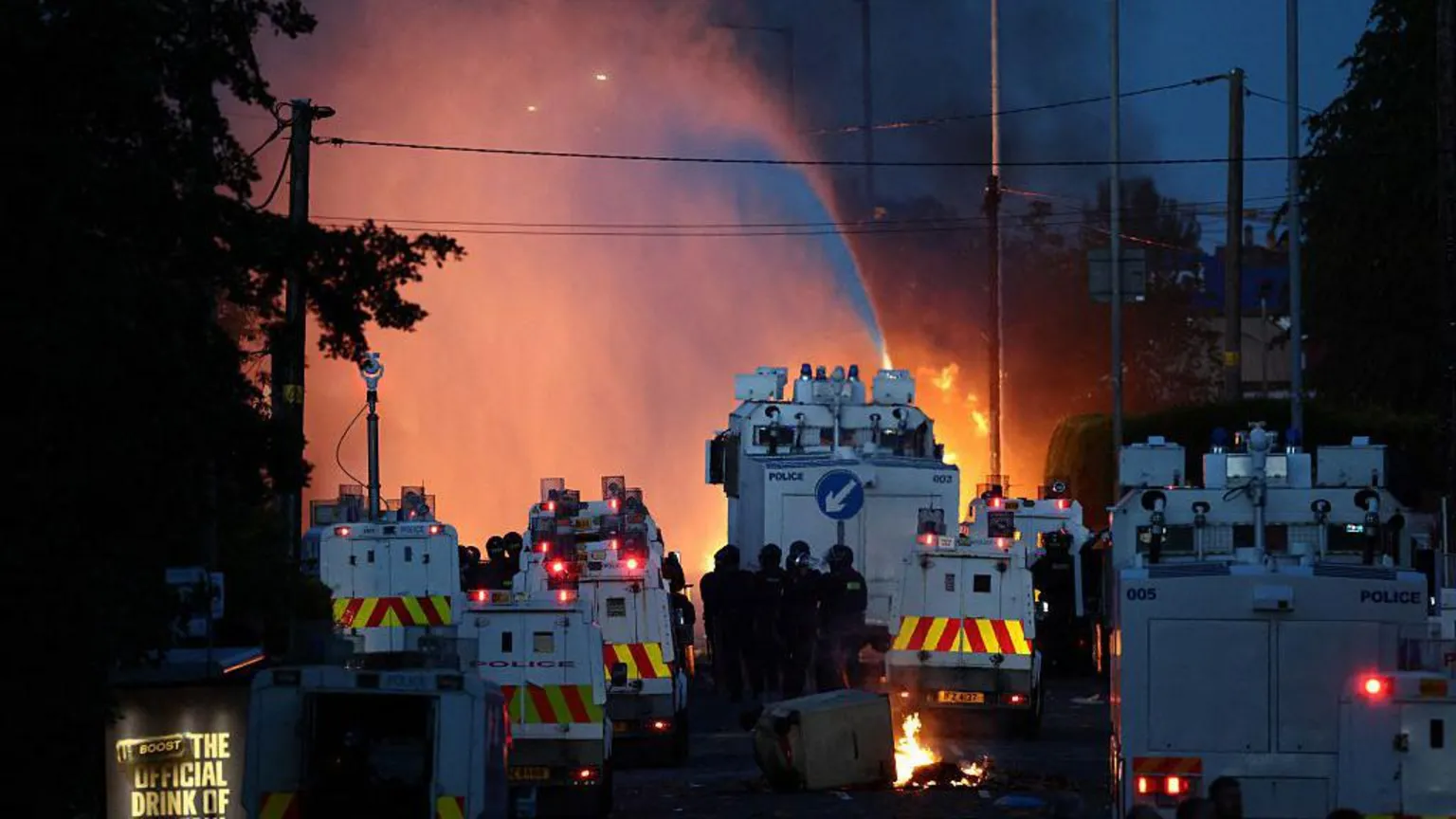
During these events, homes and vehicles were set ablaze; water cannons were deployed; over a dozen police officers sustained injuries; and an atmosphere of fear emerged, with reports of individuals being threatened due to having a "different skin colour" and families being displaced from their homes "because they're black".
The unrest followed a knife attack in Belfast on Monday night, resulting in a Sudanese man being charged with attempted murder.
Within hours, social media platforms were flooded with footage of the attack, quickly followed by calls for protests.
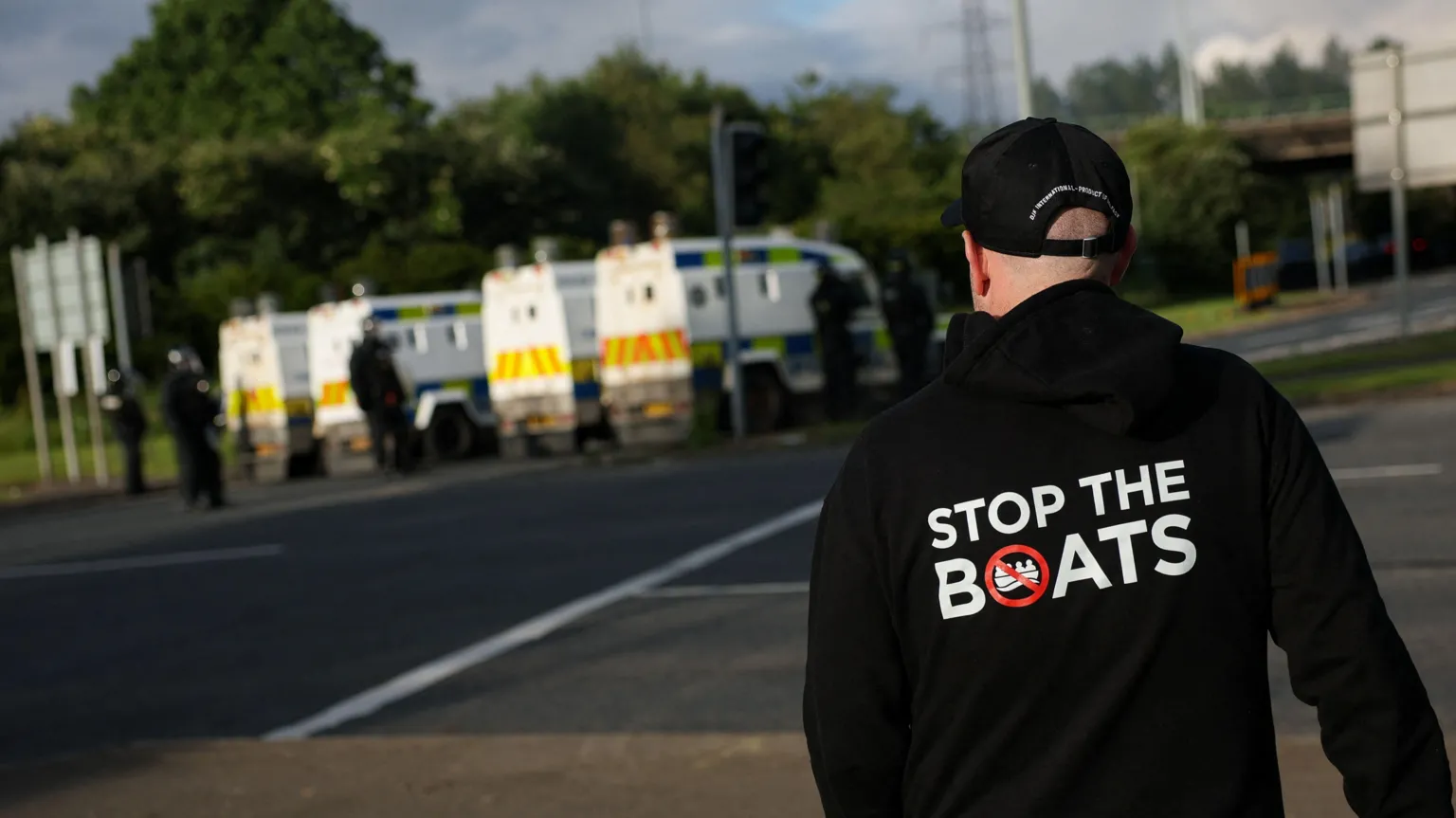
While many protests proceeded peacefully, in other locations hundreds of masked individuals took to the streets, leading to violent confrontations.
Role of Social Media and Organisation of Protests
The rapid mobilisation of large groups and the role of social media in organising these events have drawn significant attention. NI examines how a violent incident escalated into days of disorder.
The scenes witnessed on Northern Ireland's streets this week are reminiscent of previous disturbances, such as in 2025 when protests in Ballymena and other towns devolved into violence described by police as "racist thuggery" following an alleged sexual assault.
In the current situation, social media was central from the outset.
Many individuals first learned of the initial attack through a video recorded by a woman returning home from work.
Social media posts, many emphasizing the alleged attacker's ethnicity, rapidly spread, with graphic footage widely shared across Facebook, X, and TikTok.
On Tuesday, police confirmed the arrested individual was a 30-year-old originally from Sudan. Subsequently, speculation arose regarding how he came to reside in Belfast.
Within 24 hours of the incident, hundreds participated in protests across Northern Ireland advocating for stricter immigration controls.
Simultaneously, other groups, many masked, engaged in violent actions.
Some social media posts provided specific times and locations for protests, often containing anti-immigration messages.
Other posts listed roads scheduled for blockades or instructed businesses to close at designated times.
One particularly concerning post shared a detailed list of home addresses, which police reported caused "extreme distress" to residents and warned that it was "putting lives at risk and has to stop".
Identifying Organisers and Participants
Determining who orchestrated these incidents remains challenging. Many participants wore masks, and social media accounts involved are largely anonymous.
Although the knife attack occurred in a predominantly nationalist area in north Belfast, most violent episodes have taken place in predominantly unionist areas.
Paramilitary involvement is common during outbreaks of violence; however, the Police Service of Northern Ireland (PSNI) stated there is "no evidence" that loyalist paramilitaries coordinated this disorder.
Instead, evidence points to social media coordination originating both within and outside Northern Ireland.
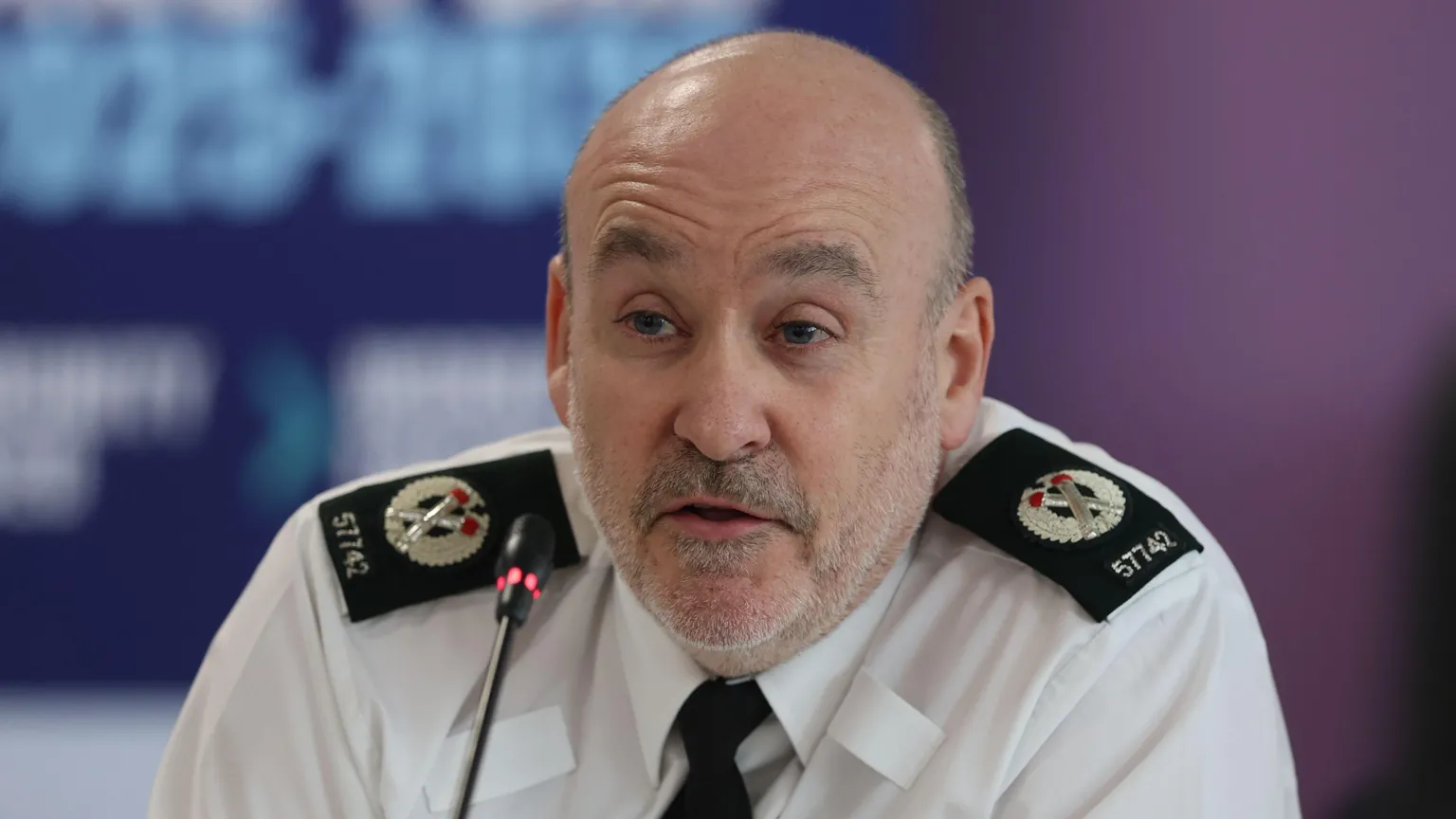
"That momentum, that drive, that toxicity is what's bringing people out onto the streets. It needs to stop,"said PSNI Assistant Chief Constable Ryan Henderson.

Communications regulator Ofcom indicated that some of Tuesday's disorder "appears to have been incited online," including "racially motivated incidents of violence, arson attacks on homes and vehicles, and attacks against police."
The regulator is monitoring the situation closely and plans to contact specific providers, though it has not disclosed which ones.
Loyalist activist Jamie Bryson also stated that "it's not loyalist paramilitary organisations" behind this week's unrest.
"The leaderships of the organisations have been clear, they're not taking any part in this, they're not encouraging anybody to take any part in this,"he said.
Perspectives from Protesters
John Keenan, a protester in east Belfast, condemned the violence but defended the right to peaceful protest.
"I think it's just spontaneous. I don't think it's organised at all, apart from what you read on Facebook and in the media."
Keenan was among the few protesters willing to speak with journalists about motivations for attending, as most declined to comment.
However, scenes such as those in Coleraine, County Londonderry, on Wednesday night illustrate the sentiments among participants.
Approximately 100 people gathered outside houses of multiple occupation (HMOs) near the town's university, with some confronting police.
As officers appealed for calm, several individuals shouted slogans including "get them out" and "they are a risk to our community."
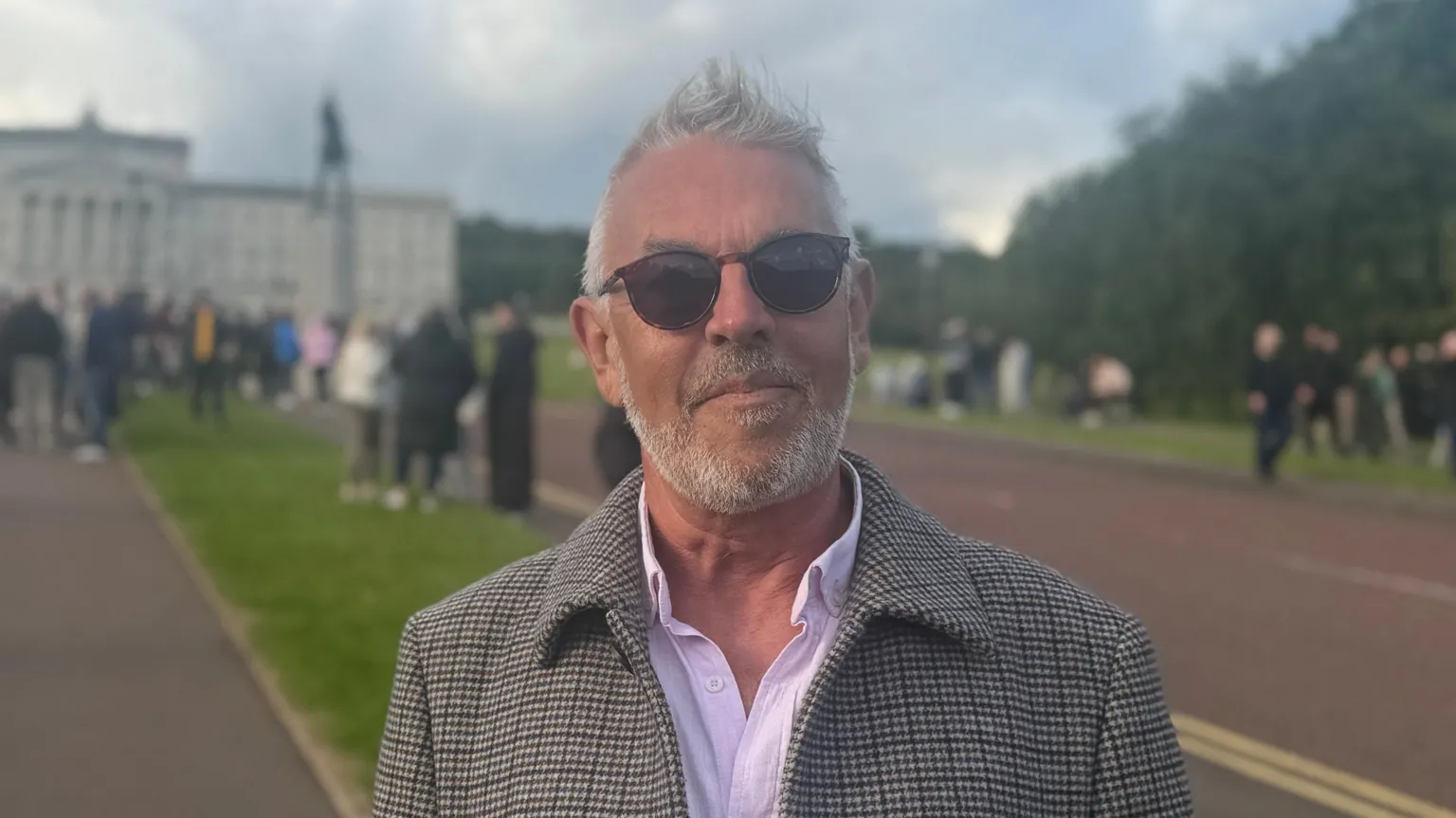
Meanwhile, at a separate peaceful protest on Wednesday night at Stormont—the location of Northern Ireland's devolved parliament—one protester alleged that online misinformation was being used to defuse protests.
"I think Wednesday's protest was 'a scam', intended to pull protesters away from other sites.
"The post (for the Stormont protest) was shared all over Facebook by many people, but look at the turnout - there's nobody here.
"There's no speakers, there's no PA system, there's nothing.
"I think somebody just made a poster up, and these are the consequences of it, people are turning up and it's a total waste of time."
Social Media's Role in Disinformation and Organisation
Dessie Donnelly, representing the Belfast-based technology group the Rabble Cooperative, commented on social media's influence during the unrest.
He stated that social media contributed to "amplifying disinformation, assisting, and organising" this week's events.
Donnelly noted that platforms were used to "organise and publicise attacks on homes and families of immigrants" and to establish "vigilante groups patrolling openly."
Appeal for Calm from Victim's Family
Following the most intense night of rioting on Wednesday, the family of Stephen Ogilvie, the victim of Monday's attack, issued a public appeal for peace.
"We want to make it absolutely clear that overnight unrest is not welcome, and peaceful protest is the only way forward."
The family emphasized the valuable contributions of migrants to the country, including in healthcare and hospitality sectors, stating,
"We have many migrants who make a deeply valuable contribution to our country, including in our healthcare system and hospitality sector and we depend on them to make our country work."
They expressed a desire that this "terrible tragedy" not be used to divide communities or incite hostility.
Consequences of the Disorder
As is often the case with violent disturbances, ordinary citizens bear the brunt of the aftermath when public transport ceases operation, businesses and schools close, and events such as graduations and plays are cancelled.
For residents in affected areas, the repercussions of the disorder will endure long after the immediate violence subsides.