Scotland's Newest Prison Nears Completion
Scotland's newest prison, HMP Highland, is scheduled for completion later this year. The Scottish Prison Service (SPS) states that this facility will enhance its ability to serve communities across the Highlands and Islands.
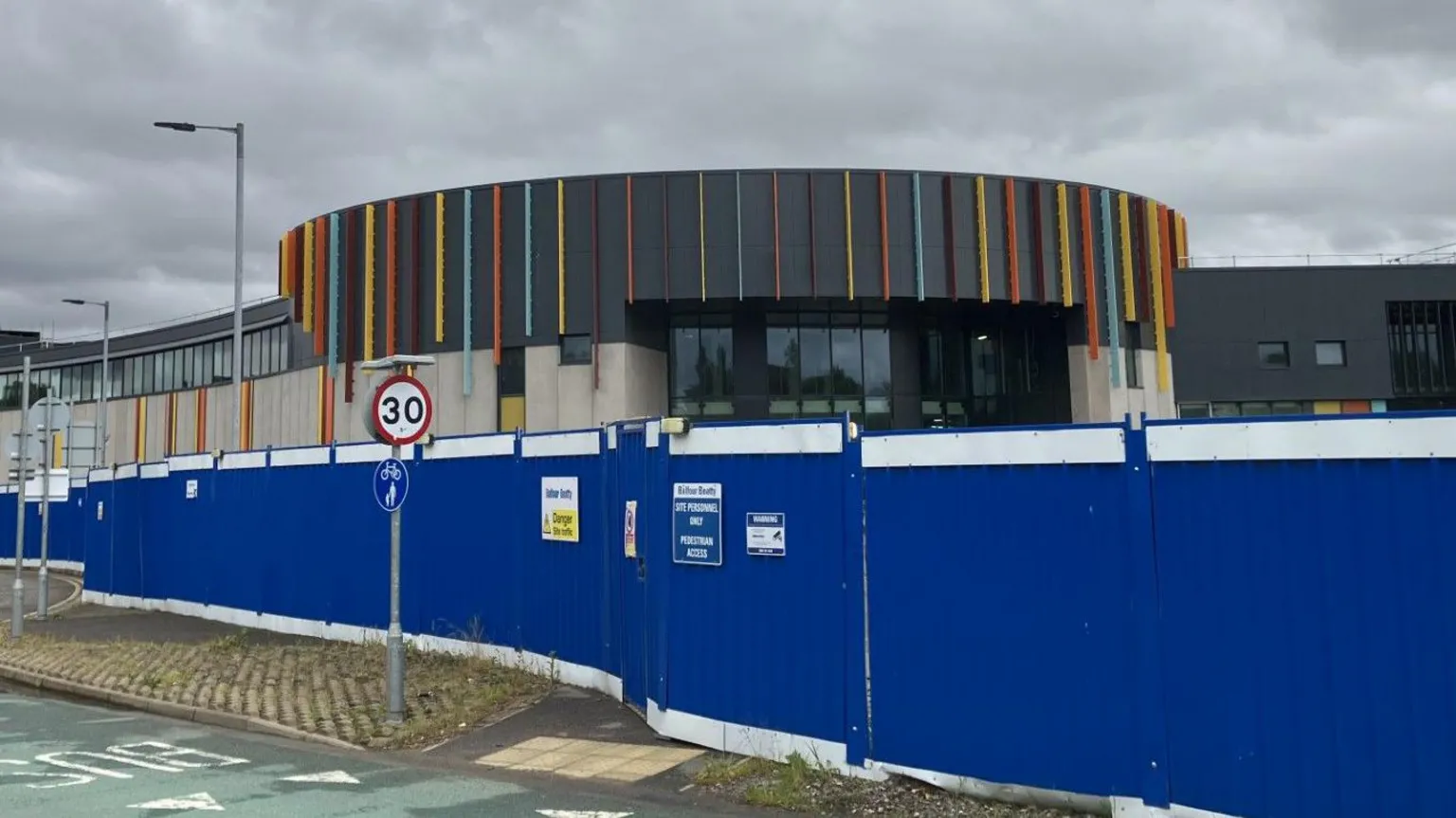
As the £209 million prison takes shape on a site in Inverness, its vibrant exterior has attracted attention. Bands of orange, blue, and yellow feature prominently on a long, curving wall and also at the prison's entrance.
Replacing an Aging Facility
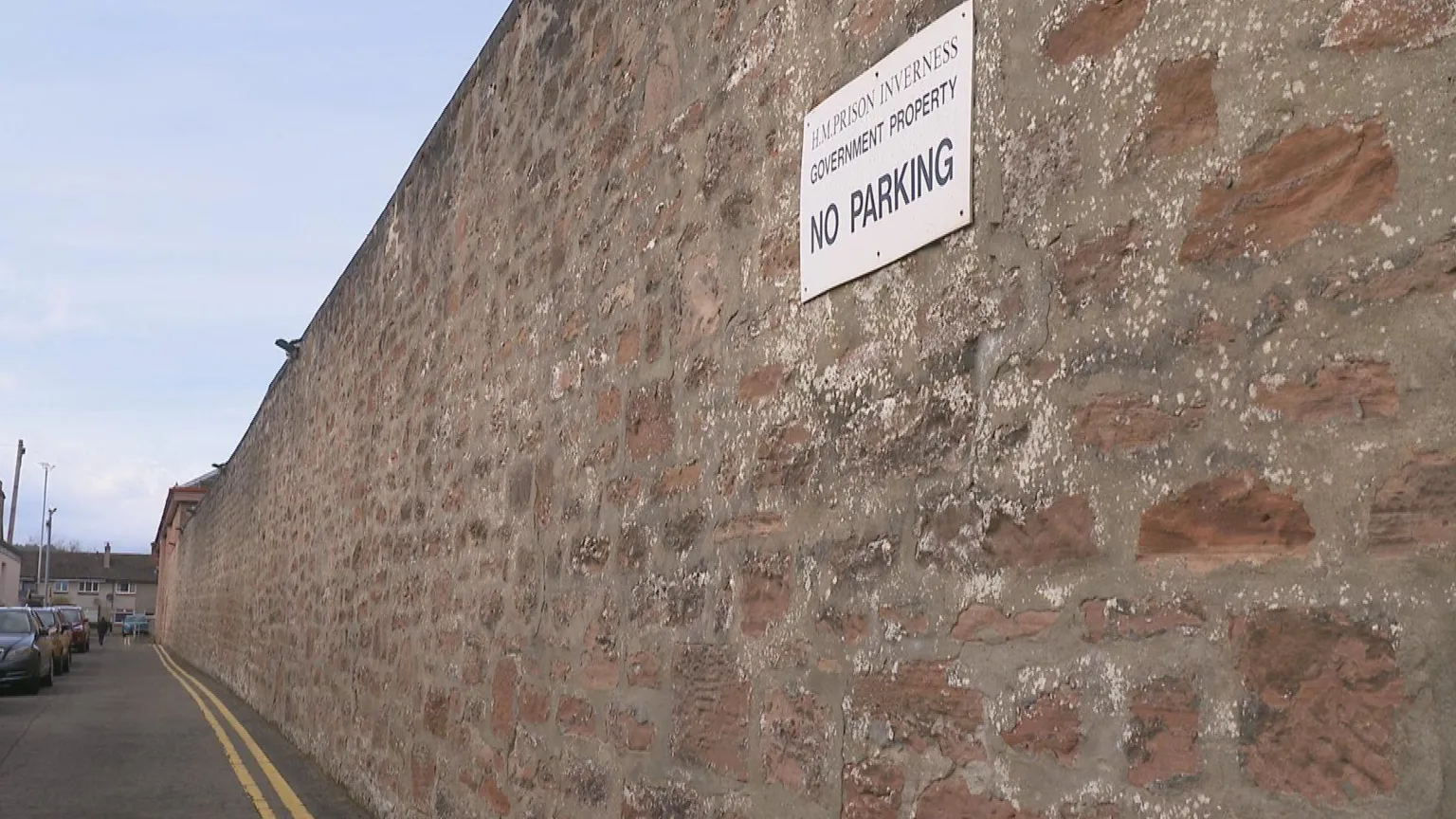
HMP Highland is being constructed to replace HMP Inverness, one of Scotland's oldest prisons. The Victorian-era complex, located near the city centre, is now over 120 years old and has faced persistent overcrowding issues.
Located near Inverness Campus, HMP Highland will accommodate 200 inmates, doubling the capacity of HMP Inverness, which was originally designed for 100 prisoners. After some delays, the new facility is expected to be completed this year.
Design and Purpose
The SPS emphasized that considerable thought has been invested in the prison’s design and colour scheme. An SPS spokesperson said:
"The new HMP Highland will allow us to better serve local communities, meet the needs of people in our care, and support our staff."
"The design of the building has been carefully considered, with colours chosen to compliment the local landscape and create a more welcoming environment for visitors."
The spokesperson also noted:

"With capacity for 200 people, it is almost twice as big as HMP Inverness, which it replaces.
This means that more individuals in custody from the Highlands will be able to stay close to home, supporting those relationships with family and friends, which is so important to rehabilitation and reducing the risk of reoffending."
Mixed Reactions to the Exterior
Opinions differ regarding the appearance of HMP Highland. Dr Yvonne Jewkes, a prison design expert and writer, suggested that the building has been intentionally designed to resemble a civic structure rather than a traditional prison.
"To my mind it resembles a university building," she said.
However, Dr Jewkes added that the external appearance matters little to prisoners themselves, as they typically do not see the exterior when arriving.
"The outward appearance of a prison matters little to prisoners because they will not see it.
When they arrive in prison escort vehicles, they will be taken straight through to an inner part of the prison and may not even glimpse the fancy exterior."
She also noted that the accommodation blocks follow a traditional design, consisting of three spurs of three storeys each with small windows.
Dr Jewkes highlighted the significance of efforts to reduce overt prison-like features.
"It is community facing and it does not have the stigmatising features of a 'typical' jail," she said.
Professor Dominique Moran from the University of Birmingham, who researches prisoner and staff experiences, emphasized the importance of the prison’s external appearance to those who encounter it regularly.
"For each of these groups, what it looks like matters," said Prof Moran, referring to local residents, employees, and visitors.
"We know that visits are critically important both for incarcerated people, for their families, and for good outcomes after release from prison.
We also know that prisons can be very intimidating places to visit, especially for children.
There are advantages, therefore, in a prison not necessarily looking the way we might 'expect' it to, especially if that means that it looks and feels approachable."
Local Perspectives on the Design
Isabelle MacKenzie, a Scottish Conservative councillor for Inverness Millburn, the Highland Council ward where the new prison is located, expressed reservations about the building’s colourful design.
"I understand the intention behind using colours inspired by the Highland landscape, particularly the use of grey tones to reflect granite and reduce the visual impact of what is a significant development," she said.
"However, when you look at the finished exterior, the brighter vertical panels feel far more stylised than natural.
Rather than helping the building blend into its surroundings, they arguably make it stand out more, which sits at odds with the stated aim of landscape camouflage."
MacKenzie further commented:
"Creating a less intimidating environment for visiting families is important, but that must be balanced with authenticity to the Highland landscape, fiscal responsibility, and a design that genuinely integrates with its surroundings rather than drawing further attention to it."