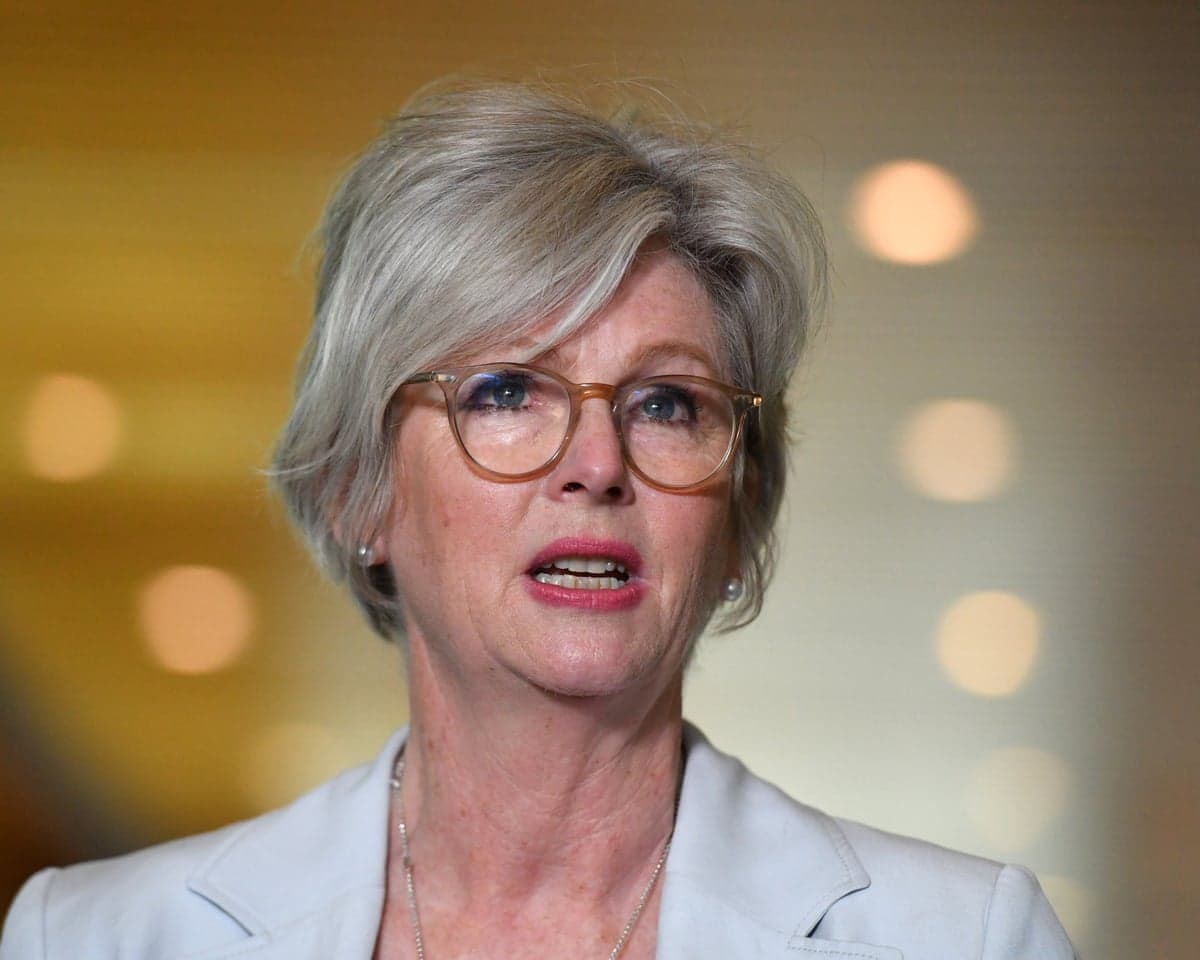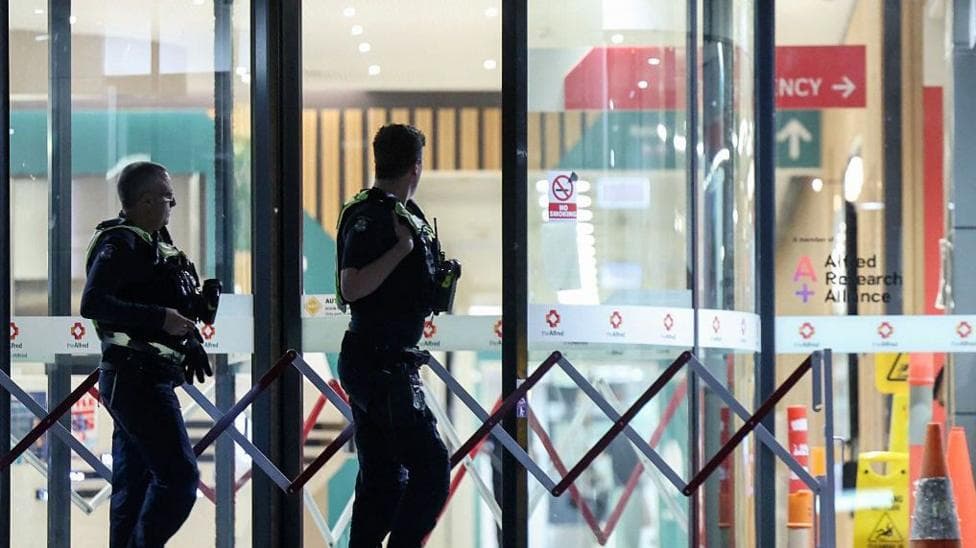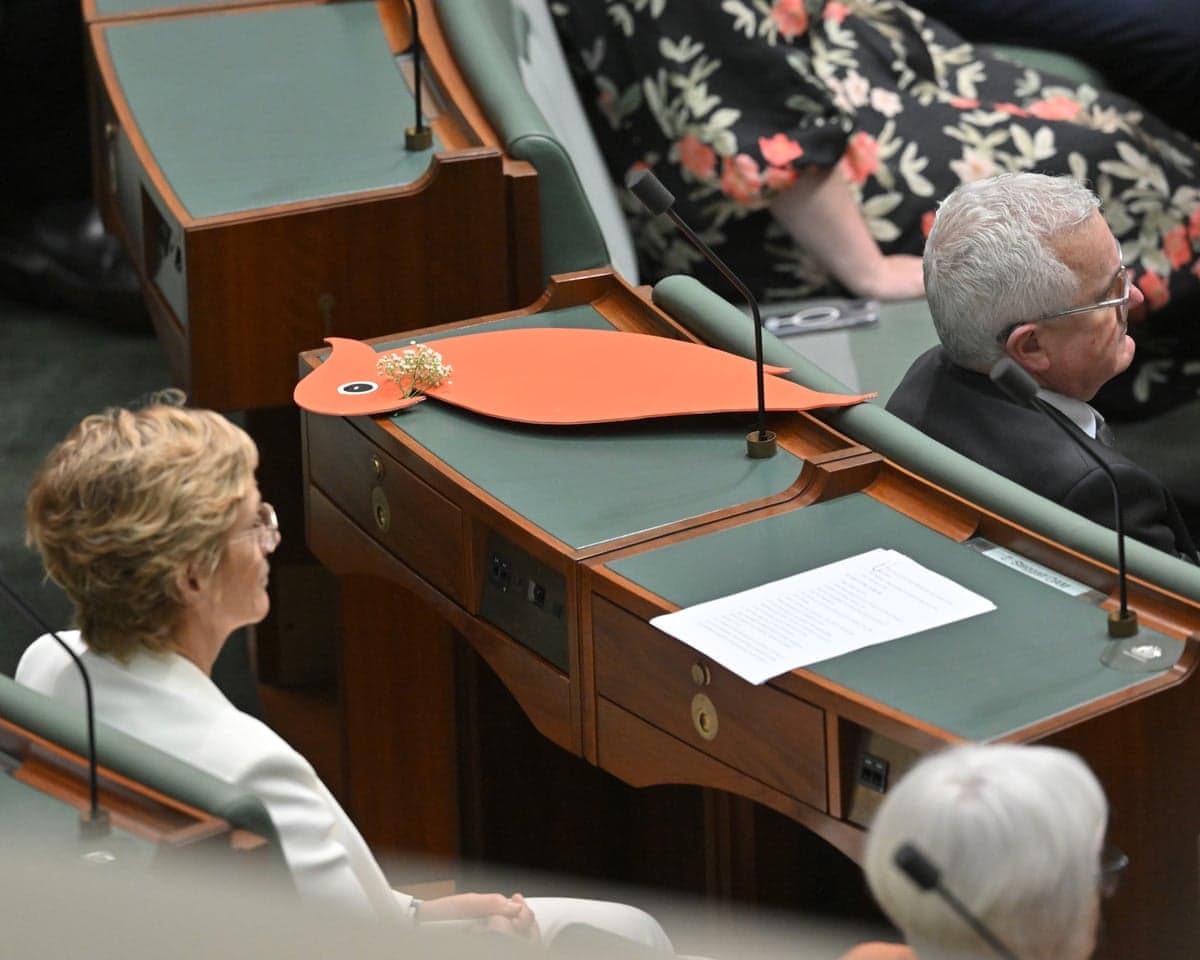
Crossbench members of parliament will pay tribute to independent MP Helen Haines on 26 October 2026 by placing an orange cockatoo sign on her seat in the lower house, as colleagues including Prime Minister Anthony Albanese offer their support and well wishes. According to The Guardian, Haines remains in serious but stable condition at a Melbourne hospital after losing both legs in an alleged vehicle attack near her electorate office in Wangaratta on 19 October 2026.
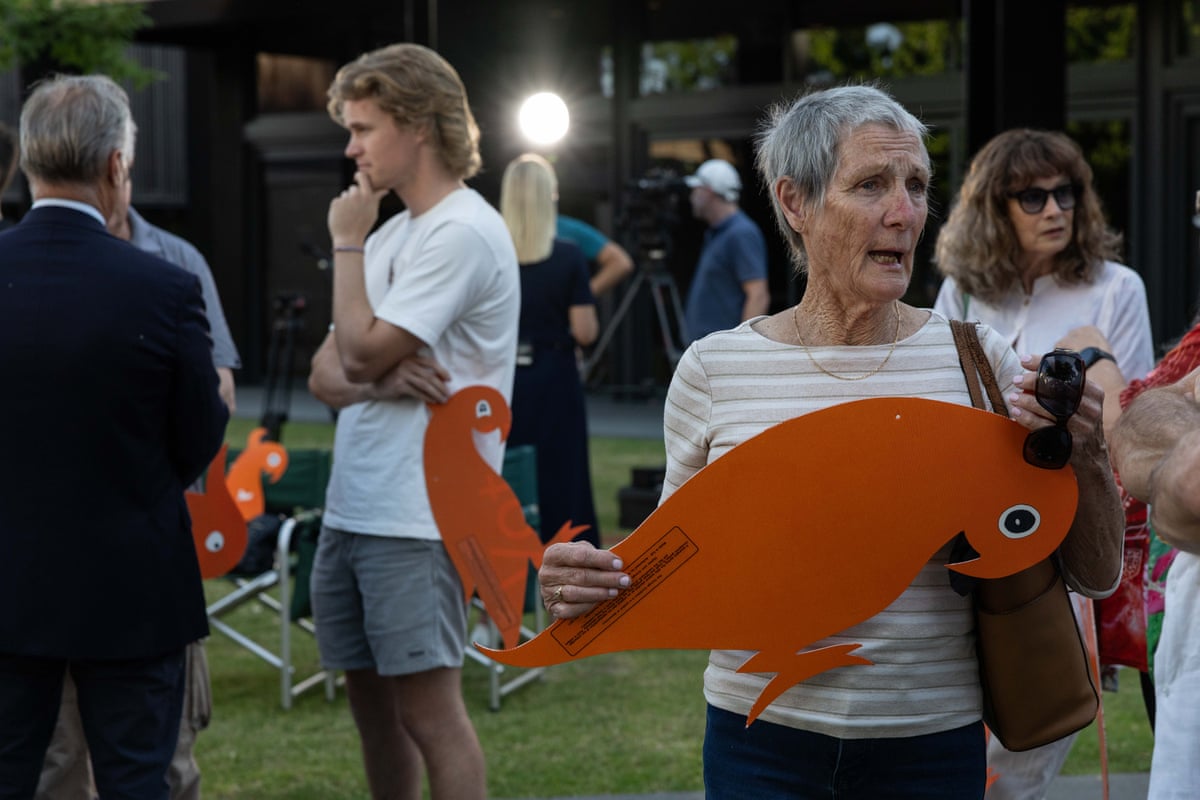
The orange cockatoo has become synonymous with Haines and her independent campaign in the electorate of Indi. The symbol originated when volunteers for her predecessor, Cathy McGowan, wore orange shirts that reminded observers of a flock of cockatoos. The association has grown to represent a community gathering together to strengthen democratic participation. Volunteers have constructed cockatoos from old yard signs, infusing campaigns with creativity and conversation.
Haines' husband, Phil Haines, provided an update at the Alfred hospital on 25 October, stating that
both her heart and her mind are in good shape. He is expected to attend parliament on 26 October.
Civility pledge gains momentum among crossbenchers
Haines was the first federal politician to sign a civility pledge as part of the Compassion in Politics movement, which aims to foster more respectful political discourse. Crossbench MPs will sign the pledge and encourage others to do so on 26 October. Independent MP Kate Chaney demonstrated her support by wearing an orange blazer and cockatoo brooch, and according to ABC News, she committed to signing the civility pledge in honour of her colleague.
Crossbench colleague pays emotional tribute
Independent MP Zali Steggall addressed parliament with emotion, describing her struggle to express her feelings about the attack. She reflected on their parliamentary friendship since first meeting in person in 2019 and their shared experiences supporting the Indi community through crises including the Black Summer bushfires and the COVID-19 pandemic.
Steggall told the chamber:
There have been plenty of tough times in the last seven years, from the Black Summer bushfires to COVID. But through it all, you've been there to support and guide the community of Indi, myself, and many others in this Parliament.
She continued:
Helen, I've had so many chats with you sitting in this chamber. You're the matriarch of the crossbench, always a voice for respectful political debate. We have heard your words loud and clear: kindness over hate. It's time to diffuse the tension and consider how our words are being received by others in the community beyond this place. Helen and Phil, we have an opportunity before us to move forward with hope and kindness. We have a responsibility to bring Australia together.
Opposition leader condemns attack as 'unfathomable'
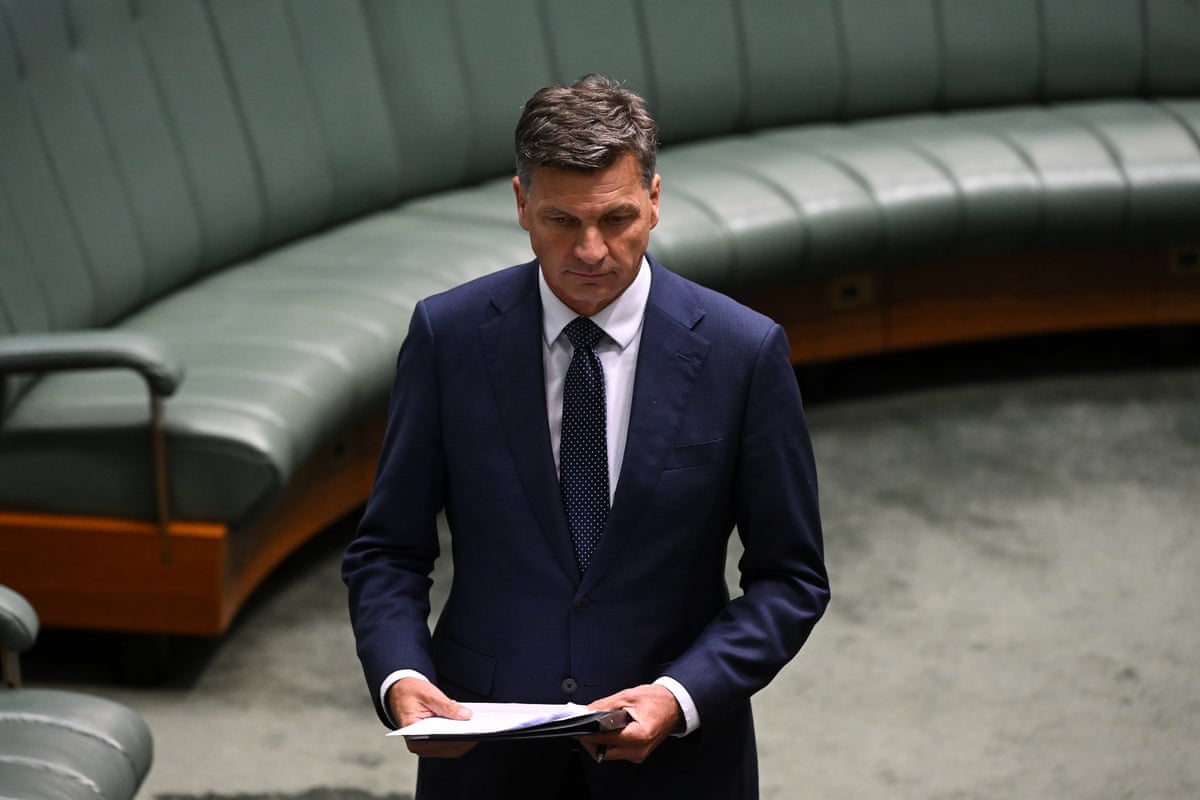
Opposition leader Angus Taylor expressed strong support for Haines and thanked local residents who assisted immediately after the alleged attack. Taylor characterised the incident as shocking given Haines' commitment to civil discourse.
Taylor told parliament:
Helen Haines epitomises civility, and that's why the violent [alleged] attack on her seems so unfathomable. In those horrific moments last Monday, and in the critical hours and days afterwards, one man's cruelty stood in stark contrast to the courage and decency of so many Australians.
What does Taylor say about extremism and debate?
Taylor urged the government to confront all forms of extremism, not only far-right movements. He stated:
The government has been absolutely right to call out far-right extremism. But all extremism must be called out. Every source must be named, must be targeted, and must be fought, especially through our additional funding for intelligence and law enforcement.
Taylor called on judges to impose stricter penalties for acts of intimidation and violence. He also encouraged Australians to take pride in their nation, arguing:
Too many Australians have been taught to feel guilty and shame about our country and about our history. Is it any wonder that some feel deep animosity towards our democracy, our institutions, and our nation? Is it any wonder that we see war memorials graffitied and statues defaced?
On the relationship between parliamentary debate and violence, Taylor disagreed with suggestions of a causal link. He said:
In the past week, it has been suggested by some there is a causal connection between robust parliamentary debate and political violence. I disagree with this view. The Westminster system is about settling differences through robust and rigorous debate, not violence… Importantly, we debate with adversarial vigor, but we never allow that vigorous parliamentary debate to spill over into violence. People who resort to intimidation and violence cross a line that must never be crossed.
Taylor concluded:
The choice to use violence is a rejection of robust debate, a refusal to accommodate difference and disagreement. The antidote to violence isn't to compromise our system of robust debate, but to cherish, champion, and strengthen that system.
Prime Minister describes Haines as 'a fighter'
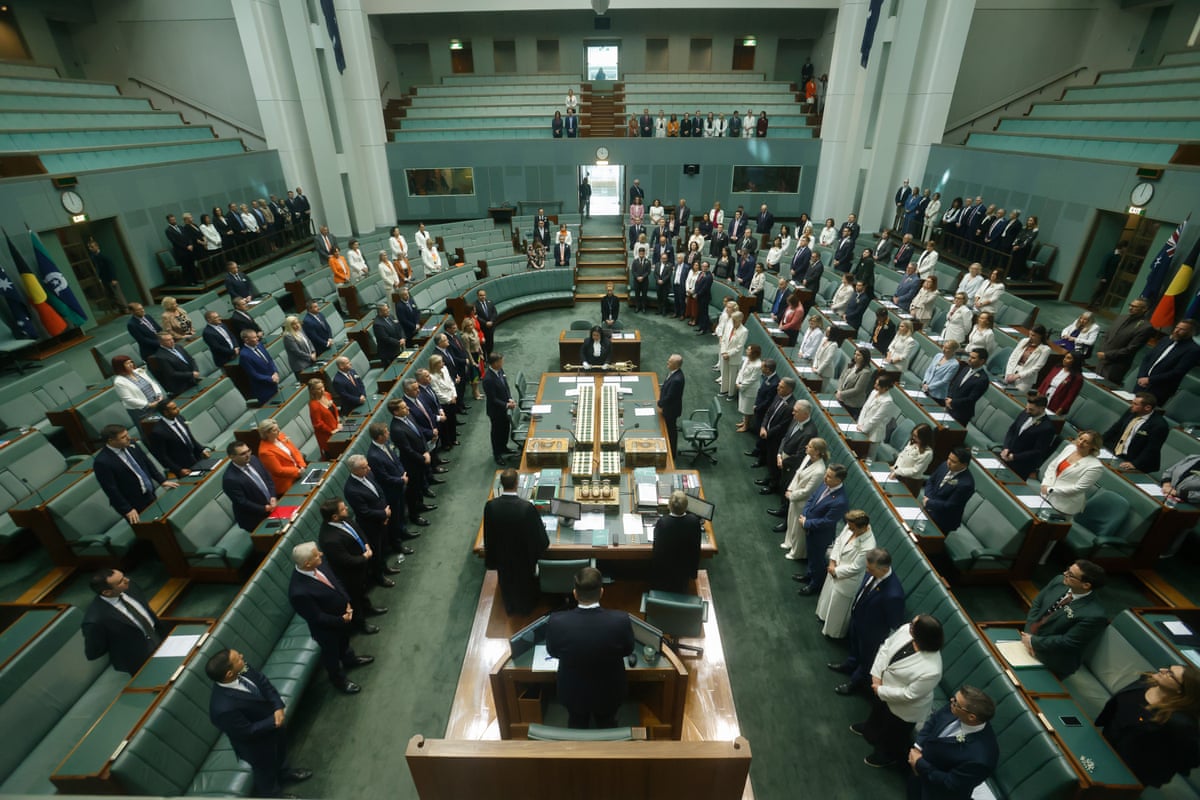
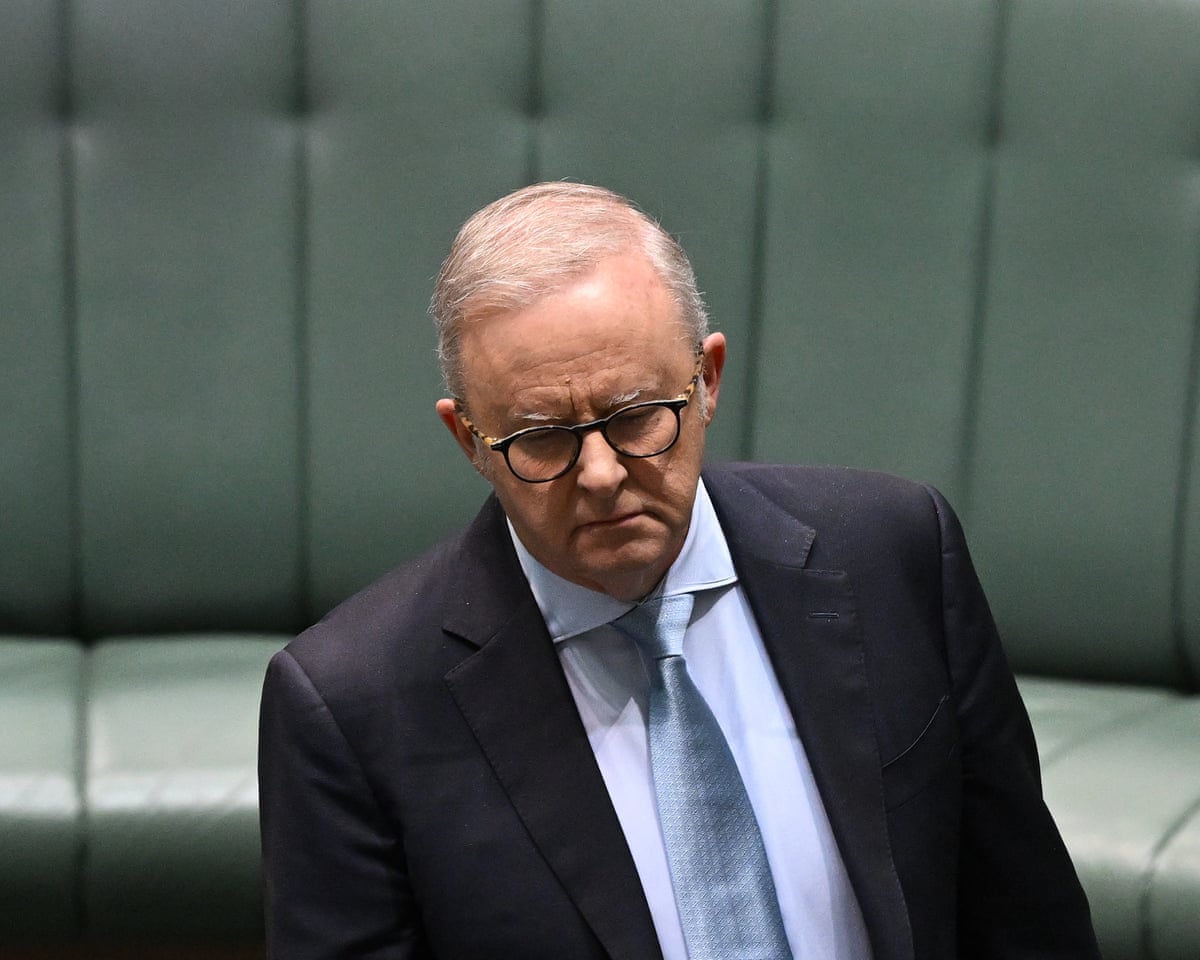
Prime Minister Anthony Albanese told parliament that he has spoken regularly with Haines, particularly regarding rural and regional health issues. He praised her approach to political engagement, saying:
She always engages, always looks you in the eye, and never lets up. And she always works on the principle that disagreement only truly functions when it doesn't depart from respect and humanity.
Albanese characterised Haines' current situation as the most difficult challenge she has faced. He said:
Right now, the member for Indi is on the hardest road of all. As we pray for her, we console ourselves with this one solid truth, as Phil, who I've spoken to daily, keeps reminding me every day, Helen Haines is a fighter. As Phil returns to Helen and their family, may he take with him our love, and the love of the nation.
How does Albanese address concerns about rising anger in society?
The Prime Minister warned against conflating Australia's robust democratic traditions with what he described as a troubling rise in public anger. He told the chamber:
We must not conflate the robustness of Australian democracy with this rising tide of rage, we've always had disagreement in Australia. It's part of our story. Ours is an unbroken democracy, and our continuous system of government shines as a beacon to the world. But we cannot allow disagreement to become a full stop. We keep talking.
Albanese identified social media as a factor enabling the spread of hostile language and behaviour. He stated:
Enabled by the anonymity and speed afforded by social media, we are seeing rage and aggression increasing, not just in politics, but towards workers in hospitality and retail, in schools and in hospitals, towards police, paramedics, and other officials, we are seeing a normalisation of the language of grievance and violence.
The Prime Minister spoke with Phil Haines on the morning of 19 October. Albanese told parliament:
Phil spoke lovingly of Helen's superpowers as empathy, kindness, and compassion. He spoke of hope and change, and the need for a gentler, more cohesive path. I want Phil to know that we are with him and Helen, and with their children and their grandchildren, and will remain with them.
What security measures are being implemented?
Following the attack on Haines, parliament's public-area security measures are being reinforced, with the Australian Federal Police and government working on the changes. The alleged attacker, 43-year-old Brendan Nugent, has been charged with dangerous driving causing serious injury, intentionally causing serious injury, and causing harm to a Commonwealth public official, and was remanded in custody after appearing in court. Police have been investigating possible motives for the incident.
Community support and fundraising efforts
Community members have demonstrated their support for Haines through various means. A family fundraiser for Save the Children, organised in her honour, had surpassed $1.2 million by Sunday afternoon, reflecting the widespread backing for the MP and her family during this difficult period.
Victorian Labor faces electoral headwinds
Federal Health Minister Mark Butler has expressed concern about the state Labor government's prospects ahead of the 28 November Victorian election. Butler conceded that the election would be
a tough onefor Labor, as fresh opinion polls reveal a significant decline in support for the state party.
Primary support for Labor has fallen four percentage points to 24 per cent since Victorian Premier Ben Carroll took office in July, according to the latest Newspoll conducted in October and published by The Australian on 25 October. Labor's two-party preferred vote has plunged 10 percentage points since the 2022 election, placing the Coalition ahead 55–45.
Butler acknowledged the challenges facing the state party, saying:
After 12 years and some of very difficult years for Victoria, particularly through COVID, it's no surprise that this is going to be an uphill battle for [Victorian premier] Ben Carroll and the Labor team.
Opposition leader Jess Wilson's position has strengthened considerably, with primary support for the Coalition surging to 33 per cent, a gain of 2 percentage points. One Nation's vote edged up one point to 20 per cent, solidifying Wilson's box seat position to become the next premier.
What happens next for women's health access?
A year-long trial expanding pharmacist access to hormonal contraception and urinary tract infection treatment is scheduled to commence on 1 January 2027. The initiative is part of a five-year, $792 million women's health package announced in 2025. The trial is estimated to provide cheaper access to these treatments for approximately 900,000 women across Australia, reducing barriers to obtaining essential medications and improving healthcare convenience for women seeking these services.