Exploring Unconventional Strategies Amid Oil Supply Concerns
Leveraging Australian gas exports to secure oil imports is among the unconventional ideas gaining attention as Australia faces significant oil supply challenges.
The International Energy Agency (IEA) has recommended that Australia reduce consumption in an effort to counter what it described as the "greatest threat to global energy supply in the history of the world."
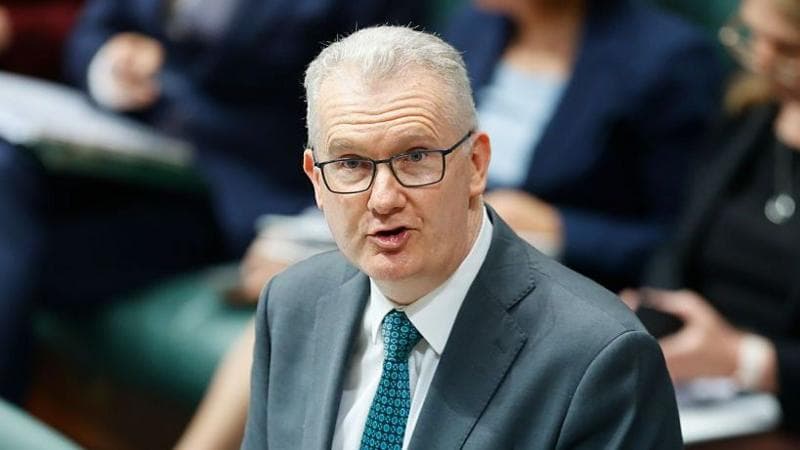
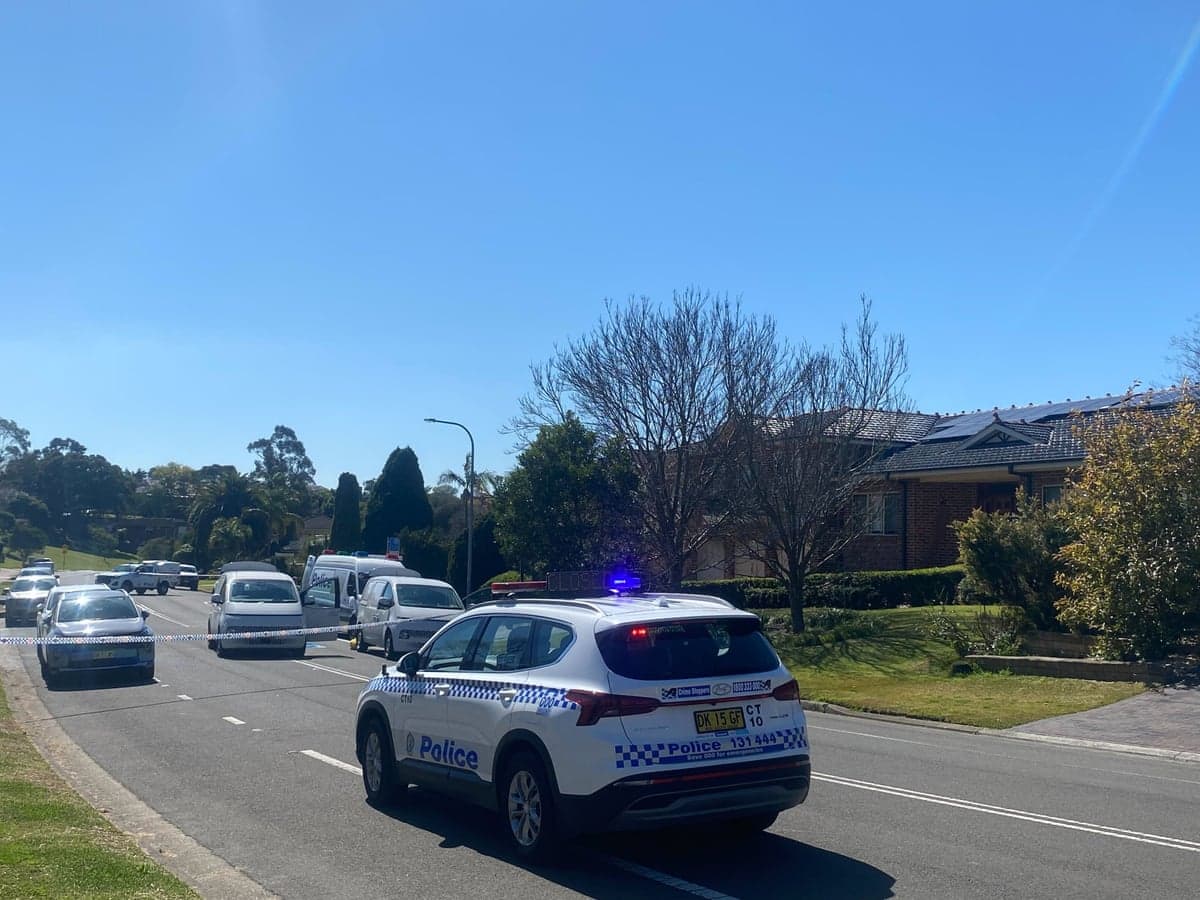
This week in federal parliament, a variety of innovative and offbeat proposals are expected as the Albanese government confronts pressure to address both immediate and long-term impacts of the ongoing oil shocks, which have resulted in more petrol stations running dry across the country.
Key figures such as Matt Canavan and Andrew Hastie have advocated for "reindustrialisation," emphasizing the need to enhance Australia's oil extraction and refining capabilities.
The Greens and crossbench members have responded positively to reports that the government might consider measures targeting companies making substantial profits amid the crisis.
Meanwhile, state governments are discreetly discussing potential rationing plans, a measure politicians acknowledge as deeply unpopular and one Australia is not currently contemplating.
At the federal level, the government is quietly exploring ways to exert leverage on countries that purchase Australian resources—including gas and coal—to ensure future oil supply security.
This week, Labor plans to advance legislative changes granting the Australian Competition and Consumer Commission (ACCC) enhanced powers and penalties to combat petrol price-gouging. Additional parliamentary initiatives are anticipated in the coming fortnight.
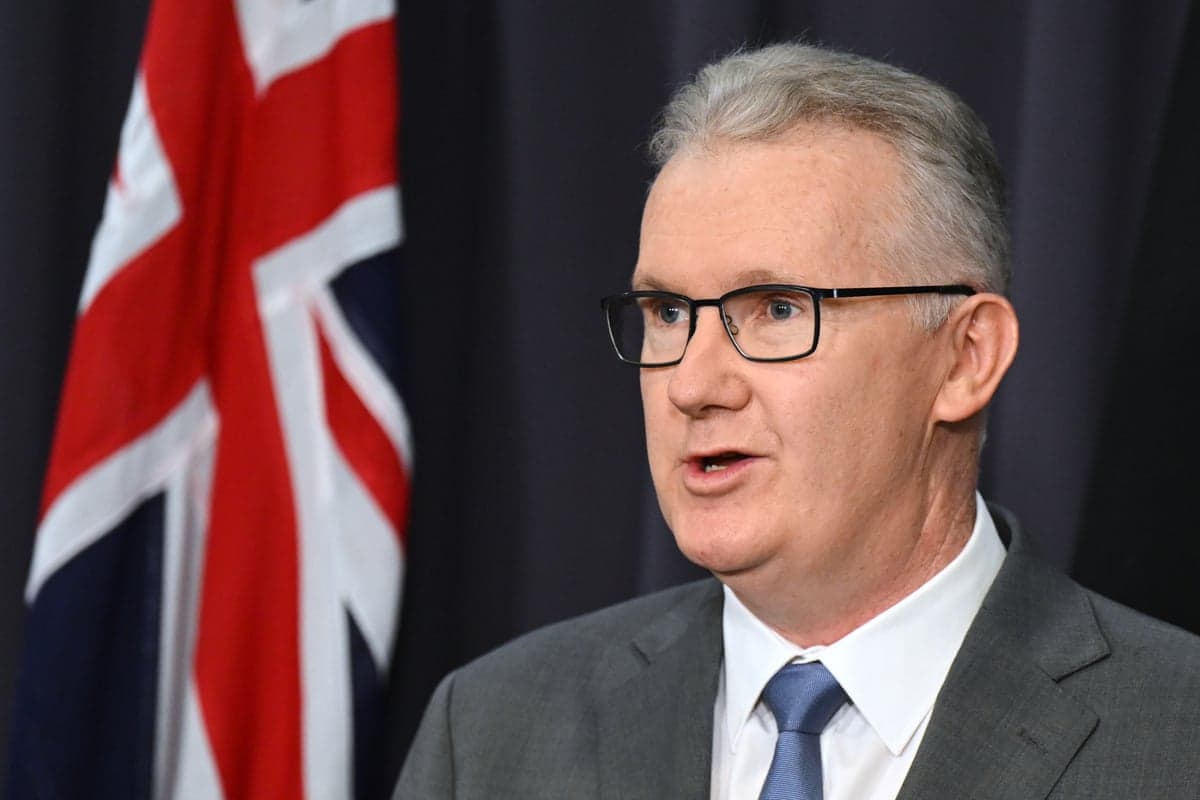
The situation remains fluid and unpredictable. On Friday, Federal Energy Minister Chris Bowen was optimistic; however, by Sunday, he acknowledged that six shipments to Australia had been cancelled this month due to a combination of factors involving countries such as Malaysia. He also confirmed that replacement supplies were being arranged.
Simultaneously, Bowen noted that Australia's onshore petrol supplies had increased despite rising demand and prices.
Government sources concede that supply shocks are likely to persist at varying levels for several months. In response, Prime Minister Anthony Albanese's cabinet is preparing for future crises.
The phrase "never waste a crisis" is reportedly circulating within government circles, suggesting that current turmoil could provide political cover for the cabinet to consider bolder reforms, such as imposing a windfall tax, which could generate billions in revenue.
The Coalition opposition has consistently criticized the government on issues of fuel security and shortages throughout the last parliamentary sitting period, frequently questioning oil supply, petrol prices, and the risk of fuel depletion.

Some Labor members expressed frustration that the government had not taken a more proactive stance earlier in the week, opting instead to reassure the public as it became evident that the US-Israeli conflict involving Iran would not resolve quickly.
The opposition believed they had an advantage on the final Thursday of the sitting period when Bowen described the fuel situation as a "crisis" during parliamentary questioning.
"Bowen and Albanese had been using that term for at least two days beforehand, but some in Labor had hoped the government would have been more forward-leaning as news bulletins filled with images of empty petrol bowsers and electronic price signs soaring above $2 a litre."
Following this, a series of announcements introduced task forces, crackdowns, tsars, and reviews.
Government Measures and Legislative Actions
Given the global supply squeeze, the federal government has limited options. Legislation is forthcoming to double the ACCC's maximum penalty from $50 million to $100 million for fuel suppliers engaging in misleading or deceptive conduct.
Other proposals include enhanced collaboration with state governments on distribution logistics and ensuring all government levels understand their regulatory powers.
One longer-term strategy under consideration involves leveraging Australia's substantial overseas gas exports—approximately 70% of produced natural gas is exported—to secure uninterrupted imports of oil and petrochemical products such as fertiliser and urea.
Using Australian gas, which is vital to several foreign nations, as leverage to guarantee oil product imports is an idea that may gain further traction.
Resources Minister Madeleine King recently stated she had discussed energy "interdependence" with Japan, South Korea, and Singapore—all countries from which Australia imports oil or diesel—and expressed confidence that supplies would continue.
The IEA's Executive Director, Fatih Birol, is scheduled to address the National Press Club on Monday, shortly after his agency recommended that Australia consider reducing air travel, car trips, and office attendance.
Across Asia, countries are implementing measures such as early holidays and shifting schools to online learning. It remains unclear whether Australia will adopt similar approaches, but with ACCC Chair Gina Cass-Gottlieb involved, some unconventional ideas are becoming more conceivable.
Upcoming International Engagements
European Commission President Ursula von der Leyen is visiting Australia this week amid significant global developments, likely bringing positive news including an anticipated, long-awaited trade agreement with Australia.
Von der Leyen is also scheduled to address the Australian Parliament, reportedly marking the first time a visiting female world leader has spoken to the House of Representatives.
Her address is expected to cover a range of pertinent topics given the current geopolitical and energy landscape.