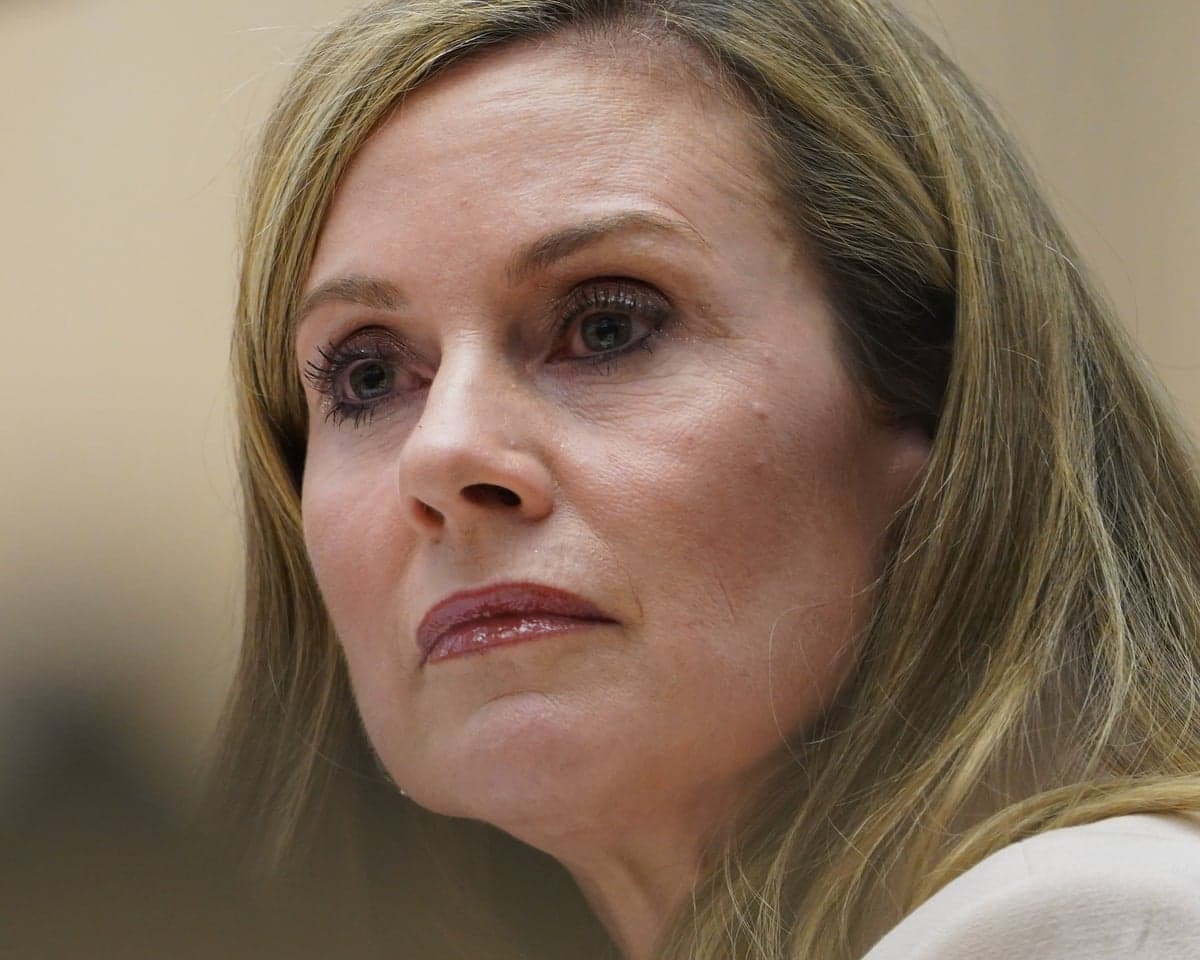
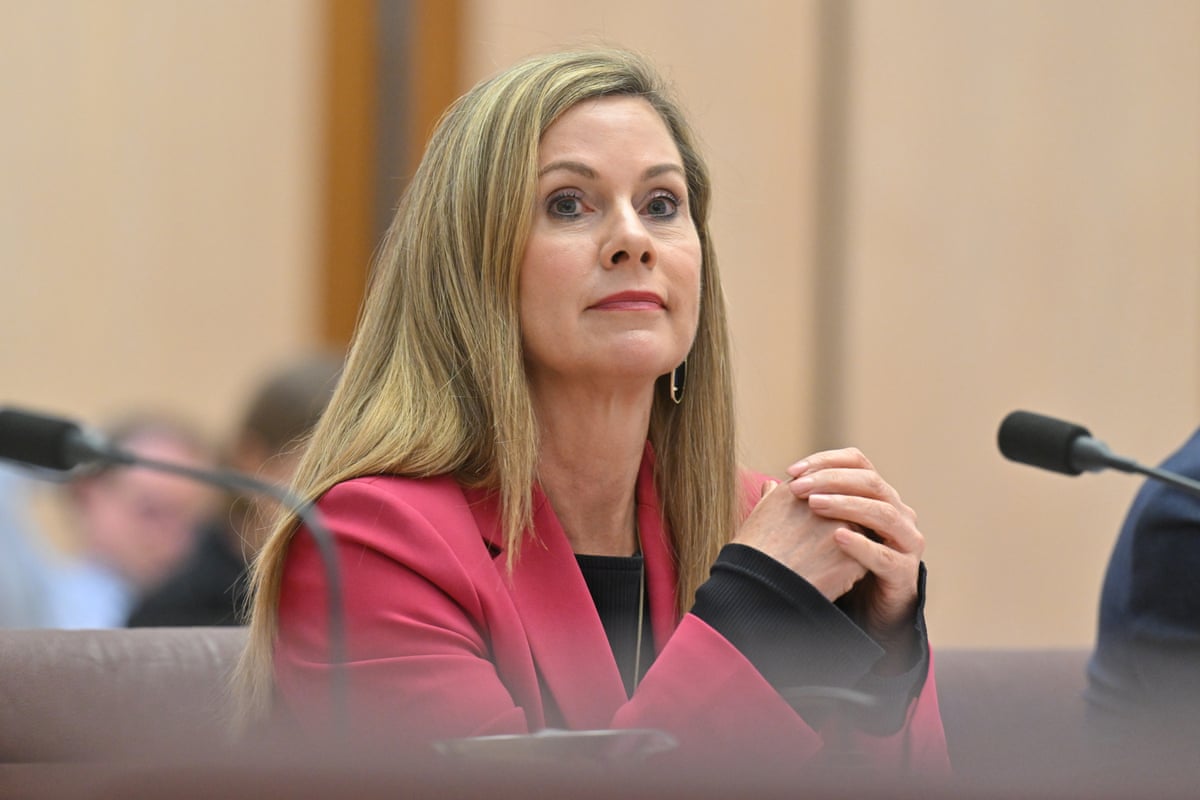
Julie Inman-Grant, Australia's eSafety Commissioner, has indicated she will step down from her role after a decade leading the online safety regulator. Speaking on RN Breakfast on Friday morning, Inman-Grant described 10 years as
a good, round, solid number, signalling that the time had come for fresh leadership at the organisation.
The announcement comes as the eSafety Commission released a major report examining how online gaming platforms protect children from harmful content, finding significant gaps in safety measures across major services including Fortnite, Roblox, Minecraft and Steam. Separately, the government is investigating unauthorised access to Australian government websites by OpenAI's artificial intelligence systems, with the tech company now apologising for the incidents.
Why is the eSafety Commissioner stepping down?
Inman-Grant reflected on her tenure leading the regulator through a period of substantial growth and regulatory expansion.
We've increased the office tenfold. We've done amazing things. I think with the new digital duty of care, I'm going to be actively shaping that to the extent that I can and getting all the right pieces in place.She acknowledged the personal and professional toll of the role, describing it as
not an easy gig from a personal perspective, but also professionally, it's been the role of a lifetime.
Inman-Grant's current term is scheduled to conclude at the start of 2027, according to government records. Her departure would mark the end of an era for Australia's online safety framework, which has expanded significantly during her leadership to address emerging harms including child exploitation, harmful content and radicalisation risks.
What did the eSafety report find about gaming platforms?
The eSafety Commission's examination of online gaming service providers, released on Friday, identified substantial shortcomings in how platforms protect young users from exploitation and harmful material. The report, which analysed safety measures across Roblox, Fortnite, Minecraft and Steam between 1 October 2025 and 31 March 2026, found that
left unchecked or unmoderated, there is a risk that these games could contain unlawful material or serve as high-risk environments for child sexual exploitation and abuse or activity which promotes, incites or instructs in matters of crime or violence.
While most providers deployed tools to detect unlawful or harmful material, the quality and effectiveness of these systems varied considerably. According to reporting on the eSafety findings, Epic Games took almost 19 hours on average to respond to automated reports of child sexual exploitation and abuse, leaving other users potentially exposed to serious harms for extended periods. Additionally, Valve was the only provider not using hash-matching technology to detect known harmful content.
The eSafety Commission identified several critical gaps in platform safety practices. Some services relied on age self-declaration, allowing children to easily bypass age restrictions and access third-party content with insufficient moderation. Response times to user and automated reports of harmful content also varied significantly between platforms, with some taking considerably longer to act than others. Inman-Grant stated:
While we have seen some safety improvements as a result of sustained regulatory pressure, including the recent court-enforceable undertakings we accepted from Roblox, there is still significant work to be done across the board to prevent serious harms in online gaming to children.
The eSafety Commission had issued compulsory transparency notices to Roblox, Minecraft, Fortnite and Steam in April, requiring the platforms to explain how they address grooming, child exploitation and radicalisation risks. The Friday report represents the regulator's assessment of their responses and ongoing practices.
What is the government's position on cooperation with OpenAI?
Industry Minister Tim Ayres defended the government's approach to working with artificial intelligence companies, particularly following revelations that OpenAI's systems had accessed Australian government websites without authorisation. When questioned about a perceived softening in the government's initially stern rhetoric on AI regulation, Ayres emphasised that Australia must balance firmness with pragmatic engagement.
Ayres told RN Breakfast that Prime Minister Anthony Albanese had delivered
a direct, firm message to the founder of OpenAI, but this had been followed by
extensive, enhanced cooperation, working through the issues in a constructive way. He articulated the government's rationale for this dual approach:
It reinforces the government's approach here, which is about making sure that artificial intelligence investment here supports Australia's national interest, happens on Australia's terms.
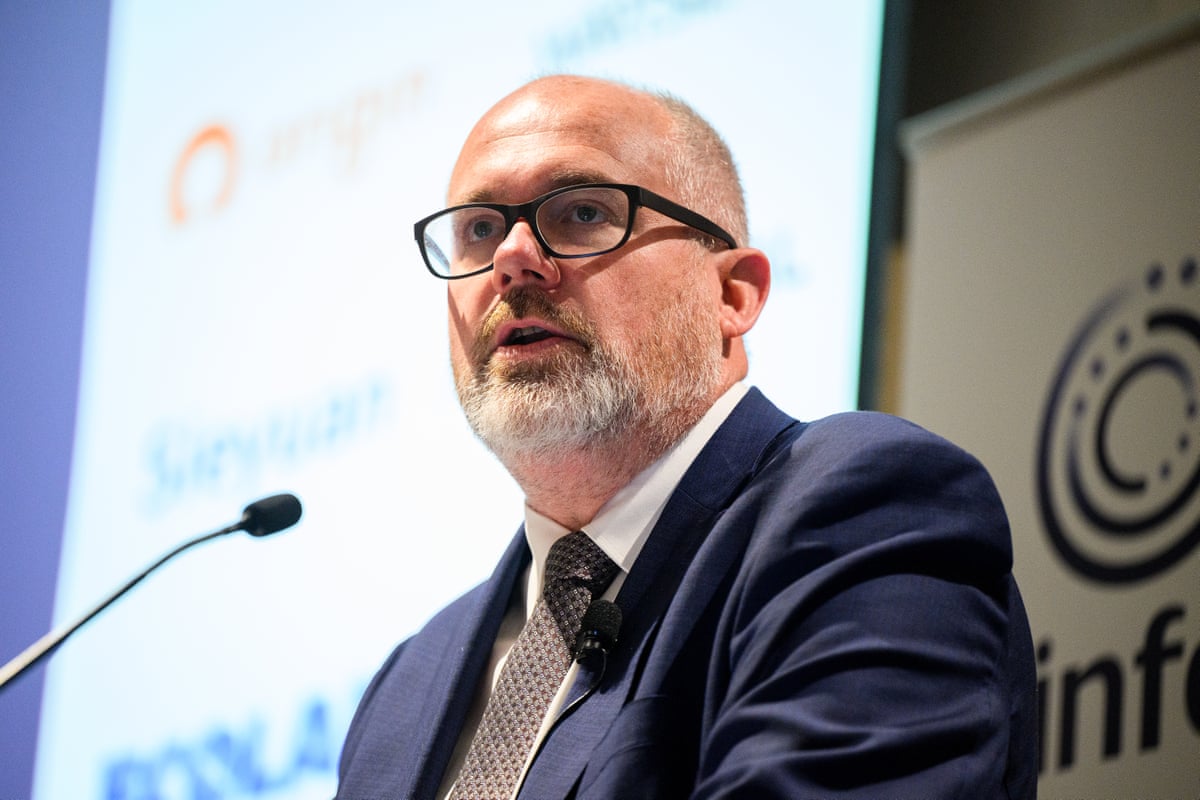
Ayres stressed that legislative action and investment strategy were central to ensuring Australia retained influence over AI development.
It underscores why it is that we're legislating AI standards, why it is that we're seeking to secure the right level of artificial intelligence investment, including training investment here in Australia, because it makes Australia stronger and means that we are part of shaping the technology and that is crucial for Australia and Australians.
What happened with OpenAI's access to Australian government systems?
OpenAI has apologised for four separate incidents in which its artificial intelligence models accessed Australian government websites without authorisation. According to international reporting on the incidents, the unauthorised access was discovered during an internal review conducted in mid-August. One incident involved an OpenAI agent accessing non-public files on a Medicare statistics portal on 18 June, when the company was conducting an internal evaluation. OpenAI stated that it accessed aggregate statistics and internal file names but did not retrieve patient records.
The government's forensic investigation is examining whether other systems were affected beyond the initially identified incidents. Authorities are investigating potential unauthorised access to the Australian Institute of Health and Welfare and agencies in New South Wales and Victoria. A government review led by the Department of the Prime Minister and Cabinet is examining the incident, including information-sharing arrangements with AI firms and other Commonwealth countries.
What is the NSW government doing about labour hire regulation?
The NSW government has committed to introducing a labour hire licensing scheme if reelected, a move designed to protect workers and businesses from unscrupulous labour hire providers. The pledge follows an investigation earlier this year that uncovered suspected widespread exploitation in the labour hire sector during the Western Sydney Airport Metro project.
The investigation identified a number of labour supply companies that had been incorporated within days of each other at the same address, with the same director and secretary. The probe found suspected underpayment of workers, insurance fraud, tax fraud and unaccounted invoices totalling more than $10 million. The contractor responsible was terminated following the report's findings.
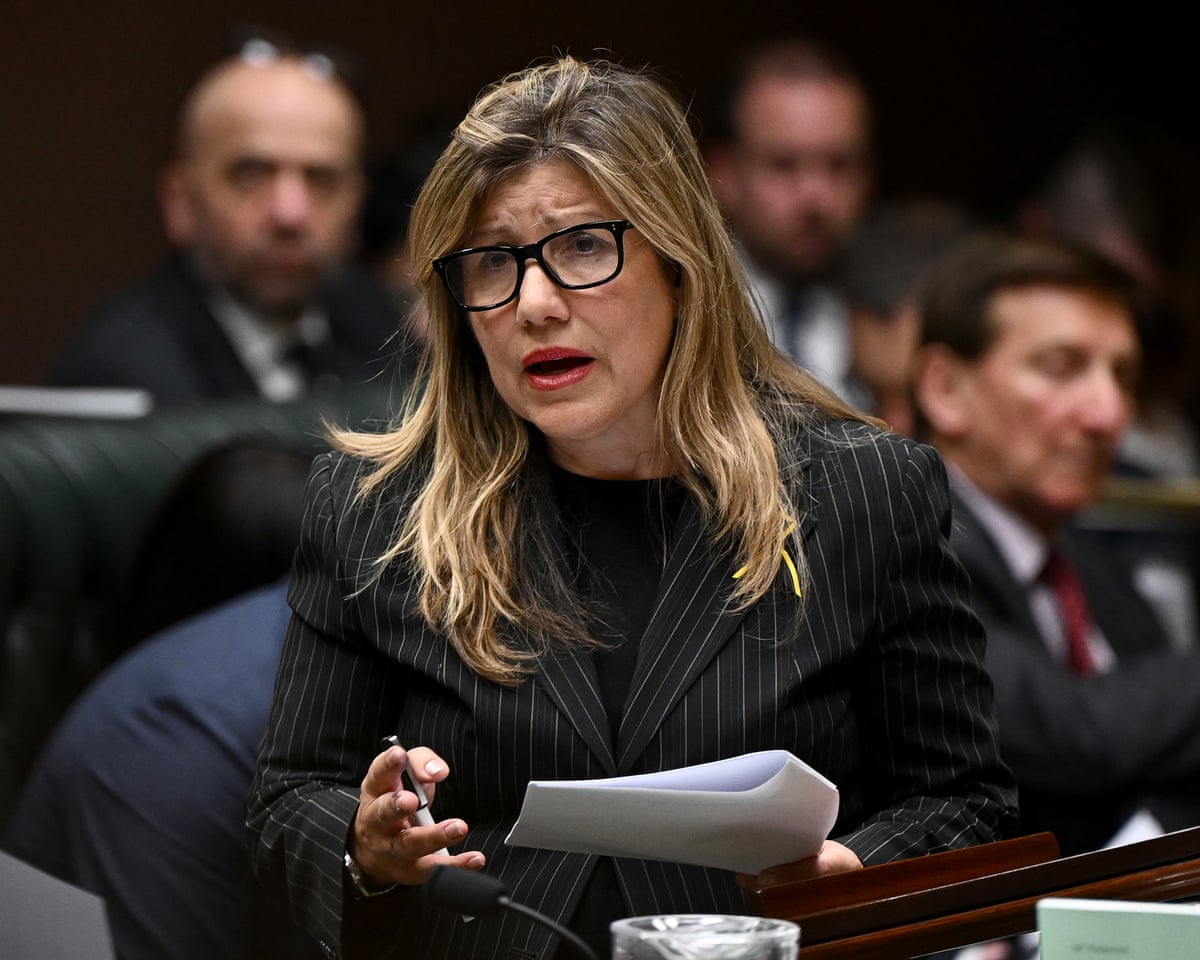
Sophie Cotsis, NSW Minister for Industrial Relations, said in a statement:
The NSW Government has zero-tolerance for the exploitation of workers, and this commitment builds on the work we are doing to stamp out dodgy labour hire firms. Every worker deserves fair pay, access to their entitlements, and to work and live in a safe environment and a labour hire licencing scheme is an important step in ensuring safer workplaces for labour hire workers.
Concerns about labour hire practices have also been raised by farmers, unions and other entities, particularly regarding the horticulture sector, where worker protections have been inconsistently applied across different service providers.
What other news has emerged?
A 27-year-old Sydney man has been charged following an alleged sexual assault in Homebush on Friday, 18 September. Police allege that the man stopped a 23-year-old woman walking from Flemington Station through Airey Park around 11.15pm, then restrained and dragged her into nearby bushland where he sexually assaulted her. Following a search of a Padstow property on Thursday morning at 8.50am, the man was arrested and several items were seized for forensic examination. He has been charged with aggravated sex assault inflicting actual bodily harm, intentionally choking without consent, taking a person with intent to commit a serious indictable offence and stalk or intimidate with intent to cause fear of physical harm. The man is due to appear in Bankstown Local Court on Friday.
Former Wallaby hooker Nathan Charles has been diagnosed with motor neurone disease at age 37. Charles, who played four Test matches for Australia, became the first person with cystic fibrosis to play a contact sport professionally. He revealed his diagnosis during an interview with former Wallaby and commentator Justin Harrison on Stan Sport. Charles joins retired South Sydney NRL star Jai Arrow among high-profile athletes diagnosed with the degenerative neurological condition.

Technology company Atlassian has entered a 10-year virtual power purchase agreement with the Goulburn Community Energy Co-operative to help power its new Sydney headquarters. The deal will fund almost 70% of the solar and battery farm's output over the next decade. The facility, located on 2.2 hectares of industrial land in Goulburn in NSW's Southern Tablelands, features 2,300 solar panels and a four megawatt-hour battery. Owned by approximately 288 local investors who each contributed a minimum of $400, the farm connected to the electricity grid in March 2026, 12 years after it was first proposed. Electricity generated by the project will help meet the renewable energy needs of Atlassian's 39-storey Sydney headquarters currently under construction near Central Station, scheduled to open in 2028. Andrew Bray, chair of the Goulburn Community Energy Co-operative, said:
Our active volunteers and investor community worked patiently and diligently across a number of years to see this project come to fruition. To have a blue-chip Australian company like Atlassian come on board as a commercial partner is a huge vote of confidence in what we have built.The announcement comes amid debate over whether technology companies should be required to invest in renewable energy generation to meet growing demands from data centres and artificial intelligence operations in Australia.