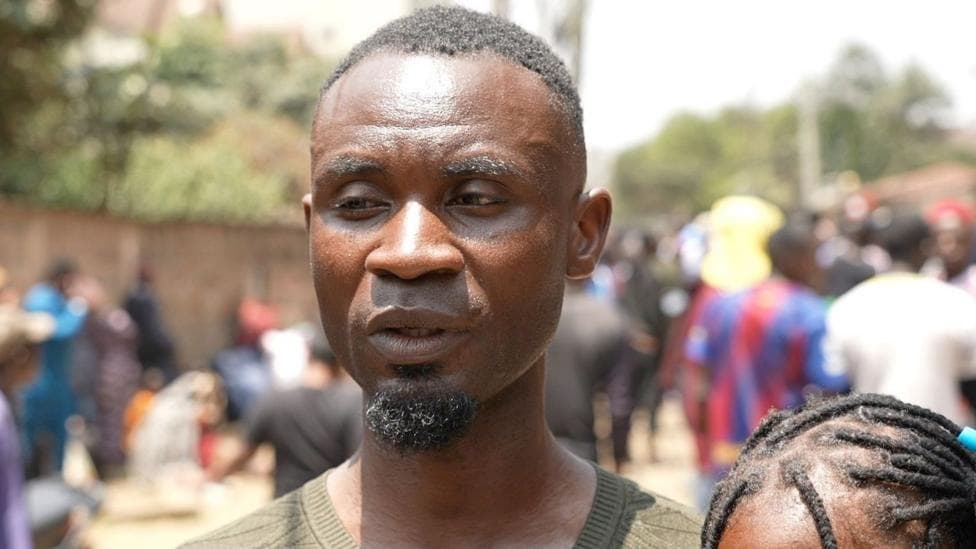
Ndaikech Ali, a Burundian tuk-tuk driver who has spent nine years navigating Nairobi's congested streets, once considered Kenya a welcoming refuge. That changed abruptly when President William Ruto announced a sweeping crackdown on foreign nationals engaged in small-scale commerce, prompting widespread panic, border crossings and the fracturing of families across the East African nation.
The directive, issued on 3 September during remarks to Kenyan traders at state house, gave all foreign nationals operating petty businesses until 7 September to cease operations. Ruto framed the policy as protecting employment opportunities reserved for Kenyans, citing proposed legislation that would exclude foreign nationals from certain trade sectors and mandate local sourcing of materials.
Ali's experience reflects the human toll of the announcement.
"Now they have turned against us,"he said, speaking at the Burundian embassy in Nairobi where crowds gathered seeking travel documents.
"The threats are many… even from children. It's like a dog has been set loose upon us. We have been bitten."
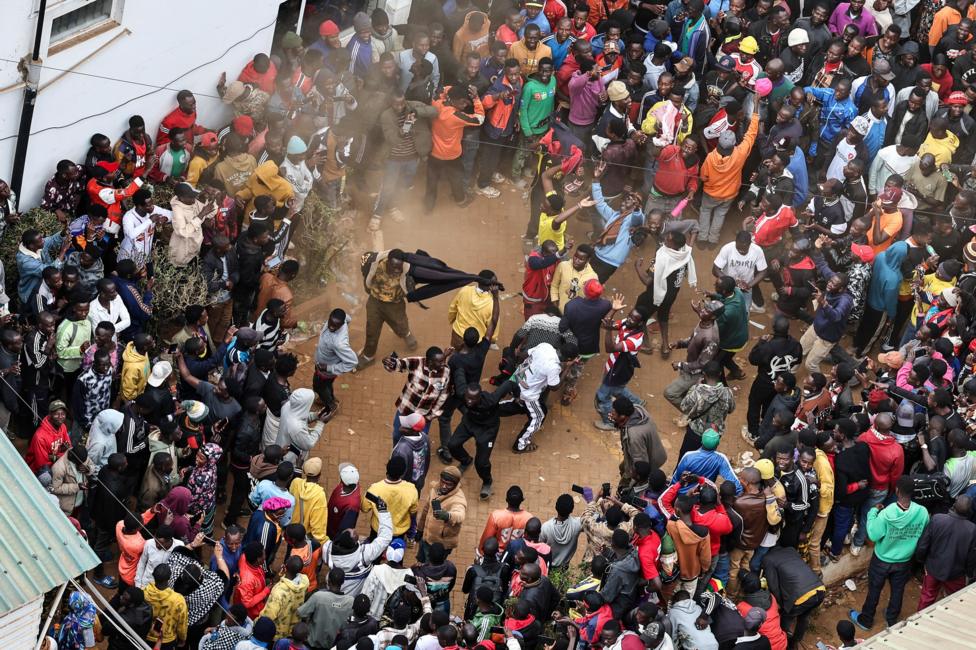
The initial shock of Ruto's remarks triggered an immediate interpretation among some Kenyans that foreign nationals were no longer welcome, despite the government's later insistence that the order targeted only those without proper documentation. According to , there were no signs of an actual enforcement sweep in Nairobi on Monday despite the order, yet fear had already taken hold.
Who Works in Kenya's Informal Economy?
Migrants from across the East African region—primarily from Burundi, Ethiopia and Eritrea—form a substantial portion of Kenya's informal workforce. In Nairobi and other major towns, they operate barber shops and salons, work in construction, drive motorbike taxis, and sell clothes, food and household goods from street stalls and kiosks. Some fled conflict or economic collapse at home; others sought better opportunities than their home countries offered.
Within the East African Community (EAC), a regional bloc of eight countries including both Burundi and Kenya, relative freedom of movement is permitted, though employment and long-term residence require permits. Kenya's legal framework also recognises the right of refugees to work and operate businesses, provided they obtain appropriate documentation.
What Happened to Families?
The announcement's ripple effects extended far beyond individual traders. Couples and families faced the prospect of forced separation, with some already divided by the time the dust settled.
A Burundian man identifying himself as Prosper, who has lived in Kenya since 2019 and fathered a child with a Kenyan woman, described the emotional devastation.
"When I heard the announcement, it was very painful because when I go, I'm forced to leave my family... and I love my family,"he told the BBC.
In Nairobi's low-income Majengo neighbourhood, Kenyan resident Grace Wamaitha watched her Burundian husband depart the day after the presidential directive. Left alone to support five children, she has taken on additional work washing clothes to make ends meet.
"Now he's gone, who will help me pay school fees? I don't know what to do. Let them come back,"she said.
Lima Kabura, another Nairobi resident whose husband is Tanzanian, expressed frustration at the hasty nature of the announcement.
"When they are forced out, I'm left with no work, no business and no husband,"she said, arguing that the government should have first identified those in the country illegally before issuing blanket directives.
How Did the International Community Respond?
The crackdown triggered a diplomatic incident. Burundi's foreign affairs minister warned that
"hate speech against Burundi"could have repercussions for Kenyans abroad. The Kenyan government moved quickly to contain the fallout, with foreign affairs official Korir Sing'Oei visiting the Burundian embassy to apologise and assure nationals of protection from violence.

Filmon Eyob, a coordinator within Nairobi's Eritrean community, confirmed that concerns about the order being used as a pretext for harassment were widespread. He reported that some Eritreans and Ethiopians had closed their businesses and remained home as a precaution during the week following the announcement.
What Did Officials Later Clarify?
Facing mounting criticism, the Kenyan government issued a series of clarifications that substantially softened the original ultimatum. According to the Standard Media, authorities granted affected foreign small-scale traders a 90-day window to regularise their immigration status, work permits, business registration and licensing instead of facing immediate shutdown. During this registration period, those undergoing the process are presumed to be living legally in Kenya.
Officials stated that the crackdown was not a blanket ban and that foreigners holding valid permits and licences could continue operating legally. According to , the trade ministry applied the order specifically to foreigners operating without work permits, with an administration spokesperson pledging
"absolute zero tolerance"for harassment, intimidation or xenophobia. The government's clarification emphasised that undocumented East African Community nationals were being given a formal registration window to regularise their status.
Why Did the President's Initial Message Backfire?
Academic Hesbon Owilla explained to the BBC that Ruto's comments were bound to be misinterpreted, particularly among those lacking proper documentation. While Owilla acknowledged that the proposed policy aligns with Kenya's interests and global migration protocols, he argued the communication should have been more diplomatic.
"For those not in the audience, people interpreted the president's words as saying: 'We are kicking these guys out.'"
Critics contended that Ruto's remarks represented a populist move risking xenophobia, though the government denied this characterisation. The president's approach extended beyond small-scale traders: a day after the initial announcement, he ordered India's Tata Chemicals to leave Kenya, claiming the company had not delivered sufficient benefits to the local Maasai community in Kajiado county.
Tata has mined soda ash for years at Lake Magadi, a vast expanse often covered by whitish salt crust. The lake's extreme briny environment sustains algae blooms that attract flamboyances of pink flamingos thriving in the area. Mining operations began there in 1911 under a British colonial arrangement that remained largely unchanged despite long-running land and resource disputes between the company, its predecessors, the community and the government.
What Do Economists Say About the Policy?
Economist Odhiambo Ramogi argued that restricting foreign nationals from businesses was too broad and required refinement. He noted that Kenya hosts hundreds of thousands of refugees and other migrants, predominantly from the EAC region, alongside international investors. Ramogi suggested Ruto's intention appeared to extend beyond simply protecting jobs for Kenyans.
Ramogi pointed out that Kenya earned $56 million in exports to Burundi in the previous year, and the country would benefit from allowing competition.
"Locking out aliens simply means you don't want a competitive economy that gets to grow a lot faster,"he said.
"Now, if you got $56m out of a country, why are you worried about a hawker who's just trying to make, say, $200 in a month? It absolutely makes no sense what the president has done."
Ramogi warned that Kenya ultimately stands to lose when citizens of neighbouring countries are targeted, undermining regional economic relationships and competitiveness.
How Has Public Opinion Shifted?
Ruto's remarks prompted a wave of support for foreign nationals from civil society groups and ordinary Kenyans who criticised his approach. Facing backlash ahead of next year's re-election campaign, the president sought to counter the criticism.
"Kenya will remain an open, secure and welcoming country, protecting opportunities for its citizens, safeguarding the rights of all persons lawfully within its borders,"his spokesman stated.
"Kenya's commitment to the East African Community of the African continent remains firm."
What Happens Next?
The 90-day regularisation period represents a critical juncture for affected traders. After this window closes, immigration, work permit, registration and licensing rules are to be enforced strictly. Proposed legislation is expected to be fast-tracked to limit foreigners from certain trade sectors, formalising restrictions that Ruto's initial announcement attempted to impose immediately.
For now, the combination of government clarifications and the extended registration timeline has provided some relief to migrant communities, though the underlying tension between protecting local employment and maintaining Kenya's regional standing remains unresolved.