

Families of children living with spinal muscular atrophy (SMA) say Wales risks falling behind the rest of the UK after England confirmed it will introduce routine newborn screening for the rare genetic condition, with Scotland set to trial a similar programme. No such screening is planned in Wales or Northern Ireland, leaving parents there reliant on clinical suspicion rather than a standard blood test to catch the disease early.
The announcement follows sustained campaigning, including a high-profile push by former Little Mix singer Jesy Nelson, whose twin daughters were diagnosed with the condition. Warren Davies, whose three-year-old daughter Ophelia-May has SMA type 2, said the Welsh government's inaction felt like it was:
"playing God because they have the opportunity to effect change and are choosing not to"
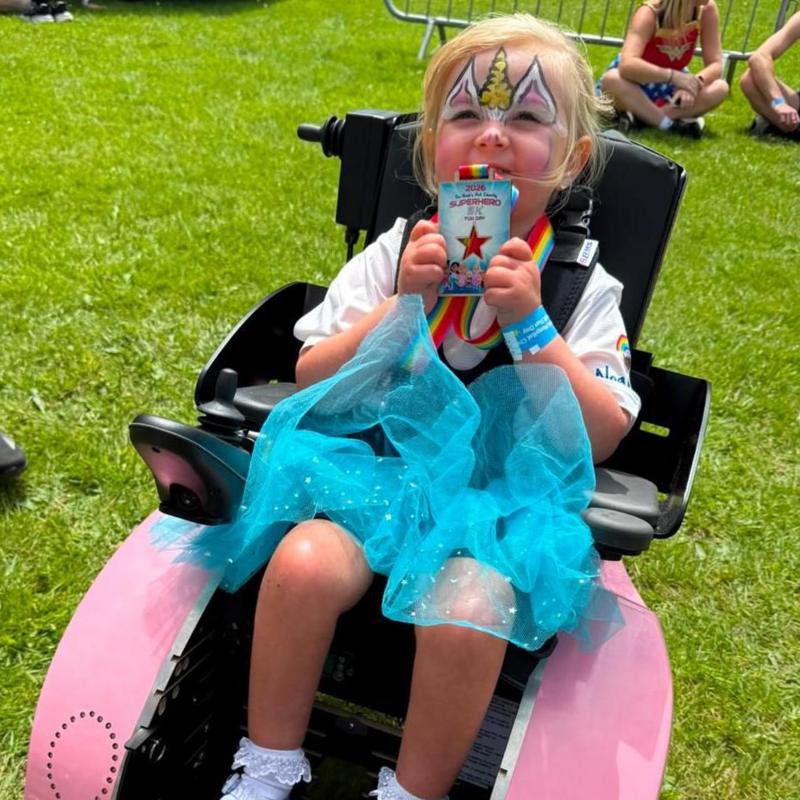
What is spinal muscular atrophy and how is it diagnosed?
SMA is a progressive condition that weakens muscles over time. It has no cure, though medicines and other treatments can help manage symptoms, and life expectancy varies widely depending on the type and severity a person has. Most forms of the disease occur when a child inherits an altered gene from both parents, and a diagnosis is confirmed through a blood test.
Currently the standard NHS newborn heel-prick blood spot test screens infants for ten other conditions, but SMA is not among them, according to a national broadcaster's report. Campaigners argue that adding SMA to that panel would allow treatment to begin before irreversible muscle damage sets in.
How did Ophelia-May's diagnosis unfold?
Ophelia-May was born in Hirwaun, Rhondda Cynon Taf, in September 2022 following what her father described as a straightforward, healthy birth. By around six months old, her parents Warren and Rhiannon noticed she was losing neck strength and struggling to feed properly, but say they were repeatedly reassured she would develop normally in time.
"The message we had all the time was 'she will catch up at some point'"
It was only after the couple pushed her paediatrician for a second opinion that Ophelia-May was referred to Noah's Ark Children's Hospital in Cardiff, where clinicians ordered an urgent SMA blood test. She was diagnosed in February 2025, when she was nearly two-and-a-half years old.
"It was a late diagnosis, she was nearly two-and-a-half"
Warren, 36, who works in children's social services, said the delay likely affected how well treatment could work for his daughter.
"Data shows, if they are diagnosed at an earlier stage, medication outcomes are greater."
Following nine days of hospital tests, Ophelia-May began a daily oral medication designed to protect her remaining muscle cells from further deterioration.
"So if she started that medication earlier, she might not have lost muscle function"
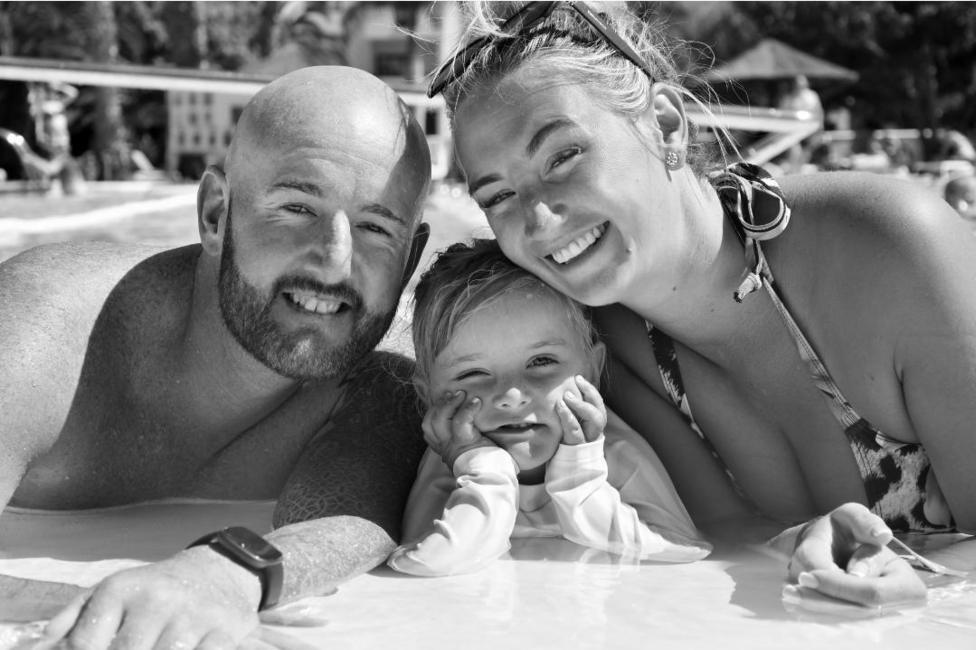
Why are families angry with the Welsh government?
Since their daughter's diagnosis, Warren and Rhiannon have joined hundreds of other UK families lobbying for SMA to be added to the newborn blood spot test nationwide. Warren said the family wanted their experience to spare others the same delay.
"We cannot change Ophelia's story or life, but we can use Ophelia's case to effect change for other families"
He said Welsh ministers had made no effort to engage directly with affected families.
"We have had nothing from the Welsh government. Not one person in government has thought 'let's go and speak to these families'."
"The government is there to support us and support Wales, and they're not. We've been let down."
Warren also questioned why it took a celebrity's intervention to force change.
"There are hundreds of families [affected] in the UK and it had to take Jesy Nelson's celebrity status to escalate things."
"That left a sour taste in a lot of people's mouths... it's disheartening that a first-world country has to have that. Why is that the case?"

How has Jesy Nelson's campaign changed policy in England?
Nelson has spoken publicly since learning her twin daughters, Ocean Jade and Story Monroe, had been diagnosed with SMA, at one point saying doctors told her the girls would "probably never walk". Earlier this year she released a documentary about their diagnosis, and she has previously criticised MPs over what she called a postcode lottery in screening access, according to our earlier coverage of her campaign.

Her sustained pressure, backed by a petition that gathered more than 100,000 signatures and supported by the charity SMA UK, has now produced concrete results in England, according to GB News. Nelson called the announcement of routine testing in England:
"a victory"
and, according to a national broadcaster's report, she went further, describing it as a "victory for every family" affected by SMA and calling it a "day of hope". The England programme, led by researchers at the University of Oxford, is expected to screen hundreds of thousands of babies using the existing heel-prick blood sample already taken shortly after birth, the same report states.
What about Dani-Rae Brown's story?
Dani-Rae Brown, from Blackwood in Caerphilly county, began showing symptoms of SMA at seven months old and was diagnosed at age one. Her father, Charlie, believes an earlier diagnosis could have given her a realistic chance of walking, after seeing significant improvement following a one-off gene therapy infusion she received in Bristol.
"The treatment really does work"
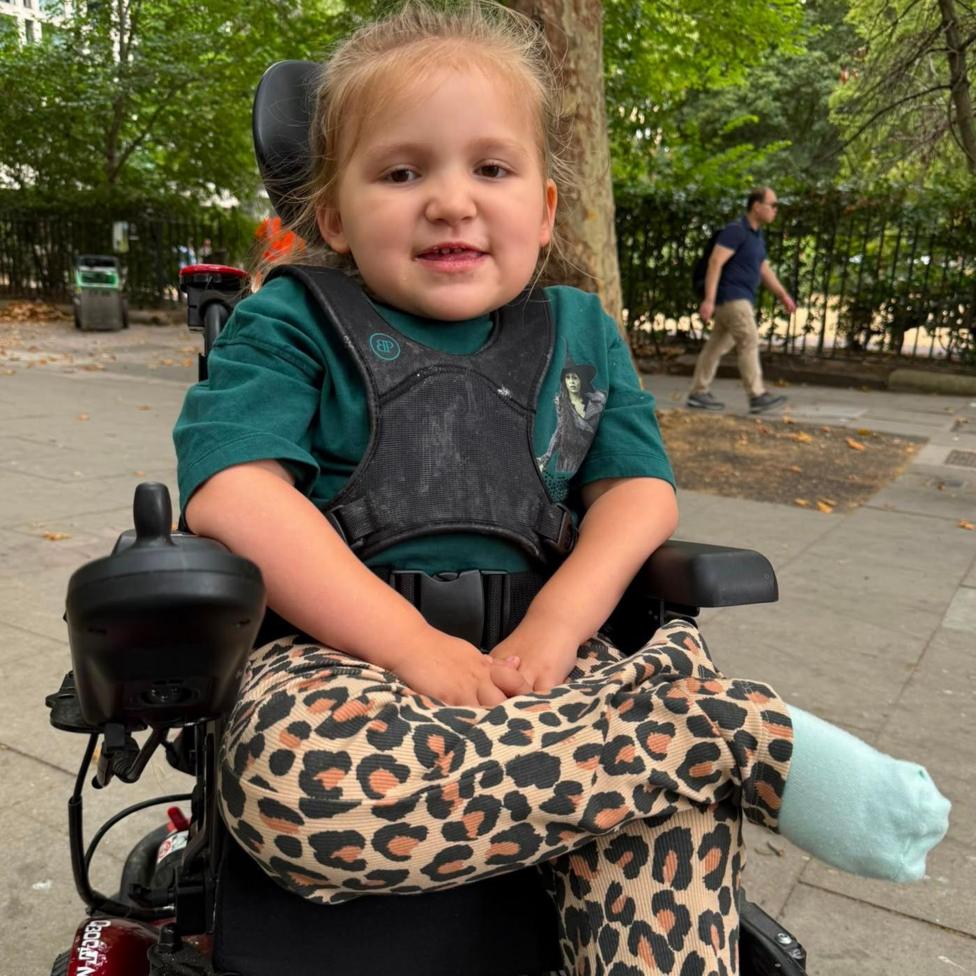
Charlie, 29, welcomed the decision to introduce screening in England and Scotland, though he says the delay in Wales leaves him conflicted.
"But I'm sad and jealous for Wales"
He suggested the new programmes could eventually produce a "last generation" of children in those nations who have to live with the mobility, breathing and eating difficulties SMA can cause, and argued Wales has no excuse to lag behind.
"It's just silly, when you can see the evidence. Getting the treatment at the right stage is very important to children's development."
"Wales should not be left behind. We should not have any more children being symptomatic. We have the ability to stop it in its tracks before it even starts."
Charlie also reflected on the role celebrity involvement played in driving change, calling it "bittersweet" that it took "a celebrity having a child with SMA to get to where we are", adding he believes similar star power may ultimately be what is needed to shift policy in Wales.
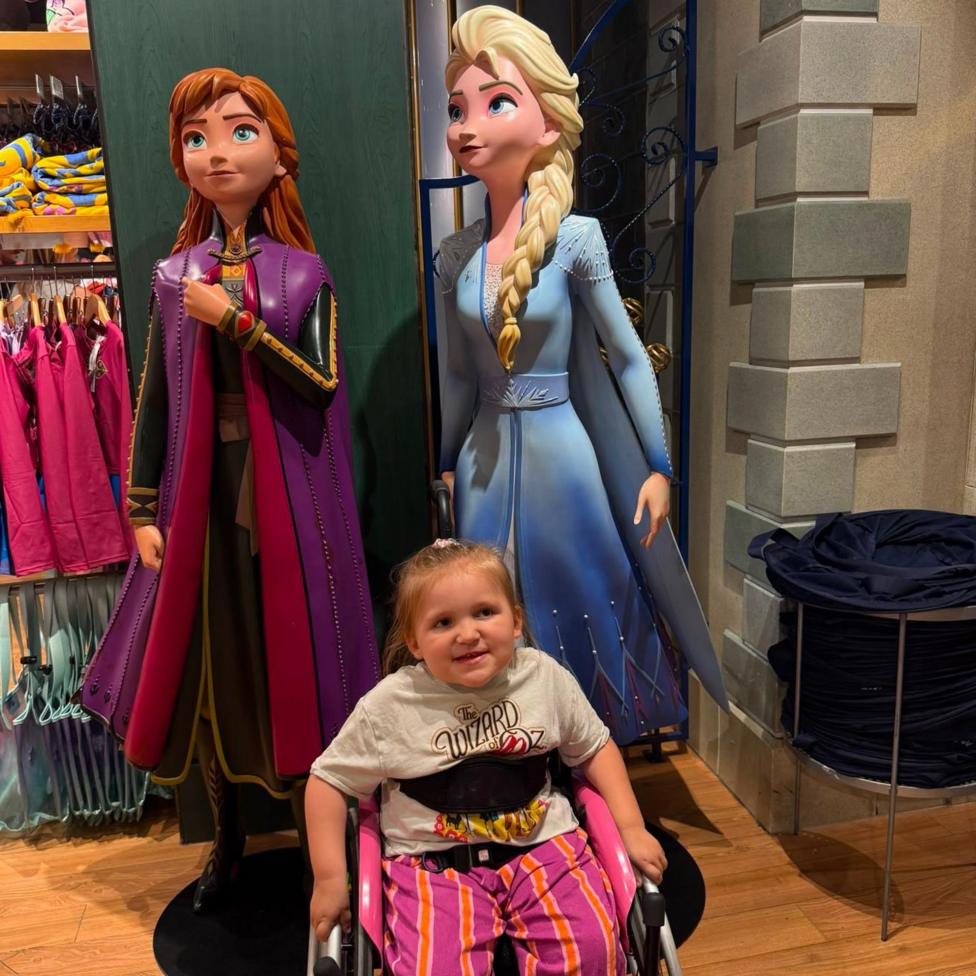
What support are families providing themselves?
With NHS provision limited, Warren and Rhiannon have turned to fundraising to pay for private physiotherapy and hydrotherapy sessions for Ophelia-May. Warren said he recognises the pressures facing the health service but described the current level of state-funded therapy as inadequate.
He said Ophelia-May receives just one 45-minute NHS physiotherapy session per month, calling that "absurd" given her needs. Rhiannon, meanwhile, is training to become a paediatric nurse, a path she says was inspired directly by caring for her daughter.
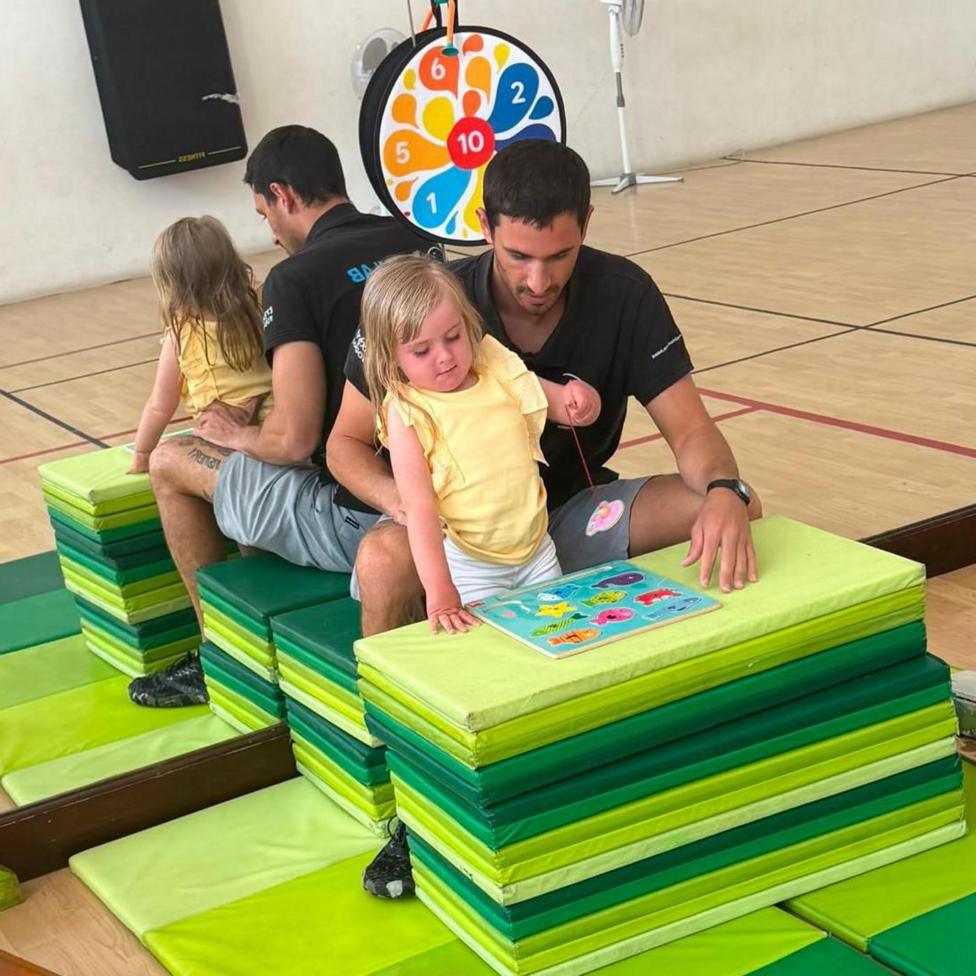
Ophelia-May, who predominantly uses a wheelchair and has needed adaptations at home, remains upbeat despite her condition, according to her father.
"There's a lot of things she can't do, which hinders her... but she knows no different. She is so positive, happy and jovial"
"As parents, the initial shock was devastating, but we are now seeing Ophelia flourish."
What has the Welsh government said?
A Welsh government spokesperson described SMA as "a devastating diagnosis" and encouraged any parent or carer concerned about their child's development to raise it with a GP or health visitor. Officials said the decision not to introduce screening reflects current guidance from the UK National Screening Committee, which has not recommended routine newborn testing for the condition.
"The in-service evaluation in England will help inform a recommendation from the UK NSC whether screening for SMA should be included as part of the newborn blood spot screening programmes across the UK."
"If the advice changes, we will of course consider any future recommendations from the committee."
What happens next?
According to a national broadcaster's report, babies across most of England are due to begin being screened for SMA from October 2026, with a full expansion of the programme planned by October 2027. The rollout forms part of the Oxford-led study that the UK National Screening Committee will use to decide whether SMA testing should ultimately become a permanent, UK-wide part of the newborn blood spot programme, potentially affecting future policy in Wales, Scotland and Northern Ireland alike.
Key Facts
- England will begin newborn SMA screening from October 2026, expanding fully by October 2027, led by a University of Oxford study.
- Scotland is already trialling routine SMA screening; Wales and Northern Ireland currently have no such programme.
- Ophelia-May Davies, three, was diagnosed with SMA type 2 in February 2025 at nearly two-and-a-half years old, after her parents pushed for a second opinion.
- Dani-Rae Brown, four, from Blackwood, received gene therapy in Bristol after being diagnosed with SMA at age one.
- A petition backing routine SMA screening gathered more than 100,000 signatures amid campaigning led by Jesy Nelson.


