

Accelerating Brain Drug Discovery with AI
Scientists are leveraging artificial intelligence to speed up the search for treatments for neurological disorders that may already exist within approved drugs.
At the UK Dementia Research Institute in Edinburgh, researchers analyse diverse patient data such as voice recordings and eye scans, alongside lab-grown brain cells, to determine whether existing medications could be repurposed for conditions like motor neurone disease (MND).
By employing algorithms to detect disease patterns and predict effective drugs, the team aims to discover treatments in "years rather than decades."
Researchers hope this approach will shorten the traditionally lengthy drug development process.
Patient Perspective: Steven Barrett's Experience
Steven Barrett, diagnosed with MND a decade ago, shares his perspective as a trial participant.
Having planned an active retirement after a distinguished civil service career, Steven first noticed numbness in his leg before receiving his diagnosis of MND, a progressive neurological disease without a current cure.
"MND is a horrible disease, it strips you of who you are,"
he said at his home in Alloa, Scotland.
"It rips any sense of future that you may feel that you had planned for yourself - all that goes."
Steven's family was also unprepared for the diagnosis, as he showed photos from his work, social events, and his son's wedding.
He regards clinical trials as a "bright light" of hope for himself and others affected by MND or similar conditions.
One such study, MND-SMART, tests multiple drugs simultaneously rather than comparing a treatment group to a placebo group.
"For me the research is much more than taking a tablet - it's taking a tablet with the intention of delivering outcomes, that may or may not help me but help others,"
Steven explained.
Comprehensive Data Collection and AI Analysis
The Institute is compiling a database of individuals with neurological conditions including Parkinson's, Dementia, and MND.
Clinicians collect iris scans, voice recordings, and apply AI to analyze extensive datasets to detect subtle changes that might indicate early disease progression.
Blood samples from volunteers are used to cultivate stem cells into neurons in the laboratory.
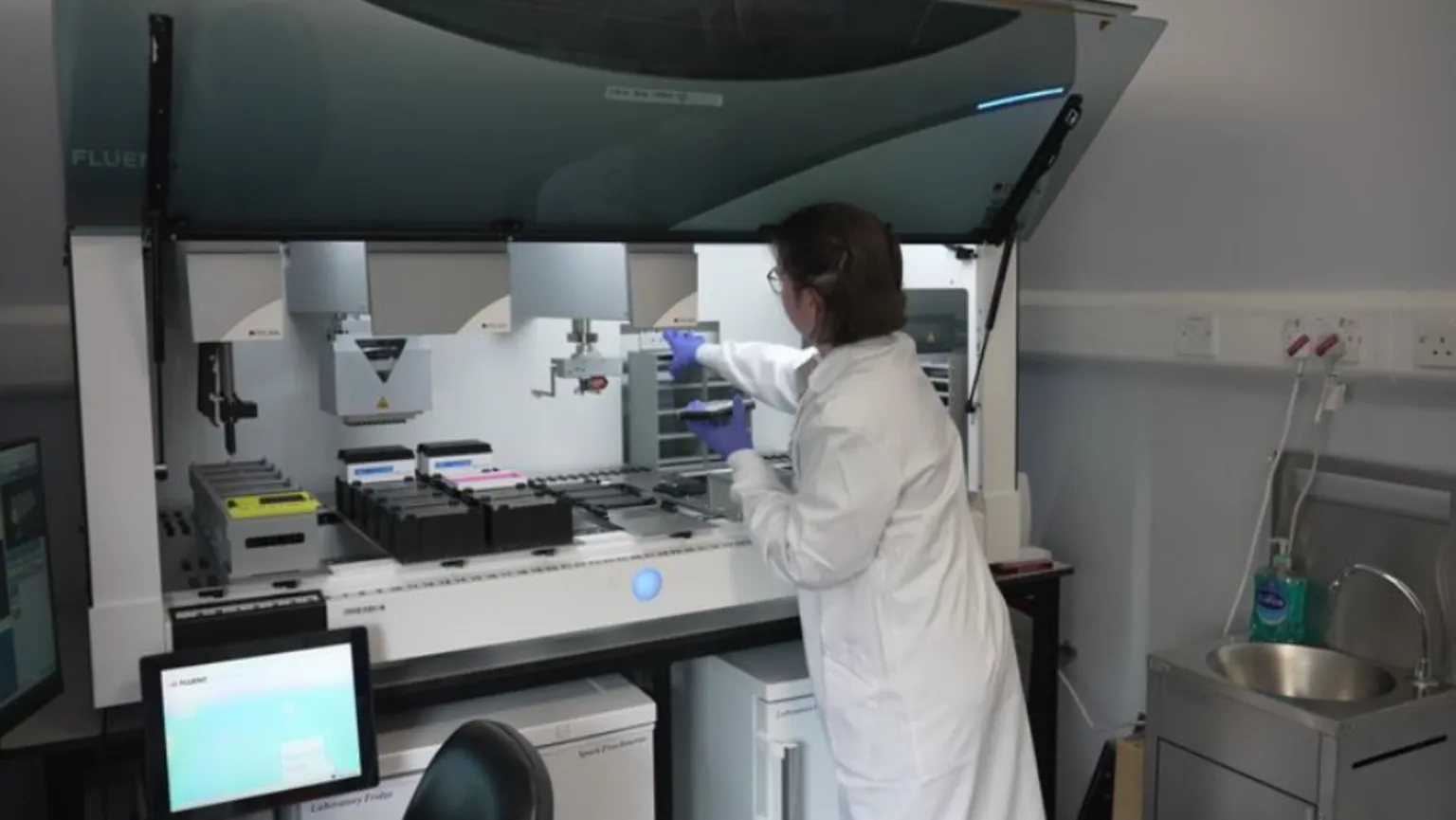
Existing drugs are then tested on these neurons using a combination of robotic systems, conventional laboratory equipment, and computer algorithms designed for this purpose.

Machine learning models have been trained to identify drugs capable of transforming the disease signature in neurons into a healthy state.
Drugs identified by AI as promising candidates can subsequently enter clinical trials involving patients like Steven.
Unleashing AI in Neurological Drug Discovery
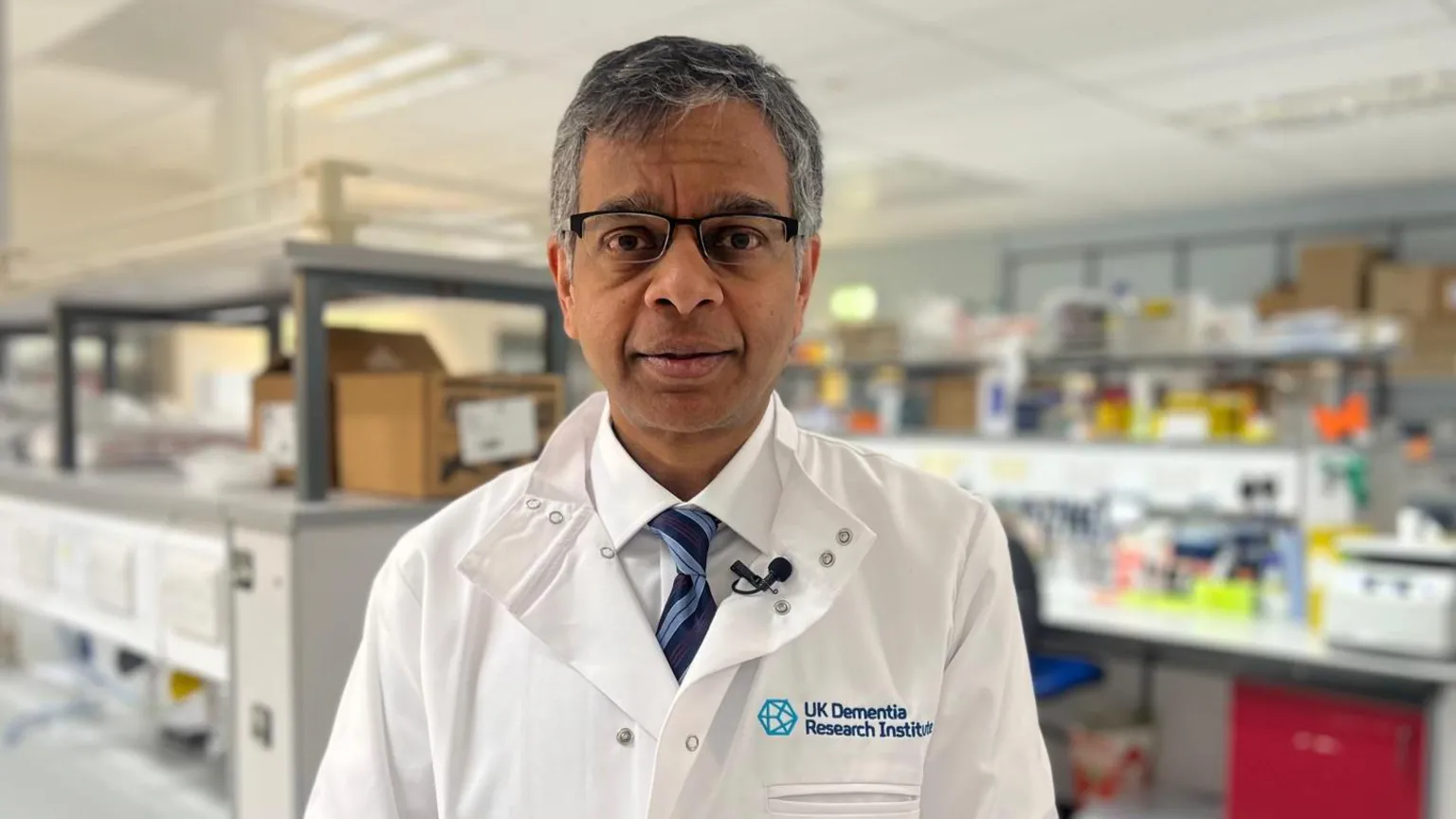
Approximately 1,500 drugs have been developed and approved for various conditions, but according to Prof Siddarthan Chandran, chief executive of the UK Dementia Research Institute, some of these may also be effective for brain disorders without current recognition.
"The brain is the most complicated organ in the body, so we've got to contend with the paradox of that complexity,"
he told the BBC, noting that until recently, research methods were less advanced.
"A combination of AI and new technologies mean we can now do things which would have been unbelievable when I was at medical school."
Repurposing approved drugs can be more straightforward than developing new compounds from scratch, which often takes over a decade to reach the market.
Prof Chandran and his team believe their approach could deliver affordable and effective treatments for neurological diseases much sooner.
Global AI Efforts in Drug Discovery
This research aligns with broader efforts worldwide to utilize AI in uncovering potential treatments hidden within large medical datasets.
At the Massachusetts Institute of Technology in Cambridge, US, scientists have employed generative AI to discover novel antibiotic compounds potentially effective against superbugs such as gonorrhoea and diseases like Parkinson's.
In 2024, researchers at Harvard University developed a neural network model named TxGNN to identify existing drugs that could treat rare diseases.
Challenges and Controversies in Neurological Drug Research
Despite advances, setbacks remain in the field.
A recent review of drugs lecanemab and donanemab, once considered breakthrough treatments for Alzheimer's disease, found that although they slow disease progression, the effect was not significant enough to meaningfully improve patient outcomes.
The review analyzed 17 studies involving 20,342 volunteers, focusing on drugs that remove amyloid, a misfolded protein associated with Alzheimer's, from the brain.
The conclusions sparked criticism from other scientists.
Nevertheless, Prof Chandran remains optimistic about the future.
"We're at the tipping point of change"
he said, referring to advances in neurological research and understanding.

Readers can for the Tech Decoded newsletter to receive updates on leading technology news and trends worldwide.


