Missed Diagnosis of Heart Defect in Baby Esme
The parents of a five-year-old girl born with holes in her heart have emphasized the critical importance of prenatal diagnosis after multiple scans failed to detect her condition.
Emily Bowen and Mathew Mariani experienced their concerns being dismissed, only to discover that their daughter Esme had a serious heart defect requiring surgery.
The couple, from Hendy in Carmarthenshire, have since raised thousands of pounds for the British Heart Foundation (BHF), which described Esme's surgery as "life-saving".
Hywel Dda and Swansea Bay health boards, responsible for her care, expressed regret over the family's experience and welcomed direct discussions to address their concerns.
Concerns During Pregnancy
Emily, 33, and Mathew, 38, noticed signs during pregnancy that something was wrong, including an ectopic heartbeat. However, these concerns were dismissed and attributed to external factors such as caffeine intake or stress.
"I just had a funny feeling something wasn't right because when the pram arrived, I didn't want to take the tags off. I was like 'what if we need to take it back?' and everyone was like, 'you're 30 weeks, why are you being silly?'"
Birth and Early Signs
Esme was born on New Year's Day 2021, one week before her due date, and initially appeared healthy. The family was kept in hospital over the weekend for an electrocardiogram (ECG), after which they were discharged.
A subsequent heart scan a few days later did not reveal any issues.
As first-time parents, Emily and Mathew were uncertain about what to expect. However, when Esme began vomiting during feeding at one week old, Emily sought medical help.
"I was crying, I was in bits," she said. "But I got told 'you're hormonal, you're a new mother, everything's fine'."
The following day, significant warning signs appeared, including recessive breathing and a high heart rate.
"I'm just grateful the doctor took action when he did because I think if we hadn't rang when we did or we hadn't been taken seriously, she might not have been here today."
Hospital Admission and Diagnosis
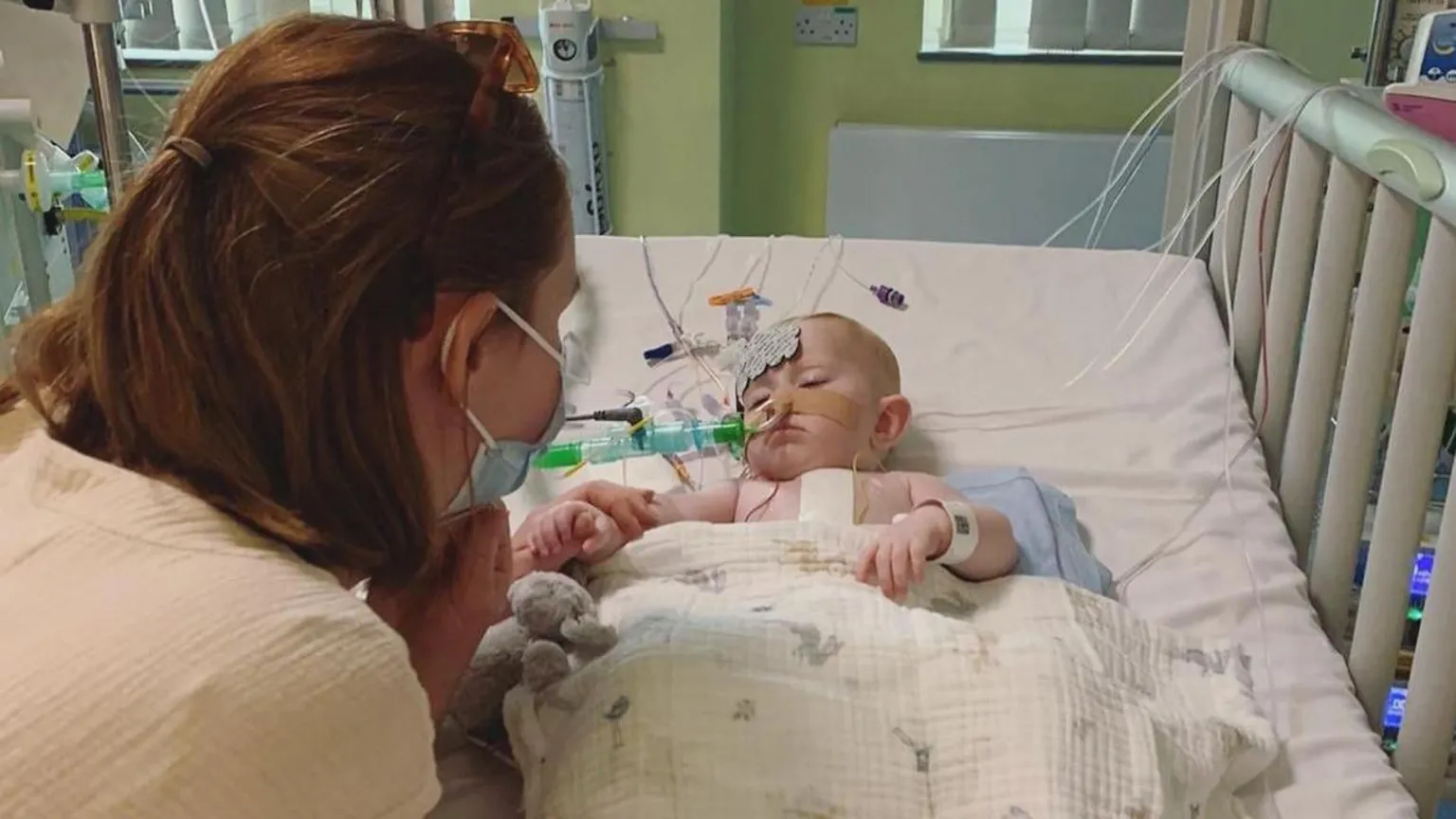
Esme was admitted to the paediatric assessment unit, where staff initially suspected an infection, likely Covid or another respiratory illness.
"We got put on a Covid ward, into a high dependency unit... we thought she'd had Covid - we'd just come out of the second lockdown and it was bigger circles [of people meeting] at that point, so the chances of getting it were higher."
During this admission, Esme underwent her first echocardiogram and was diagnosed with Atrioventricular Septal Defect (AVSD), a condition involving large holes between the heart's chambers and a single shared valve instead of two.
Emily stated that the family was never informed why prenatal scans failed to detect the condition, although they know of other families who received prenatal AVSD diagnoses.
"Nobody picked it up, I was having extra scans, extra checks," she said. "We were flabbergasted really that we, both as healthy adults and relatively young parents, would have a poorly child."
She added that AVSD is more common among children with Down’s syndrome, but Esme did not have this condition.
As Covid restrictions were still in place, the situation was further complicated.

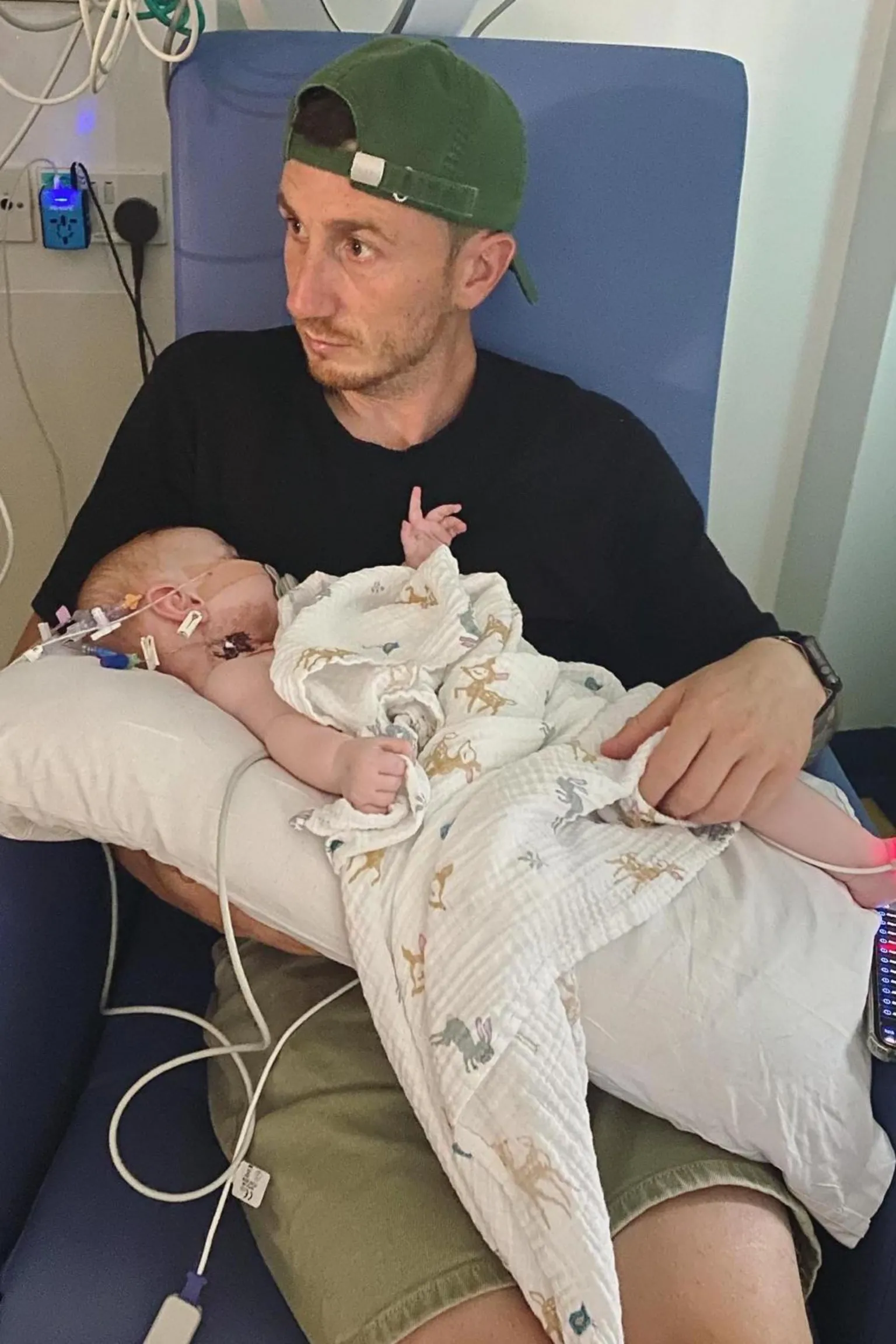
"It was one in, one out. They wouldn't let us on the ward together. I was staying in Cardiff with her, so Mathew had to come on his own to visit and I'd have to go somewhere else. Everything was shut, so... me and my mother would sit in the car while he spent time with her."
Ongoing Care and Surgery
After Esme was discharged in February, the family faced frequent hospital visits. A major focus was helping Esme gain sufficient weight to qualify for surgery.
Emily explained that Esme's heart was enlarged and working hard, which made it difficult for her to retain food.
"Because her heart was working so hard and was enlarged she couldn't hold down much,"she said, adding that Esme was tube-fed high-calorie formula during this period.
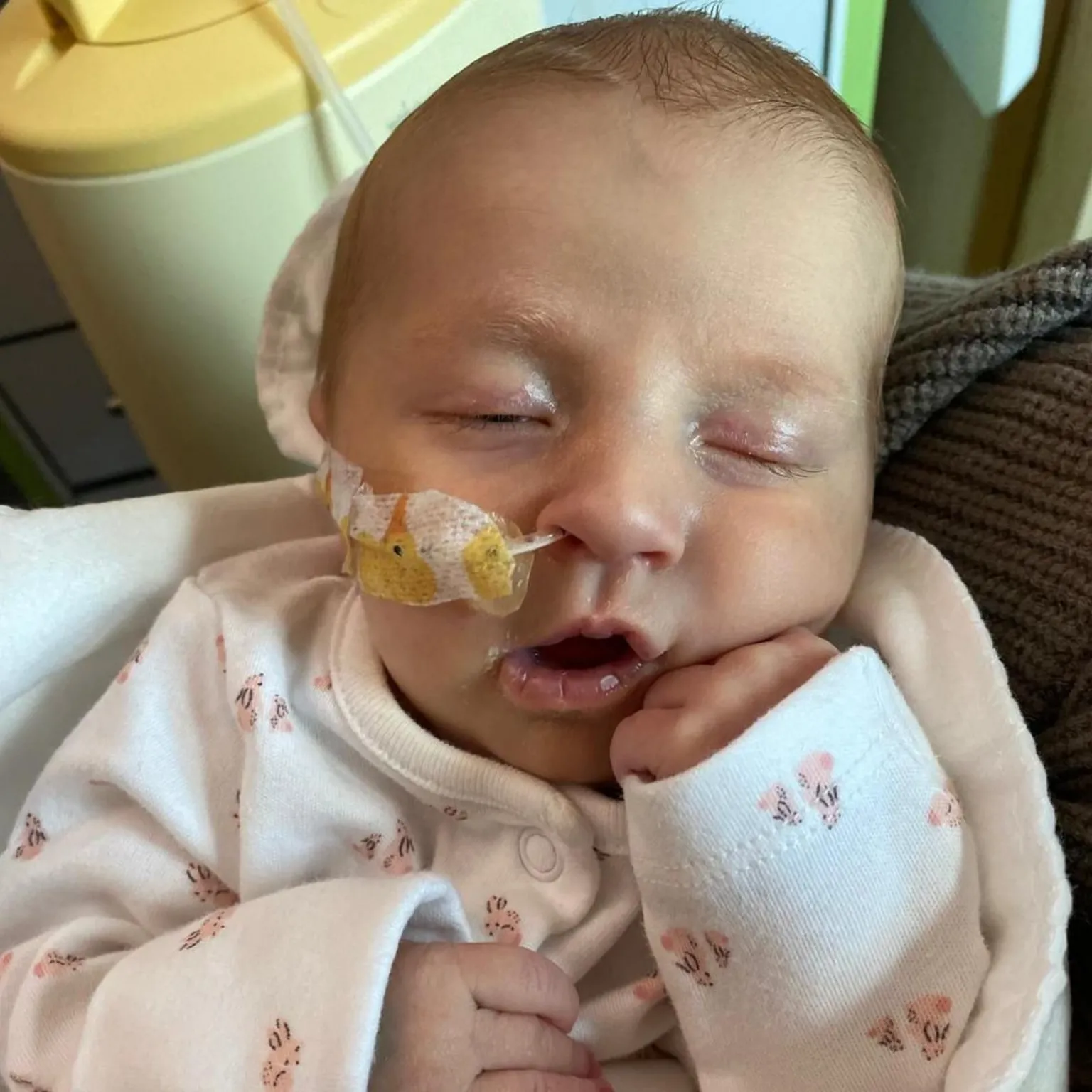
Once Esme reached the target weight, her open-heart surgery, the only method to repair AVSD, was postponed four times before finally taking place in Bristol in July 2021.
"By the time we got there, I was just relieved that she was having it and that she was having that second chance at life," said Emily. "I'm just grateful she made it and she's here and she's five."
However, Emily noted that prenatal diagnosis could have altered their experience significantly.
Current Status and Future Outlook
Esme is still classified as being in heart failure and takes medication to manage her condition but remains asymptomatic and enjoys a normal childhood.
The family has been informed that further surgeries will be necessary, as repairing her heart is complex, described as "like stitching jelly," and her heart experiences more pressure than usual.
Emily explained that her health is closely monitored and future procedures will be scheduled only when necessary.
"She's the busiest five-year-old I've ever met, she doesn't stop," she said.
Health Boards' Response
Swansea Bay University Health Board expressed regret regarding the family's concerns about Esme's care and welcomed direct dialogue with them.
Sharon Daniel, director of nursing, quality and patient experience at Hywel Dda University Health Board, stated she could not comment on individual cases but was sorry to hear of any experiences where families felt care was inadequate.
"Our maternity and ultrasound services are delivered by appropriately trained professionals using nationally approved screening pathways and equipment standards," she said. "We are committed to learning where improvements are needed."
Fundraising and Awareness Efforts
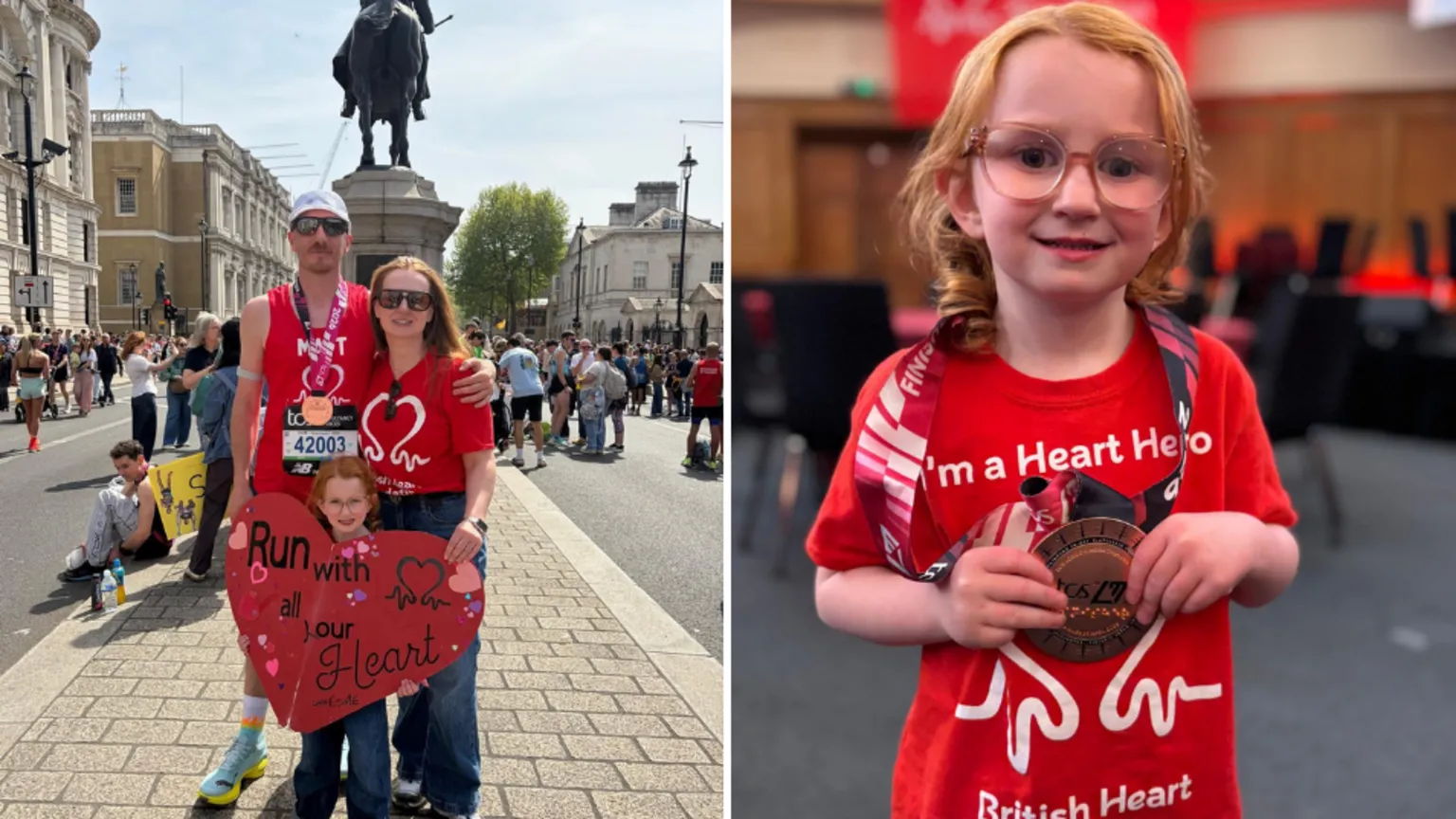
Esme's family now celebrates her "heart anniversary" annually, akin to a birthday, and has raised approximately £18,000 for the British Heart Foundation, which funded research by Esme's surgeon.
Mathew has completed the London Marathon three times to support fundraising, and together the couple has raised an equivalent amount for other charities.
"Mathew does the challenges and I class myself as campaign manager," joked Emily, who is also training to run the Cardiff half marathon in October.
Beyond fundraising, their goal is to raise awareness and support others in the heart condition community, connecting with families across the UK and internationally through social media.
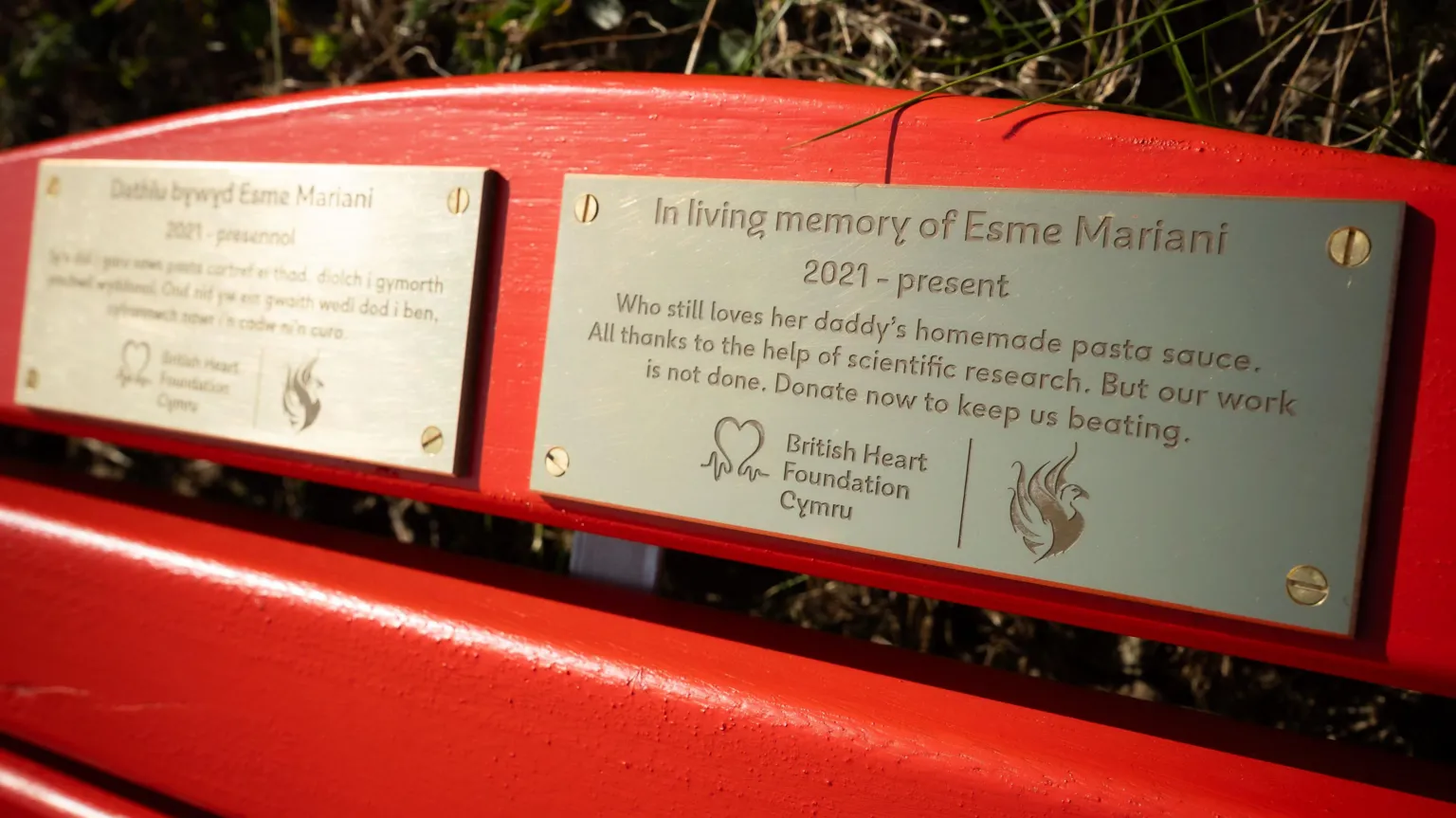
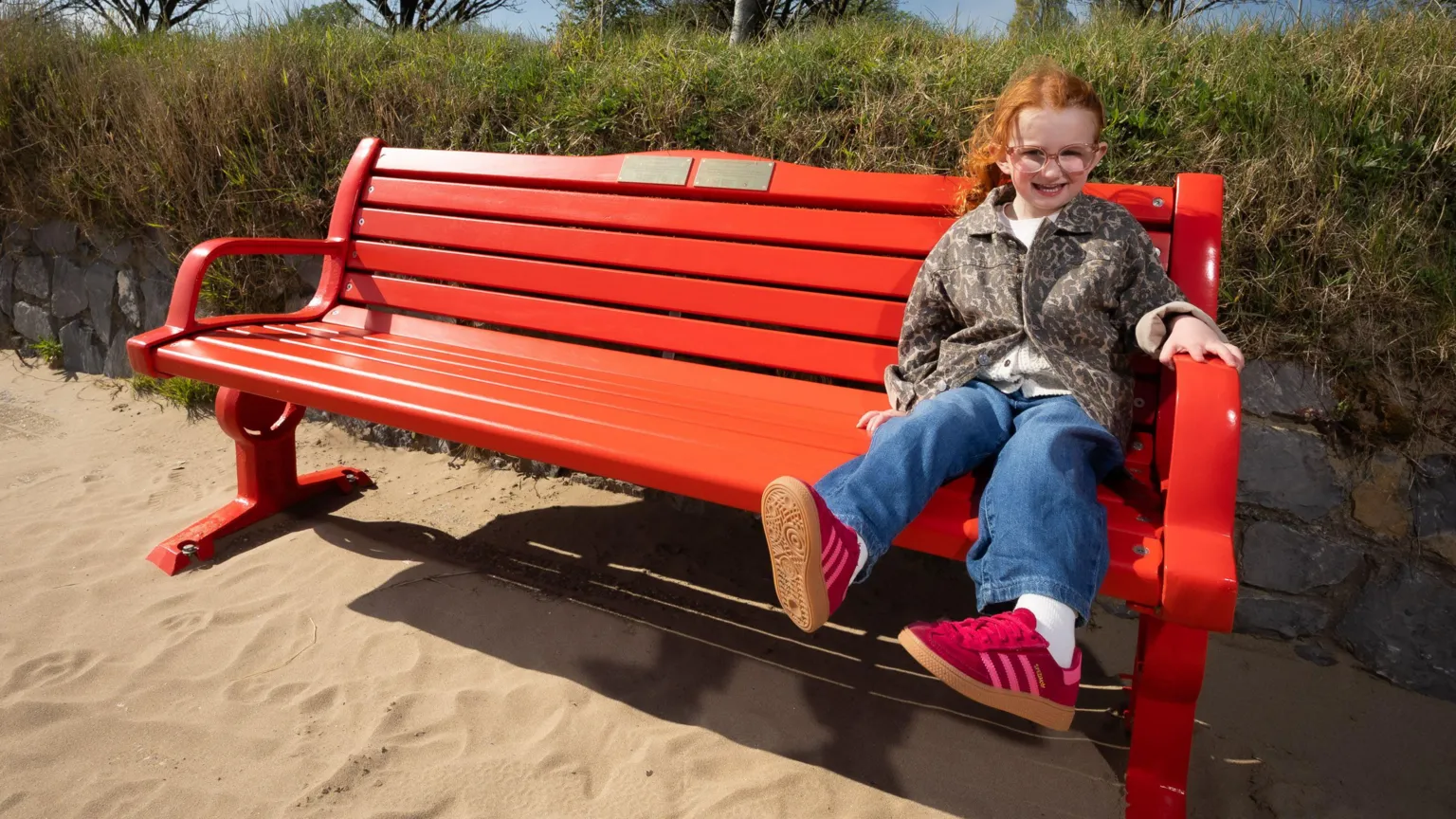
The family participates in BHF's Living Memory campaign, which has placed 65 benches across the UK to commemorate the charity's 65th anniversary, each dedicated to individuals living with heart or circulatory diseases thanks to BHF research.
Esme's bench is located at Swansea Bay, providing a place for friends and family to visit and reflect.
"It's a nice place to sit and reflect on what we've been through as a family," said Emily. "We're just so proud of Esme and the legacy that she's got. I don't think she realises how special she is, but we'll never forget."