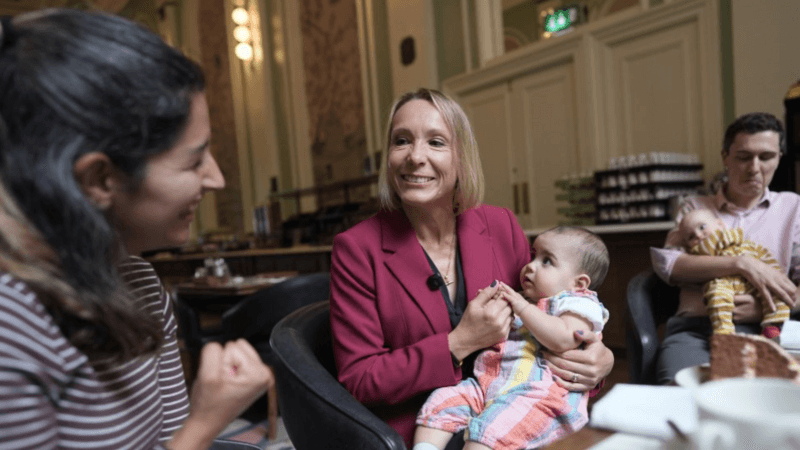
UK Scientists Developing New Ebola Vaccine
Scientists at Oxford University are working on a new vaccine that could be available within months to address the ongoing Ebola emergency.
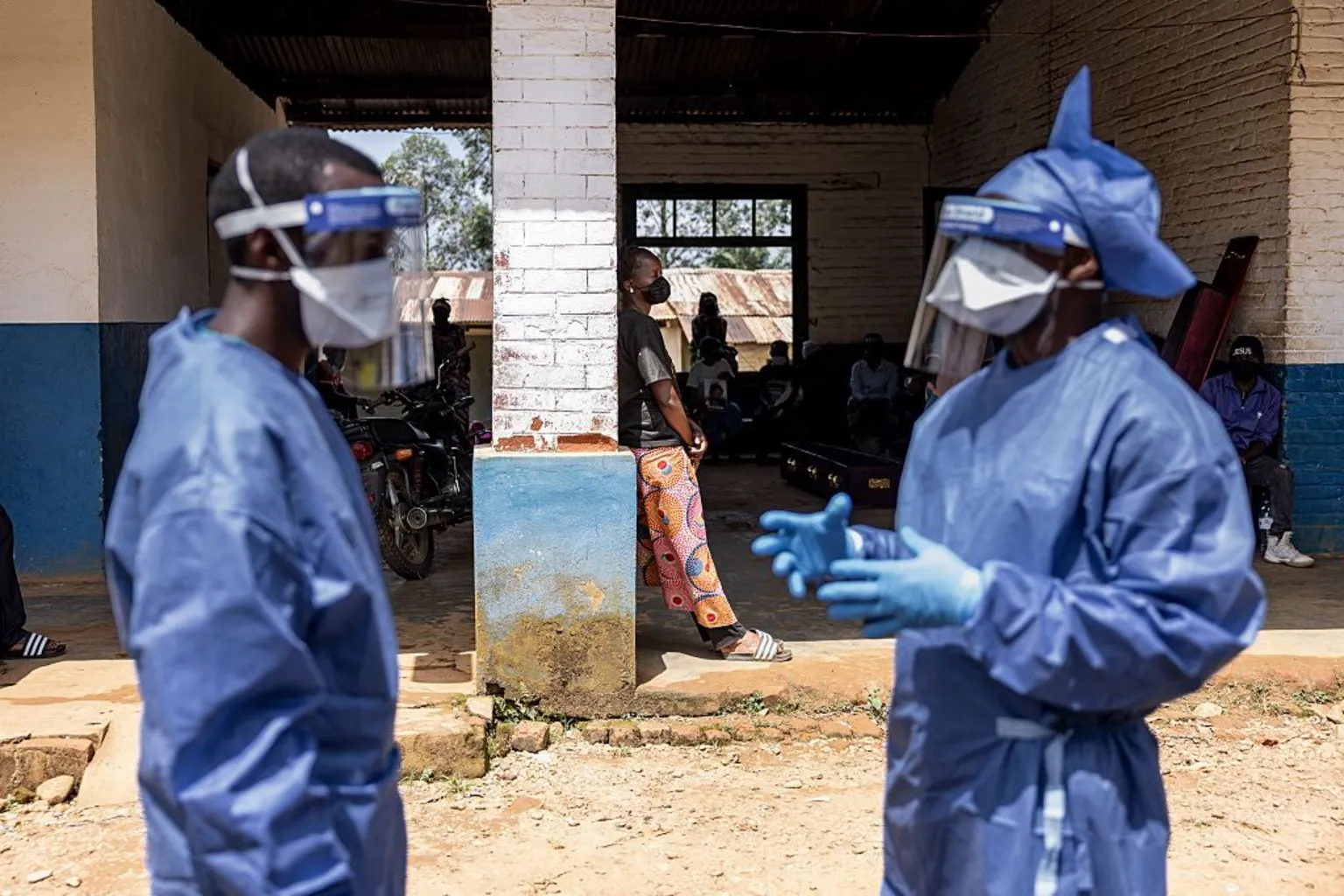
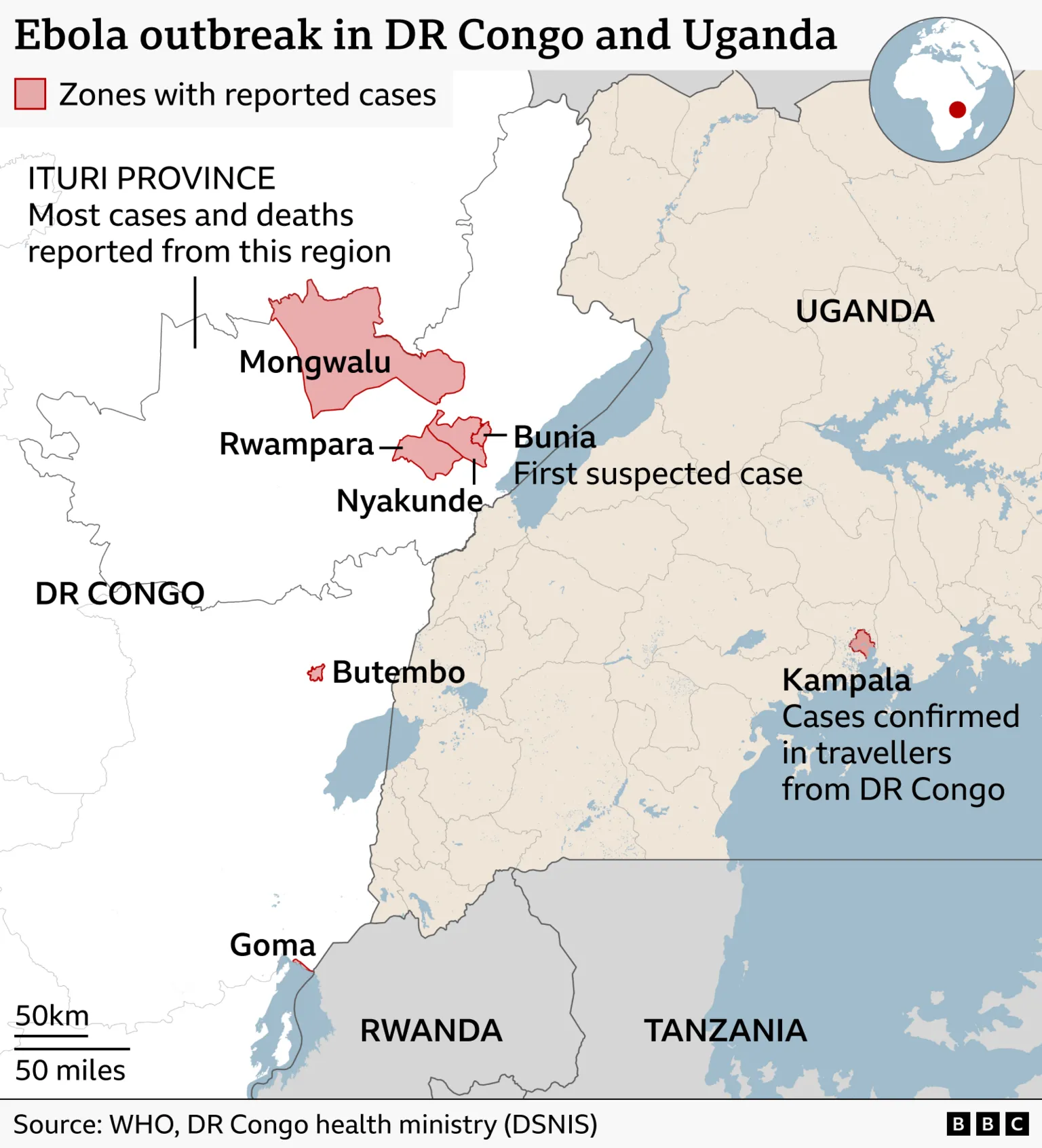
The outbreak, primarily affecting the Democratic Republic of Congo (DRC), has led to 750 suspected cases and 177 deaths.
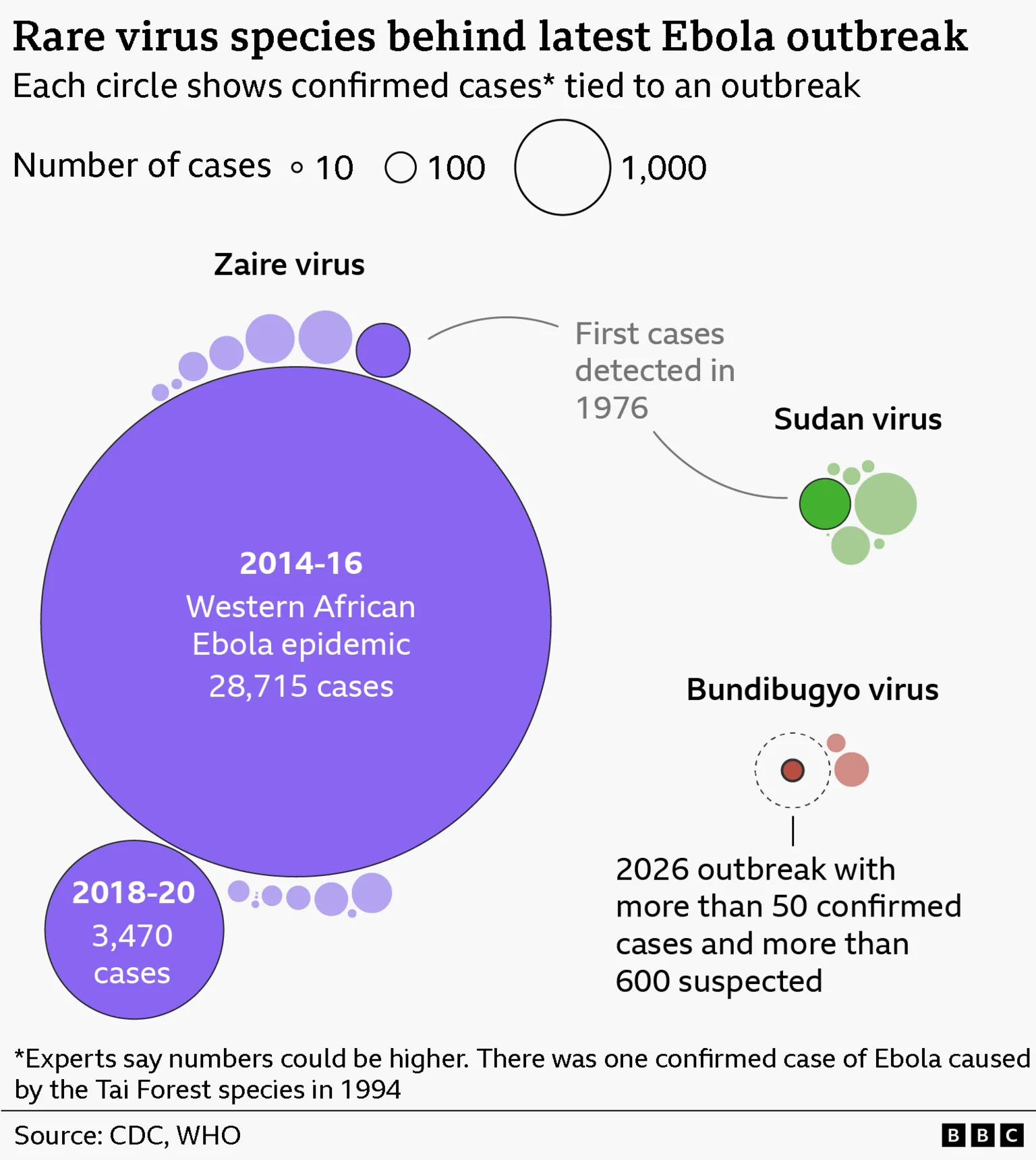
The Ebola strain involved, known as Bundibugyo, is a rare species that kills approximately one-third of those infected and currently has no proven vaccine.
The Oxford research team is urgently developing an experimental vaccine in case the outbreak escalates and their vaccine is required.
However, there are no guarantees regarding the vaccine's efficacy. It must undergo animal testing followed by human trials to confirm its effectiveness.
On Sunday, the World Health Organization (WHO) declared the outbreak a public health emergency of international concern, clarifying that it is not a pandemic.
Since then, the WHO has raised the risk level of the Ebola outbreak in the DRC from "high" to "very high." The risk in the broader region is now considered high, while the international risk remains low, according to the WHO's latest update.
The Oxford Vaccine
The vaccine utilizes the same platform technology developed during the Covid-19 pandemic.
This adaptable technology, known as ChAdOx1, can be rapidly modified to target different pathogens.
During the Covid pandemic, the vaccine incorporated genetic material from the SARS-CoV-2 virus.
For this Ebola vaccine, the genetic code from the Bundibugyo species has been integrated.
The vaccine employs a common cold virus that typically infects chimpanzees but has been genetically engineered to be safe for humans.

This modified adenovirus vector delivers key genetic information about the Bundibugyo Ebola virus to human cells, instructing the immune system to recognize and combat the actual virus.
The vaccine does not cause Ebola infection or symptoms but primes the immune system to provide protection.
Animal testing is reportedly underway at Oxford.
The Serum Institute of India is prepared to mass-produce the vaccine once Oxford supplies medical-grade material.
Prof Lambe, the Calleva Head of Vaccine Immunology at the Oxford Vaccine Group, told : "Once we get starting material to them they can go fast and they can go big."
The WHO estimates the vaccine could be ready for clinical trials within two to three months.
Lambe emphasized the urgency: "People are worried about this outbreak, generally, you prepare for the worst case scenario - hopefully contact tracing and quarantine is all that's needed, but we can't take our foot off the gas."
This outbreak is particularly challenging due to the involvement of a rare Ebola species.
There are six known Ebola virus species, but only three have caused large outbreaks in humans.
Bundibugyo has been responsible for only two prior outbreaks: one in Uganda in 2007 and another in the DRC in 2012, and it has not been detected for over ten years.
While there is a vaccine for the more common Zaire species of Ebola, no proven vaccine exists for Bundibugyo.
Another experimental vaccine targeting Bundibugyo is under development but is expected to require six to nine months before it is ready for testing.
Ebola vaccines are not administered en masse as with Covid-19. Instead, they are used in a ring vaccination strategy, immunizing individuals most at risk, such as close contacts of confirmed cases and healthcare workers treating infected patients, who can be highly contagious.
The Oxford team had previously been developing similar vaccines for the Sudan species of Ebola virus and the Marburg virus.