

A wave of young people in the UK are ditching smartphones and wireless gadgets in favour of older technology, with digital cameras, early MP3 players and wired earphones all seeing a surge in popularity during 2026. Data from eBay shows UK sales of iPods and Walkman-style portable audio players rose by nearly 50% in 2025, while searches for iPod minis on the platform climbed 48% over the past year. Social media is now full of users explaining why they are returning to devices many assumed had been retired years ago.
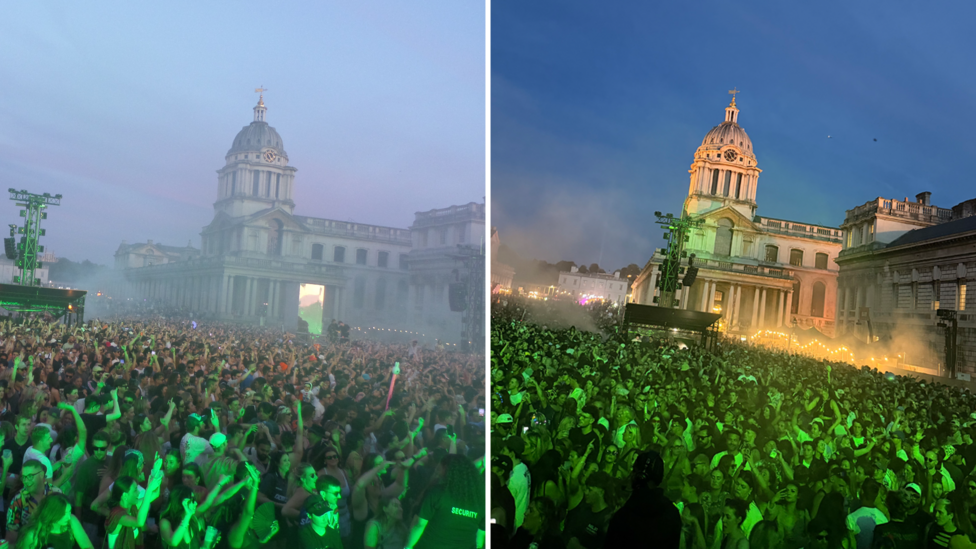
To test the trend firsthand, one reporter brought a digital camera untouched since a family holiday to the Canary Islands 15 years earlier to a Saturday afternoon DJ set, nearly scuppering the experiment by leaving the battery on charge at home. Once the camera was working, its presence alone was enough to draw comment from strangers, with one onlooker remarking he had not seen a device like it in years.
Why are digital cameras popular again?
Digital cameras enjoyed their peak in the late 1990s and early 2000s, shortly before smartphones made them largely obsolete. Yet a market research report published last year found there are currently 42 million active film camera users worldwide, more than a third of them aged between 18 and 30, a demographic largely driven by trends seen on social media.
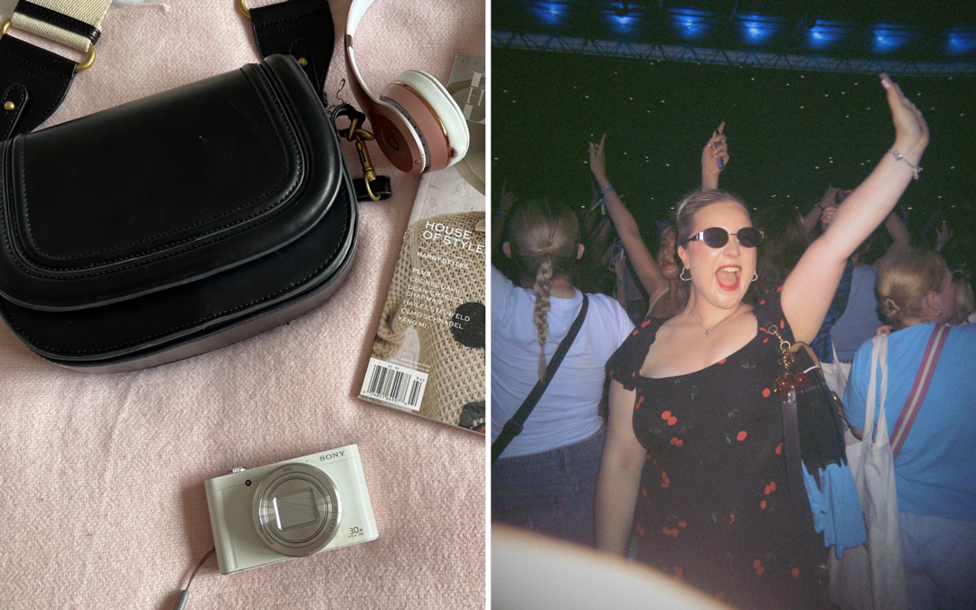
Lily Redman, a 26-year-old content creator from South Wales, says her phone simply cannot match the results she gets from a digital camera when she is out at night or at concerts.
"capture a quality that my phone just can't replicate"
She argues that smartphone flash photography looks too sharp and artificial compared with the softer results from a digital camera.
"is grainy and too high definition"
"more smooth"
"I think people are looking for a bit of grit or something that feels a bit more real,"
That same appetite for imperfection may help explain why deliberately under-exposed photos taken on iPhones and Android devices, achieved by manually lowering exposure rather than relying on built-in filters, have also become a popular aesthetic online.
Redman also points to the delayed gratification of shooting on a memory card rather than seeing images instantly, arguing that phone photography has distorted how people perceive the passage of time.
"If I look back at photos my mum took when I was two, they look so old but when I look at photos I took five years ago, they look like they were taken yesterday,"
"Phone photos have warped our perception of time."
This renewed appreciation for physical, print-based photography echoes a wider revival documented elsewhere. Northern Ireland's oldest camera club, which marked 120 years with a photobook celebrating print photography, has similarly reported new members keen to learn traditional darkroom techniques as interest in the medium's tactile, unfiltered qualities grows, according to earlier reporting on the club's anniversary.
Why are old MP3 players coming back?
Digital cameras are not the only devices being pulled out of drawers. Refurbished technology retailer Backmarket says iPods are driving a broader resurgence in older MP3 devices, with sales up 48% between 2024 and 2025 and demand continuing to accelerate into 2026.
Cheri Sanih, 30, runs a Tumblr account dedicated to older technology that she says has attracted thousands of followers in recent months. Scrolling through the music library on her mint green iPod, still loaded with album artwork from 15 to 20 years ago, brings back memories of receiving the device as a Christmas present as a child.
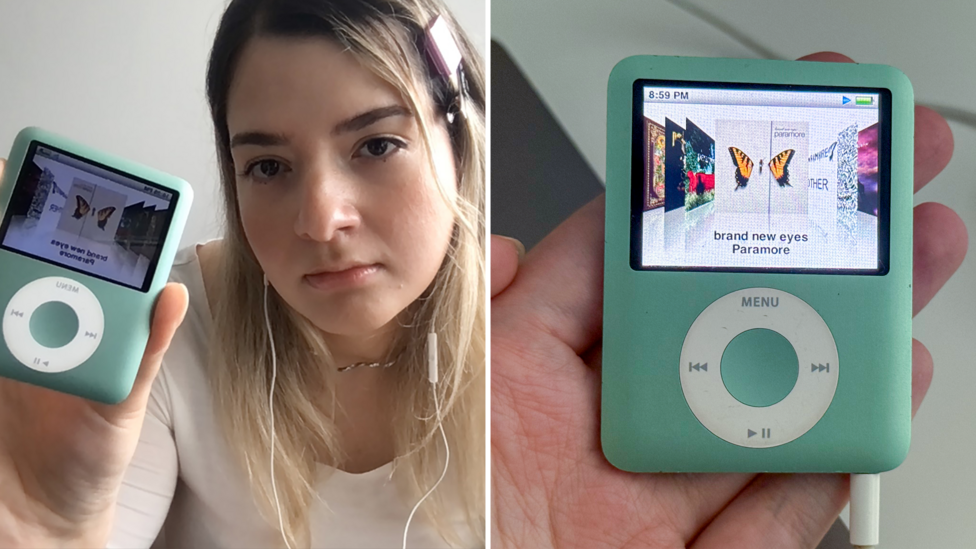

For Sanih, the appeal lies in nostalgia and the chance to switch off from constant connectivity.
"wanting to remember simpler times"
"bury into escapism"
She contrasts the constant interruptions of smartphone notifications with the calm of listening to music without distraction.
"phone is always getting notifications and sometimes I just want to be outside, blissfully listening to music"
Sanih believes iPods have found new fans partly because of their design and their focus on usability over clutter.
"beautiful design"
"the first bit of technology really catering to humans with a less cluttered user interface"
Why are people switching back to wired headphones?
Wired headphones, perhaps the simplest audio technology still in circulation, are also finding new fans. Monique Wellman-Mason, 23, from Bristol, now uses them daily after growing frustrated with the practicalities of wireless earbuds.
"Every single time I get them out my bag I spend two minutes trying to detangle them which is a bit of a pain,"
"but at the same time I love that they have a microphone and I'm [always] connected to my phone"

Wellman-Mason, who works as a social media manager, says the clear microphone quality is genuinely useful for her job, alongside the nostalgic appeal and the low cost of around £20 per pair.
"spark that nostalgia"
She switched from Bluetooth to wired earphones a few months ago and has not gone back.
"Technology only goes up and we're always looking for the quickest thing but this is a step back in a way – I love it,"
Her experience reflects a pattern now visible in sales figures. According to industry tracker Circana, revenue from wired headphones rose 3% in 2025 to reach $15 million worldwide, before jumping a further 20% in the first six weeks of 2026 alone, marking the end of a five-year sales slump, as reported by NDTV Profit. Price appears to be a significant factor: the same data puts the average selling price of wired headphones at around $13, compared with roughly $99 for Bluetooth models. Commentators have also linked celebrities including Harry Styles, Bella Hadid and Monica Geuze to the trend, according to The Phone Lab.
The shift is increasingly being framed not as an isolated quirk but as part of a wider Y2K-influenced retro-tech movement that also encompasses portable CD players and flip phones, according to Son-Video's analysis of the trend. Other commentary attributes the rebound to frustration with the everyday hassles of wireless technology, including charging, pairing and software updates, as described by VnExpress International, while a separate analysis situates the shift within a broader nostalgia-driven consumer preference for simpler, more tangible devices over always-connected alternatives, according to ThePrint.
What does this say about how people feel about modern technology?
Andrew Przybylski, professor of technology and human behaviour at the University of Oxford, argues that the appeal of older, simpler gadgets reflects a deeper psychological need for control.
"people's desire on a very deep level to be in control of their experiences,"
He suggests that the sheer volume of choice in the modern digital world often produces decision paralysis, leaving people feeling as though decisions such as automatically binge-watching a new series are made for them rather than by them. By contrast, he says, manually adjusting a digital camera's settings or curating an iPod's music library represents an active choice.
"you move towards something you want versus it coming at you"
Przybylski adds that owning music or images outright, rather than merely renting access to them through streaming services, fosters a stronger sense of connection to them.
"people want more than to just rent the things [and experiences] they're passionate about"
He cites Xbox's server outage in late July 2026, during which users were unable to play games even when they owned the physical discs, as an example of the frustration caused by dependence on constant connectivity.
"nobody liked that"
"Imagine if a book worked that way,"
Concerns about preserving access to physical formats have also surfaced in gaming, where YouTuber Nostalgia Nerd has urged collectors to carefully maintain physical media as Sony prepares to stop releasing PlayStation games on disc by 2028, citing the risk of disc rot and the enduring appeal of tangible, retro formats, as detailed in separate coverage of the preservation campaign.
Key Facts
- UK eBay sales of iPods and Walkman-style players rose almost 50% in 2025, with iPod mini searches up 48% over the past year.
- Backmarket reports a 48% rise in iPod sales between 2024 and 2025, with demand accelerating into 2026.
- Circana data shows wired headphone revenue grew 3% in 2025 to $15 million worldwide, then jumped 20% in the first six weeks of 2026 after a five-year slump.
- Average selling price for wired headphones is about $13, versus roughly $99 for Bluetooth models.
- A market research report counts 42 million active film camera users globally, over a third aged 18–30.


