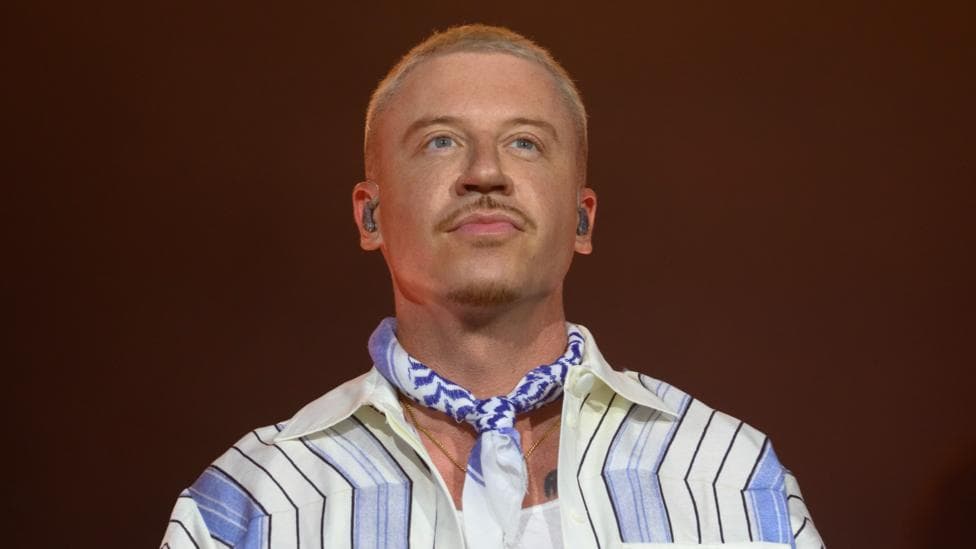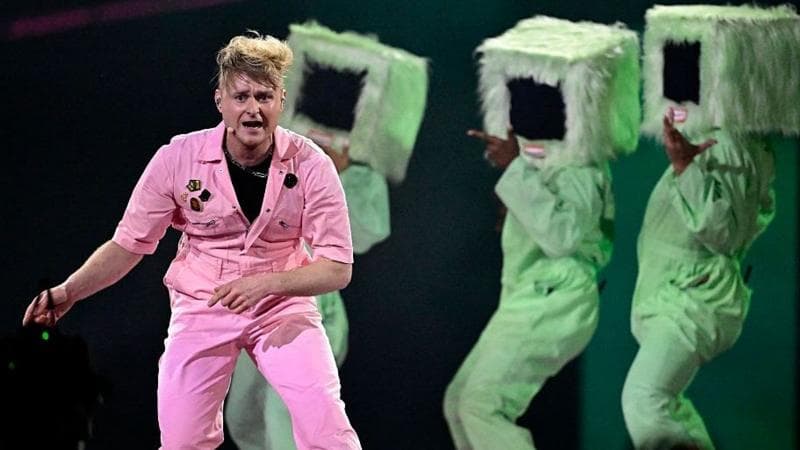
Sam Battle, performing as Look Mum No Computer, finished in last place at the 2026 Eurovision Song Contest with one point for his song "Eins, Zwei, Drei". This latest disappointment has prompted lawmakers to launch a formal inquiry into why the United Kingdom consistently underperforms at the annual competition despite its global reputation for musical talent.
The UK's repeated failures in selecting competitive entries for Eurovision will now face parliamentary scrutiny. In May 2026, Look Mum No Computer secured last place with a single point. Prior to that, Mae Muller finished second from bottom in 2023, and James Newman achieved the lowest possible score—"nul points"—in 2021.
The selection of the UK's Eurovision representative falls to the BBC, which may collaborate with record labels or music management companies on the decision. Dame Caroline Dinenage, chair of the Digital, Culture, Media and Sport committee, stated:
"We want to get to the bottom of who chooses our entrant, on what basis and whether our dismal record of achievement in recent years [Sam Ryder to one side] is the result of bad song choice, weak performance... or something else"
BBC officials and music industry specialists are expected to provide testimony to the cross-party committee during hearings scheduled for the coming months. The inquiry will also accept written evidence from interested parties.
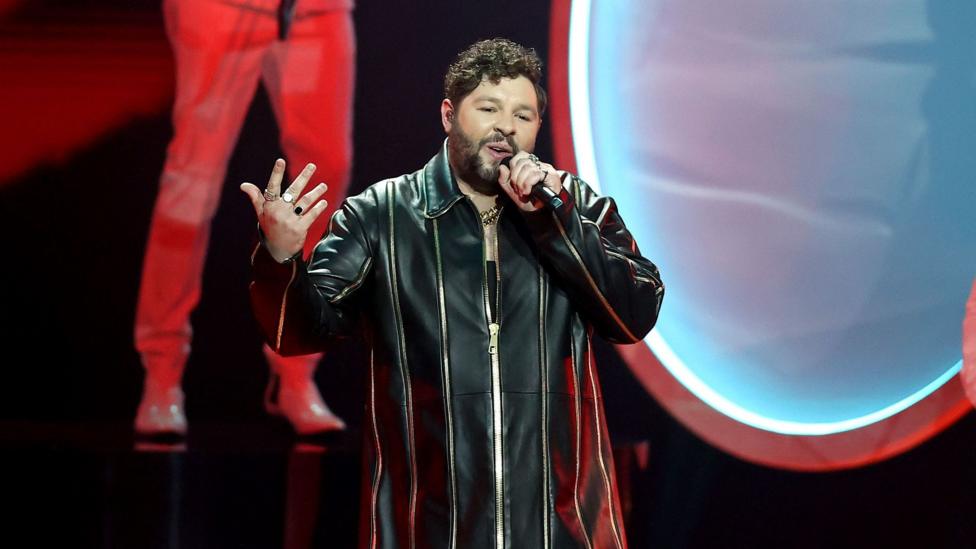
Why has the UK struggled at Eurovision?
Despite producing some of the world's most commercially successful recording artists, the United Kingdom has rarely translated that domestic success to the Eurovision stage. Over the past 15 years, the UK has finished higher than 15th place only once—when Sam Ryder achieved second place with "Space Man" in 2022, losing to Ukraine's Kalush Orchestra.
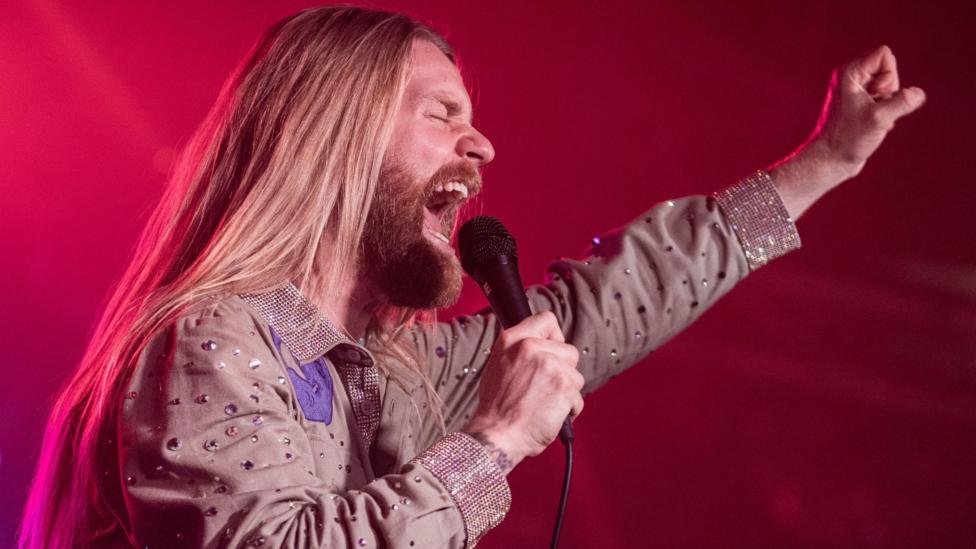
The 2027 contest, to be held in Burgas, Bulgaria, will mark three decades since the UK last won Eurovision. Katrina and the Waves claimed victory in 1997 with "Love Shine A Light", scoring 227 points.


Many competing nations employ a public televised selection process to choose their entries. The UK last used this approach with the programme Eurovision: You Decide in 2019, when Michael Rice was selected—only to finish last at the Tel Aviv contest that year.
What is the committee's wider role?
The Eurovision inquiry forms part of the committee's State of Play investigation, a mechanism allowing members of the public or other interested parties to request parliamentary examination of subjects of concern. According to the committee's official inquiry tracker, the Digital, Culture, Media and Sport Committee currently manages 109 inquiries, has published 107 reports, and issued 614 recommendations across its portfolio, demonstrating its substantial workload across multiple policy areas.
Dame Caroline explained to a national broadcaster:
"This application interested us because of the UK's reputation for scoring 'nul points', coming bottom, or close to bottom in recent years at Eurovision, despite having world-class song writers and musicians."
The committee has previously engaged with broadcasting matters through oral evidence sessions. Senior BBC figures including Tim Davie, David Jordan and Charlotte Moore have previously given testimony to MPs on broadcasting-related issues, establishing a precedent for the corporation's cooperation with parliamentary inquiries.
What happens next?
No specific date has been set for the select committee hearing. Once all evidence has been gathered and reviewed, the committee is expected to publish a short report containing recommendations for the BBC on how to improve the UK's Eurovision selection and performance.
The Eurovision final remains one of the United Kingdom's most-watched music television events, with millions of viewers tuning in to watch the competition's conclusion. The committee's official page indicates that a specific hearing schedule has not yet been announced, though the inquiry is now formally underway.