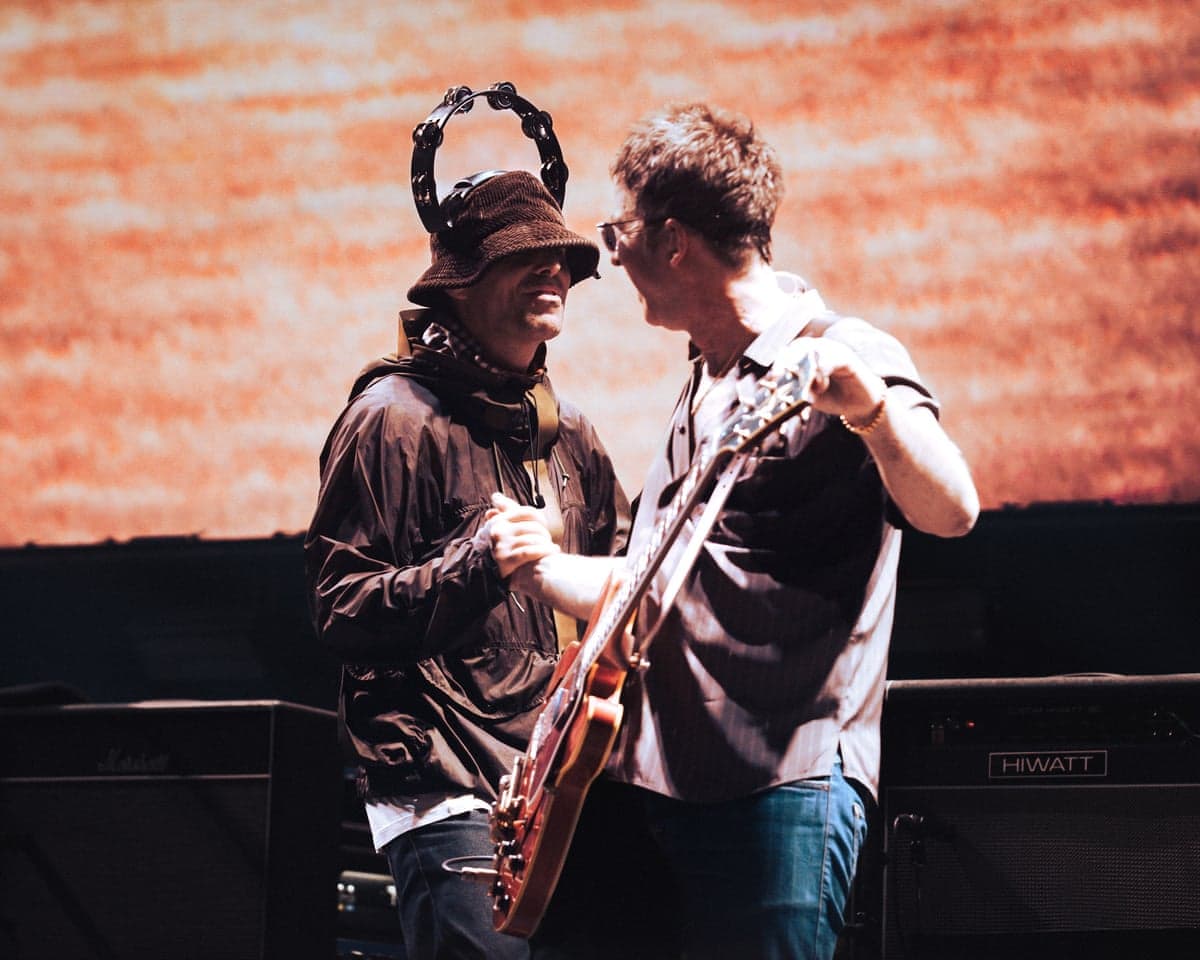
On 4 July 2025, Oasis were positioned to launch their first concert of a highly anticipated comeback, marking 16 years since the band fractured after Liam Gallagher swung a guitar toward brother Noel's head backstage in Paris. Yet with just 20 minutes until the show began at Cardiff's Principality Stadium, the lead singer was nowhere to be found. Approximately 74,500 fans were in turmoil while Noel paced anxiously through the venue's loading bay, uncertain whether the reunion would collapse before it started.
"Then the monitor I was watching all this on suddenly cut out," says Will Lovelace, the director capturing the comeback. "When it came back to life, suddenly Liam and Noel were there chatting. Then they walked out to this eruption."Later, Noel is captured on film expressing astonishment that his estranged younger brother could
"skip the final rehearsal, then just rock up, grab my hand, and I'm like, 'What the fuck?' And off he goes, sounding like he's 30 years younger. And I'm like, 'You absolute mad cunt.'"
The Cardiff entrance represents one of the most striking moments in Oasis: Don't Look Back In Anger, the documentary by Will Lovelace and co-director Dylan Southern. The film briefly explores how the working-class Manchester brothers became the world's biggest rock band during the 1990s before focusing on their reunion three decades later. According to reporting from a major international news agency, the documentary premiered at the Venice Film Festival on 5 September 2026 ahead of its theatrical release.
The Oasis Live 25 tour encompassed 41 concerts across 14 countries and five continents, reaching more than two million spectators. Don't Look Back In Anger documents the immense power of those performances while also delivering an unexpectedly profound emotional resonance, illustrating how a bitter, decades-long rift between two feuding brothers was mended through the force of their shared music—affecting not only themselves but millions of fans worldwide.
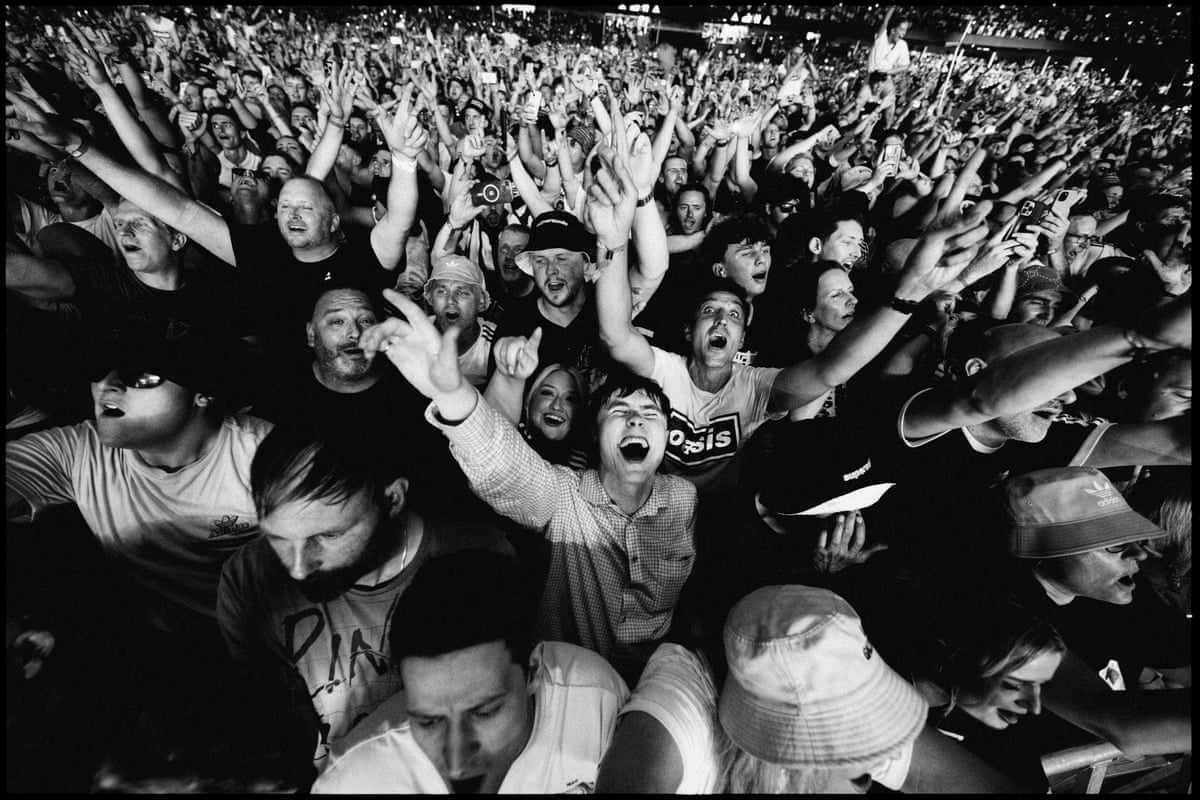
The cameras record Noel's candid acknowledgment that he
"wasn't prepared for the intense outpouring, a sense of what it meant to people."Lovelace emphasizes that the filmmakers experienced the same shock.
"We arrived in Cardiff unprepared for this tidal wave of emotion. It seemed bigger than Oasis, something a lot of people needed. I don't think we understood the magnitude of it. I was overwhelmed."
Southern and Lovelace's earlier music documentaries include a New York indie scene rockumentary released in 2022 and LCD Soundsystem's live farewell concert film from 2012. Southern notes it
"never came up"that the pair also directed a 2010 documentary about Oasis's declared rivals, Blur.
The directors bring their own personal connection to the Manchester band—as devoted fans. Lovelace recalls, as a teenager in the Fens of East Anglia, listening to Definitely Maybe on a Walkman and recognizing:
"This is the first music that feels like my own."Southern attended their 1994 performance at the 200-capacity Hull Adelphi, when the working-class northerners
"felt like our band."When tickets for Oasis Live 25 became available, Lovelace was
"in a car on my phone failing to get a ticket"while Southern
"eventually gave up."
They were subsequently approached about
"a big project,"but received no details and were bound by confidentiality agreements. They were then paired with Peaky Blinders creator Steven Knight, who served as scriptwriter, and production commenced.
"Filming rehearsals in London took a lot of negotiating because they've never allowed that,"says Lovelace.
"It was never going to work if we just went in there with our cameras,"adds Southern.
"We had to come up with a way to be invisible."
The solution involved concealing cameras within the sound equipment.
"We had a grotty Portakabin outside in a heatwave so we could monitor everything,"says Southern.
"It was completely unglamorous,"grins Lovelace.
"But for six weeks, Oasis didn't see us or our crew."

How did the brothers first encounter each other during rehearsals?
The band reacquainted themselves with material they hadn't performed in years, with Noel singing at this stage, while the directors positioned a camera aimed at the entrance to capture Liam's arrival. They waited and waited.
"Nobody knew exactly when he was coming,"says Southern.
"There was a palpable tension. We knew we had these historically volatile characters, so you ask yourself, 'Are they going to fight – or hug each other? And of course they do neither. They have a job to do. Apart from a very brief photoshoot, they hadn't been in a room together for 16 years. Then Liam walks in, drops his bag and goes, 'Are we ready then?' Two hours later, while they're playing the outro to Champagne Supernova, he picks up his bag and leaves. He did that every single day. And then suddenly they were playing the gigs – and the tension started melting. You could see Noel and Liam getting closer every night."
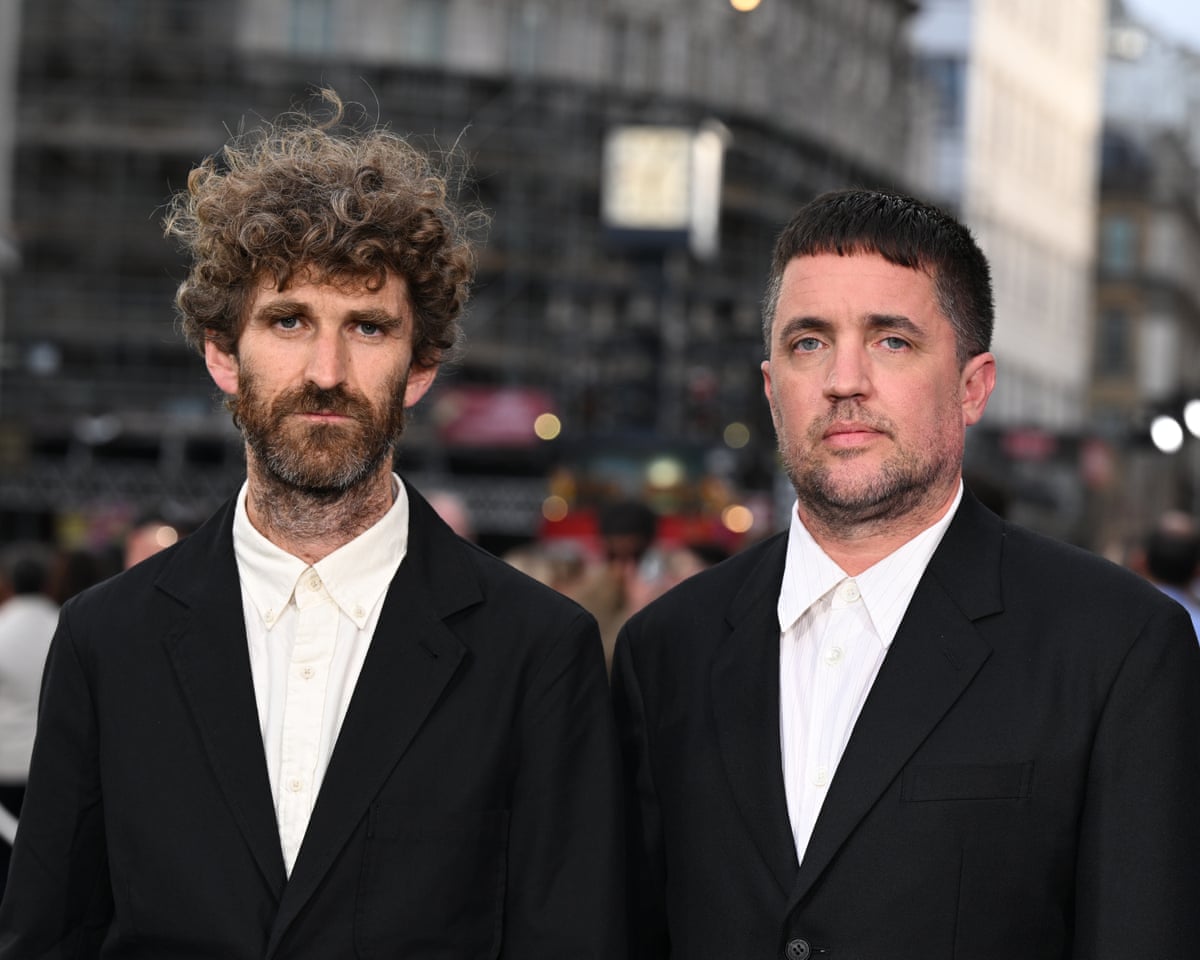
What cinematographic approach shaped the final film?
Thirteen gigs received filming attention, but the directors sought to create something beyond a standard concert documentary, so they recruited individuals with what Southern describes as
"a unique eye. We employed cinematographers to hold every camera, rather than someone who filmed Stereophonics last week."This approach brought in cinematographers including Haris Zambarloukos (Belfast, Beetlejuice, Beetlejuice), Lol Crawley (who won an Oscar for The Brutalist) and James Laxton (Oscar-nominated for Moonlight). Southern had studied classic rockumentary films such as Monterey Pop and Gimme Shelter, observing they were made by
"the greats of the period."He even operated a camera himself.
"I wanted to be in there among the crowd,"he explains.
The documentary incorporates unusually intimate footage of fans spanning all age groups. A South Korean free diver describes how the band's lyrics sustained her through depression; a teenager overwhelmed with emotion receives comfort from a stranger; a man sitting cross-legged on the floor prays while singing along to Slide Away; a young woman who survived the 2017 Manchester Arena bombing but carried
"survivor's guilt"discovers the significance is
"to not look back in anger."Southern summarizes:
"The effect the music has on people is like magic. In the film, Liam says, 'It's like it comes from somewhere else.'"
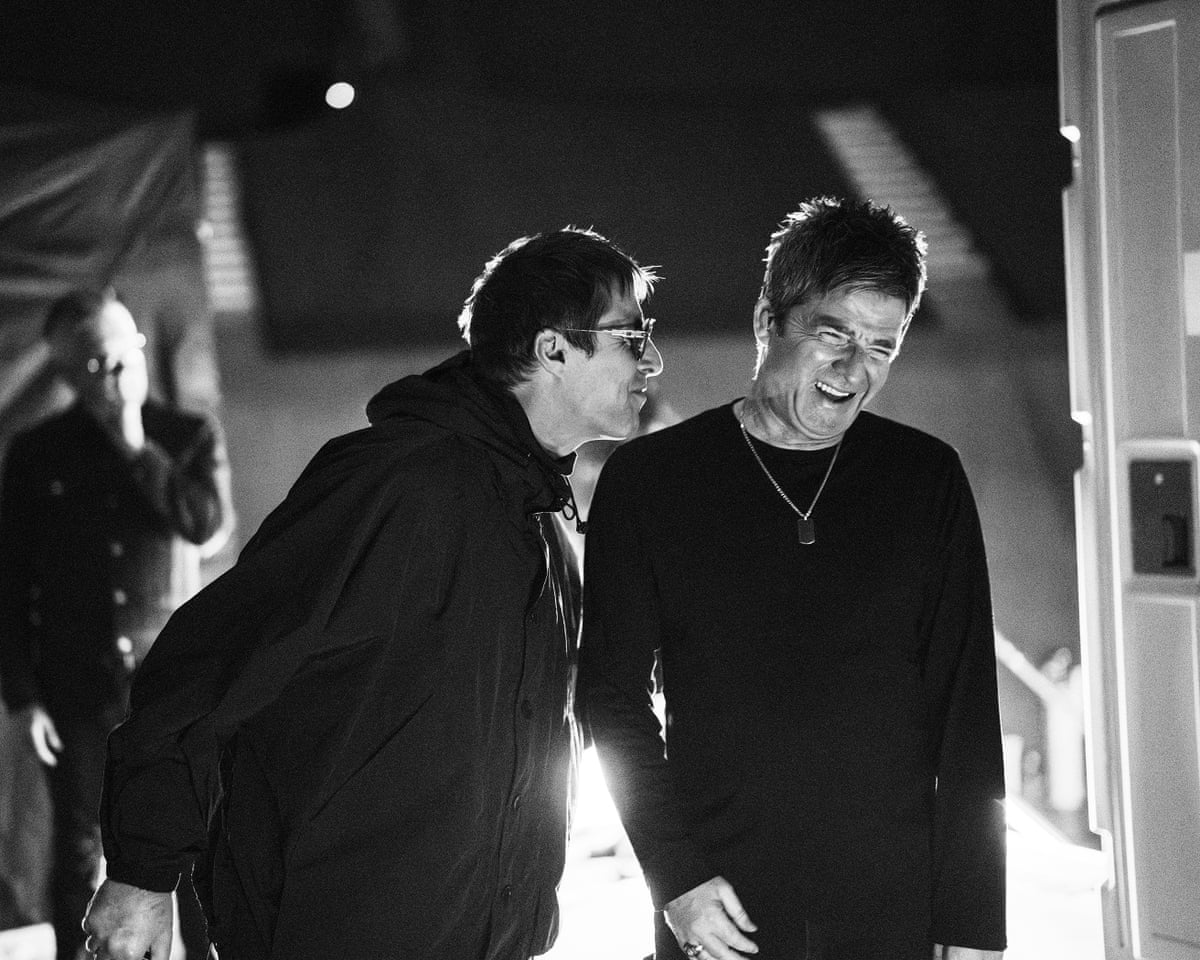
What unexpected spiritual and symbolic moments emerged during filming?
The narrative gained depth through what Southern terms
"unexpected gifts."
"Before we filmed, we went to Burnage [where the Gallaghers grew up] and took everything in. We went in St Bernard's Church, opposite their old primary school, and asked Father Luke if we could film. We had no idea that, on the only day we could shoot, he would read the passage from the Bible where St Peter asks Jesus, 'How many times must I forgive my brother who sinned against me?' And he is told, 'Not seven times but 77 times.' Then he built his whole sermon that morning around Noel and Liam."
Another significant discovery involved unearthing archive footage of Noel revealing he possesses a
"character flaw that means I can never forgive … anyone, ever."This conviction is progressively undermined throughout the film. A lighter moment features a police sergeant at one venue whose team briefing draws from Oasis song titles.
"We're just going to have to Roll With It,"he says.
"It's The Masterplan."
A more somber scene unfolds in São Paulo, as the band learns that Stone Roses bassist Mani has died at age 63. The musicians are shown in shock, Liam dedicating Live Forever to
"our dear friend, our hero,"and a visibly affected Noel performing the guitar solo while gazing at Mani's image on a screen above the stage.
"There are probably versions of Live Forever that were technically better,"says Southern,
"but that had to be in."
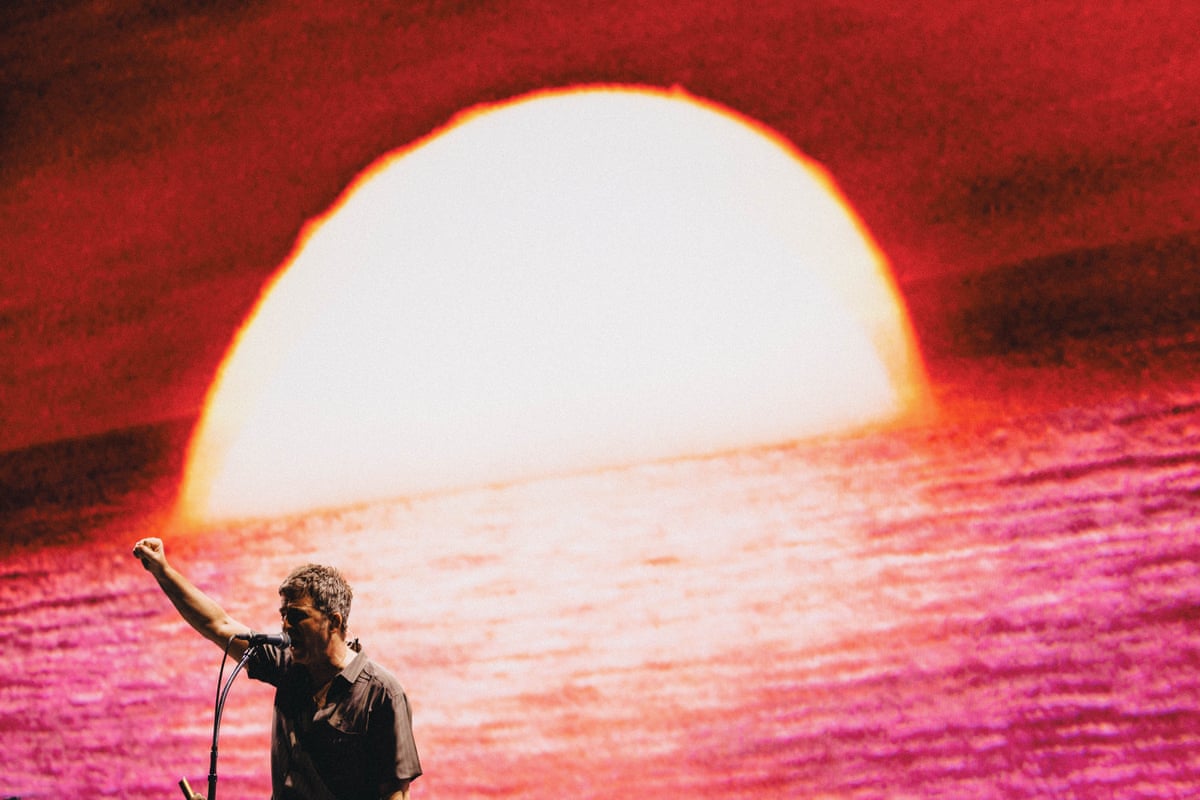
How did the editing process shape the final narrative?
With as many as 20 cameras operating simultaneously, the directors accumulated
"hundreds and hundreds of hours"of footage. Among the more difficult editorial choices was excluding a three-minute close-up of a teenage girl crying to Talk Tonight, because it simply didn't fit within the film's structure. While the documentary remains sparse on gossip and revelations, considerable power emerges from what remains unspoken.
"The reconciliation didn't happen in rehearsals,"says Southern.
"It started happening on stage and continued happening."Lovelace adds:
"They're healing this enormous chasm not in private, but in public. And things were forgiven without saying a word. Maybe that's part of what people are responding to."Predominantly, the Gallaghers are interviewed separately, but toward the conclusion they conduct their first joint interview in two decades—as reflective older men, acknowledging each other's contributions, laughing at each other's humor and the
"madhouse"of Oasis.
"We are in contact way more than we ever were before,"says Noel.
"I'd forgotten how funny Liam was. All the little things that used to annoy us about each other have gone away."
When will audiences be able to see the documentary?
The documentary had its premiere at the Venice Film Festival on 5 September 2026, screening out of competition. According to Disney's official film page, the theatrical release is scheduled for 11 September 2026. Limited IMAX early-access screenings were scheduled for 9 September 2026, with tickets already available for purchase. Following its theatrical and IMAX run, the documentary will move to Disney+ later in 2026, making it accessible to a broader audience through the streaming platform.
Key Facts
- The Oasis Live 25 reunion tour consisted of 41 concerts across 14 countries and five continents, reaching more than two million fans
- Directors Will Lovelace and Dylan Southern spent six weeks filming rehearsals with hidden cameras positioned within sound equipment to remain undetected by the band
- The documentary features cinematography from Oscar-winning and Oscar-nominated cinematographers, including Lol Crawley (The Brutalist) and James Laxton (Moonlight)
- The film premiered at the Venice Film Festival on 5 September 2026 and arrives in theaters on 11 September 2026 before moving to Disney+ later in the year