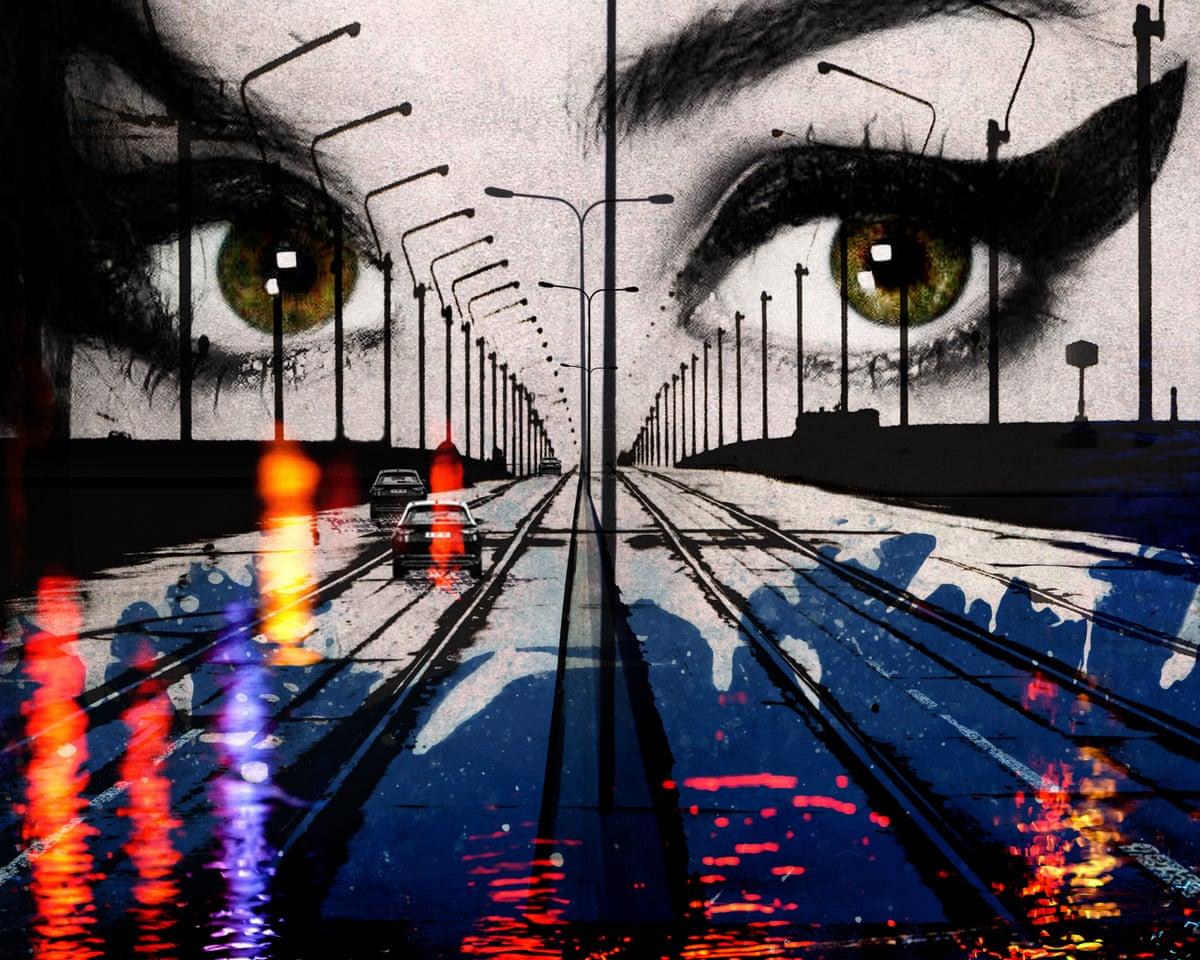
On a bleak October morning in 2006, I was driving down the North Circular in London towards a job I despised. The radio was usually kept low, a faint backdrop to my concentration on the road, but that day I turned up the volume and let Amy Winehouse's Rehab fill my Ford Ka. As her rich voice conveyed profound despair, I stared ahead at the empty motorway and realised I had made a terrible mistake with my career. According to The Guardian, this moment became a turning point that would reshape my entire life.
I was two years out of university, working in a freezing, windowless office in the back end of London's Docklands, monitoring four giant screens to check whether any of the world's stock exchanges had technical faults. My shift pattern required me to wake at 5am, and I endured relentless monitoring from a male colleague positioned two desks behind me. He would send me inappropriate Myspace messages about my appearance, turning the workplace into an environment of constant discomfort and surveillance.
The financial incentive had drawn me to this role. My previous position, an admin job marketed as a graduate media opportunity, had paid less. I told myself that accepting a sensible job in finance was the responsible choice, the path to clearing my debt and eventually moving out of my parents' house. But the cost was steep: I hadn't seen my friends, who were partying every night in east London, for more than six months. In my darkest moments, I would wish for a minor car accident on my commute, hoping it would prevent me from reaching my desk. The lyrics in Rehab, where a man tells Amy he thinks she's depressed, felt uncomfortably close to my own reality.
The weekend after first hearing the song, Amy's album Back to Black was released. I rushed to HMV to buy the CD, and as I explored her storytelling, I was struck by her unflinching brilliance. Amy and I had grown up on parallel tracks. As a teenager, she had played pool with my brother at our local pub in Whetstone, north London. We were both suburban girls searching for something different, drawn to retro fashion, tattooed men and the raucous nights in Camden. While I wasn't nursing a searing breakup as she was when writing Back to Black, I was lonely and despondent in ways that felt equally consuming.
Her visceral approach to life, expressed through frank lyrics, arresting melodies and powerful vocals, jolted me out of my stupor. If she could navigate pain and addiction, then I could stop writing myself off and reclaim my own life. I signed up for night school to study journalism, using my salary from the dead-end job to fund what I hoped would be a better future in magazines. I reached out to my friends and admitted how isolated I had become, and they welcomed me back into the mix for those Camden nights that had once sustained me. I finally gathered the courage to tell my manager, a woman, about the office harassment. She took action, and years before #MeToo would emerge as a movement, he stopped his inappropriate behaviour entirely.
I continued the 6am drives to Docklands, but once my shift ended, I would drive straight to night shifts at newspapers, where I would write headlines and upload copy as the printing press whirred beneath me. A burning sense of purpose returned. I began to believe I might actually have a chance at doing work I loved. Eventually, I was able to leave my dead-end role and earn a living doing the job of my dreams.
How Amy's Legacy Continues to Inspire
Nearly 20 years into my journalism career, I have written a book exploring how Amy and other remarkable female singer-songwriters have sustained us through our most heartbreaking moments. It stands as a testament to women's capacity to restore one another during difficult times. The Amy Winehouse Band is touring in 2026 to mark the 20th anniversary of Back to Black, a milestone that underscores her enduring influence on audiences worldwide. The band's anniversary tour includes a Portsmouth Guildhall show on 7 November 2026, bringing her music to new generations who continue to find meaning in her work.
Love might be a losing game, but against the odds, learning to love myself was something I needed to bet on. Amy's music gave me permission to prioritise my own wellbeing and ambitions, even when the world seemed to demand I accept less.
What Comes Next for the Anniversary Celebration
The band is scheduled to play Southend Cliffs Pavilion on 8 November 2026, followed by further UK dates through 29 November, ensuring that fans across the country will have opportunities to experience Back to Black performed live. These performances serve as a reminder of Amy's profound impact not only on music, but on the personal journeys of those who found strength in her voice.
Emily Phillips's book is published by Blink (£16.99).