
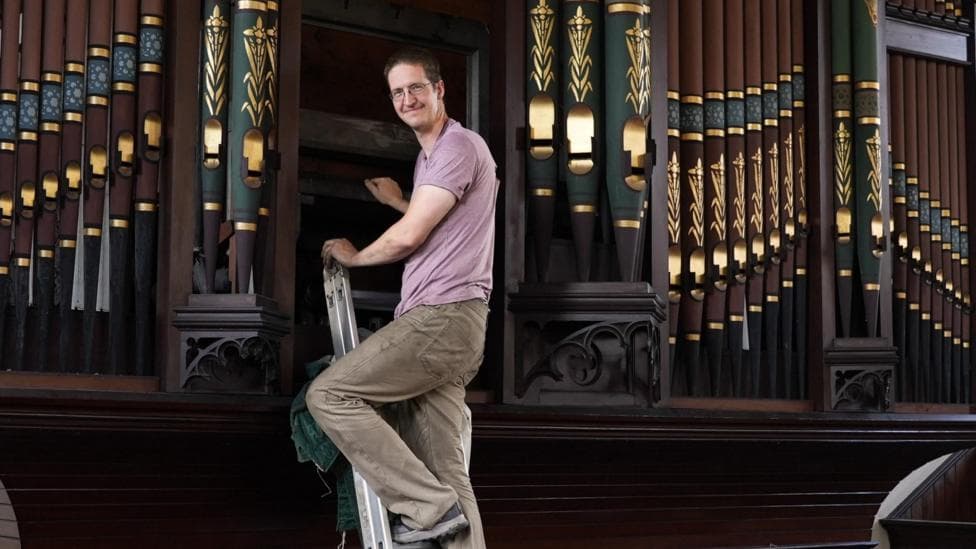
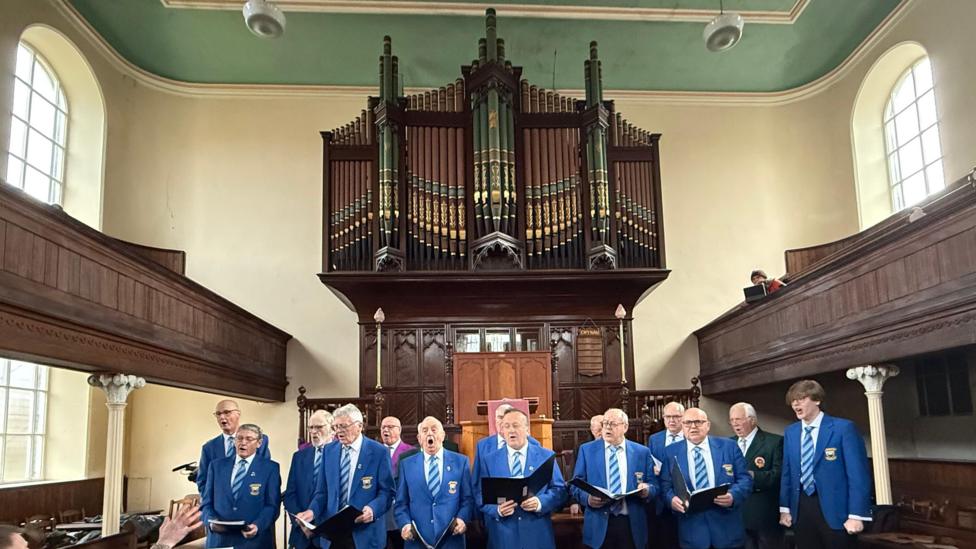
A 750-pipe instrument at Capel Rhondda in Hopkinstown near Pontypridd, where the rugby anthem Cwm Rhondda was first performed, is undergoing comprehensive restoration work ahead of its 120th anniversary in November 2027. The Grade II-listed chapel and its organ had fallen into significant disrepair after the final service was held in December 2024, but a community campaign has now secured the building and begun the painstaking work to restore the instrument to full working order.
The chapel was placed on the market by the Baptist Union of Wales for £47,500 after decades of declining attendance. Villagers who wanted the building to remain a community space launched a fundraising drive that raised more than the purchase price, with the Welsh government granting £10,000 to support assessments and restoration work. The Baptist Union responded by saying it was "deeply moved by the extraordinary response to the campaign."
Rhian Hopkins, who led the effort to acquire the chapel, is determined to see the Blackett & Howden organ fully restored in time for its anniversary next year. The instrument has not been played in more than 20 years, with repairs attempted nearly two decades ago proving unsuccessful.
How did the organ fall into such poor condition?
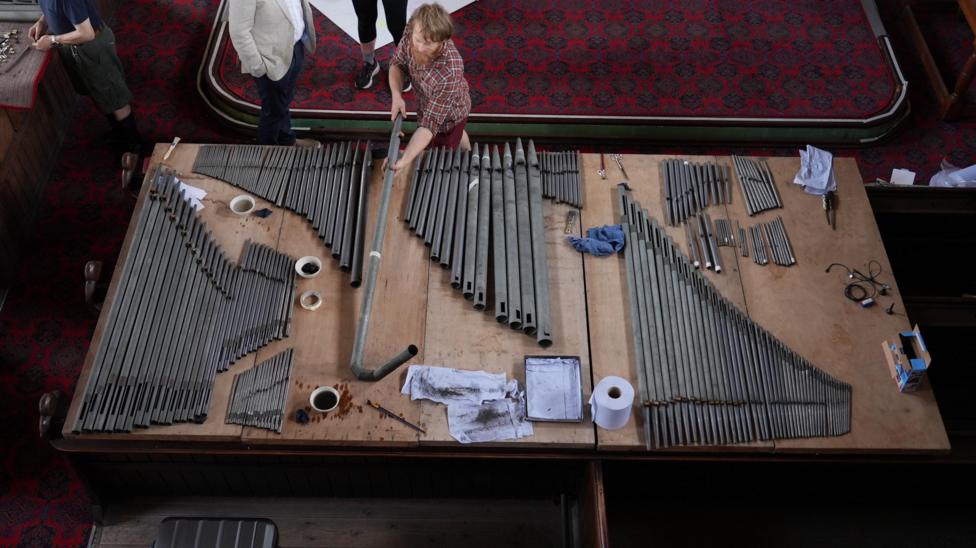
The organ had accumulated decades of neglect, with coal dust, brick dust, and whitewash from the chapel walls settling inside the pipes. Charity co-founder Martin Renshaw explained that the instrument had not been cleaned for 60 to 70 years, making the restoration particularly challenging. Despite the extensive contamination, Renshaw noted that the work is worthwhile, as historic 20th-century organs are relatively rare compared to earlier instruments.

What restoration work is underway?
The charity Pipe Up for Pipe Organs is leading the restoration effort, with a team of volunteers and enthusiasts removing, cleaning, and replacing all 764 pipes of the organ. Volunteers carried out a major community clean on 17 and 18 August, removing, cleaning and replacing all 764 pipes, marking a significant milestone in the broader restoration project.
Abergavenny-based organ builder Kingsley Robinson has described the work as "tricky" due to the organ's compact design. The instrument is fitted directly into the back wall of the chapel with no organ chamber behind it, making access extremely difficult. Robinson has already made a crucial discovery and repair: the blower, which provides wind to make the pipes sound, was spinning in the wrong direction. After fixing this fault, Robinson managed to play Cwm Rhondda on the organ's original keys for the first time in decades.
What is the historical significance of this organ?
In 1907, composer John Hughes created the hymn Cwm Rhondda, also known as Bread of Heaven, and performed it for the first time on this very organ just before Christmas. The melody has since become one of Wales' most recognisable musical exports, particularly associated with rugby matches and national celebrations. The organ itself dates to around 1907, making it a living link to a crucial moment in Welsh cultural history.
What challenges remain?
While the majority of the organ's keys now function following Robinson's repairs, additional work is still required. Some switches will need replacement, a task Robinson acknowledged as "challenging" given the confined space. The comprehensive cleaning and restoration of all 764 pipes represents a substantial undertaking that will require continued volunteer effort and specialist expertise.
What happens next?
The restoration plan aims to fully restore the instrument ahead of its 120th anniversary in November 2027. The community's commitment to preserving this historic chapel and its organ reflects a broader effort to maintain Welsh cultural heritage and ensure that future generations can experience the instrument on which one of Wales' most beloved hymns was first performed.
Key Facts
- The Blackett & Howden organ at Capel Rhondda has 750 pipes and dates to approximately 1907
- Composer John Hughes first performed Cwm Rhondda on this organ in December 1907
- The instrument had not been played for more than 20 years before restoration began
- A community fundraising campaign raised more than £70,000 to purchase the chapel after it closed in December 2024
- Volunteers and organ specialists aim to complete the full restoration by November 2027


