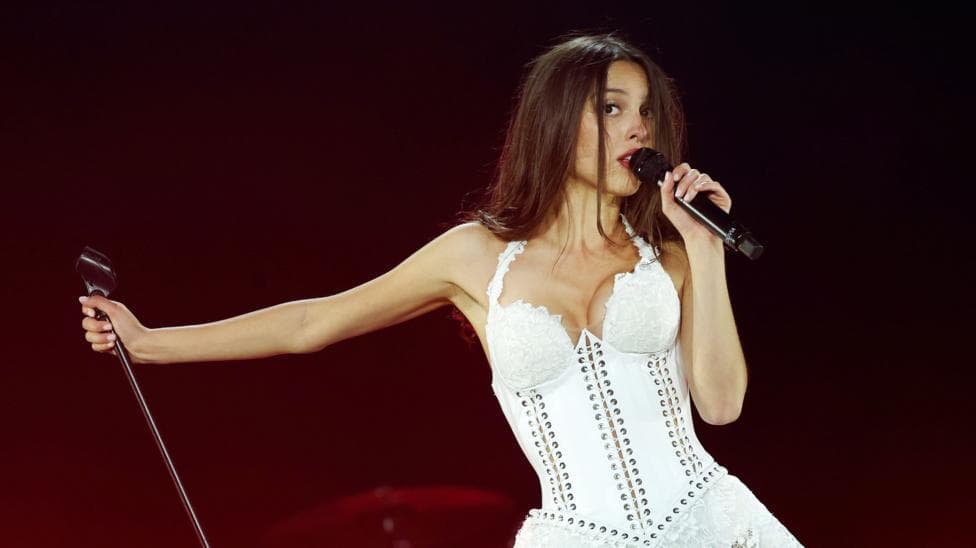
Following a year without the festival in 2026, Glastonbury has announced that tickets for its 2027 event will become available for purchase in October, with prices reaching an all-time high of £408 including a £5 booking fee per ticket—a rise of £29.50 compared to 2025 levels.
The festival, scheduled for 23 to 27 June 2027, will see coach-travel tickets go on sale at 18:00 BST on Thursday 1 October, according to the festival's official website. General admission tickets will follow two days later at 09:00 BST on Sunday 4 October. Headliners remain unconfirmed, though speculation continues about potential performers including Harry Styles, Fontaines DC, Taylor Swift and Stevie Wonder.
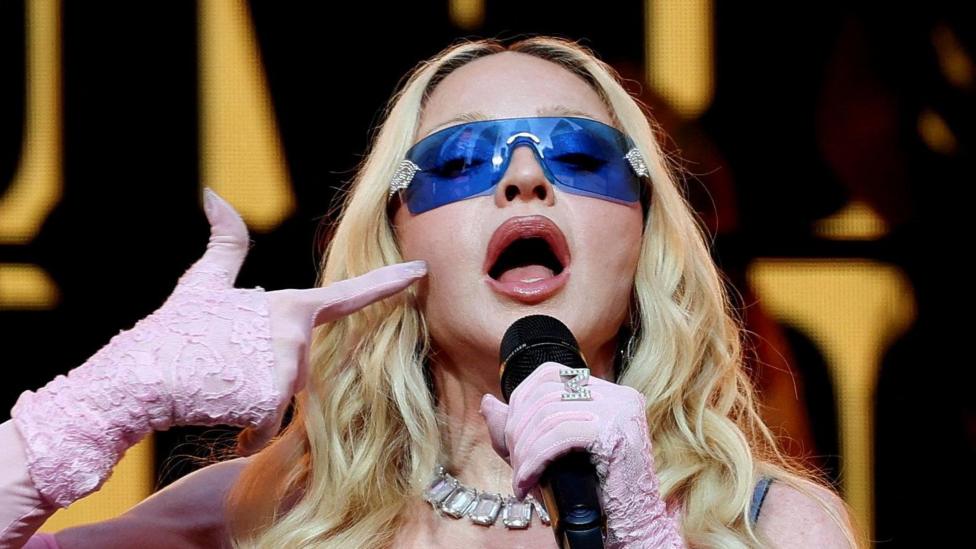
Organisers have ruled out one high-profile name: festival director Emily Eavis recently dismissed suggestions that Madonna would headline the event.
No, it's definitely not Madonna, I'll tell you that,she told BBC Radio 4's The Media Show, before adding
we have got three [other] headliners and we're very excited about it - it's all coming together really well.When asked about Taylor Swift's potential involvement, Eavis declined to elaborate further on the line-up.
Tickets typically sell out in under an hour as thousands of fans compete in online queues. To participate, attendees must register in advance through the festival's website, which offers free registration that remains open. Tickets are sold exclusively through glastonbury.seetickets.com. An automatic queuing system will operate on sale day, requiring fans to be online before the start with a valid registration number.
Why are festival tickets becoming more expensive?
Glastonbury's new price represents a significant milestone—the first time the UK's largest festival has broken the £400 barrier. The venue, which operates more than 100 stages, was already the nation's most expensive music festival, and this increase reflects a broader trend affecting the industry.
Analysis shows that ticket costs across major UK festivals have climbed faster than inflation over the past decade. Parklife tickets have increased by approximately £69 (71% in real terms) since 2013, while Reading and Leeds saw a more modest rise of about £40 (14%) over the same period. Glastonbury's own prices have risen by roughly £85 over ten years—a 30% increase in real terms.
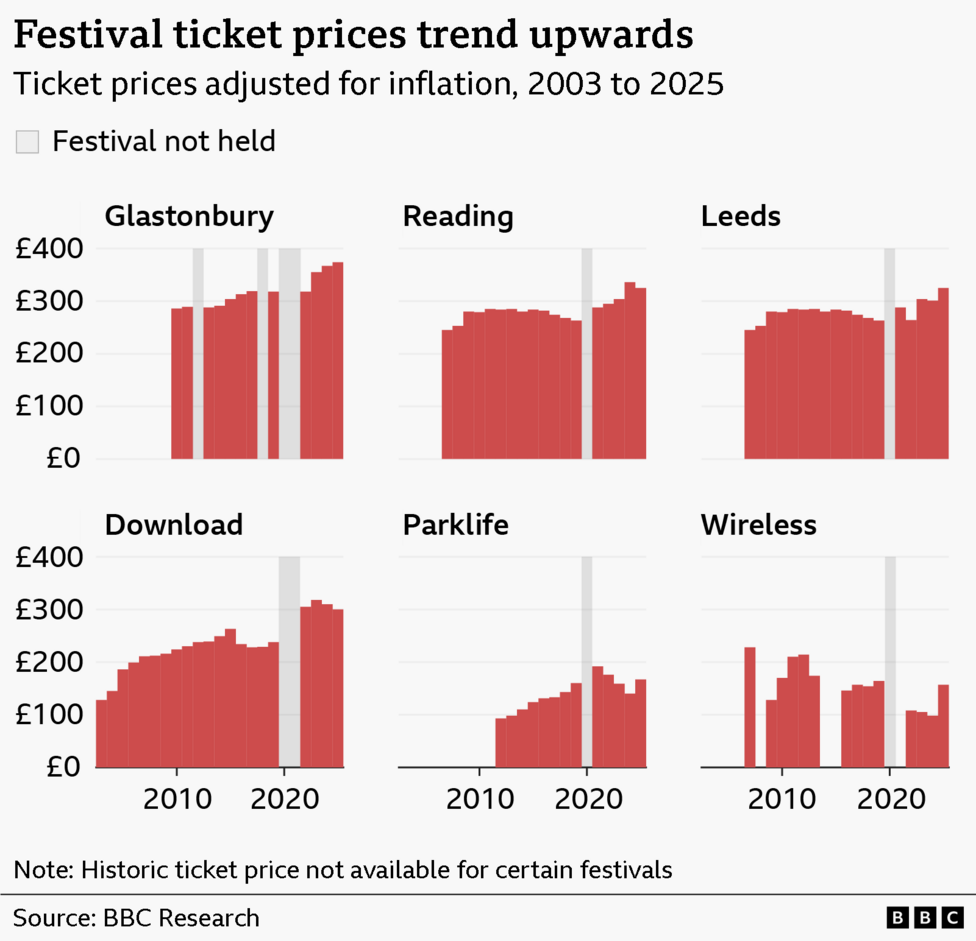
Festival organisers cite multiple factors driving these increases. Rising energy costs, expanded infrastructure requirements, and post-Brexit labour shortages have all contributed to higher operating expenses. However, not all festivals have passed these costs to attendees: Reading and Leeds held their 2025 prices steady for 2026, with passes remaining at £325, or £361 with early-bird entry.

In 2023, Emily Eavis acknowledged the financial pressures facing the sector.
We have tried very hard to minimise the increase in price on the ticket but we're facing enormous rises in the costs of running this vast show, whilst still recovering from the huge financial impact of two years without a festival because of Covid.
How is Glastonbury tackling ticket touts?
To combat unauthorised reselling, Glastonbury requires all attendees to register before purchasing. This registration system forms part of a wider industry effort to prevent touts from inflating prices. The festival's mandatory advance registration, combined with its automatic queuing system, aims to ensure tickets reach genuine fans rather than resellers.
This approach reflects growing concerns across the live music sector. Campaigns have intensified to address ticket touting at major events, with industry bodies calling for stronger protections against price inflation on resale platforms.
What happened at the last Glastonbury in 2025?
The most recent festival took place in 2025, with Olivia Rodrigo, The 1975 and Neil Young headlining. Rodrigo performed the final set on the Pyramid Stage before the festival entered its scheduled fallow year—a regular occurrence that allows organisers to rest the site and plan future events.
During Glastonbury's absence in 2026, alternative festivals such as Everywhere At Once brought live music to grassroots venues across the UK, highlighting the importance of diverse performance spaces in the music ecosystem.
What happens next?
The immediate timeline centres on ticket sales. Coach-travel tickets will go on sale on 1 October 2026, followed by general admission tickets on 4 October 2026. The festival's official site confirms that no official ticket allocations have been made yet for 2027 apart from a prize draw supporting Médecins Sans Frontières, with full booking information for tickets and accommodation to be released in autumn 2026.
Key Facts:
- Glastonbury 2027 tickets will cost £408 including booking fee—the highest price ever
- Coach-travel tickets go on sale 1 October 2026 at 18:00 BST; general admission on 4 October at 09:00 BST
- Festival director Emily Eavis has confirmed three headliners are locked in but ruled out Madonna
- Advance registration is free and mandatory for all ticket purchasers
- UK festival ticket prices have risen faster than inflation over the past decade, with Parklife up 71% in real terms since 2013