Energy UK, the industry trade body, has called on the government to intervene urgently to support households facing mounting energy bills this winter, warning that delay risks triggering a prolonged and costlier crisis than the one that followed Russia's invasion of Ukraine.
Domestic gas prices rose on Thursday, and forecasters predict a substantial jump in January when the next price cap takes effect. The industry body cautioned that without swift government action, the country faces a repeat of the 2022 energy emergency that left millions struggling to heat their homes.
Forecasters are predicting a 16% increase in domestic energy prices in the new year for 20 million households on variable tariffs subject to Ofgem's price cap. According to consultancy Cornwall Insight, the typical annual bill for a household using both electricity and gas and paying by direct debit could rise to £1,999 from January 2027, up from the current level of £1,723.
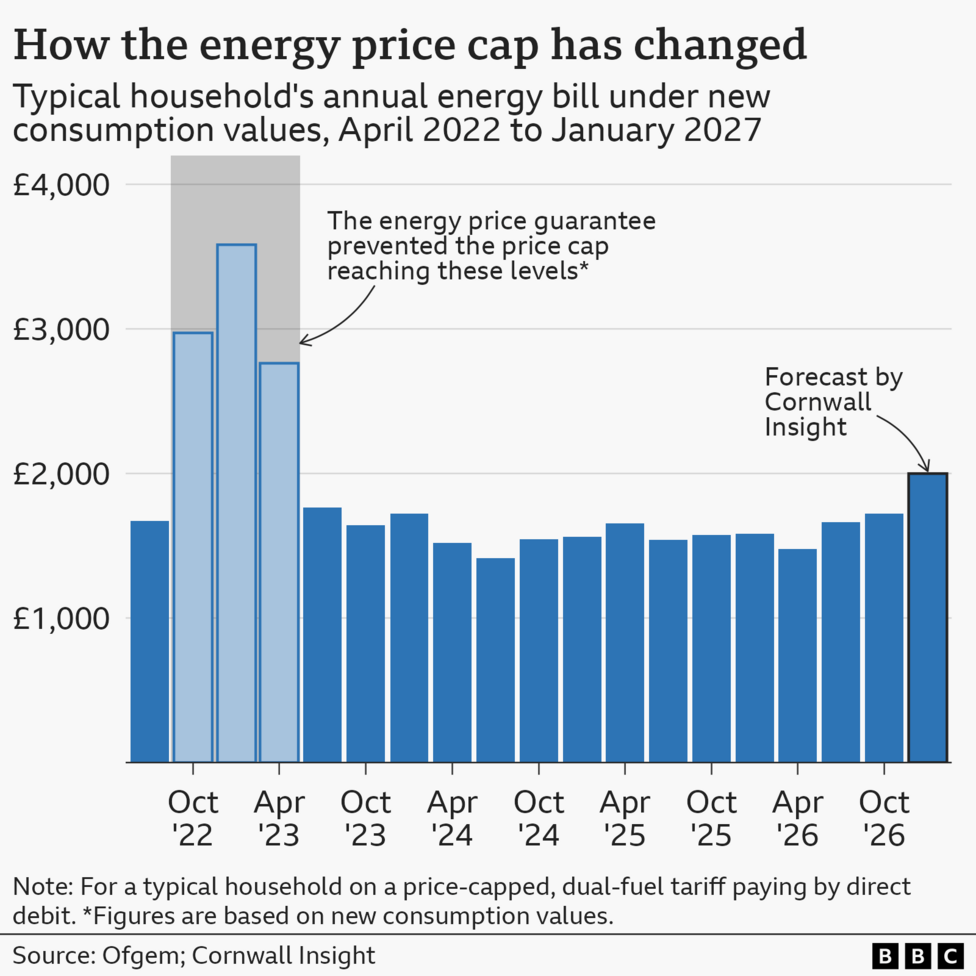
The October price cap increase, which took effect on 1 October, added £60 annually to bills—equivalent to £5 per month. This followed higher wholesale gas prices, which a national broadcaster reported were linked to tensions in the Iran region. Despite government support measures including a cut to VAT on electricity bills announced on Thursday, Energy UK said these savings have been overwhelmed by elevated wholesale costs driven partly by international geopolitical events, including conflict in the Middle East and disruptions to shipping through the Strait of Hormuz.
Prime Minister Andy Burnham told the BBC that the government was examining any measure capable of easing pressure on households. He declined to dismiss warnings from energy suppliers that the country was entering a second energy crisis, describing the situation as "very difficult indeed."
How much have bills risen since the 2022 crisis?
Energy bills remain approximately 70% above pre-crisis levels, according to reporting from a national broadcaster, more than two years after Russia's full-scale invasion of Ukraine triggered the initial surge in wholesale prices. The current trajectory suggests bills could reach levels not seen since the peak of the earlier crisis, when the price cap hit £3,582 in July 2023.
What support is already in place?
The government has introduced several measures to help households manage energy costs. VAT on electricity bills has been cut to zero, with the zero rate confirmed to remain in effect through 31 March 2027. Additionally, the government said the Warm Home Discount will provide £150 of support to six million households this winter. However, Energy UK argues these measures have been negated by the scale of wholesale price increases.
What is the Ofgem price cap?
The price cap limits the unit rates and standing charges that suppliers can set, though actual household bills depend on how much energy is consumed. The cap applies to households on variable tariffs in England, Scotland and Wales. Ofgem adjusts the cap quarterly to reflect movements in wholesale costs and other factors affecting the market.
What interventions is Energy UK calling for?
The industry body has outlined three main areas where government action is needed. First, it is seeking targeted support beyond the existing Warm Home Discount, eventually leading to a discounted social tariff for vulnerable households. Second, it is proposing a debt relief scheme for severely affected households, combined with measures to prevent debt accumulation among new tenants and homeowners. Third, it is calling for the removal of additional levies from electricity bills and their transfer to general taxation as part of a broader electrification strategy.
Dhara Vyas, chief executive of Energy UK, emphasised the urgency of intervention.
We cannot afford to wait for the same scale of crisis before acting again. We must heed the lessons from that time,she said, referring to the 2022 emergency. She highlighted that customer debt has reached levels where it now adds an average of £67 annually to everyone's bills, a hidden cost borne collectively by all consumers.
Vyas warned that
last-minute emergency interventions run the risk of being badly targeted and costing us all more,arguing that proactive planning would be more effective and economical than reactive crisis management.
What are suppliers warning about?
On Thursday, Simone Rossi, chief executive of supplier EDF Energy, warned that the UK was entering a second energy crisis. His assessment aligns with Energy UK's position that the trajectory of rising wholesale prices mirrors the conditions that preceded the 2022 emergency. The industry is concerned that without intervention, the scale and speed of bill increases could overwhelm vulnerable households and trigger widespread payment difficulties.
When will the next price cap be announced?
Ofgem is scheduled to announce the price cap for the period from 1 January to 31 March 2027 on 25 November 2026. This announcement will confirm whether the forecasted £1,999 figure materialises or whether wholesale prices move in a different direction in the intervening weeks.
Key Facts:
- The typical household energy bill is forecast to rise to £1,999 in January 2027, a 16% increase from the current £1,723
- Energy bills remain approximately 70% above pre-crisis levels despite falling from their 2023 peak of £3,582
- Customer debt now adds an average of £67 annually to all consumers' bills
- The zero VAT rate on electricity is confirmed through 31 March 2027
- Ofgem will announce the next price cap on 25 November 2026