Prime Minister Andy Burnham's efforts to convince voters he is delivering relief from the cost of living face mounting pressure from persistent inflation and the threat of higher interest rates, as geopolitical tensions continue to reshape the economic landscape.
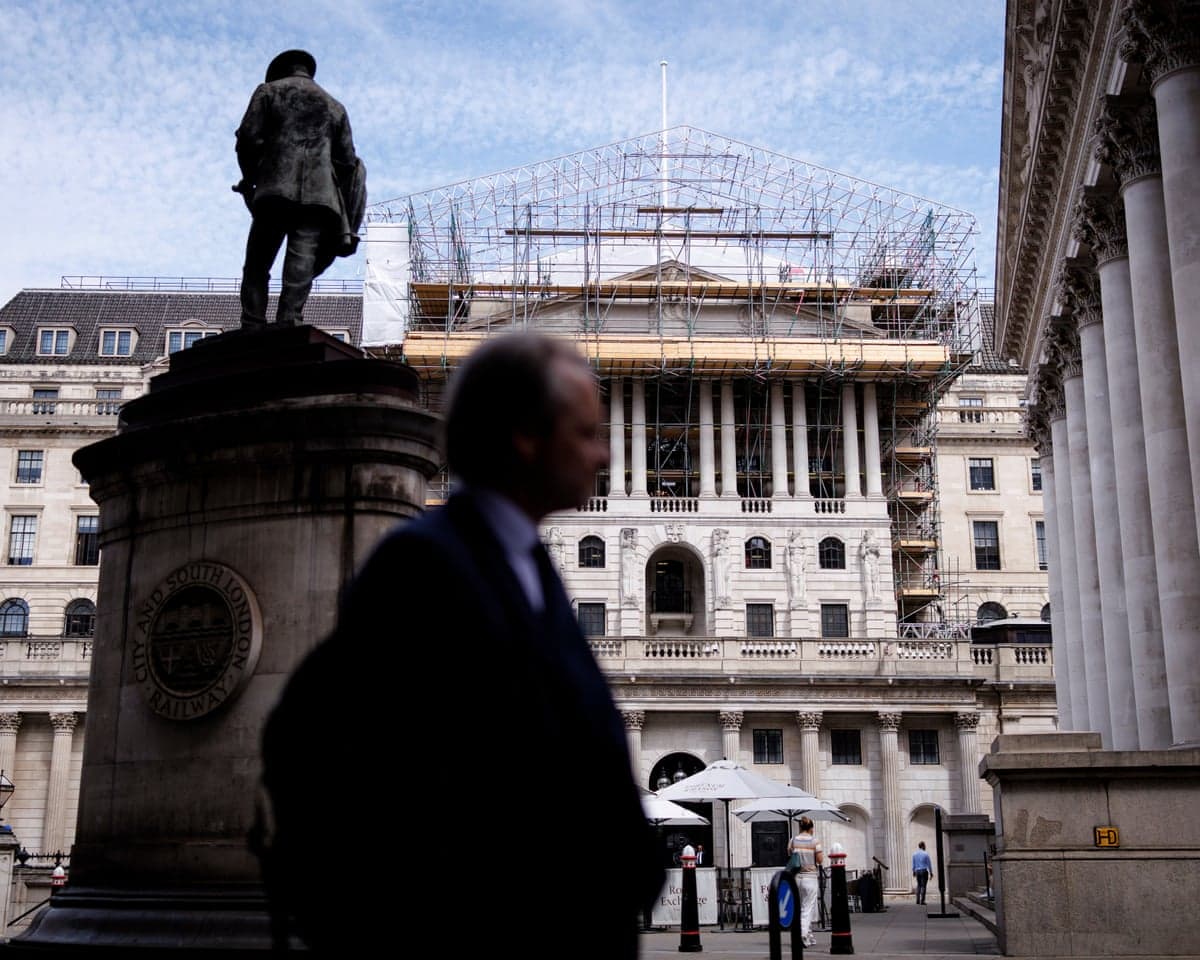
The Bank of England held its benchmark interest rate steady on Thursday, but the minutes from the monetary policy committee's meeting revealed growing concern about the path ahead. Bank Governor Andrew Bailey signalled that if current geopolitical tensions persist, rate rises may become unavoidable.
"If the conflict in the Middle East persists for an extended period, as appears to be the case, it is likely that policy may have to tighten,"Bailey said.
The decision to maintain rates at their current level masks deeper anxieties within the Bank about the inflationary pressures building across the economy. According to , all 65 economists surveyed expected the Bank to hold rates steady on 17 September 2026, with nearly 90% of those polled anticipating rates would remain unchanged for the remainder of 2026. Yet the underlying tone of the Bank's communications suggests this patience may not last indefinitely.
When Burnham took office in July 2026, the international situation appeared more stable, and the UK economy was growing steadily. The resumption of conflict in the Middle East has since driven global oil prices back above $100 a barrel, sending shockwaves through energy markets across Europe and Asia. In Britain, inflation has begun to climb again, driven primarily by rising fuel costs. Even without a rate increase from the Bank, mortgage rates have already risen as financial markets prepare for a prolonged period of elevated inflation.
The Bank now expects inflation to exceed 4% in the first quarter of 2027. According to , economists forecast inflation will average 3.1% across 2026 before easing to 2.5% in 2027 and 1.9% in 2028, though the current trajectory remains uncertain. The Bank's own analysis indicates it expects inflation to rise further during the second half of 2026.
Why the Bank is holding back for now
The six-to-three vote to maintain rates at their current level mirrors the decision taken at the previous meeting in July, suggesting no immediate rush to tighten policy. The committee's reluctance to act reflects recognition that while energy prices have surged, the jobs market remains fragile. This weakness in employment helps prevent what economists call "second-round effects"—the process by which temporary price shocks become embedded in wage demands and long-term inflation expectations.

The decision leaves the Bank of England as an outlier among major central banks. The Federal Reserve, led by Chair Kevin Warsh, defied calls from Donald Trump for rate cuts by raising rates for the first time since 2023 on Wednesday—a move that reassured financial markets but provoked the president's anger. The European Central Bank has already cut rates, and the Bank of Japan is expected to follow suit on Friday.
The double squeeze facing the government
Burnham began his premiership with modest but concrete cost-of-living measures designed to ease household pressures. However, he now confronts a difficult squeeze from two directions. Rising inflation and energy prices threaten to erode the real value of any government support, while higher borrowing costs for the state itself limit the resources available for future interventions.
This challenge arrives at a particularly fragile moment. The Bank acknowledges that weather-related shocks are likely to push food prices higher in coming months, and bond markets remain unstable. The government's own borrowing costs have already climbed significantly—when Burnham faced his first Prime Minister's Questions clash with Conservative leader Kemi Badenoch on 2 September 2026, UK borrowing costs had hit an 18-year high, forcing the new prime minister to blame the previous Conservative administration for the market turbulence.
Earlier analysis suggested Burnham would face severe constraints on his ability to increase borrowing to fund his pledges. A think tank warned in late July that the government would need to choose between tax rises and spending cuts, as inflation was expected to remain elevated through 2027.
What happens next
The Bank of England is scheduled to announce its next monetary policy decision on 17 September 2026. According to the Bank's rate explainer, the current Bank Rate stands at 3.75%, with the target inflation rate set at 2% and the current rate at 3.1%. Market pricing remains centred on rates holding steady at that level, but the language from policymakers suggests the window for maintaining this stance may be narrowing.
Burnham has signalled his intention to focus more on domestic priorities than his predecessor, Keir Starmer. Yet if the Middle East conflict continues—as current circumstances suggest it will—the costs of geopolitical instability will inevitably reach British households regardless of the government's preferences, through higher energy bills, elevated inflation, and potentially rising borrowing costs that constrain the state's ability to intervene.