Microsoft is imposing strict monthly time restrictions on cloud gaming access for Game Pass rs starting in November 2026, marking a significant shift from the service's previously unlimited model. The move reflects the company's efforts to manage infrastructure costs while maintaining service quality, though it has drawn criticism from users and industry observers who question the decision's impact on the platform's appeal.
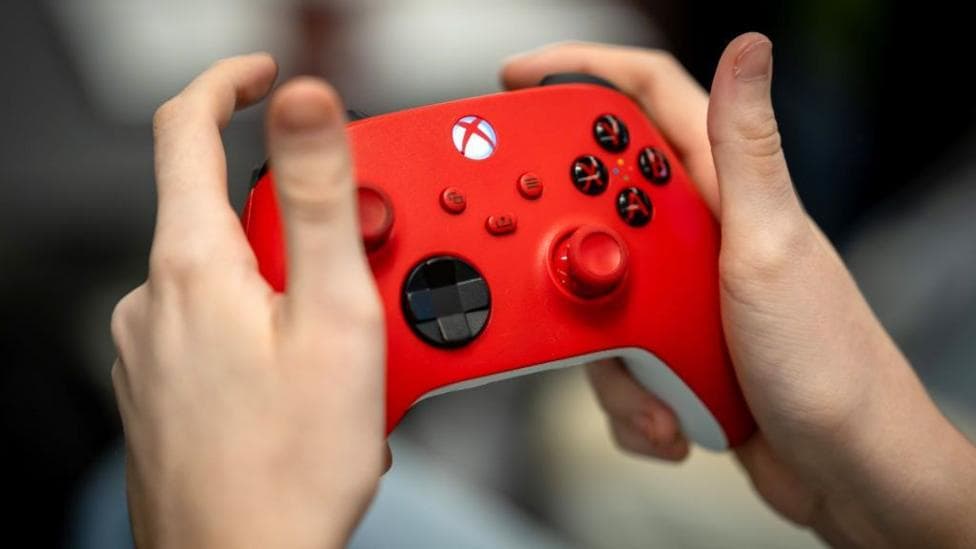
rs to the £16.99 Game Pass Ultimate plan will be capped at 15 hours of monthly cloud gaming before facing charges for additional playtime. According to CNBC, Game Pass Premium members will receive 10 hours monthly, while those on the Essential tier will get five hours. Microsoft will permit users to purchase additional hours through the Xbox Store once their monthly allowance expires, though pricing details remain unannounced.
Cloud gaming enables players to stream and play titles from remote servers using smartphones, tablets, or controllers rather than downloading software to personal devices. The technology has long been positioned as a potential alternative to traditional console and PC gaming, yet adoption has remained limited due to reliability concerns tied to internet connectivity requirements.
Xbox stated that the cost pressures driving this decision stem from the expanding infrastructure demands of both cloud gaming and artificial intelligence services, which share the same data centre resources. The company framed the caps as necessary to sustain ongoing investment in service reliability and performance. The company is making the change to balance usage and costs after years of unlimited access.
The announcement has sparked debate within the gaming community. One social media commenter expressed frustration, stating:
This is a pretty awful change, hopefully Xbox adds an extra zero on the end cause 15hrs is abysmal. 30 minutes a day, really?
Industry analyst Jez Corden of Windows Central highlighted a perceived contradiction in Microsoft's resource allocation. He told the BBC that the announcement demonstrated how
absolutely nothing is safe from the AI-driven component crisis, while noting that
For them to continue to offer unlimited access to Microsoft Copilot [AI] for free but restrict paid cloud gaming in this way shows some contradiction. Both cloud gaming and AI infrastructure rely on the same data centre processing capabilities, creating competing demands for computational resources.
Who Will Be Affected?
Xbox disclosed that only 4% of Game Pass rs currently use its cloud gaming service. A Wall Street Journal report indicated that Game Pass maintains approximately 30 million rs, suggesting that roughly 1.2 million users will face the new restrictions. Despite this relatively small percentage, the change represents a fundamental alteration to the service proposition for those who depend on cloud gaming as their primary way to access titles.
Why Is Microsoft Making This Change?
The decision reflects broader pressures facing the technology industry. Xbox Chief Executive Asha Sharma recently described the sector as being in the midst of
Rampocalypse— a reference to the dramatic increase in random access memory (RAM) costs driven by the expansion of compute-intensive data centres. She explained to the BBC that
As an industry, we're in the middle of 'Rampocalypse'. We're in the middle of people coming back from Covid and the patterns changing.

Sharma also acknowledged that Xbox itself has faced financial challenges. She stated:
Within Xbox, we haven't been healthy. And so a lot of the reset that will take us throughout the year is really meant to help ensure that we are here for the next 25 years and we're continuing to serve our purpose and our mission.According to Microsoft's July financial filings, annual Xbox revenue declined by $1.7 billion to approximately £16.1 billion — representing a 7% drop compared to the previous year.
The company's restructuring efforts have been substantial. Xbox has eliminated 3,200 positions, with 1,600 departures announced in July and the remainder scheduled to occur gradually throughout Microsoft's 2027 financial year. Additionally, studios acquired by Xbox — including Compulsion Games, developer of the award-winning South of Midnight, and Double Fine Productions, creators of Psychonauts — have been spun back into independence.
What Is the Broader Context for Cloud Gaming?
Cloud gaming has long been promoted as a potential future for the industry. In July, Jeff Gattiss, Amazon's head of gaming, told the BBC that he anticipated rising technology costs would drive consumers toward streaming games rather than purchasing new consoles. However, the technology has struggled to achieve mainstream adoption despite significant investment from major technology firms.
Google's experience illustrates these challenges. The company launched Stadia in November 2019 as a
Netflix for games, but discontinued the service in January 2023 after failing to attract sufficient users. For many gamers, cloud gaming remains unreliable for regular use due to its dependence on high-speed internet connectivity. The introduction of additional fees may further diminish its appeal to cost-conscious players.
Microsoft's cloud gaming service was previously unlimited for eligible Game Pass rs, according to industry reporting. The shift toward time-limited access marks a departure from this model and signals the company's prioritization of cost management over service expansion.
What Happens Next?
The new monthly cloud gaming limits are scheduled to take effect in November 2026. Microsoft has committed to providing additional details regarding pricing for supplementary cloud playtime before the rollout begins. Users will have the option to purchase extra hours through the Xbox Store once their monthly allocation is exhausted, though the company has not yet disclosed the cost structure for these additional hours.
This development builds on earlier strategic shifts at Xbox. In April 2026, the company reduced Game Pass subscription prices while delaying new Call of Duty games from day-one availability on the service — a move that signalled changing priorities under Sharma's leadership. More recently, in August 2026, Sharma outlined the company's commitment to affordability for its next-generation console amid the hardware cost crisis and announced a disc-to-digital conversion feature for 1,000 games.

Microsoft's president Brad Smith recently acknowledged the necessity of these changes, telling the BBC:
Sometimes you have to restructure a business when it's not doing well, and that was true with our Xbox business.The company is betting that these restructuring efforts, including the cloud gaming restrictions, will help reverse Xbox's financial trajectory despite ongoing concerns about its subscription strategy and the escalating costs associated with AI infrastructure.