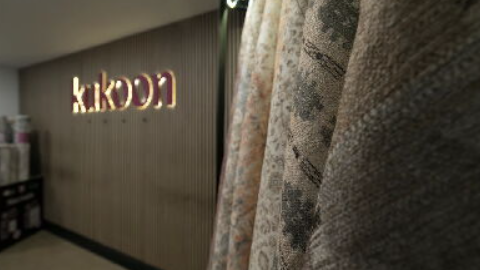
Carpet making stands among the world's oldest skilled trades, yet even this traditional industry is now adopting cutting-edge artificial intelligence to enhance operations and expand capabilities. According to BBC News, family-owned Kukoon Rugs, which distributes products online and through major retail chains across the UK and Ireland, has integrated AI extensively across its operations to become more competitive.
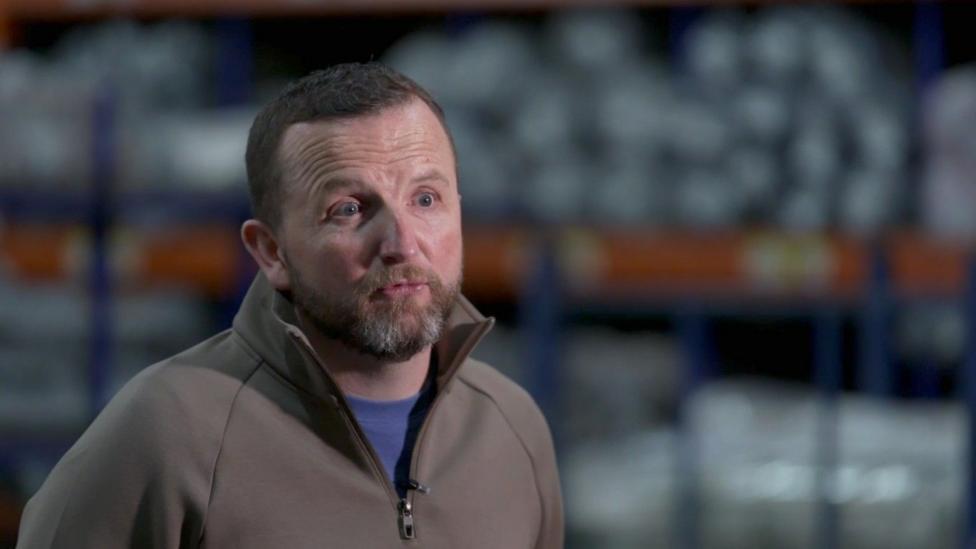
Chief Executive Paul Vallely reports that AI deployment spans every department within the organisation, from finance and commercial operations to marketing, supply chain management, and product development. The company has recently sealed a major partnership with Next, with its rug range now available through Next's UK online platform, supported by AI-powered automation investments across multiple departments. Kukoon currently ships more than 8,000 rugs weekly to 60 countries and reported £21 million in revenue and £2.2 million in EBITDA for the financial year ending March 2026, with budgeted growth of just over 20% projected for the following year.
Despite the centuries-long heritage of rug manufacturing in the Newry area, Vallely emphasises that technology fundamentally transforms how the business operates. While the physical product itself may remain relatively unchanged, the processes governing design, creation, marketing, and customer delivery have undergone radical transformation through AI integration.
How does AI affect creative work?
Contrary to concerns that artificial intelligence diminishes creativity in traditional industries, Vallely argues the opposite occurs. AI enables teams to complete work with greater accuracy, efficiency, and thoughtfulness while freeing staff to focus on higher-value analysis, research, and creative output. The most significant benefit has been eliminating repetitive, tedious office tasks, which has boosted team engagement and morale.
As adoption has widened across the organisation, employees have identified opportunities to undertake work previously impossible to achieve at desired quality standards. This shift has released time for staff to pursue more meaningful projects and develop skills at levels previously unattainable.
What role does AI play in manufacturing?
Northern Ireland's manufacturing sector, historically renowned for linen and shipbuilding following the 19th-century industrial revolution, continues to embrace technological advancement. The region's manufacturing output grew 9% year-on-year in the second quarter of 2026, compared with just 1.2% across the UK, with computer, electronic, electrical and optical products expanding by almost 28%, driven largely by data-centre demand.
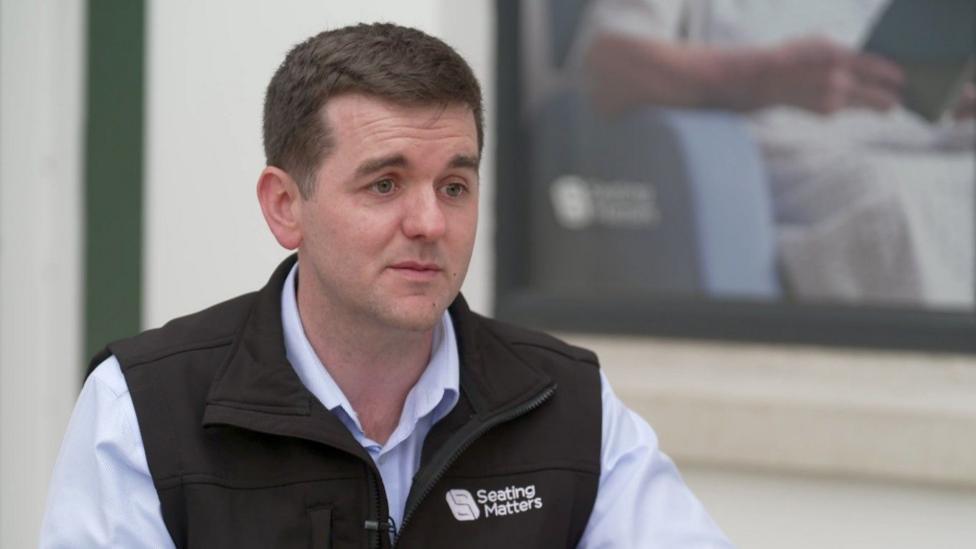
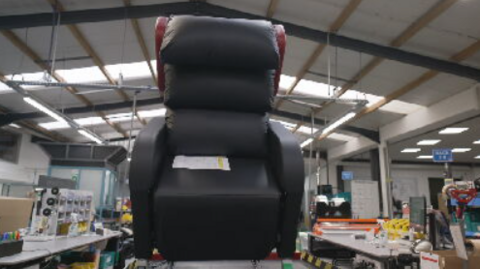
Seating Matters, a specialist clinical seating manufacturer based in the Sperrin Mountains near Limavady, exemplifies this trend. The company exports products to healthcare facilities worldwide, including the United States and Australia, and has supplied seating featured in television dramas including Emmerdale and Coronation Street. Managing Director Martin Tierney acknowledges both strengths and limitations in AI technology but has integrated it into daily operations as an essential business tool.
Can AI replace workers?
Tierney articulates a crucial distinction:
AI is not going to replace your job, but someone who knows AI could replace your job, so we're very much embracing it, encouraging people to use it, and doing it within guardrails in a sensible way.While the technology proves inadequate for customer-facing service roles, it has revolutionised back-office functions including accounting, finance, data management, and information compilation from multiple sources.
Tierney compares AI's transformative power to the calculator's impact on accountancy in the 1800s. Rather than eliminating accountants, calculators increased their productivity, as did spreadsheet software later.
AI is doing that again, but doing it on steroids.Implementation across Seating Matters has not reduced headcount; instead, the company now employs more staff than previously, with AI enabling greater productivity and more intellectually demanding work while reducing time spent on tedious administrative tasks.
This employment pattern aligns with broader Northern Ireland trends. Kainos, Northern Ireland's largest software firm, plans to create 341 new jobs over three years, investing £19.8 million to meet rising AI demand with government and Invest NI support. Similarly, TES, a Ballykelly manufacturer of electrical systems for AI data centres, expanded from two employees to approximately 175 in four years before acquisition by French industrial group Legrand.
How do companies implement AI safely?
Tierney emphasises that AI adoption need not require technical expertise. Staff can simply describe their objectives and request assistance developing ideas. However, Seating Matters operates within strict guardrails, refusing to input patient or financial information into AI systems. The company uses AI to search through data and locate historical documents, but always maintains human oversight.
Tierney likens this approach to driving with the handbrake engaged.
We're not putting patient information or financial information on here. Yes, we can use it to sift through data to help us find an email from six years ago that might be relevant today, but we're doing it in a way that there's always a human at the wheel. It's always checked by someone.
What comes next?
Both companies demonstrate that traditional industries can harness modern technology without abandoning their heritage or workforce. Kukoon co-founders Paul Vallely and Clare Walsh are finalists for the 2026 EY Entrepreneur of the Year awards, with the overall winner due to be announced in late November. Their success illustrates how established businesses can remain competitive by thoughtfully integrating AI while maintaining human judgment and oversight at every stage.