Two exhibitions opening at Charleston in Lewes showcase contrasting visions of creativity and imagination. Quentin Bell's ceramics, sculptures and drawings celebrate a lifetime devoted to wonder and enchantment, while Olivia Sterling's provocative paintings harness similar magical imagery to interrogate race, class and power dynamics. The shows, which run from 19 September 2026 to 7 March 2027, reveal how two artists separated by generations have used fantasy and spectacle as tools for very different artistic purposes.
A Life Devoted to Magic and Wonder
Quentin Bell was not a great artist, yet he never allowed that to deter him. Throughout his career, he perceived existence as fundamentally magical—a realm inhabited by mythological creatures, levitating figures, knights in armour and newts swimming in ponds. The ceramicist, who was the son of Vanessa Bell and Clive Bell and biographer of his aunt Virginia Woolf, channelled this enchanted worldview into decades of pots, plates, figurines and drawings overflowing with astonishment and delight. When he died in 1996, he left behind a vast body of work that defied the artistic conventions of his era.
The catalyst for this lifelong preoccupation emerged when Bell was nine years old. Relatives took him to a magic performance where he witnessed a breathtaking illusion: a woman appearing to float suspended in mid-air. This single moment of wonder never abandoned him, becoming the animating force behind his artistic practice.
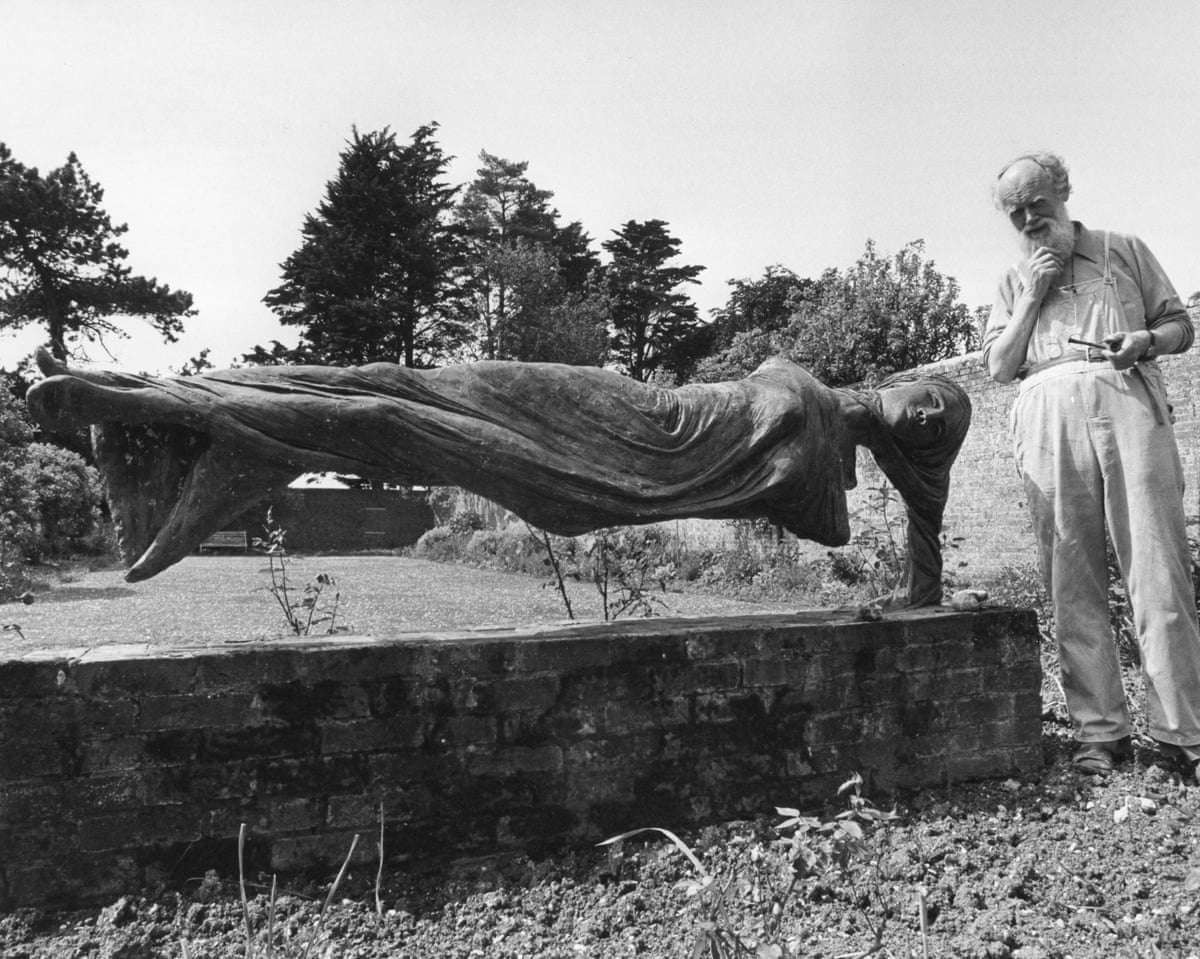
The exhibition, marking the thirtieth anniversary of Bell's death, brings together more than 100 works spanning from his childhood inventions to his mature practice. Bell began creating at Charleston itself at age six, extracting clay from the pond and constructing ceramic towers. Five sculptures in the show capture bodies suspended in mid-air, rendered stiff and weightless. These range from rough, experimental pieces in wire, wood and plaster dating to the 1960s, through bronze works from the 1980s, to painted ceramics from the 1990s—a trajectory moving from austere modernism to vivid, ornamental expression, yet always returning to the theme of levitation that defined his creative journey.
What Made Bell's Work Distinctive?
Much of Bell's output consists of ceramic vessels: plates, pots and figurines rendered in bright, glossy finishes. These objects function as irreverent interpretations of eighteenth-century European decorative traditions, particularly rococo porcelain with its depictions of reclining women in elaborate gowns. The figurines themselves are not accomplished: they are crudely fashioned, often misshapen and largely unremarkable, though occasionally amusing in their awkwardness.
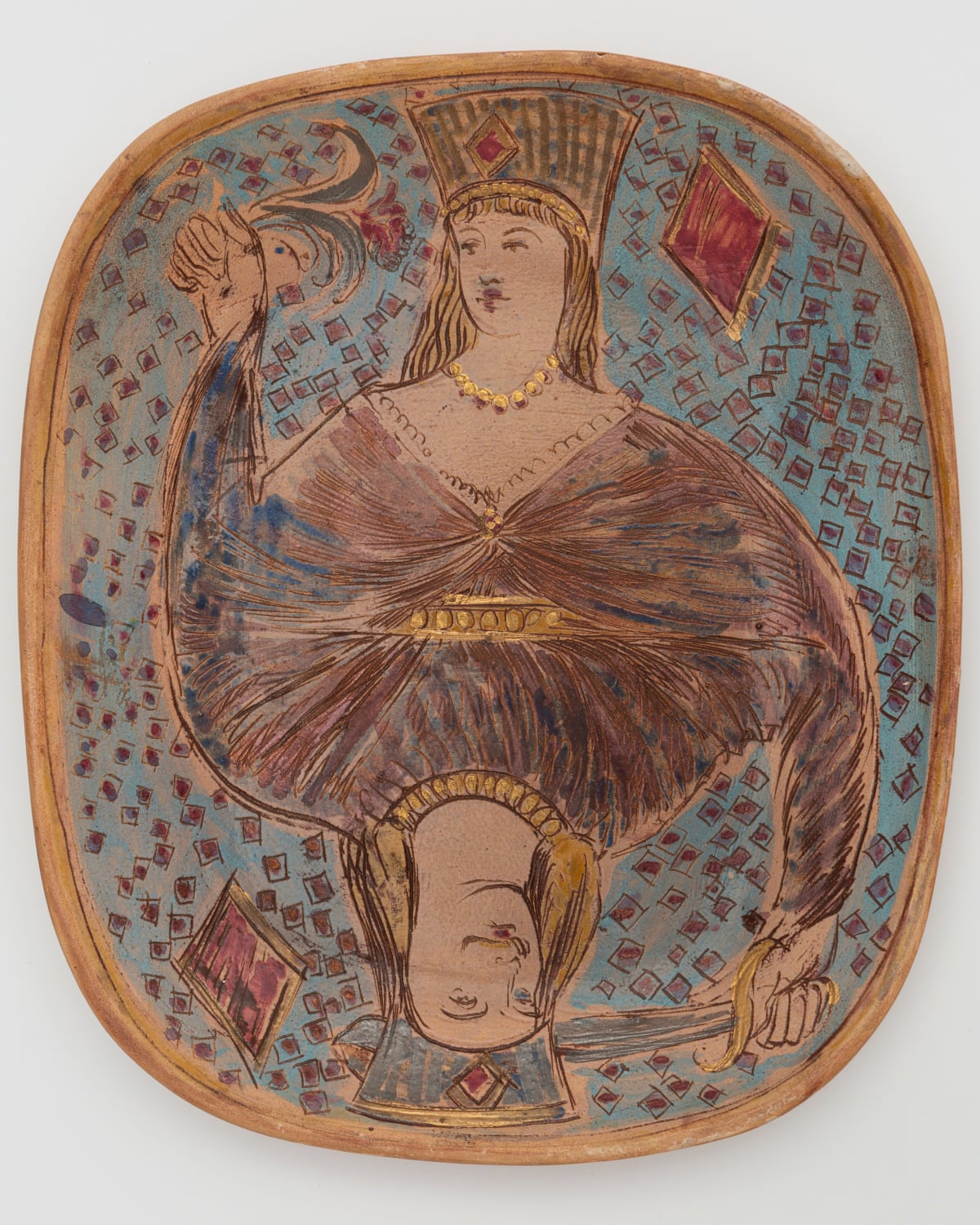
His plates and teapots demonstrate greater success, particularly the later cups and jugs, which combine colour and ornamental appeal. His drawings and illustrations, however, reveal significant limitations. He painted Greek myths and biblical narratives, illustrated the tale of Cinderella and invented a fantastical history of Sussex, yet none of these works achieves technical proficiency or sustained interest. Many appear to have been conceived as entertaining projects for his children, which indeed some were.

What renders this body of work compelling is its fundamental opposition to the dominant aesthetic movements of his lifetime. Bell rejected the severe minimalism championed by influential potters such as Bernard Leach, the abstraction and surrealism sweeping through Europe, and the grim realist aesthetic that characterised much English modernism. Instead, he pursued something far more anachronistic: strange, charming, distinctly English and utterly idiosyncratic creativity expressed entirely on its own terms.
The exhibition functions as a rare opportunity to encounter Bell as an artist in his own right, rather than solely as a Bloomsbury biographer. The central revelation is not that Quentin Bell excelled at art—he did not—but that dedicating one's existence to creative expression possesses its own profound and beautiful power.
Sterling's Darker Vision of Magic and Control
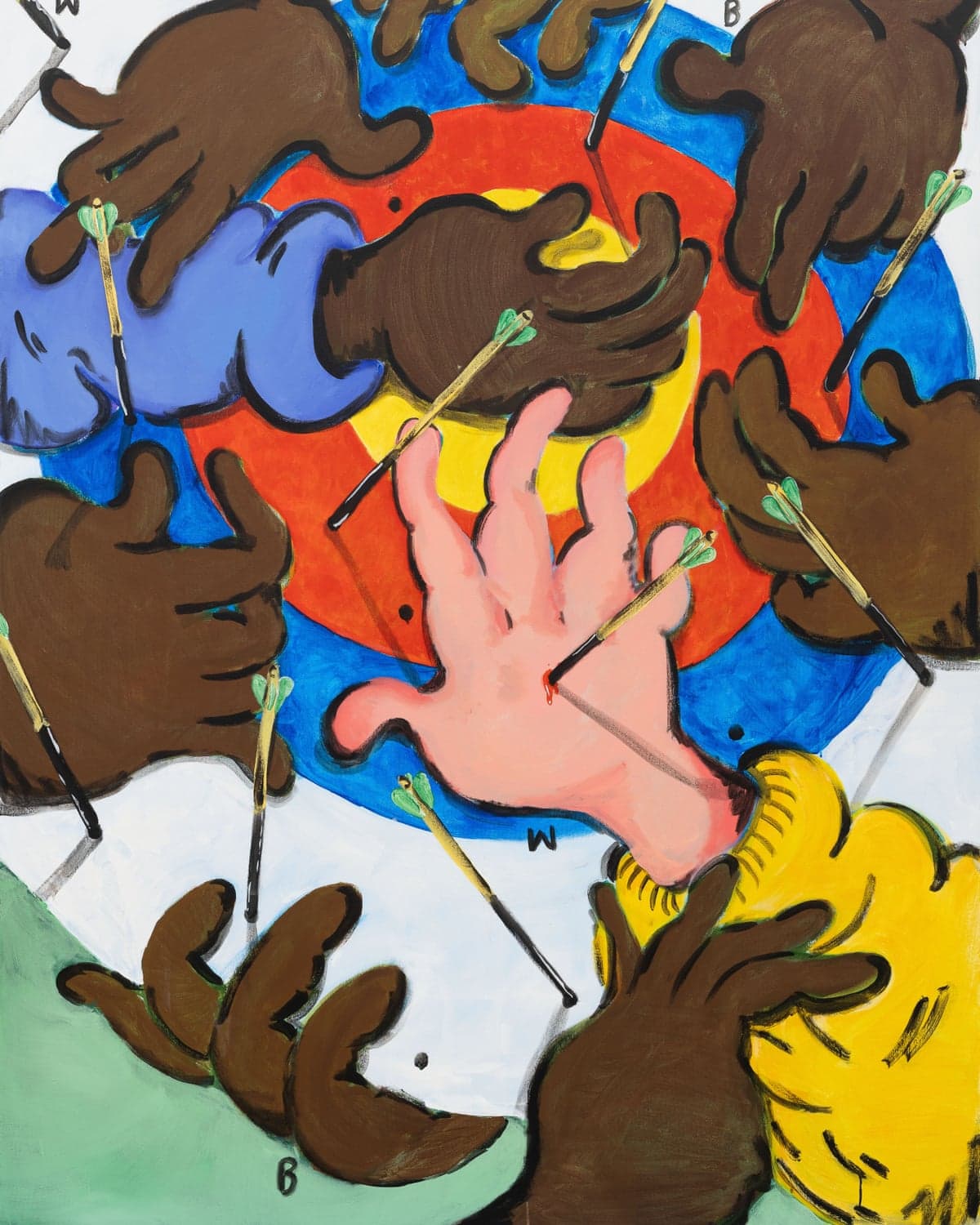
Far more accomplished is the exhibition by the gifted young English painter Olivia Sterling. She has absorbed Bell's magical preoccupations and propelled them toward bawdier, stranger, more hilarious and critically incisive extremes. Sterling's practice centres on appropriating the visual vocabulary of vintage cartoons and comics, the symbolic language of food, and representations of the human form, then reconfiguring these elements into sharp critiques of racial hierarchies and power structures. This presentation showcases her most audacious, unsettling and uninhibited work.
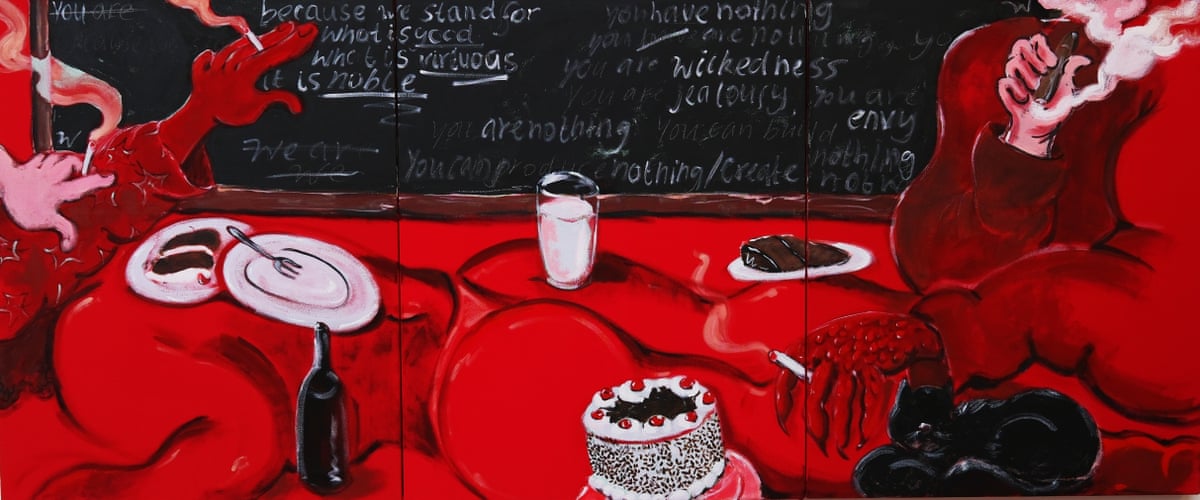
Entering the gallery space, visitors encounter a room-sized painting depicting enormous bodies compressed into corsets and girdles or sprawling in dressing gowns—as though one has stumbled behind the curtain of a burlesque theatre. Then the narrative unfolds. In one menacingly crimson composition, a woman has metamorphosed into a filthy dining table, her body scattered with half-consumed cake and milk glasses. Another work presents a pink corpse adorned with ice-creams, a magician's rabbit scampering across her abdomen and milk spurting from her breast. Smaller paintings depict white liquid being extracted and stretched from teats and bodily openings. A monumental triptych shows a white body positioned inside a magician's sword box, one Black woman pressing down upon it while another plunges a blade through.
Sterling establishes a connection between magic and authority, proposing that both operate according to identical principles: illusion, artifice, constructed reality. This constitutes intelligent, politically engaged narrative painting. Crucially, however, it remains playful, explosively colourful and deliberately excessive. Were it miserable, solemn and austere, the viewer would feel subjected to a sermon. Instead, one experiences something akin to watching a Tom and Jerry cartoon about greed and racism, complete with all its violence and physical comedy intact. That is genuine magic.
Sterling's work turns a vivid, playful eye on race, class, gender and domestic life, using the language of pleasure and spectacle to expose the mechanisms through which power operates. Where Bell found wonder in levitation and myth, Sterling finds critique in the same visual vocabulary—transforming enchantment into interrogation.
What Happens Next
Both exhibitions are open Wednesdays to Sundays and Bank Holiday Mondays from 10am to 5pm. The shows continue through 7 March 2027 at Charleston's Lewes venue, the organisation's new cultural centre in the heart of the town. Tickets for the Quentin Bell exhibition are available through Charleston, with entry included in house admission when ticketing opens.