

Introduction and Opening Remarks
Australia’s representative at the world’s largest art exhibition has two works on display, marking a significant achievement and a positive conclusion to a year marked by controversy and protest.
At the opening of Khaled Sabsabi’s exhibition, conference of one’s self, at the 61st Venice Biennale on Wednesday, Wesley Enoch, chair of the federal funding body Creative Australia, read a message from Australia’s arts minister, Tony Burke:
“The horrible questioning of Khaled is over.”
In Venice, these words resonate strongly. A crowd of international art figures gathered attentively inside the Australian Pavilion, a brutalist black structure located beside a Venetian canal. This pavilion was secured in 1988 as the last permanent pavilion among the 28 others in the Giardini de Biennale.
The Venues and Sabsabi’s Unique Position
Fifteen minutes away lies the second official venue of the Biennale: the 900-year-old naval complex known as the Arsenale, surrounded by water. The entrance line was so long that visitors were advised to skip it and enter through the exit after a 20-minute walk. Navigating narrow, aged alleyways past locals sweeping doorsteps, the path was eventually confirmed by the sight of a group of art enthusiasts carrying pavilion tote bags.
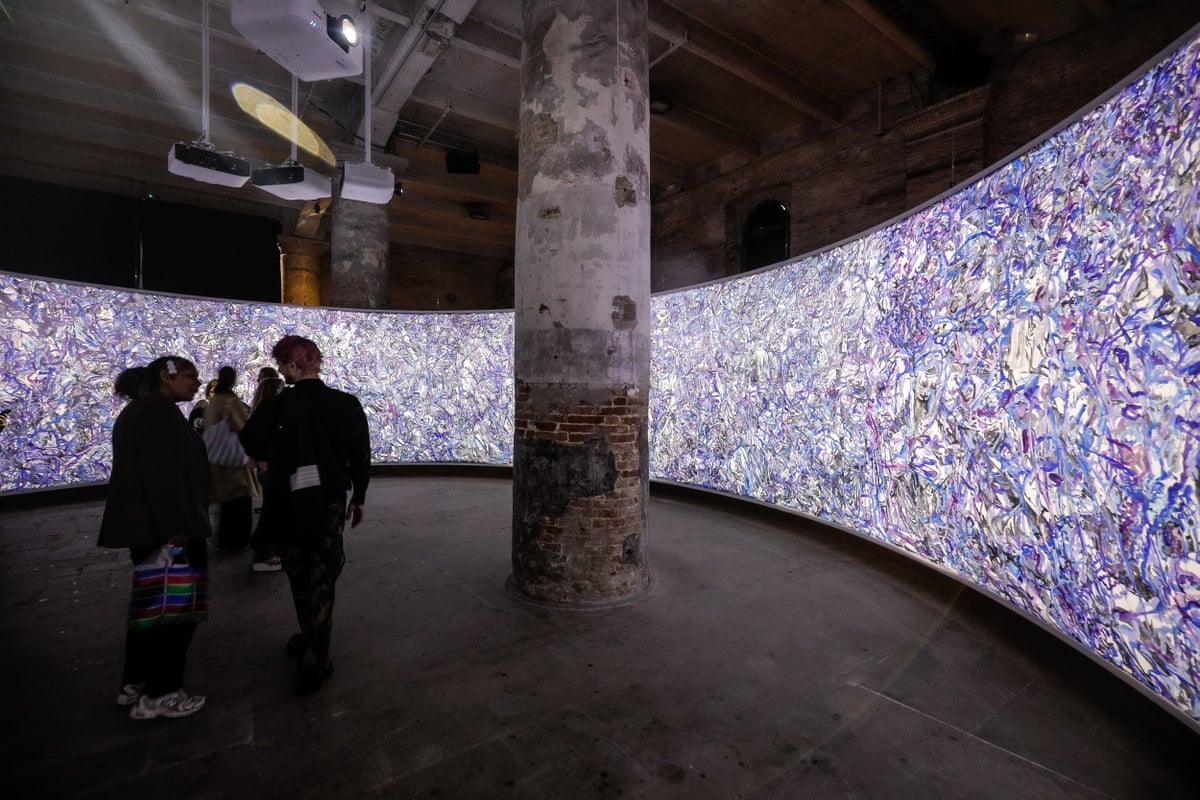
In an Australian first, Sabsabi is exhibiting at the Arsenale as well, with assistance from curator Michael Dagostino. Sabsabi was invited to present Khalil (Arabic for a particularly intimate friend) in the main exhibition, In Minor Keys, after the late curator Koyo Kouoh discovered his work in February 2025.
Context of Controversy and Artistic Community Response
Given Australia’s relatively small impact on the global art stage, some attendees at the opening were unaware of the controversy referenced by Burke. Ironically, most of the scrutiny was directed at Creative Australia by the Australian artistic community, which was dismayed by the initial decision to exclude Sabsabi. No party was eager to accept the difficult position of Sabsabi’s removed spot.
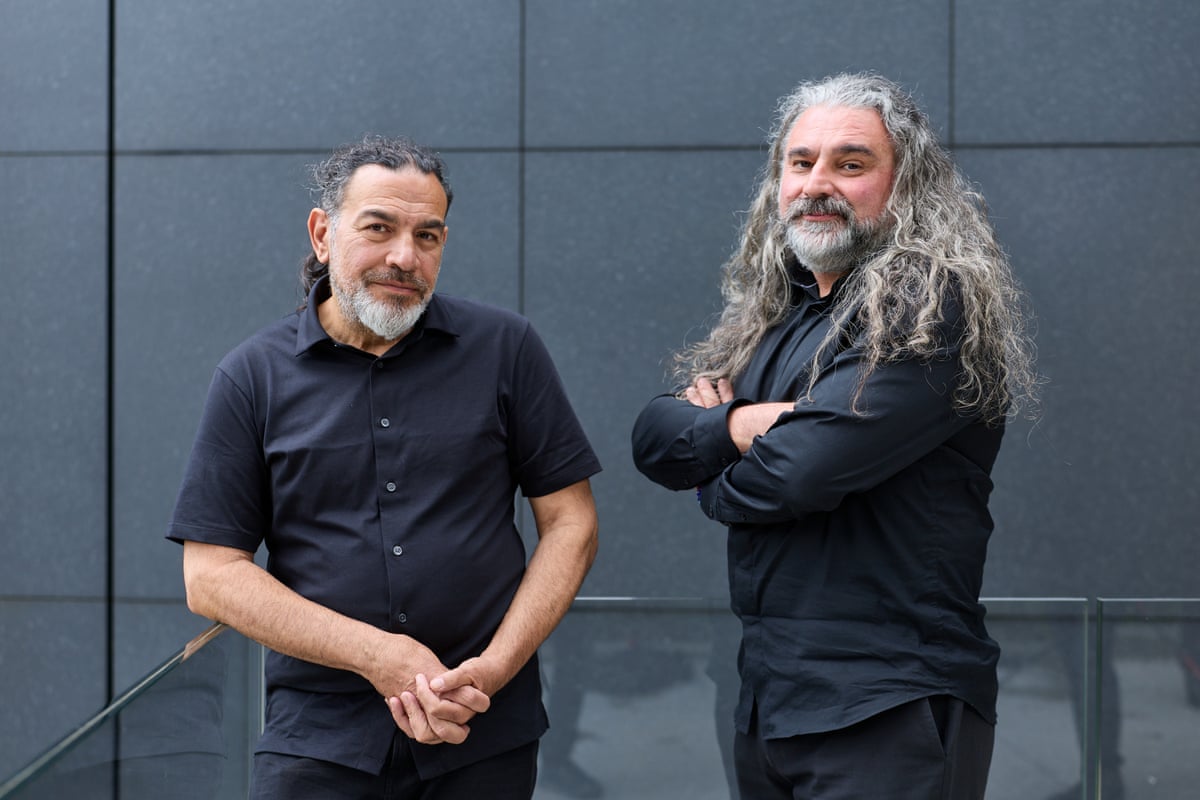
At the opening, Dagostino reflected on the situation:
“Standing here a year ago … I remember thinking this pavilion could stand empty in 2026. But Khaled never withdrew his hand from Creative Australia. His palm always remained open.”
Sabsabi was ultimately reinstated.
Dagostino further commented:
“I’m happy to say it bluntly, you don’t want to piss off the art sector. Because they come out. The values they hold dear, such as artistic freedom, they’re willing to defend. So when you break that bond, there’s a vengeance that happens.”
Creation and Development of the Works
Revisiting last February, after the initial removal, Sabsabi and Dagostino decided to proceed with the original project, Khalil, which was the work selected for the Arsenale. To focus amid the controversy, Sabsabi relocated to a studio in Bangkok loaned by fellow artist Abdul Abdullah. He completed Khalil ahead of schedule and then conceived the next work in a dream.
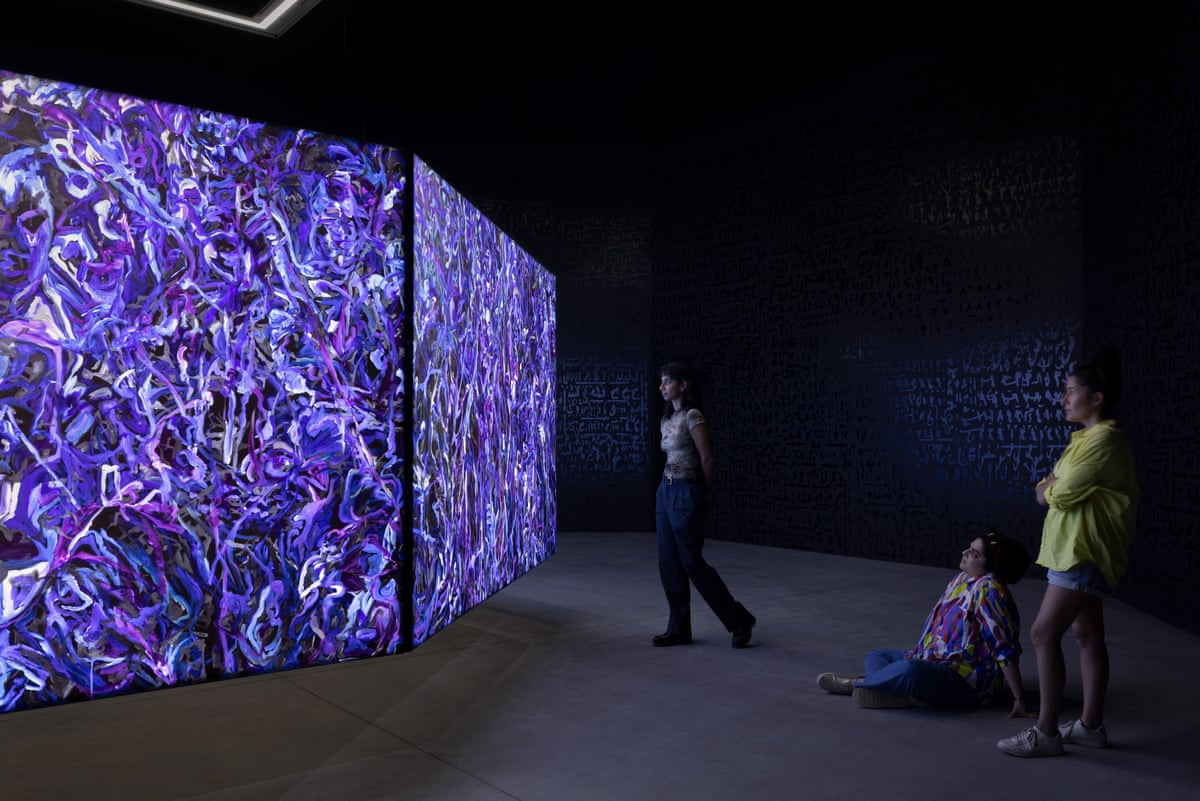
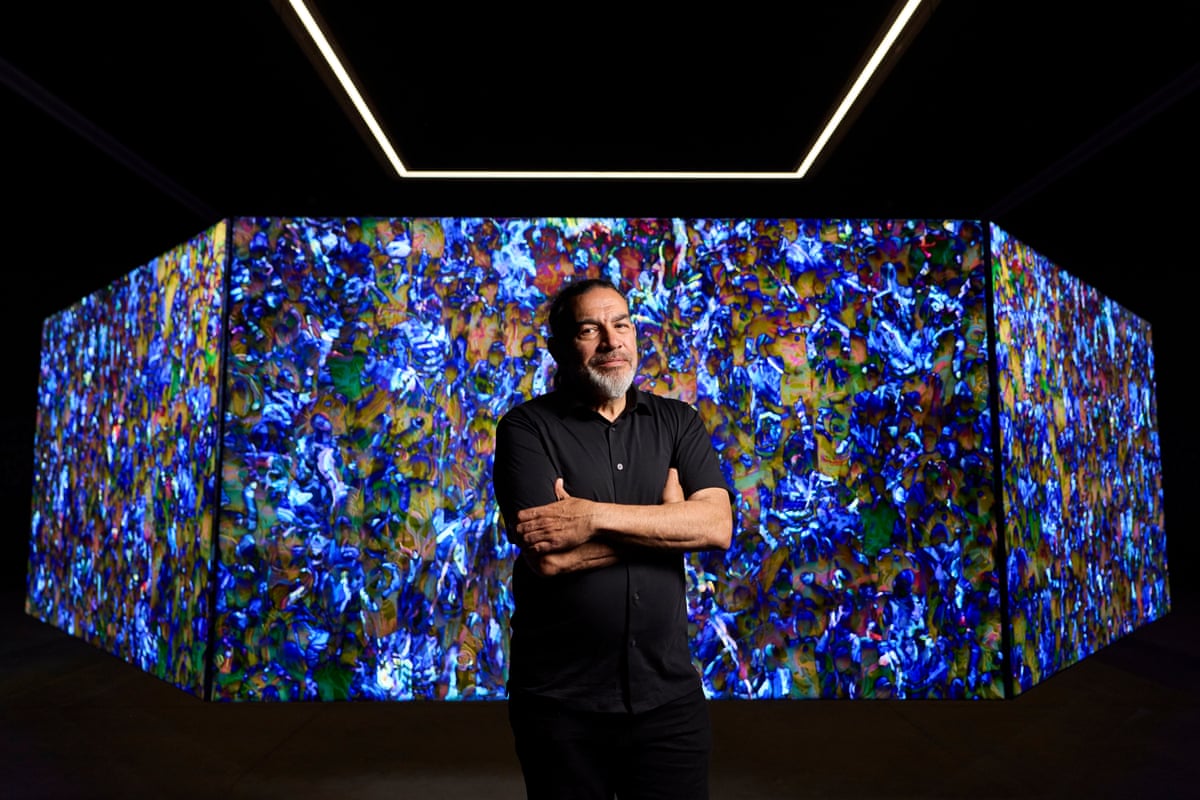
Sabsabi describes his Biennale presentation as “one body with two limbs.” Both are large-scale multimedia installations featuring droning meditative sound and digitised paintings serving as screens for abstract moving images. Inspired by Sabsabi’s practice as a Tasawuuf (Sufi) seeker, the works demonstrate his mastery of both message and medium.

He explained the continuity between the two works:
“To paint those works again months later, for me, would have been impossible. I’ve tried to replicate things before but my body, my hands, my being has changed. Some artists can do that but unfortunately, not me.”
Sensory Elements and Symbolism
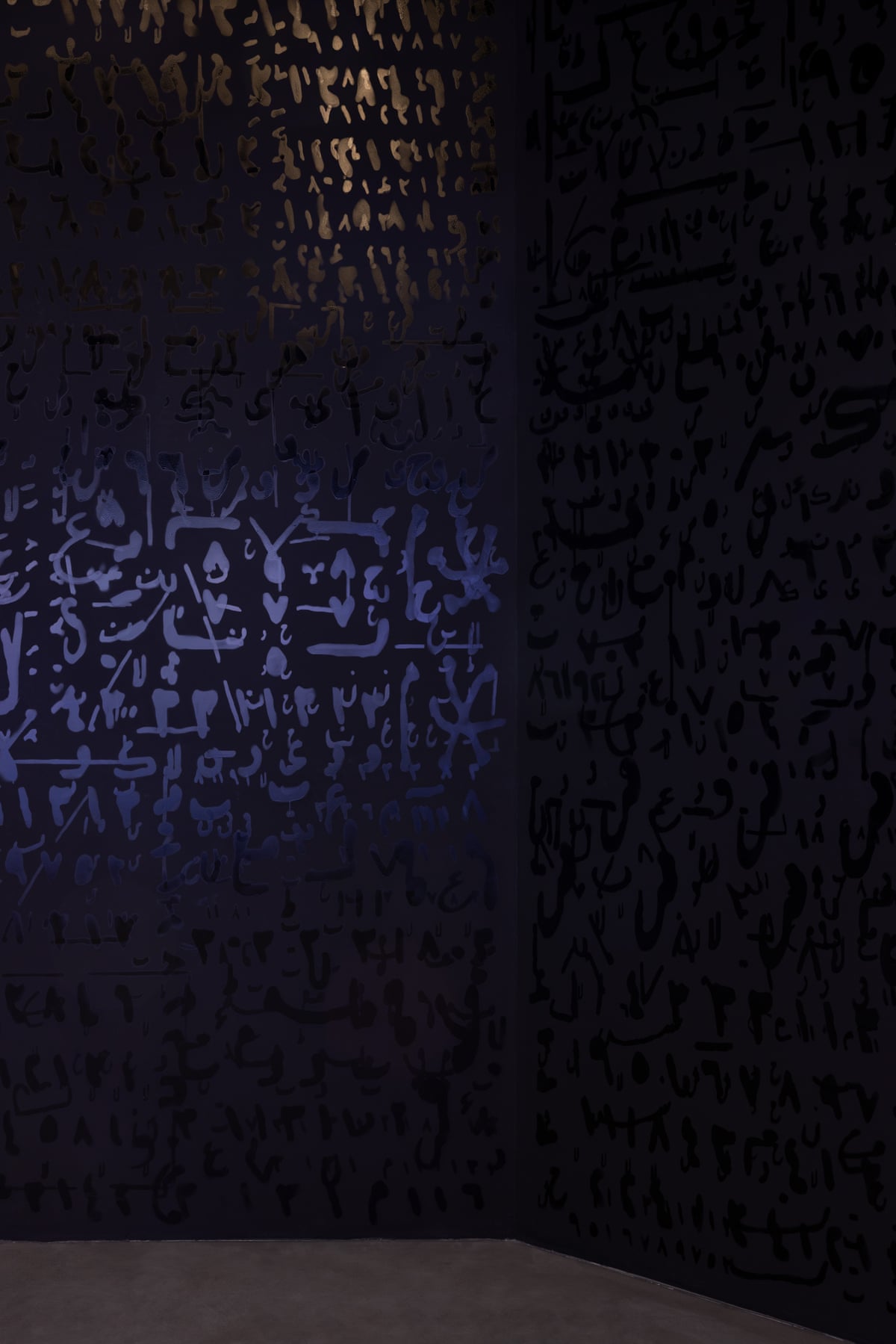
The installations incorporate additional sensory elements. The scent of black oud wood permeates Khalil. The black matte walls of conference of one’s self are adorned with lustrous script inspired by Ilm al-Ḥurūf, the Sufi science of letters and numbers.
Sabsabi elaborated:
“The script is about the dimensions of mysticism that can be used as amulets. It was important to me to hold that in the pavilion as a kind of protection.”
Artistic Impact and Visual Experience
Regardless of the viewer’s familiarity with Sabsabi’s Tasawuuf inspiration, the Biennale works are objectively striking. In conference of one’s self, eight screens arranged in an octagon display a hypnotic sequence of colors and shapes evoking geodes, batik, fractals, cracking ice sheets, stained glass, and the diffuse glow of looking at the sun with closed eyes. Some of the peachy-green opalescent colors defy easy description.
Khalil is the first work visitors encounter upon entering In Minor Keys and the expansive Arsenale site.
Honoring Koyo Kouoh’s Vision
This achievement is significant and honors the vision of the late curator Koyo Kouoh, who advocated for a slower, more contemplative approach to the Biennale. Her curatorial text emphasized the mantra: “Take a deep breath, exhale, drop your shoulders, close your eyes.” The Biennale has continued in this spirit under a team of five curators following her passing.
Australia’s Narrative Amidst Controversy
In a Biennale cycle marked by tragedy and protest, Australia presents a contrasting narrative of clear positivity. Thanks to Sabsabi, Dagostino, and their wider team and supporters, Australia has endured political controversy and emerged as a symbol of resilience for artists and redemption for arts institutions. This story concludes on a hopeful note.
Golden Lion and Future Prospects
In 2024, Australia’s representative, Bigambul-Kamilaroi artist Archie Moore, won the prestigious Golden Lion for best national participation. However, Sabsabi’s opportunity to compete for this award was lost due to a dispute over eligibility criteria related to countries whose leaders face international arrest warrants.
When asked about disappointment over missing the Golden Lion competition, Dagostino responded:
“We haven’t even talked about it.”
Sabsabi replied thoughtfully:
“For me, Kate, being here is already a win. To realise both works is a first for Australian art. We can take some inspiration from that. Some heart from that. I’m not disappointed. Our experience has galvanised the sector.”
Exhibition Details
The 61st Venice Biennale opens on 9 May. Sabsabi’s conference of one’s self will be on view until 22 November.


