Collaboration Behind Kim Kardashian’s Met Gala Breastplate
At the Met Gala on Monday, Kim Kardashian delivered one of the most striking moments of the evening. Departing from her usual role as a representative for major fashion houses, she wore an orange fibreglass breastplate created by a small East London design duo in collaboration with a car bodyshop in Kent. This bold choice directly engaged with the gala’s theme, which explored the human body as a central motif in art.
“Good art should start conversation, and Kim did exactly that,”said Patrick Whitaker, 61, one half of the design practice Whitaker Malem, who produced the breastplate just weeks before the event.
“She was very clear on wanting a breastplate, very clear on the car body finish. And I think she was nervous really. She understands the competition.”
Whitaker also revealed that Kim learned from Anna Wintour that five other attendees, including her half-sisters Kylie and Kendall Jenner, were wearing breastplates. Despite the prevalence of soft armour and pert nipples as motifs that night, Whitaker noted that for someone as famous as Kardashian, wearing such a piece remains a risky choice.
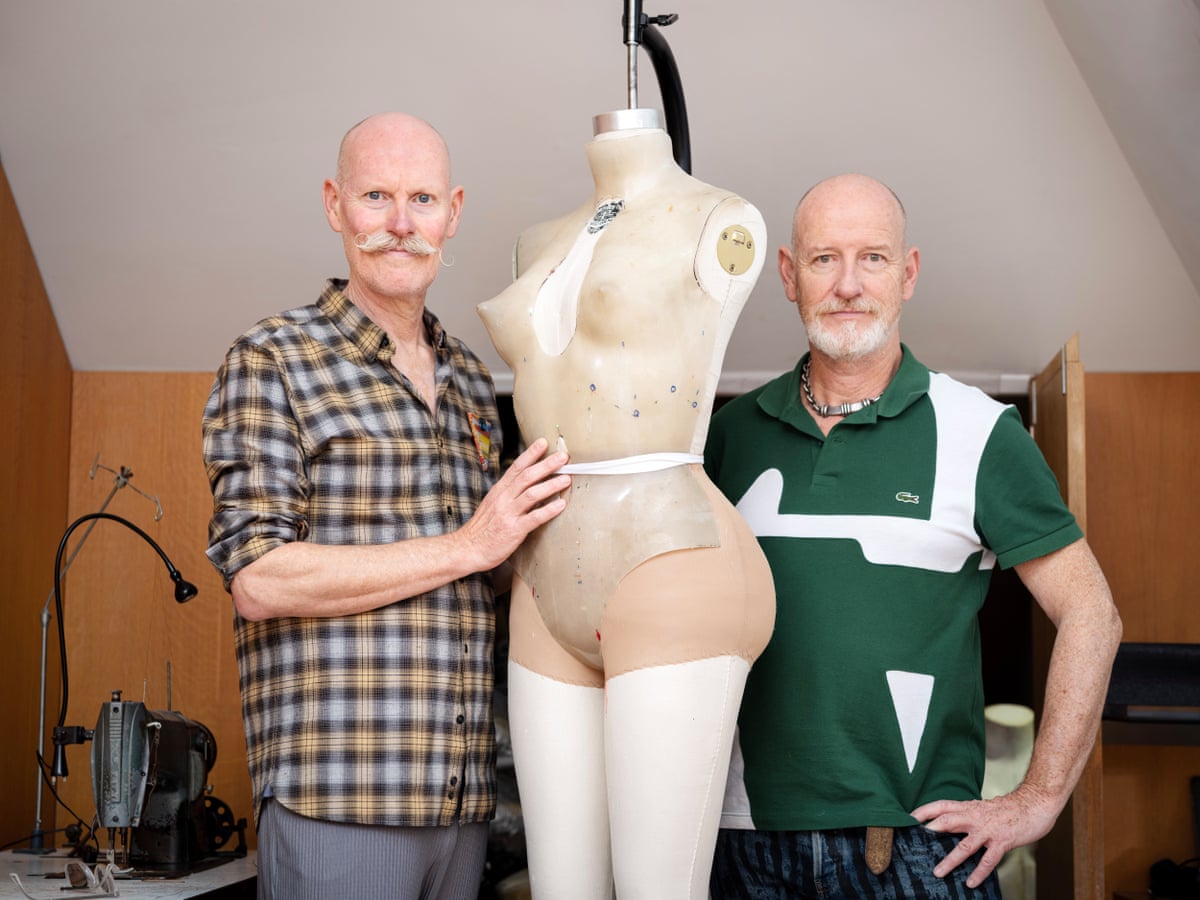
Speaking from the home he shares with his partner Keir Malem, 60, the duo were still processing the experience of watching the gala live.
“We went to bed at 5am. It’s surprisingly tedious, isn’t it? A bit Hunger Games,”Whitaker remarked.
Artistic Influences and the Making of the Breastplate
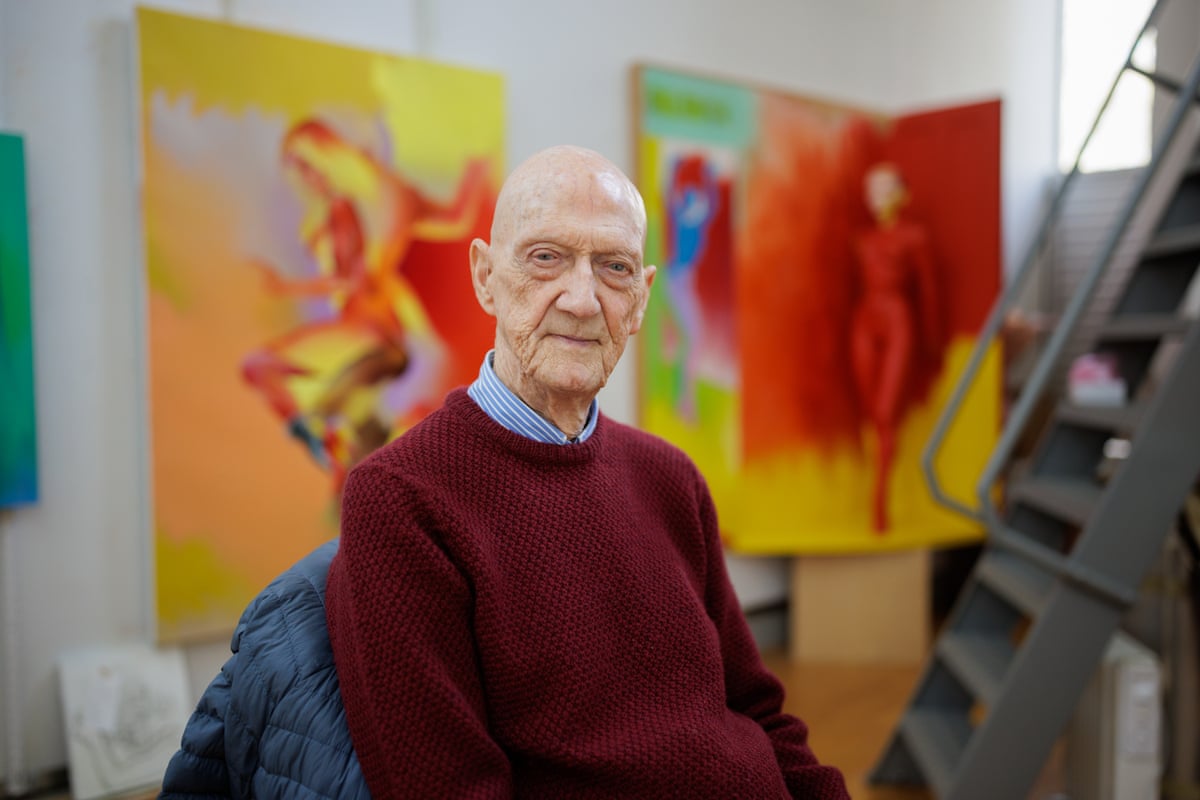
The breastplate was a collaborative effort between Whitaker Malem and British pop artist Allen Jones. Jones is known for his fetishistic furniture series featuring topless women, created between the early 1970s and 2015. His work has continued to influence the fashion industry, inspiring armoured silhouettes by designers like Thierry Mugler and appearing in iconic imagery such as the Pirelli calendar, culminating now in the Met Gala.
The collaboration began in early April when Whitaker and Malem received a direct call from Kardashian asking if they could create something for the gala. During a video call at their seaside home, Whitaker recalled,
“We were just talking about how firm her body was, and she was just showing me her breasts on a video call whilst Keir and his dad were eating their dinner in the background.”
The following week, Kardashian flew to the UK and visited Allen Jones’s Oxfordshire home, arriving with one of her body dummies in the car. Whitaker described it humorously:
“with one of her body dummies chucked in the hold like it was a Volvo.”
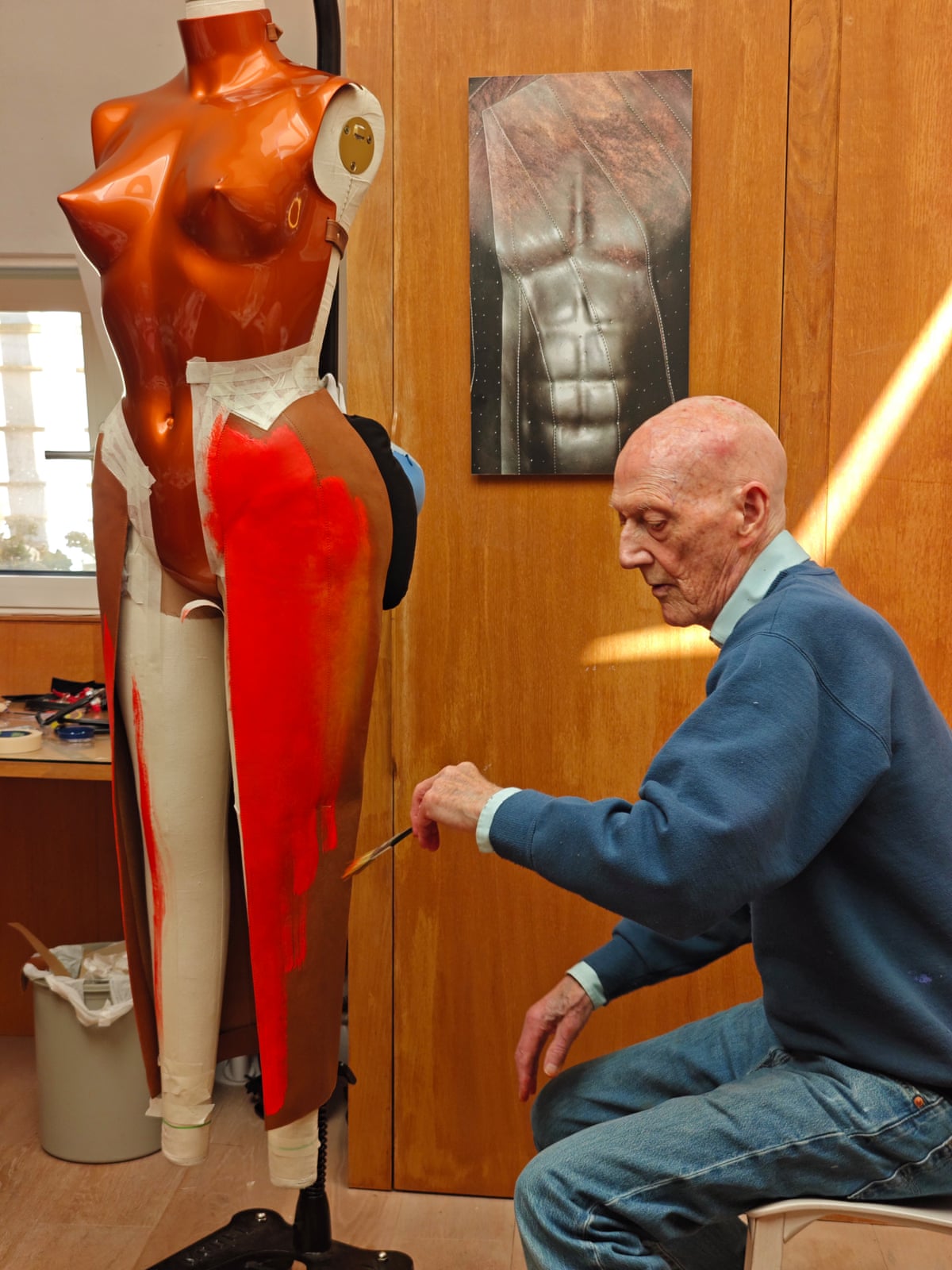
The breastplate was cast by Whitaker Malem from an original mould derived from Jones’s 1969 Hatstand sculpture, to which they added a hand-painted leather skirt. Kardashian tried on various fibreglass moulds, and notably, her waist and upper body fit perfectly.
“We’d never seen an Allen Jones breastplate fit anyone so well,”Whitaker said.
“They aren’t really designed to be worn.”Kardashian made a special trip to East London to try on the piece.

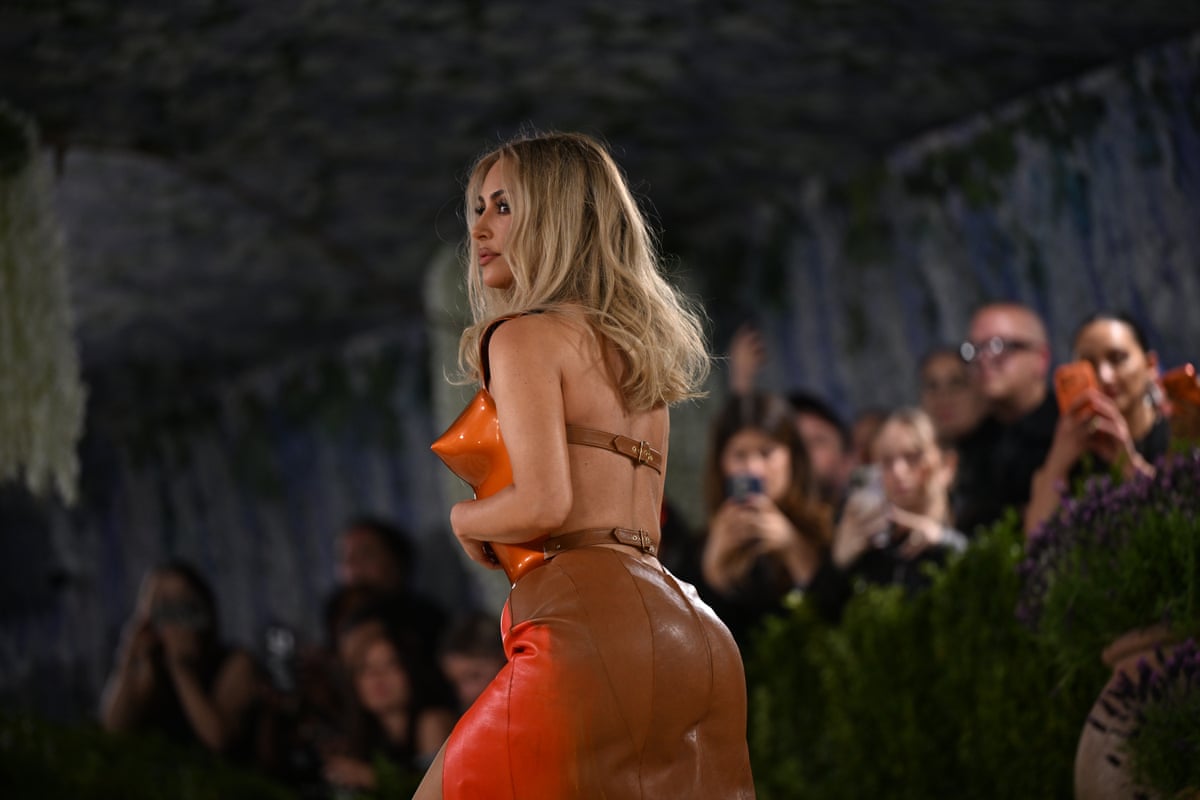
The final orange spray finish was applied by Martyn Smith, who runs MPS Body and Paint, a body workshop in Lydd, Kent. Smith explained the process:
“It was several layers, so primers and stoppers and the final paint was solvent base, and finished with a gloss lacquer. It took all day, but it came out so well. I was worried, though. I’m not a follower of art or fashion, but I knew it was going to appear at a big event.”Whitaker added,
“Martyn does our Jag, so we know he’s reliable.”
Whitaker Malem: Background and Craftsmanship
Whitaker and Malem founded their design practice in 1988. Neither identifies strictly as artists or designers, preferring the term “pop artisans.” They produce approximately 12 garments annually, starting at £5,000 each. Their primary medium is leather, and they have developed a wet-moulding and sculpting technique for clothing that uses block moulds, a process similar to footwear and millinery production.
The breastplate itself was made from glass-reinforced plastic, a type of fibreglass. It weighed roughly the same as a bag of flour, and Kardashian wore it without any clothing underneath.
The completed piece was collected a few days before the gala by a man who flew first class from Los Angeles to pick it up. Due to the breastplate lacking a name, it could not be booked as luggage and was instead stowed in the overhead locker on the flight back to New York.
Career Highlights and Film Industry Work
Whitaker and Malem met while Whitaker was a student at St Martin’s and Malem was working in theatre in the late 1980s. Their leather work gained attention after a notable purchase of one of their jackets, allowing them to focus on their craft and occasionally show at London Fashion Week. Their clientele has included Cher and Bella Hadid, and they have collaborated with designers such as Tommy Hilfiger and Burberry.
Their most significant contributions have been in film costume design. They created a gilded breastplate and wing bustier for Lee McQueen at Givenchy, which led to work on Brad Pitt’s skirt in Troy and the suit worn by Wonder Woman in the 2009 film. They also designed several Bond girl costumes, including Halle Berry’s white belt from Die Another Day, now displayed in their home. Angelina Jolie’s Lara Croft suit was made using materials sourced from Ridley Road in Dalston. Despite their extensive work, they often did not receive public credit, with costume designers sometimes purchasing their pieces off the rack and claiming design credit.
After the complex task of creating Christian Bale’s batsuit, which involved moulded urethane, carbon fibre, and mesh, they embraced 3D body scanning technology. The process involves producing a form via 3D printing, refining it by hand with a sharp knife, and then draping leather over it using their wet moulding technique.
Reinterpreting Allen Jones’s Work with Kim Kardashian
Allen Jones’s work has faced criticism over the years, but with Kardashian’s breastplate, the dynamic was cleverly reversed. Keir Malem explained,
“Instead of the usual girl draped across the car, he wanted to put the car on the girl.”