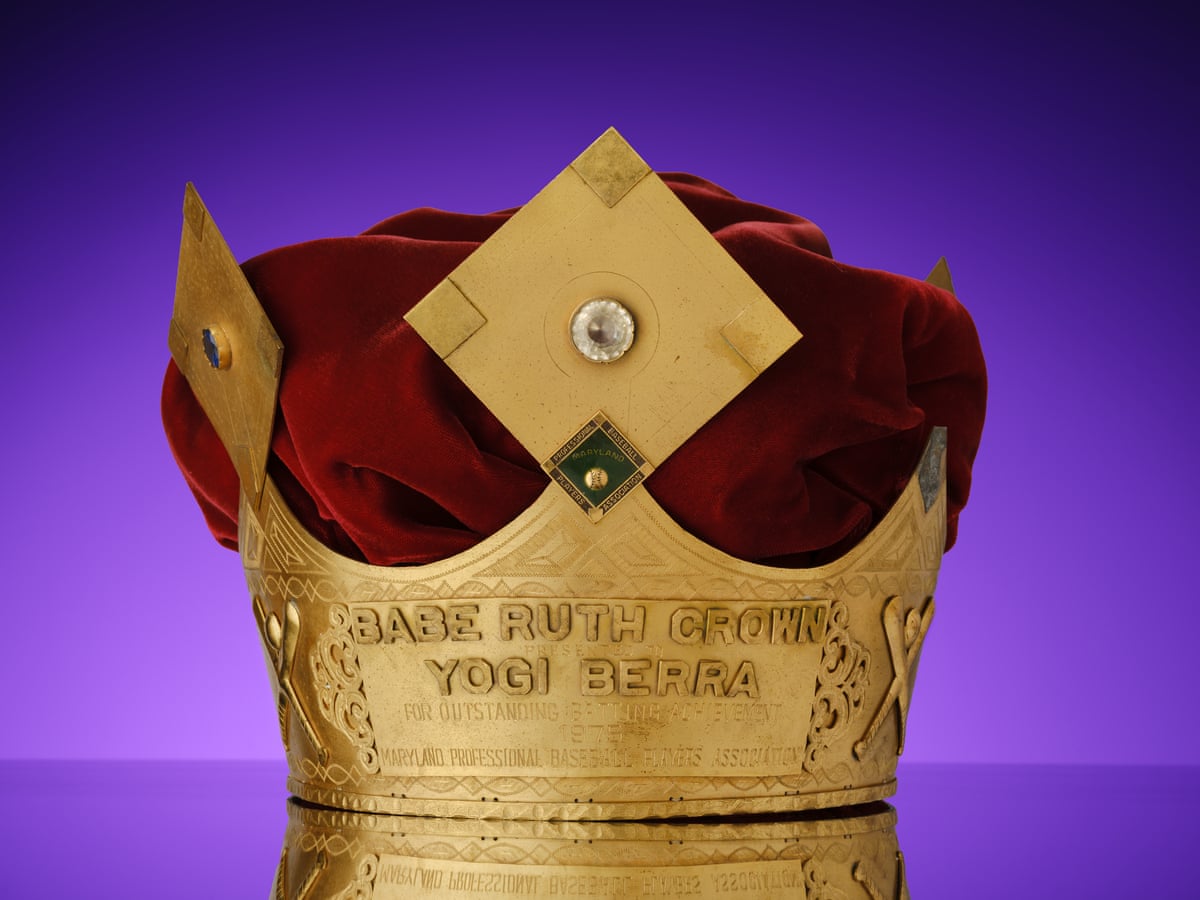
Celebrating Sporting Triumphs Through History
At the American Museum of Natural History, an extensive collection of medals, trophies, and other memorabilia highlights nearly 150 years of United States sports history.
“You play to win the game,”said Herm Edwards, former NFL coach. In sports, championship rings, medals, and trophies symbolize victory and prestige. Fans invest emotionally in these objects, often only glimpsing them during victory parades or civic celebrations. While these trophies shape identities and lives, the physical awards themselves usually remain out of reach.
“You’re so used to seeing that moment of winning and holding up the trophy or medal,”explained Vikki Tobak, author and cultural critic.
“You realize that they really are just proxies for this road to becoming great and being excellent at what you do – and that is something we as human beings understand fully across all things and genres.”
For the Win Exhibition at the American Museum of Natural History
Coinciding with the upcoming World Cup, the museum’s new exhibition, For the Win, offers fans a rare opportunity to engage closely with championship rings, trophies, medals, and jewelry spanning nearly 150 years of US sports achievements. The collection includes notable items such as the 1877 NYPD Medal of Valor, whose interlocking "N" and "Y" reportedly inspired the New York Yankees’ iconic logo; one of Jesse Owens’s four gold medals from the 1936 Berlin Olympic Games; and WNBA star Breanna Stewart’s 2024 diamond-encrusted championship ring, which also includes matching earrings.
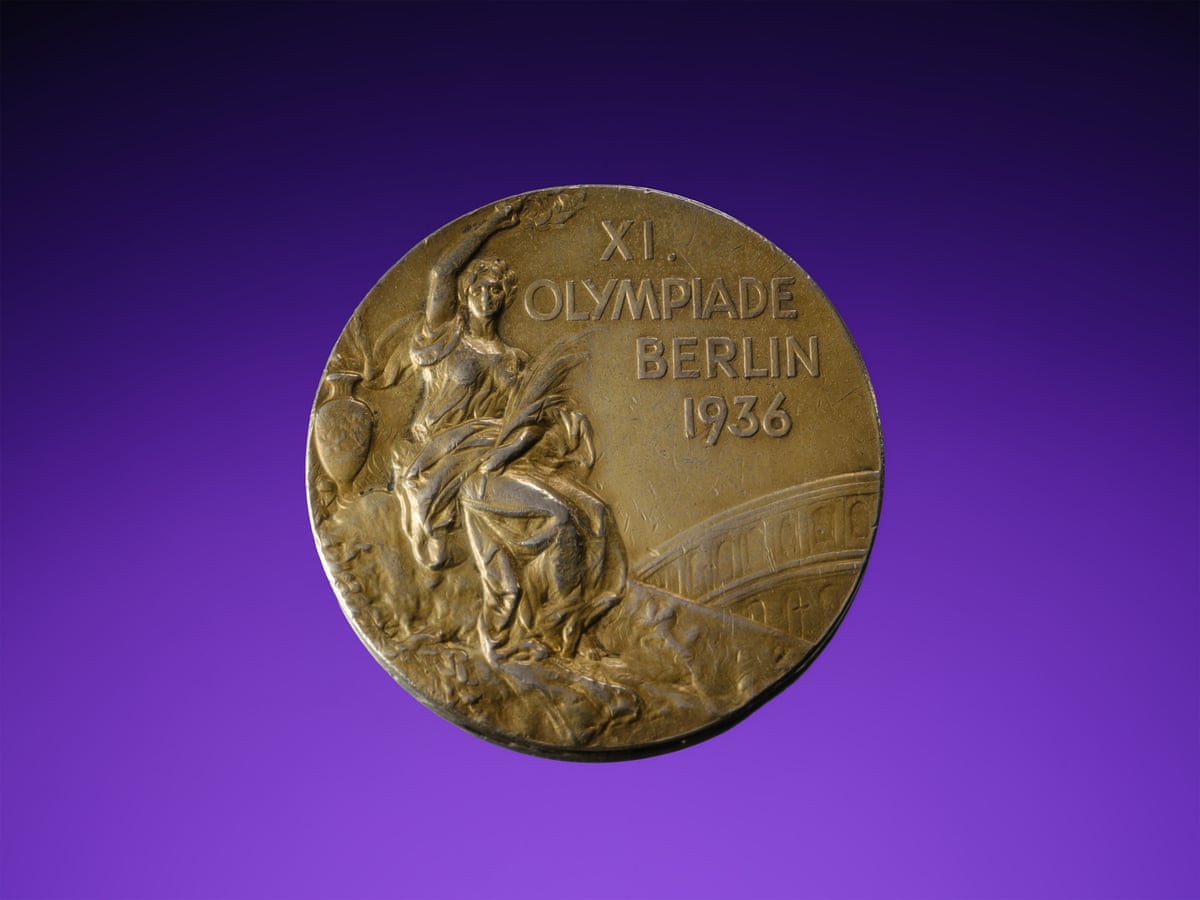
The exhibition also features victory photographs, including those of the Super Bowl-winning Seattle Seahawks, and other symbolic items like the distinctive necklace worn by outfielder Joc Pederson during the Atlanta Braves’ 2021 World Series championship run. While some fans might debate how John McEnroe’s 1983 Wimbledon trophy compares to other displayed items, the exhibition is housed in the museum’s dedicated gems and minerals space to emphasize the craftsmanship and artistry of each piece.
“If you think about what a museum is, these are artifacts from history – moments in time that people want to recall or learn about,”said Rich Kleinman, senior adviser on the project.
“These trophies, rings and medals are artifacts in the same way. They fit in perfectly well.”
Curating and Collecting Sports Memorabilia
Rich Kleinman, who has served as a longtime agent and business partner to NBA superstar Kevin Durant, has curated the exhibition by selecting significant trophies and medals. Kleinman explained the mindset of athletes regarding their awards:
“The psychology of an athlete is: ‘I’m not gonna sit here and display my greatness while I’m still in the lab working every day to get better,’”he said.
“But they understand the emotional value of holding onto things. You see it with NBA athletes exchanging jerseys earlier in their careers. But I don’t think everybody necessarily sees the [broader] opportunity.”
Kleinman’s involvement in museum curation began after meeting Tobak at a 2024 exhibition she curated celebrating hip-hop jewelry, based on her book. Tobak proposed a follow-up exhibition timed with New York’s hosting of the World Cup, combining sports mythology with New York’s cultural identity while aligning with the museum’s science-driven mission.
Once the concept for For the Win was established, acquiring items for display presented challenges. Durant contributed his 2024 Olympic gold medal and 2017 NBA championship ring. However, some trophies, such as the Heisman Trophy, are rarely loaned out. Others are circulated but remain closely guarded by their owners. The NHL’s Stanley Cup, for example, is returned after celebrations, with players receiving smaller replicas to keep.
The World Cup trophy itself is not part of the exhibition, as it is already traveling in advance of the tournament and remains inaccessible. Moreover, the current trophy exists because the original was stolen and never recovered, a history that adds to its mystique.
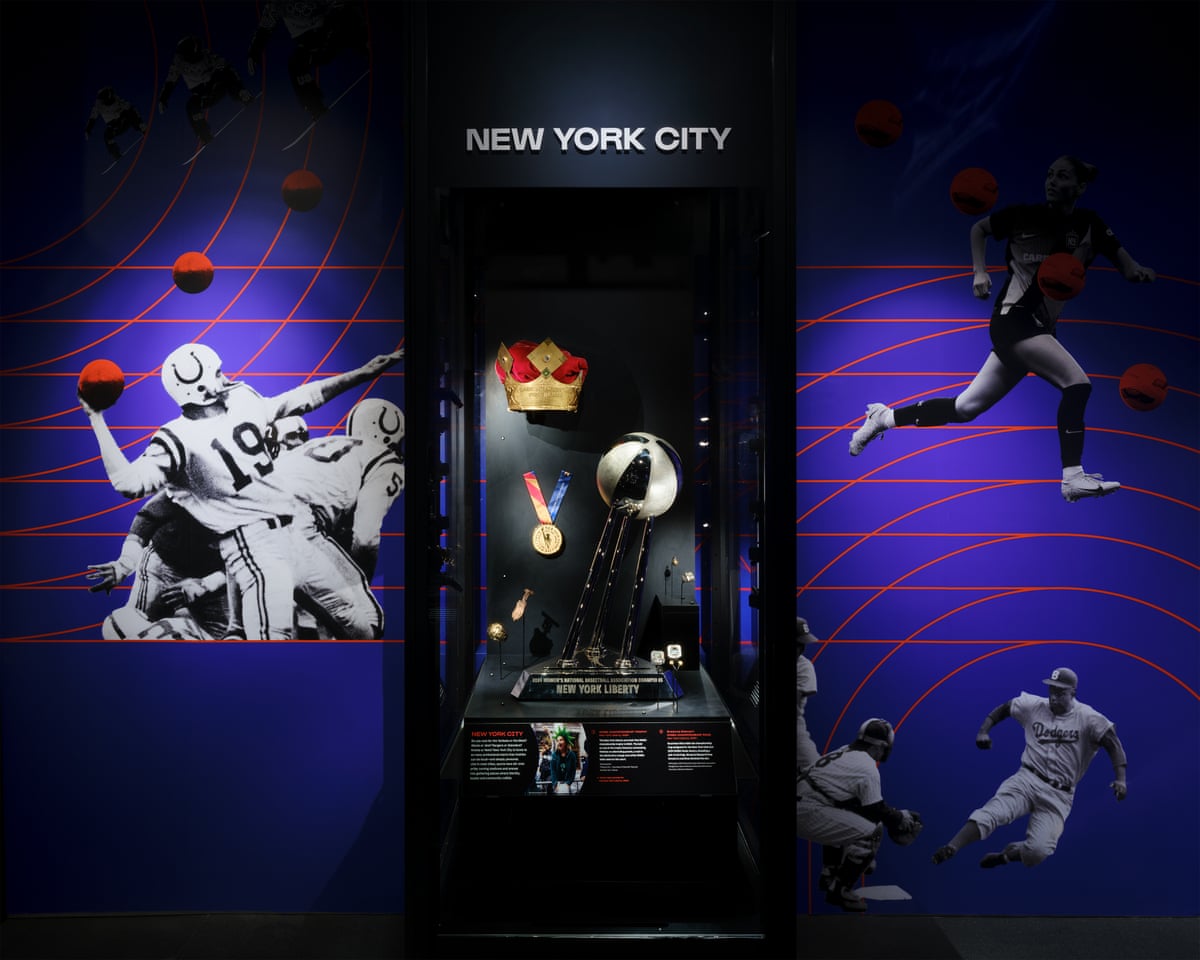
Before joining the exhibition, the New York Liberty’s 2024 WNBA trophy was proudly displayed in the team’s locker room, symbolizing achievement standards. Some memorabilia, like Owens’s gold medal, have disappeared for years before resurfacing and setting auction records for Olympic collectibles.
Preserving Sports History in a Museum Setting
Tobak emphasized the significance of housing these items in a museum context:
“The wonderful thing about having it in a museum is that they transport dinosaur bones and rare insects,”she said, highlighting that sports collectibles are entrusted to safekeeping. Despite the museum’s expertise, women’s boxing champion Claressa Shields personally delivered her 2019 middleweight championship belt for inclusion. The belt’s metal plating met the threshold for the gems and minerals floor, although the museum could not verify its exact composition.
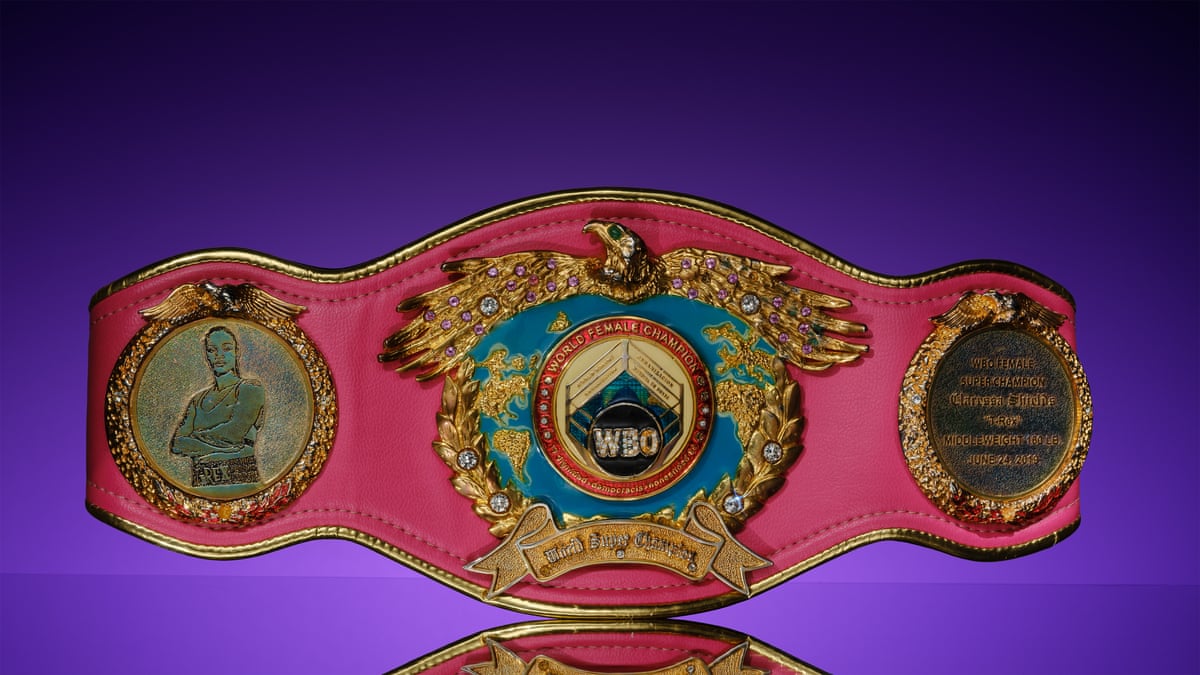
“She just wanted to understand the expansiveness of where the piece was going to live,”Tobak added.
The exhibition space is dimly lit, with individual artifacts illuminated by focused lighting, creating an aura of reverence. Fans accustomed to seeing trophies amid celebrations might initially find the quiet atmosphere unfamiliar, but the setting encourages appreciation of the evolution and artistry of sports prizes.
For example, the World Series trophy’s timeless design contrasts with increasingly elaborate World Series rings and substantial Olympic medals. Tobak noted:
“A few of the trophies had the players’ fingerprints still on them, so we did kind of have to light it in a way where it wasn’t that obvious,”adding,
“But that was cool because it made it feel human.”
Engaging Fans Beyond the Exhibition
As part of its World Cup celebrations, the museum offers all-ages, interactive activities and watch parties. While some visitors may welcome the lively atmosphere, others might find that experiencing sports artifacts in a quiet, contemplative environment changes their perspective on the games themselves.
By removing the spectacle from competitive arenas and even halls of fame, For the Win presents sports trophies as what they truly are: colorful symbols of achievement pursued with passion, yet ultimately material objects. The pursuit of these prizes can seem almost futile when considered against the vastness of the universe, but their value lies in the achievements they represent.
“Again, it’s what they symbolize: winning, being the best,”Tobak said.
“It’s very American. Just because you’re holding a gold medal doesn’t mean you won it. That’s why I keep saying sports culture is pop culture – it brings out the very best in what we as humans can achieve, and these symbols are going to outlive us all.”
For the Win: Objects of Sports Excellence is currently on display at the American Museum of Natural History in New York.