Persistence Pays Off for Nicholls and New Zealand
In December 2020, Henry Nicholls was a regular member of the New Zealand Test side, batting at number five, though under considerable pressure due to a poor run of form. Over nine Tests since early 2019, following the Bangladesh series, he averaged only 20.33. Despite this, the selectors maintained their faith in him, and in his next match against the West Indies in Wellington, Nicholls scored a commanding 174, earning the player of the match award.
“In another time he may not have been offered that opportunity,” said Brendon McCullum, commentating on the match for domestic television. “There’s many cases where guys haven’t had a sustained period to be able to find form, but a mark of this New Zealand side is their selection consistency, and they’re being rewarded.”
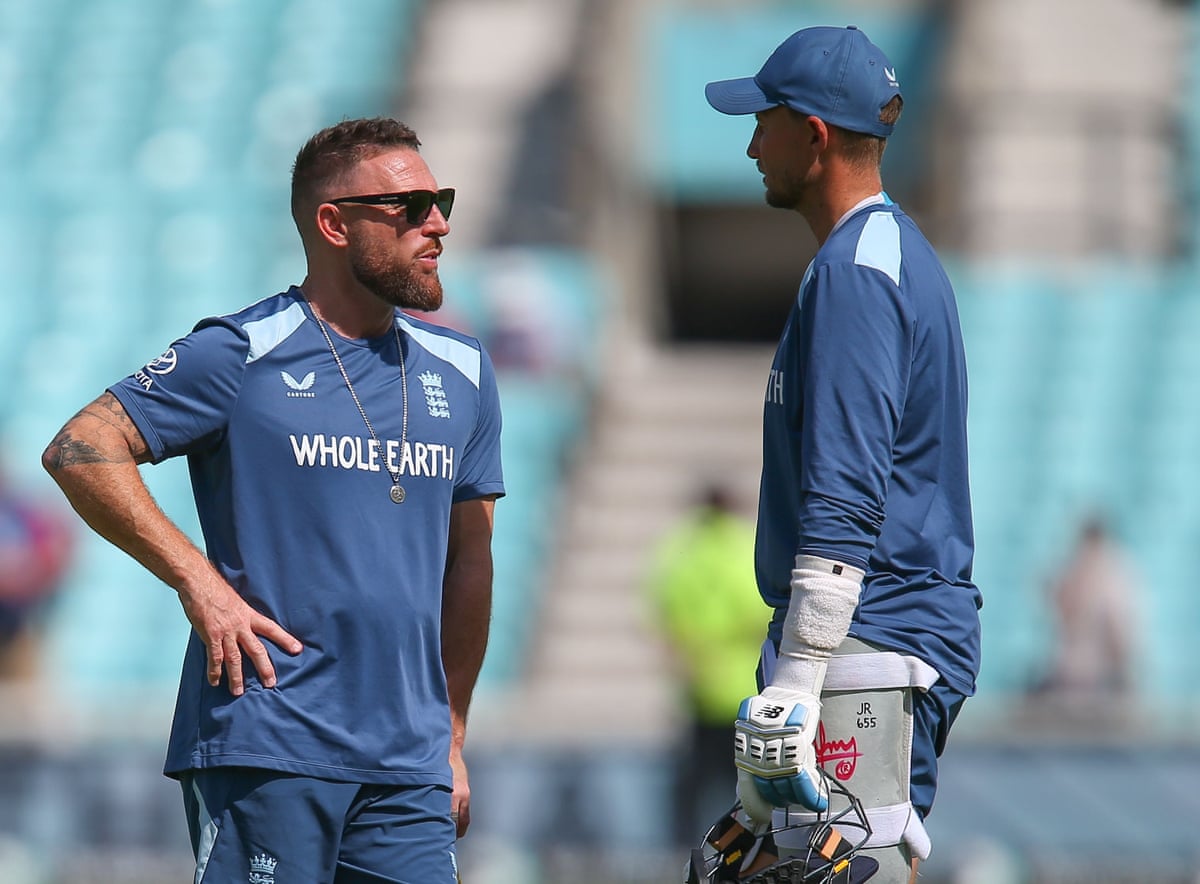
McCullum, who later became head coach of England’s Test team, has been noted for his loyalty to players out of form. Nicholls’ influence on the game extended beyond the scoreboard, as he scored his 11th Test century and contributed to vital second-innings partnerships with Rachin Ravindra and Daryl Mitchell, underscoring his significant impact.
Despite this, Nicholls was dropped at the end of 2023 after two Tests in Bangladesh where he averaged just 6.25. Returning to domestic cricket with Canterbury, he worked diligently, averaging 116 in the following Plunkett Shield season and 96.66 in 2025-26. When Kane Williamson unexpectedly retired mid-series, selectors recalled the 34-year-old Nicholls, prioritizing experience and strong first-class form. Nicholls repaid their confidence with a solid performance.
There is a stark contrast with England’s approach, which disregarded experience when selecting their side for this match. The outcome was unfavorable for both the team and the players chosen.

England’s Youthful Selection and Its Consequences
England’s decision to retain Rob Key as managing director of men’s cricket, Brendon McCullum as head coach, and Ben Stokes as captain despite the failures of the previous Ashes series meant that calls for renewal at the top were largely ignored.
When disciplinary issues, paternity leave, and injuries necessitated replacing four players from the side that won at Lord’s two weeks earlier, and the choice not to include a specialist spinner ruled out another, England introduced three debutants and two players making only their second appearance. The result, as Joe Root acknowledged after New Zealand’s convincing victory, was almost inevitable.
Root said England had been “pushed into a little bit of a corner with the scenario that we found ourselves in”, and that “it would be unfair on them to say because of their lack of experience they weren’t the right selections”.
He added that one of the main challenges was managing “a number of guys at the front of their careers [who] have to learn very quickly and understand the rhythm and the requirements of Test match cricket”.
“One thing you’ve got take into account, the majority of the time, when you make your debut, you’re the sole debutant and you’ve got an experienced or a very settled group around you that have been operating in a certain way,” Root said.
“I think it can be very difficult, and a big ask of young players in particular, to all come together and not have that sort of continuity around you. With that in mind I thought all of them did very well.”
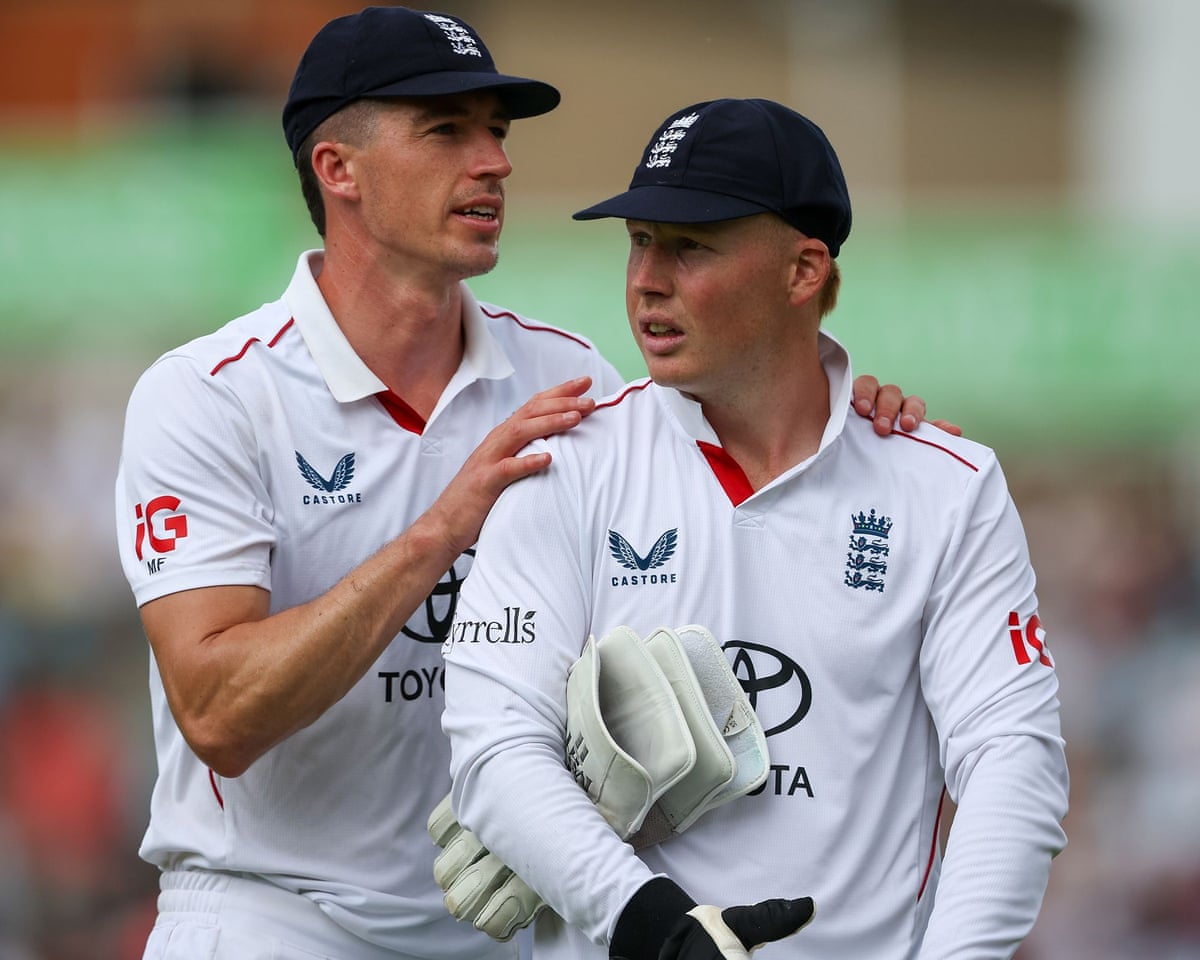
England had alternative options, had they chosen to follow New Zealand’s example with Nicholls. However, English cricket often appears resistant to change, especially when it involves former Test batsmen. For this match, many advocated for the return of Dan Lawrence, who, after an unsuccessful stint as an opener against Sri Lanka in 2024, returned to Surrey and produced his best form, despite a recent low score of 8 and 0 against Glamorgan. While not necessarily the future, Lawrence’s experience, particularly on home grounds, could have been valuable. Instead, England selected 22-year-old James Rew, whose debut memories will likely be mixed.
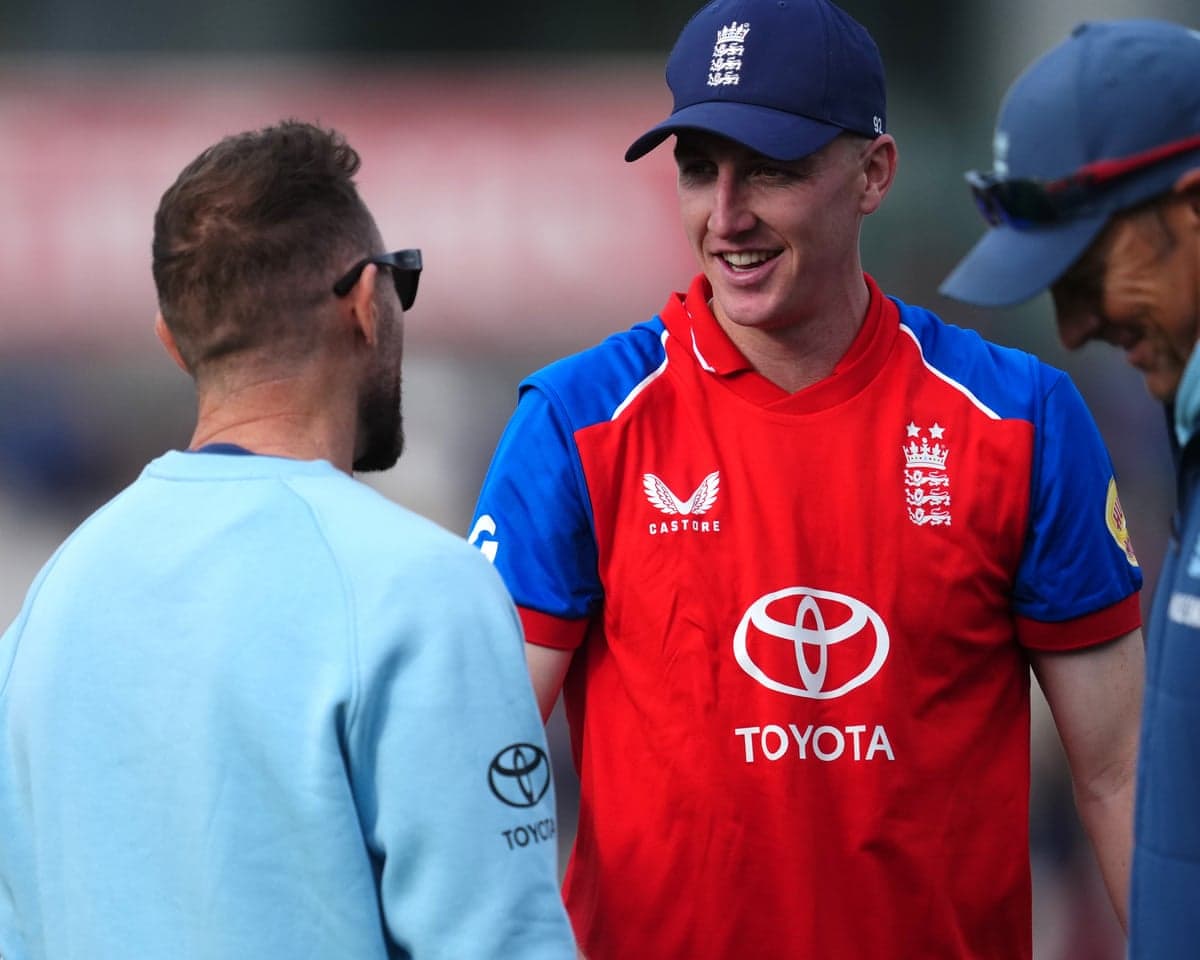
Before the match, McCullum expressed enthusiasm about his “super exciting” young talent. Although no one described Nicholls’ return in those terms at the time, ultimately, success proved to be the most exciting outcome.