England Head Coach’s Absence During County Season Sparks Debate
England head coach Brendon McCullum retained his position following the Ashes review, despite his absence for 43% of the county cricket season, a situation reminiscent of a Seinfeld episode.
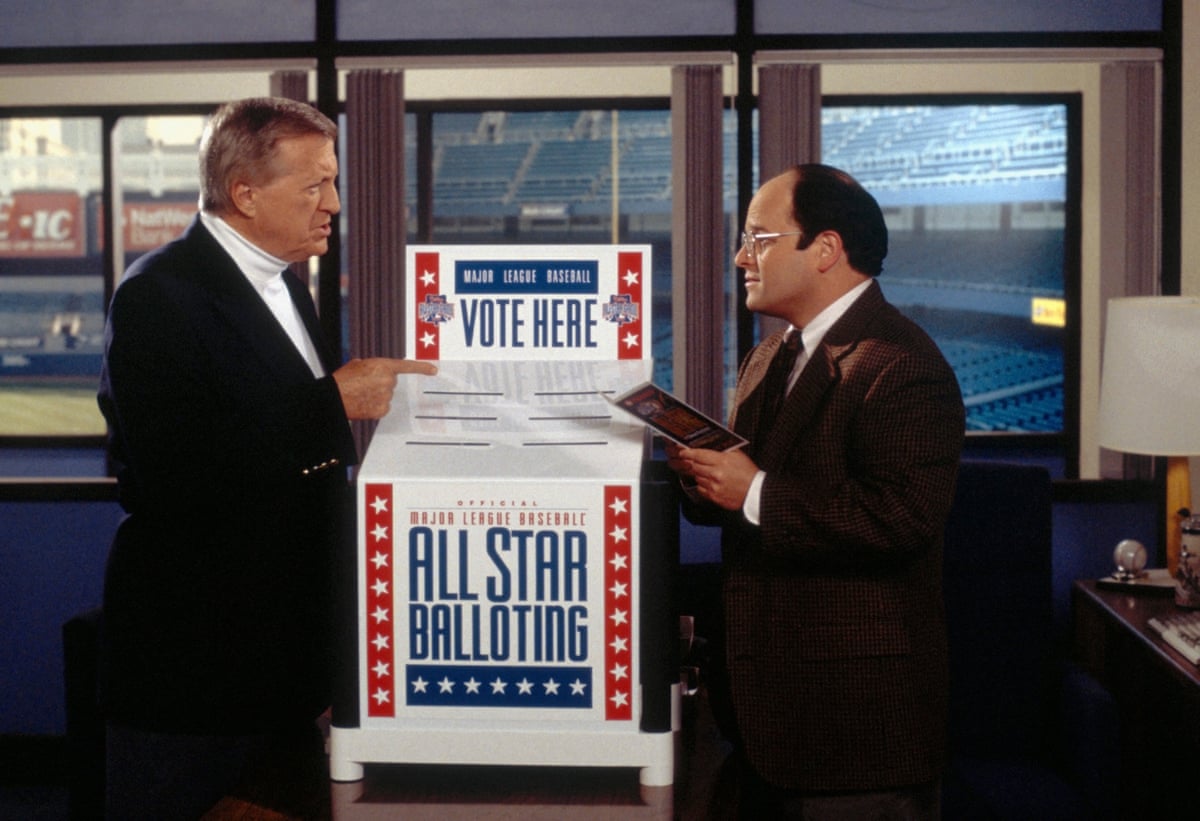
George: Right now I just sit around pretending I’m busy.
Jerry: How do you do that?
George: I look annoyed. Think about it. When you look annoyed all the time, people think you’re busy. [Rolls his eyes, slaps his forehead, does look busy.]
Does anyone remember Baz? The term "Bazball" was once widely used, even mentioned in parliament, and became part of the zeitgeist alongside words like "rofl." Baz was distinguished by his hat, jawline, stance, and sports socks provocatively displayed on ornate balconies. However, the question remains: has anyone actually seen him recently?
The answer is likely no for those in England or Wales, as McCullum is currently not in the country. He is not expected back until 24 May, despite being the head coach of the England cricket team that recently suffered a 4-1 Ashes defeat, and despite the ongoing English cricket season.
Instead, McCullum has chosen this moment to be absent, missing the opening 54 matches of the county season, which constitutes 43% of the first-class season. He plans to return briefly at Loughborough before the first Test against New Zealand in June.
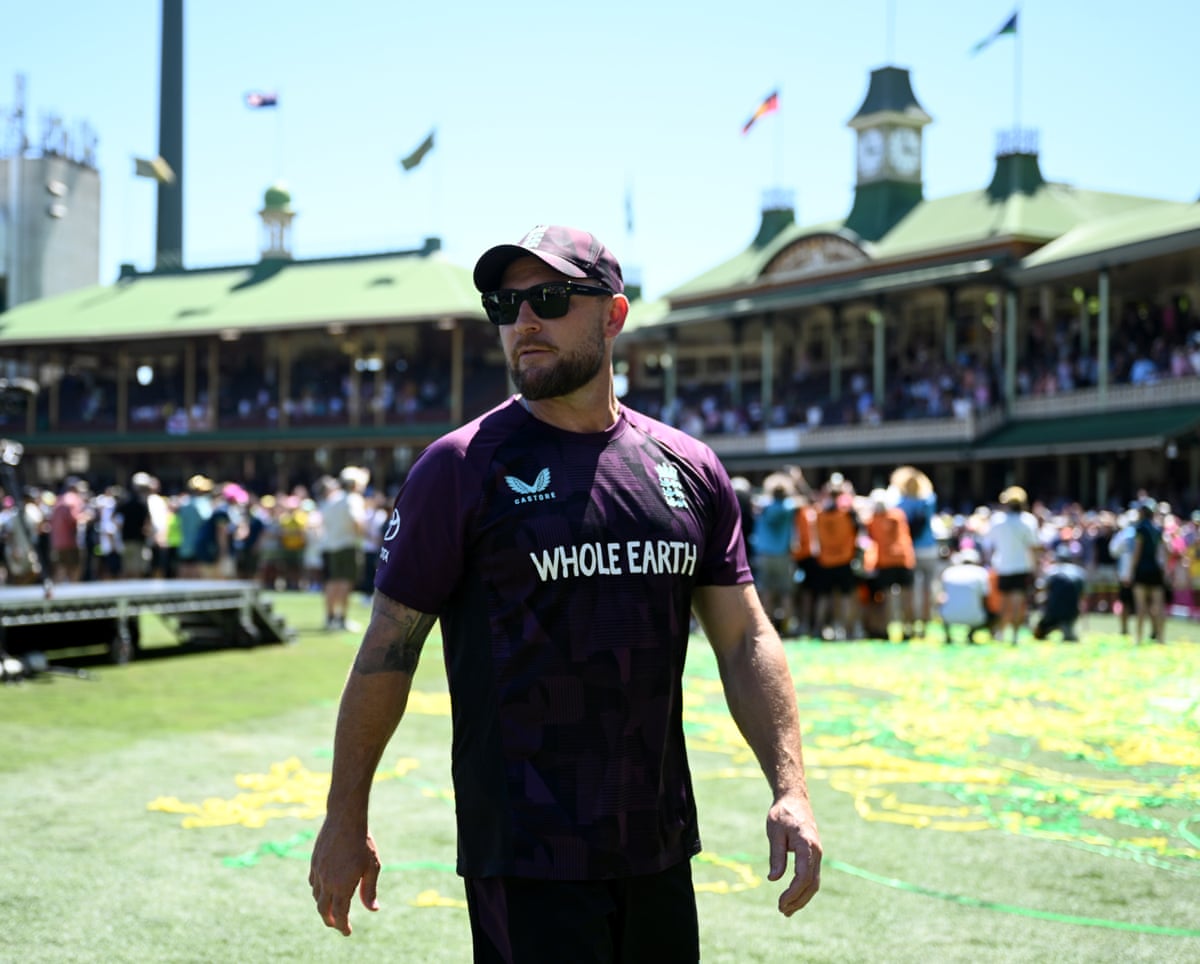
While modern sports culture often normalizes such absences as part of a laid-back approach, this behavior remains striking. It is, at its core, a significant dereliction of duty. International sport requires active leadership to energize the system, especially when the role commands a salary of two million pounds per year. In any other profession, such an absence would likely result in termination. Missing nearly half the season is not consistent with professional expectations.
Yet, paradoxically, McCullum’s absence is captivating and, in a way, emblematic of a bold defiance. In an era marked by mediocrity and compromise, his decision to be absent can be seen as a provocative statement, an ultimate sporting "screw-you-all."
My personal view of McCullum has evolved considerably. Initially, the team achieved remarkable feats on flat pitches, not through meticulous detail but through an indefinable magic and psychological edge. McCullum appeared to be a Man of Destiny, brooding silently on balconies, embodying a vision, albeit an unclear one.
However, subsequent declines in performance, poor planning, and a lack of detail have followed. While the team is often described as improved, many critical aspects have deteriorated. Sport is cyclical, and McCullum remains a charismatic figure with a singular idea.
Now, as he returns, McCullum 3.0 feels different. He is elusive, like water, impervious to criticism. His refusal to be present during the county season is not merely neglect but a dramatic gesture that challenges conventional expectations. Despite this, he continues to secure employment and extended support, not from the lucrative football sector but from the shrinking summer game.
This reveals McCullum’s true talent: not in cricket’s technicalities but in managing his own position. He resembles George Costanza from Seinfeld, drifting through roles while making himself indispensable—not by appearing busy, but by not showing up at all.
Context and Consequences of McCullum’s Absence
It is important to recall how this situation developed. The season began amid an Ashes disaster review, dominated by conciliatory statements about reconnecting with domestic cricket.

“Improving connections to the county game … greater accountability around management.”
These are direct quotes from the report. Rob Key, managing director of the team, spoke eloquently but unconvincingly about the mistake of distancing from the counties and described the season’s start as an opportunity for individuals to prove themselves.
McCullum’s responsibilities include identifying, selecting, and developing talent. Yet, when there is arguably nothing more pressing, he chose to miss the opening seven rounds of county games. This absence is particularly notable given the captain’s injury and the vacancy of a full-time selector, with Luke Wright stepping down to "spend more time with his family," a phrase often used euphemistically in politics.
Meanwhile, public discussions continue about potential opening batsmen, dependent on their run-scoring. However, the credibility of these decisions is questionable when the selector responsible is not even present to observe or engage with the domestic game.
Some defend this approach, noting that England had a large squad in Australia and that the selectors know their preferred players. However, the quality of the winter performances was debatable, and new talent continues to emerge in county cricket.
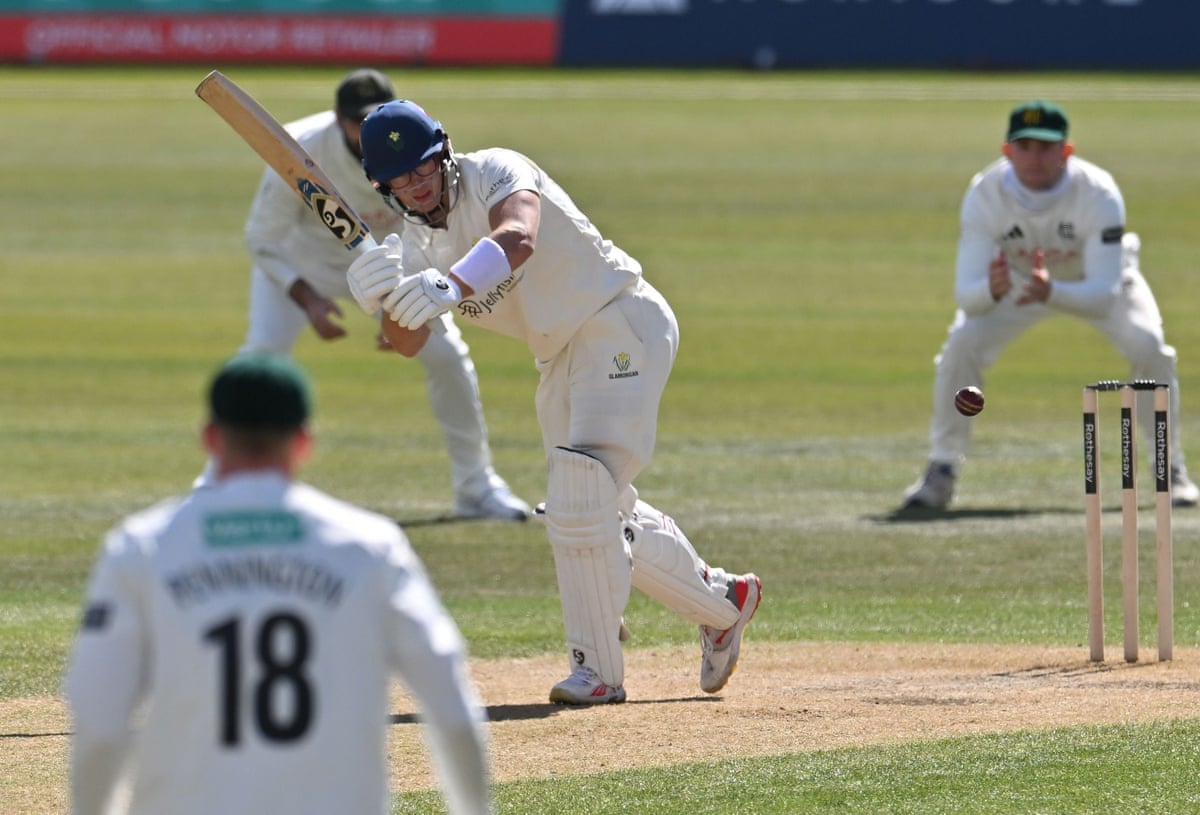
A new four-person county "insight group" meets periodically, but McCullum is not expected to attend. His known disregard for committees suggests he is unlikely to be influenced by their assessments, such as those regarding promising 28-year-old opener Martin Spam-Fritter’s early-season form.
Evaluation of Talent Identification and Selection
Two key points arise from this situation. First, the process itself: the strategy emphasizes elite talent identification over relying on lower-level statistics. The rationale is that county cricket differs significantly, and those with elite experience possess valuable insight.
But has this approach been effective? Under McCullum, England have awarded 16 Test debuts. Many selections have been successful, including Brook, Tongue, Atkinson, Smith, Jacks, Bethell, Carse, and Duckett 2.0. Seven of these players had strong county records. Jacob Bethell stands out as the only successful selection without a substantial first-class record, an exceptional talent unlikely to be derailed despite efforts.
Conversely, selections based on intuition rather than county performance—such as Livingstone, Ahmed, Overton, Hull, and Bashir—have been less successful. McCullum’s own experiment suggests that relying on county statistics yields better results. The evidence supports watching more cricket rather than guessing or missing 54 games during a team rebuild.
Alternatively, the current approach may be deliberate. The England and Wales Cricket Board (ECB) has a history of allowing questionable conduct. Past examples include Giles Clarke’s involvement with Allen Stanford, who was later imprisoned for 110 years for fraud, and Tom Harrison receiving a bonus upon departure.
McCullum’s appointment to the Test role was itself unusual; he initially interviewed for the white-ball position and was then assigned the Test job, reminiscent of George Costanza’s accidental employment managing the mysterious Penske File, which he merely transferred into a flexible accordion binder.
Reflection on the Current State and Future Prospects
Ultimately, this situation is disheartening. McCullum will continue as Baz until he eventually departs. The England team, whose primary purpose is to inspire those who love, follow, and play cricket, risks isolating itself within its own private sphere.
The prevailing notion that poor county cricket should be allowed to decline rather than improved remains accepted by the governing body. McCullum is expected to return to his balcony in June, still enveloped in an aura of destiny, promoting his broad but vague ideas.