

Evaluating the New Injury Replacement Rules in County Cricket
The sport must critically assess whether the recent introduction of injury replacement regulations should be extended to Test cricket, following several notable issues encountered during the trial phase.
Lancashire County Cricket Club is currently experiencing some difficulties. Starting next week, live-streamed coverage of their matches at Old Trafford will be placed behind a paywall—free for members but costing £20 per season for others. Consequently, the excitement of witnessing Jimmy Anderson bowl from the end that bears his name will be accessible to a reduced audience.
Beyond this, and the broader disappointment regarding Old Trafford's transformation into a hotel and events venue where the first team appears secondary, there is a general consensus that Lancashire has been disadvantaged recently, particularly concerning the ongoing trial of injury replacements in English cricket.
Overview of the Injury Replacement Trial
This year, teams participating in the County Championship have been permitted to replace a player if that player suffers injury, illness, or a significant life event—expanding on previous allowances that covered concussion or England call-ups. Such replacements require approval from the match referee, supported by documentation from the team doctor.
Lancashire's Experience with the New Regulations
For Lancashire, the implementation of these rules has been perplexing. In consecutive matches, the club has been informed that the player they chose to omit from their starting XI is too skilled or experienced to be substituted for the injured player.
Initially, Ajeet Singh Dale sustained a hamstring injury just two overs into a match against Gloucestershire. Lancashire attempted to substitute Tom Bailey, a right-arm fast-medium bowler, for Dale. However, Bailey, being ten years older and possessing over 300 first-class wickets, was deemed an unsuitable replacement. Ultimately, Lancashire had to select Ollie Sutton, a left-arm medium all-rounder, who bowled 12 overs during the match.
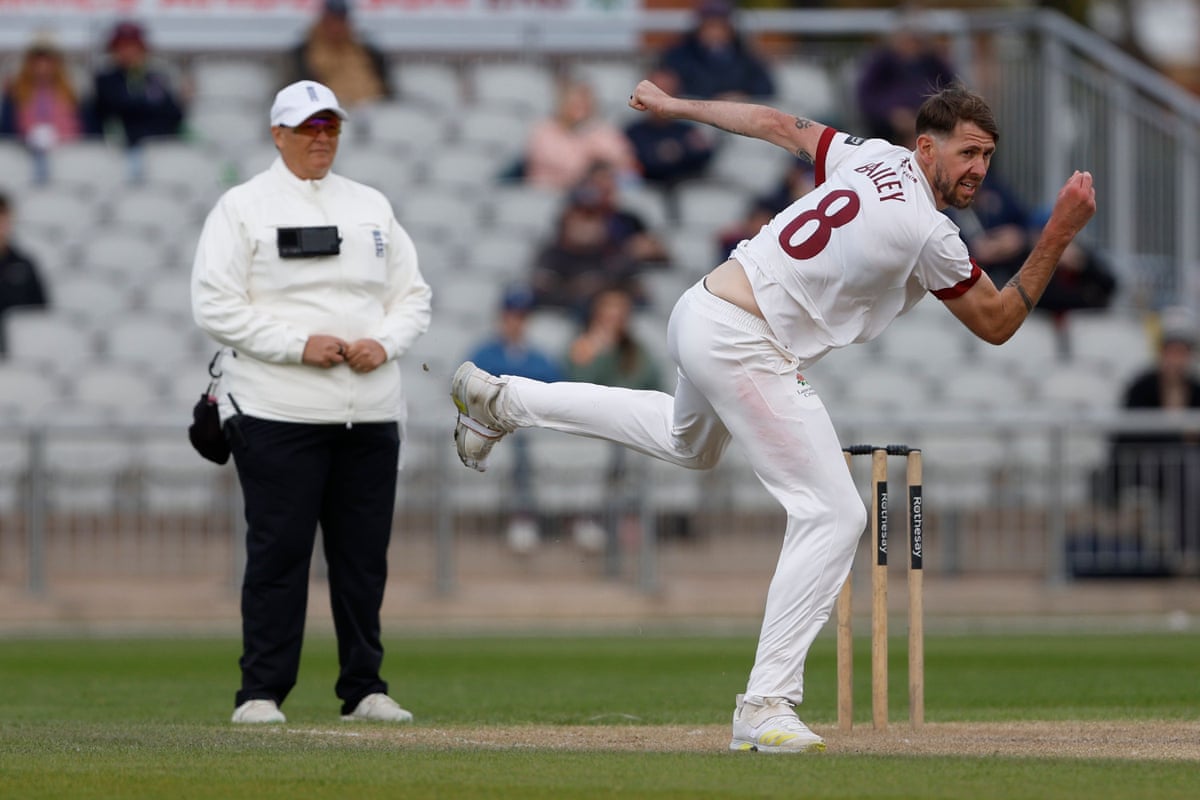
Subsequently, in a match at Durham, Lancashire lost Arav Shetty, a young right-arm spin-bowling all-rounder, to a fractured thumb on the second day. The club's attempt to bring in Tom Hartley was rejected, not due to Hartley's role as a left-arm spinner and batsman, but because he had played 40 more first-class matches and earned five Test caps. Instead, George Bell, an off-spin bowler and wicketkeeper-batsman, was introduced.
Lancashire lost the match at Chester-le-Street partly because the absence of a frontline spinner limited relief options for their seam bowlers and reduced their threat on a day four pitch that had already seen Callum Parkinson bowl 39 overs for Durham. Bailey, who was selected this time, even switched from seam bowling to off-spin for a period.
Interpretation and Application of the Regulations
The playing regulations specify that the substitute player should be a "like for like (or sufficiently close)" replacement, matching the role of the affected player. However, they do not mention considerations such as the incoming player's ability, age, experience, or reputation.
From an external perspective, it appears that match referees are making subjective decisions, comparing emerging players with seasoned professionals and, by extension, evaluating team selections. For example, match referee Peter Such reportedly based the decision regarding Bailey on his superior bowling performance compared to Singh Dale the previous week.

"Apparently part of the Bailey decision from match referee Peter Such was that he had bowled better than Singh Dale the week before."
It is possible that referees are cautious about potential exploitation of the system and are therefore scrutinizing teams' intentions. This caution is understandable given the potential for manipulation. Hampshire's head coach, Russell Domingo, has even suggested that teams might attempt to classify players as ill to circumvent the rules.
Comparisons with International Trials
This trial is among several encouraged by the International Cricket Council (ICC), but England's regulations are less defined compared to other countries. For instance, India's Ranji Trophy trial only permitted replacements for external injuries such as fractures or deep cuts, while Australia's system allowed soft-tissue injuries but excluded illness.
Additionally, the Sheffield Shield in Australia allowed only one replacement per side, with the opposition granted the option to make a tactical substitution. This had to occur within the first two days of the match. This stricter approach resulted in seven replacements across 31 games. In contrast, England has seen 16 replacements for injury or illness (plus one for concussion) across 29 fixtures to date.
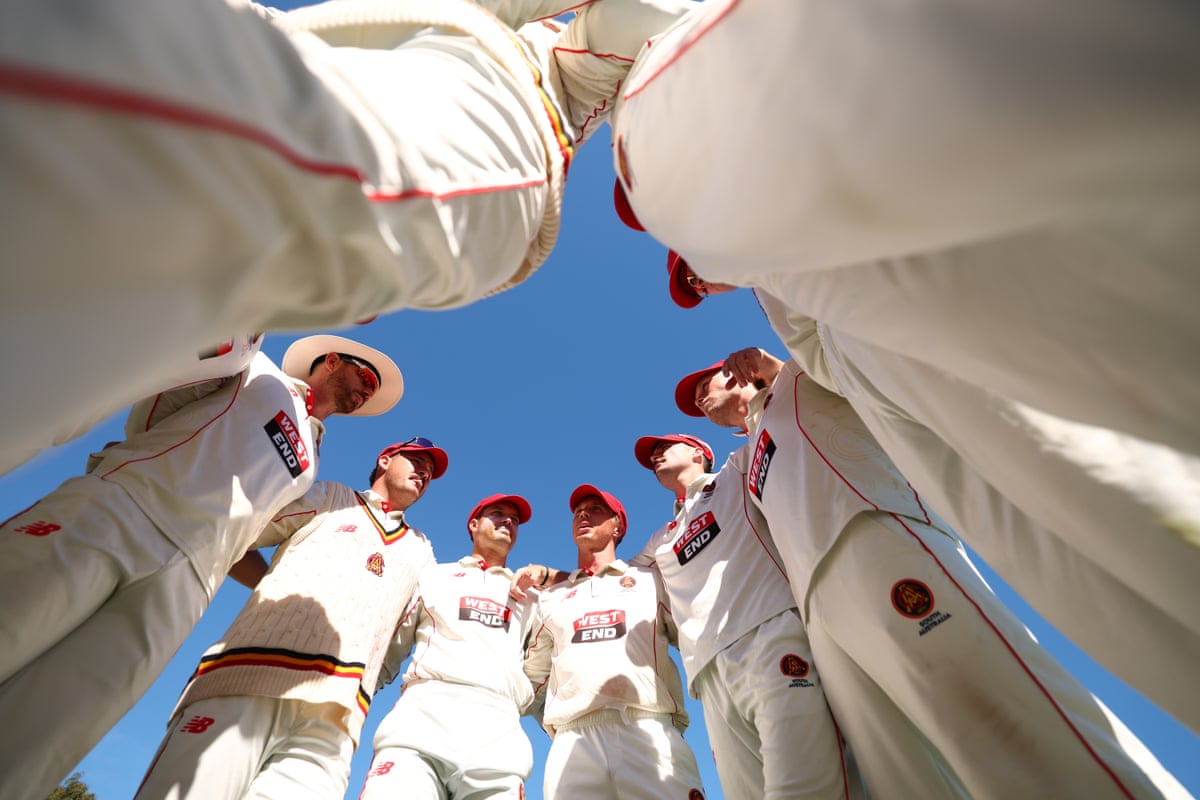
One notable issue in England is the eight-day stand-down period, compared to Australia's 12-day rule. Intended as a deterrent, this period counts calendar days rather than playing days, allowing the stand-down to be served during a week without fixtures. Interestingly, six replacements occurred in the second round—before half of the counties took a break—representing a threefold increase from the first week.
Future Prospects and Considerations
The England and Wales Cricket Board (ECB) has emphasized that the current system is a trial conducted in consultation with the counties. Ambiguities and imperfections were anticipated, even welcomed, to facilitate learning. Although mid-season adjustments are theoretically possible, whether they will be implemented remains uncertain.
Aside from replacements for significant life events—which have not yet been invoked but are considered a valuable addition in light of recent events—the ultimate form of the replacement system emerging from these trials is only part of the discussion.
Domestic cricket may continue to require injury replacements. However, before expanding such provisions to Test cricket beyond concussion cases, the sport must carefully consider whether it wishes to incorporate injury substitutions.
While well-intentioned, introducing replacements in Test cricket would fundamentally alter its nature: an 11 versus 11 contest that tests collective endurance, fitness, resilience, and courage, in addition to skill and technique.
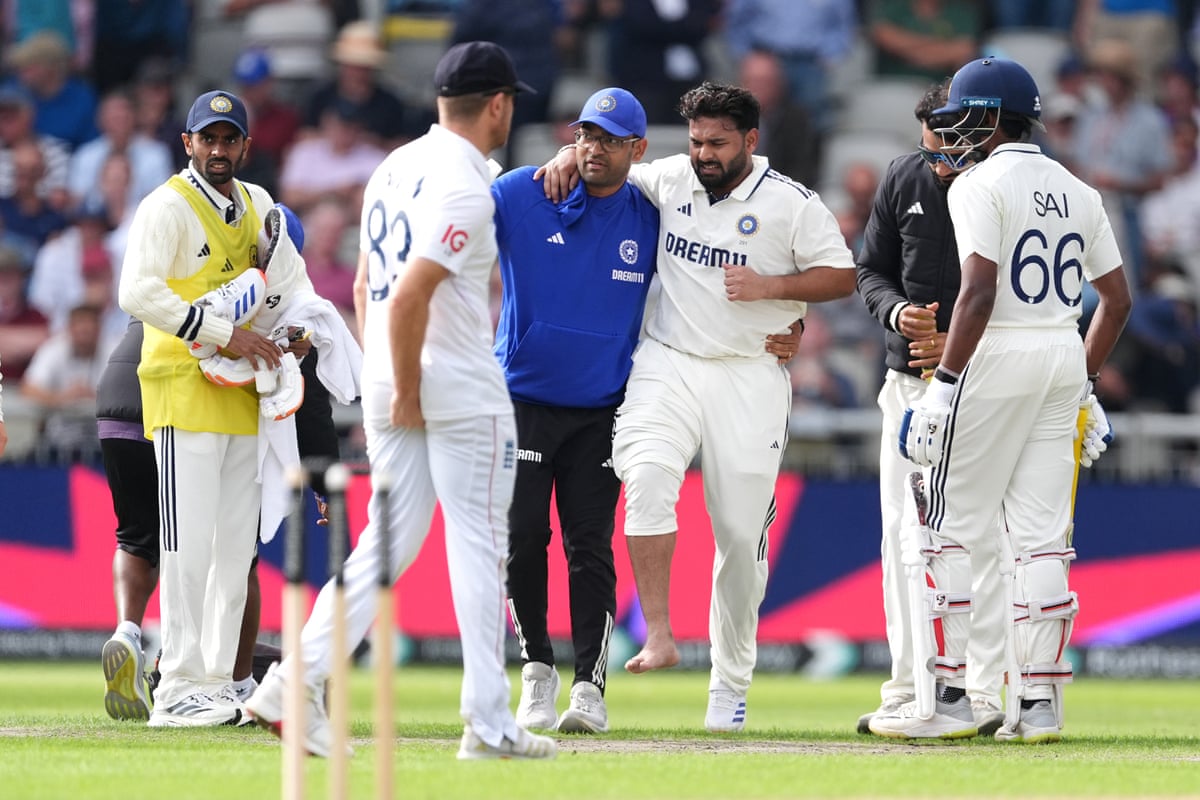
The issue extends beyond high-profile moments, such as Chris Woakes or Rishabh Pant batting despite significant pain, to broader concerns about player conditioning and potential misuse of the system. Teams might be incentivized to gamble on player fitness or fabricate reasons for mid-match substitutions. Fast bowlers, in particular, often show some form of injury upon medical scans.
England took a risk by selecting Anderson at the start of the 2019 Ashes, which did not yield the desired outcome and received little sympathy. Nevertheless, Anderson has played an extraordinary 188 Tests and recently completed four consecutive county matches, remaining the leading wicket-taker in the country. At 43, he continues to exemplify physical conditioning standards.
Despite his recent frustrations as Lancashire captain, Anderson can take solace in the fact that his 704 Test wickets demonstrate that, contrary to predictions following his England retirement, any bowler can now replace him.


