England's T20 World Cup Campaign Begins
Nat Sciver-Brunt's England team is set to commence their T20 World Cup journey on Friday, facing Sri Lanka at Edgbaston at 18:30 BST.
Despite Nat Sciver-Brunt's challenges in securing a World Cup victory this summer, her prospects in a football sweepstake, where she drew rank outsiders Curacao, suggest potential improvement.
As football gains momentum in North America and Ben Stokes' England captaincy future dominates headlines domestically, Sciver-Brunt's squad opens their home T20 World Cup against Sri Lanka, marking a significant moment for both the England team and the broader UK cricket landscape amid fierce competition for audience attention.
Historical Context and Current Challenges
It has been 15 months since England appointed Charlotte Edwards as coach and Nat Sciver-Brunt as captain, a transition reflecting the considerable challenges faced by the leadership duo.
England's women's cricket team boasts a historic record of winning all four Women's World Cups hosted in England since 1973. However, they have not secured a title in the past six tournaments across T20 and 50-over formats.
The team has experienced setbacks, including missing out on a medal at the 2022 Commonwealth Games and five unsuccessful attempts to reclaim the Ashes, contributing to a prolonged period without major trophies.
Recent discussions have centered on aspirations to emulate the successes of England's Lionesses and Red Roses, who won football and rugby union tournaments on home soil in 2022 and 2025 respectively.
Nonetheless, significant challenges remain, including competing against Australia's consistent production of female cricket talent, India's financial resources and player base, and South Africa's recent record of reaching three consecutive world finals, signaling their rising prominence.
Team Momentum and Recent Performances
Despite these obstacles, there is a growing sense of momentum within the England squad.
Charlotte Edwards, who was controversially dropped before the last home World Cup, has effectively addressed fitness concerns that troubled the team during the final months under Jon Lewis, following the 2024-25 Ashes whitewash.
Although the 50-over World Cup last autumn was disappointing, recent series victories over New Zealand and India have enhanced both expectations and confidence.
In a span of six matches during May and early June, Alice Capsey evolved from a spare batter to a key middle-order player, while Sciver-Brunt's fifty on Wednesday, following six weeks sidelined with a calf injury, provided a timely boost.
Seam bowling all-rounders Freya Kemp and Dani Gibson, significant additions since last year's 50-over World Cup exit, have contributed freshness and balance.
Kemp's unbeaten 39 runs off 13 balls against India in Bristol, during a critical phase with England trailing 1-0 and struggling at 117-4 in the 17th over, may prove pivotal in retrospect.
From that challenging position, England leveled the series and ultimately secured an impressive win in Taunton.
The pressing question remains whether this resurgence signals a lasting improvement or another fleeting success, as previous bilateral wins were not sustained during World Cup tournaments.
Broader Significance for Women's Cricket
This tournament occurs at a compelling juncture for women's cricket globally.

Scotland has qualified for the second time and aims for its first victory at this level, having recently defeated Pakistan and Bangladesh in warm-up matches. Ireland has also recorded wins against Pakistan, Bangladesh, and West Indies.
Both Scotland and Ireland are in England's group alongside the West Indies, Sri Lanka, and New Zealand, making upsets a tangible possibility.
The tournament is also expected to be emotionally charged, with New Zealand's esteemed all-rounder Suzie Bates announcing this month as the conclusion of her international career, following Australian icon Alyssa Healy's retirement earlier this year.
Former England captain Heather Knight, who is already transitioning to a management role in The Hundred, may soon follow suit, indicating a forthcoming generational change.
Success this summer would serve as a fitting finale for Knight, a transformative figure in modern women's cricket.
Knight led England to victory in the 2017 World Cup final at Lord's, though the group stage matches that year were held in Leicester, Derby, Taunton, and Bristol.
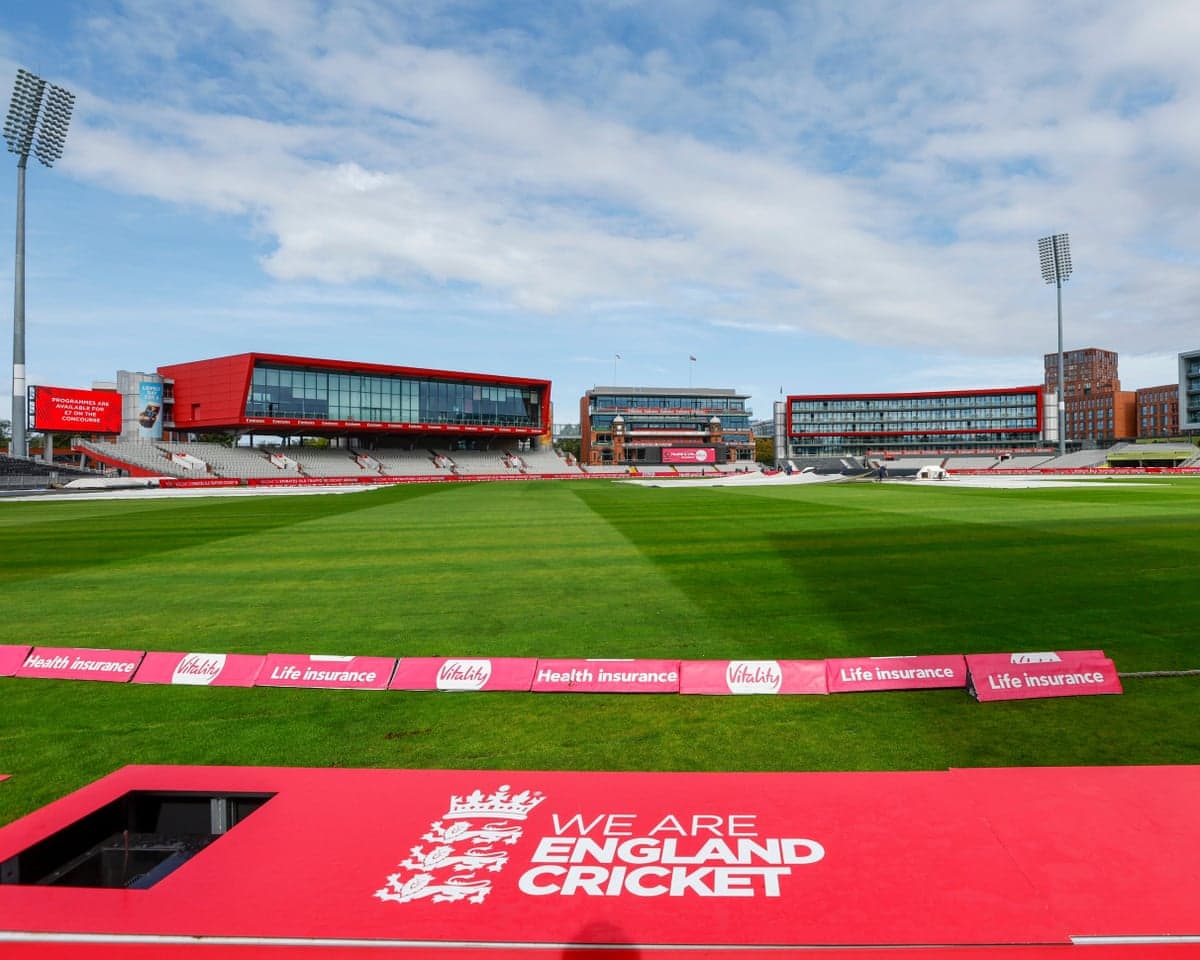
This year, Bristol remains a host venue, joined by Lord's, The Oval, Old Trafford, Headingley, Southampton, and Edgbaston—some of England's most prestigious and largest cricket grounds.
These venues symbolize the significant growth of women's cricket during Knight's career but also present challenges for the tournament's success.
While ticket sales have surpassed the previous record for a Women's T20 World Cup—136,549 tickets sold for the 2020 edition in Australia—more than a month before the tournament's start, empty seats remain a potential concern at certain matches.
Organizers hope the tournament will resonate with the public and inspire a new generation, akin to the impact of the Lionesses' and Red Roses' recent triumphs.
Pressure and Opportunity for England
England aims to start strongly to generate early enthusiasm.
"There's extra pressure from everywhere," Sciver-Brunt said on Thursday.
"Being the host nation, my first home World Cup leading, the Lionesses and the Red Roses doing such a brilliant job in their tournaments in the last few years, the state of women's cricket, the list goes on in terms of where you could add up the pressure.
"I guess we're sat here feeling that pressure is a privilege, we're at a time in the world where women's cricket is waiting for a platform to expand and explode."
English cricket did not fully capitalize on Knight's 2017 victory; full-time domestic contracts were introduced three years later, and The Hundred competition only launched in 2021.
As Sciver-Brunt notes, the platform now exists, making this tournament a critical opportunity for the sport to maximize its potential.
- Self-doubt to the summit - the rise of England's Smith
- England will not enforce World Cup social media ban