

The Hundred and Political Volatility
The revamped Hundred cricket competition is set to present the unusual sight of men in chinos attempting to contain a Pandora’s box of political tensions.
When the England and Wales Cricket Board (ECB) announced the Hundred, it promised a new audience, fresh energy, and a modern online presence. However, it likely did not anticipate the wave of hate threats and terrorism accusations directed at the 34-year-old female owner of the former Northern Superchargers franchise.
Nevertheless, this intense energy translates into attention and viewership. One might even speculate about the potential merchandising opportunities arising from such controversies, or how to capitalize on the intense online discourse.
ECB’s Media Management and Ashes Silence
Before delving deeper, it is important to note that the ECB has denied the existence of a shadow ban reportedly instructing England players not to discuss the Ashes during county media days. While this was allegedly the initial plan, it is no longer formally in place. However, players like Matt Potts remain notably reticent.
To the ECB’s credit, this approach is unprecedented in British sport, as no governing body has seriously attempted to impose a blanket ban on discussing a recently concluded sporting event.
Rob Key, with his media experience, appears to be managing this situation strategically. To assist the governing body, here is a list of topics that have been effectively removed from public discourse and are unlikely to reappear in national sports media:
- The England captain’s public denial via ECB channels regarding an altercation involving a bouncer prior to a New Zealand game.
- Rob Key’s discomfort over discussions about England players’ activities in Noosa.
These matters have been carefully tucked away, with the job considered complete.
It is hoped that baseless discussions about a drinking culture, poor preparation, unbalanced selection, or failure to hire specialist coaches will also be avoided. Even the Ashes scoreline—4-1—is to be treated as a non-topic.
Season Challenges and Highlights
The ECB’s media team faces considerable challenges as the new season begins. Amid this, there are positive developments worth noting, particularly involving Abrar Ahmed, a highly skilled Pakistani bowler signed by an Indian-owned franchise.
This signing is significant for the ECB, which likely welcomed it as a positive step. Excluding Abrar would have raised difficult questions about ownership, inclusion, and the domestic communities the ECB supports, as well as potential employment law issues. Thus, Abrar’s move to the Sunrisers is seen as a fortunate outcome.

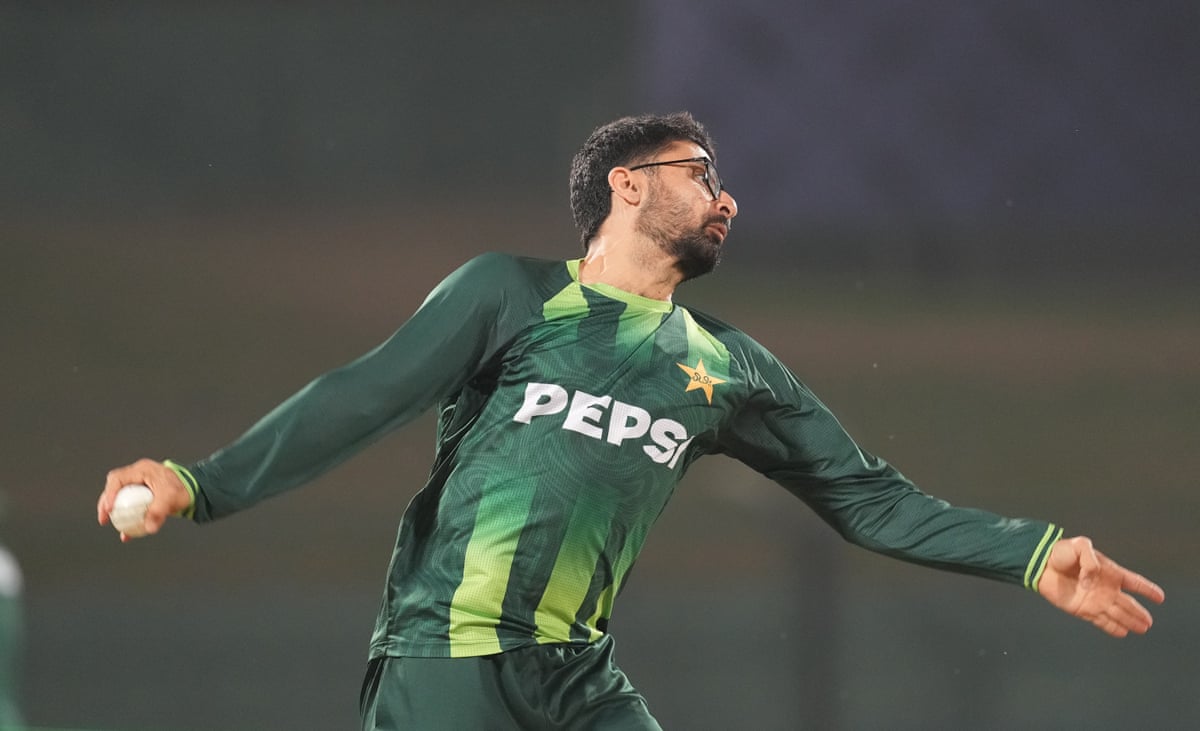
There is no evidence of lobbying pressure related to this signing. Head coach Daniel Vettori has explicitly denied receiving any input from Sunrisers Hyderabad’s owners, who were present during the auction. This represents a rare piece of good news for the ECB.
Political Context of Abrar Ahmed’s Signing
However, the situation is complex. Abrar Ahmed is the only Pakistani player, male or female, signed by an Indian-owned franchise. Sunrisers is owned by Sun Media, based in Chennai, and the online reaction in India has been intense due to the political sensitivities involved.
Abrar is a controversial figure in this context. In March, he posted a photograph of himself holding a cup of tea, referencing the capture of an Indian pilot by Pakistan’s military during a recent conflict. Indian news outlets have described the reaction as a "Social Media Firestorm," with calls for boycotting Hyderabad games in the Indian Premier League and concerns about brand damage. The Sunrisers Leeds X account was suspended following the announcement.
Sun Media was founded by Kalanithi Maran, whose daughter Kaviya Maran is the chief executive of Sunrisers Leeds and was visible at the auction. Kaviya’s grandfather was a prominent political figure in the Dravida Munnetra Kazhagam (DMK) party, which remains influential in Tamil Nadu.
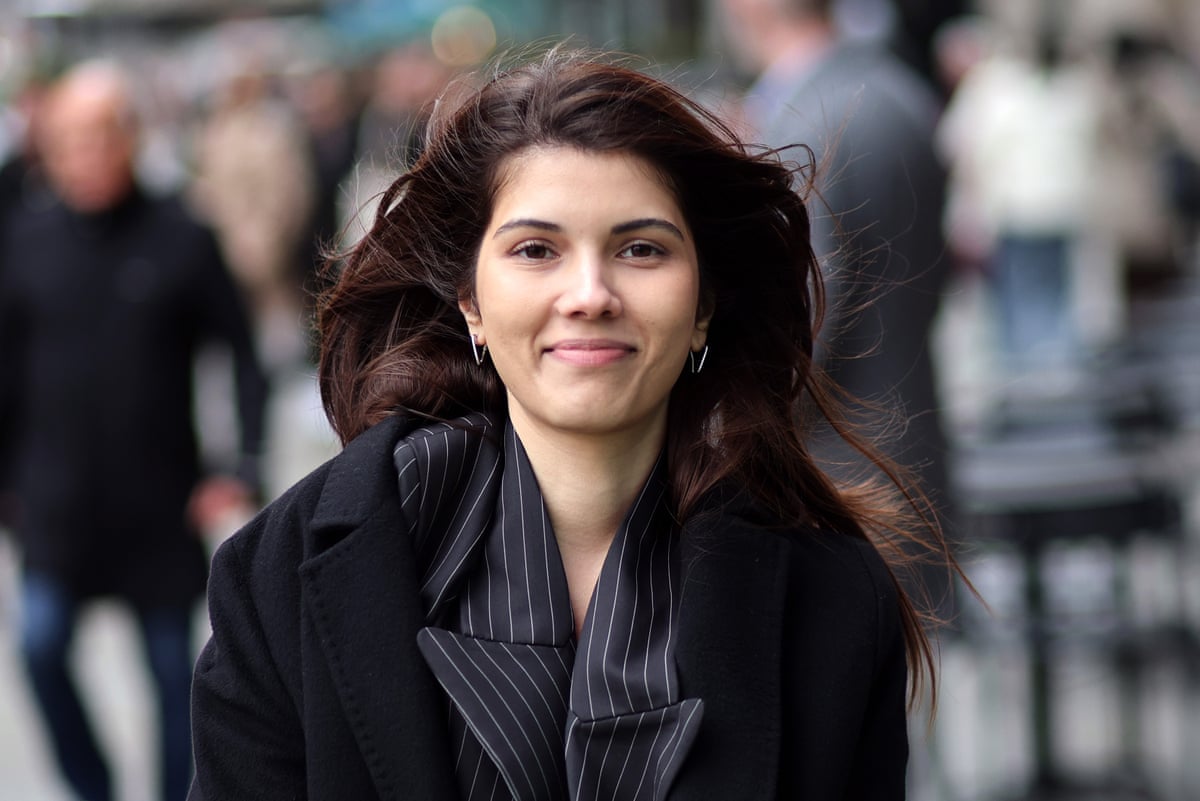
The DMK opposes the Bharatiya Janata Party (BJP) and Narendra Modi’s Hindu nationalist agenda, aligning more with secular Indian values. The party leader, MK Stalin, a former actor and self-described atheist, is a distant relative of Kaviya Maran.
While politics is unwelcome in sports, it inevitably influences this environment. This background helps explain why the Sunrisers franchise has signed a Pakistani cricketer for the Hundred. Among Indian owners, Sunrisers were likely the most open to this move.
Indian observers are aware of this political dimension. Alongside other reactions, there have been disparaging comments about the Maran family’s DMK connections, accusations of treachery, and allegations of anti-nationalism.
It is essential to approach these reactions with caution. Cricket social media is often a hotbed of misinformation, bots, and hysteria. Nonetheless, the controversy persists, adding complexity to the Hundred’s presentation to the public. The tournament will proceed amid these tensions, reflecting the challenges of balancing commercial interests and political realities.
Looking Ahead
Perhaps the Hundred can serve as a unifying force, fostering inclusivity and healing divisions, rather than merely a group of men struggling to manage a volatile situation. At minimum, it introduces a new topic for England players to address beyond the usual pavilion conversations.
For example, Harry might now face questions about the barrage of online hate threats. What are his thoughts?


