Healy’s Last Victory and the Scarcity of Women’s Test Cricket
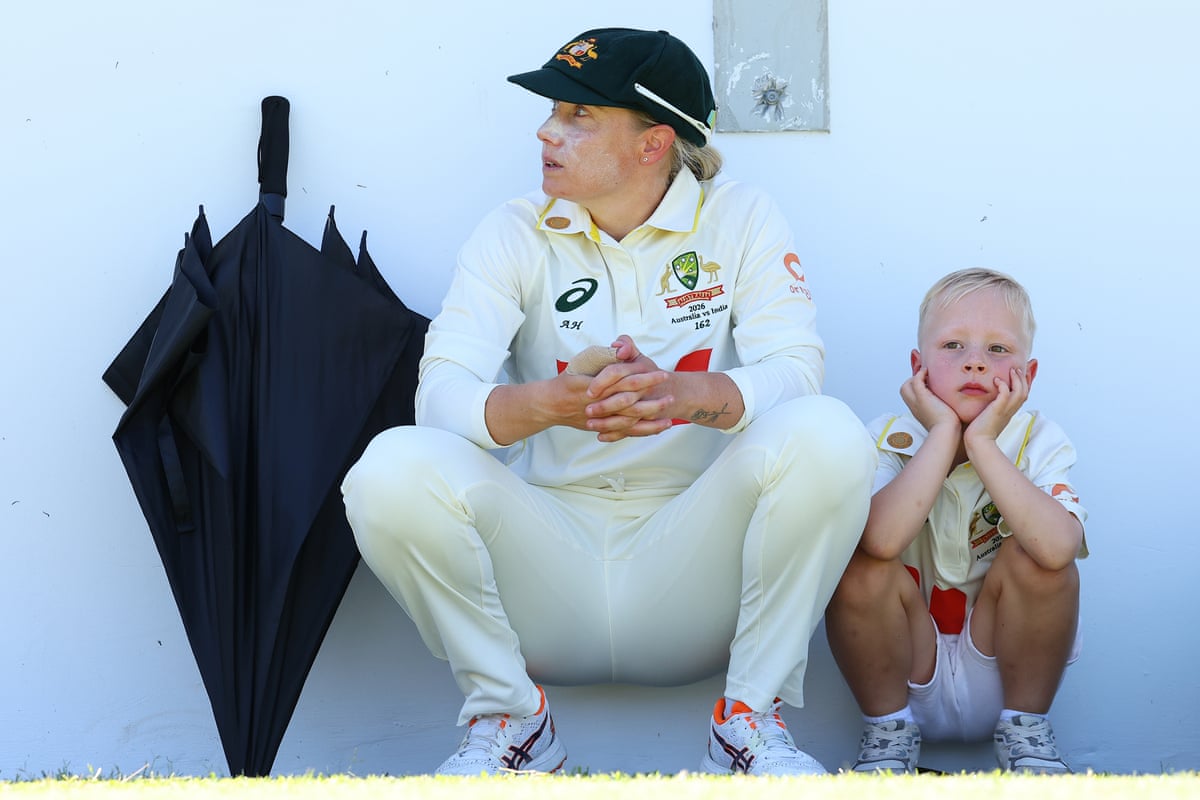
The retiring captain Alyssa Healy secured one final win in her career, but her performance underscored the rarity of opportunities in women’s Test cricket, where moments of misfortune tend to have sharper consequences due to infrequent matches.
Sometimes, behind-the-scenes footage reveals more than intended. In a quiet Australian dressing room in 2019, players were silently focused on the uncertain middle-distance, resembling commuters on a train. Eventually, Alyssa Healy broke the silence with a raised voice.
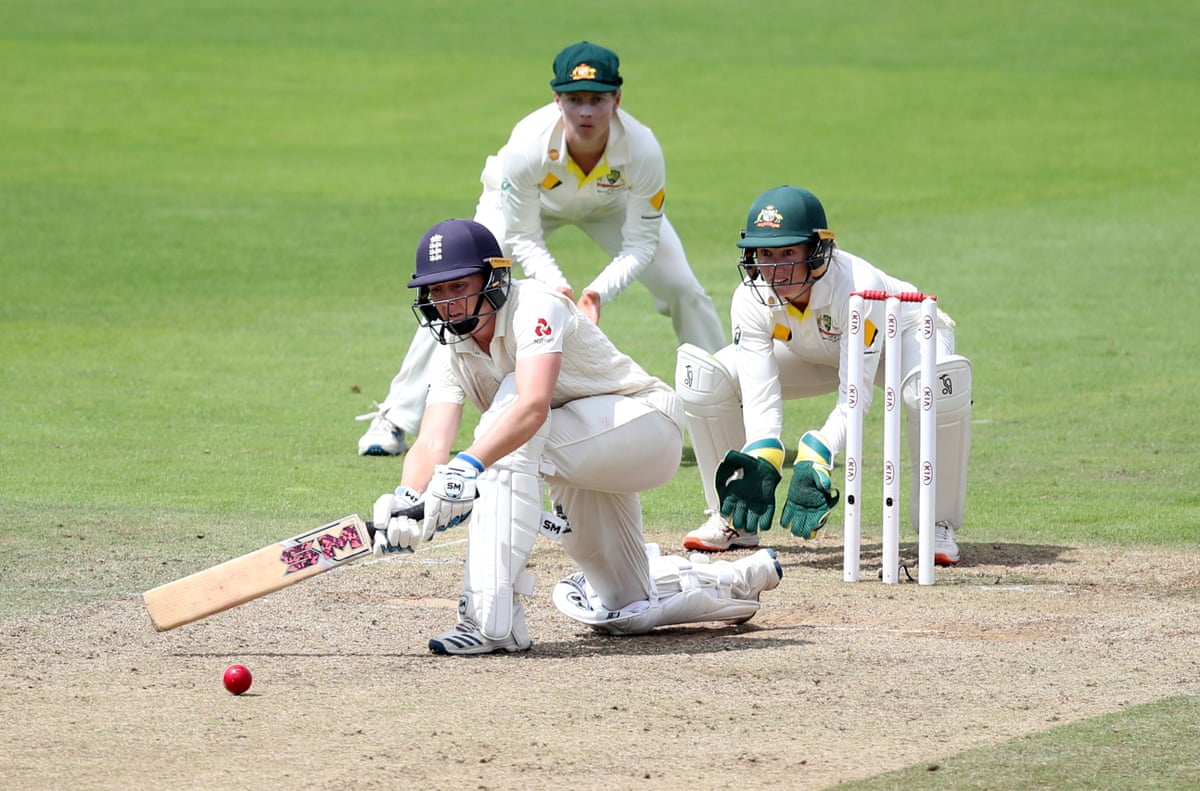
This occurred on the final day of the Ashes Test at Taunton, where Australia faced a strategic choice: either offer England a chance to chase a target in pursuit of a win or bat out the game to secure a draw. Afterward, coach Matthew Mott and captain Meg Lanning were criticized for opting to bat out the match. They responded with characteristic Australian reserve, asserting that an England team trailing in a multi-format series did not merit an opportunity to stage a comeback.
Documentary footage later revealed Mott and Lanning explaining their rationale and seeking consensus, though the setting was not conducive to dissent. The core issue was less about offering England a chance and more about Australia creating an opportunity for themselves, however slim. When Healy spoke up, she likely was not considering the broader implications for advocating more women’s Tests but was driven by competitive instinct, eager to challenge England with the ball.
Her intervention did not sway the group; no one supported her, and the matter was dropped. Nevertheless, it was significant that Healy felt compelled and able to voice her opinion. While nothing changed that day, the landscape has evolved since Lanning’s retirement in 2023 and Healy’s departure last weekend.
Perhaps this shift is generational: Healy’s final Test squad included genuine youth such as Phoebe Litchfield, Georgia Voll, Lucy Hamilton, and Darcie Brown, among other recent debutants, marking a departure from the era of seasoned semi-professionals. Beyond this, there is a broader transformation among players, amplified by increased visibility through televised matches and the dynamic digital media environment. It may be a simplistic observation, but the Lanning era felt defined by players striving to prove themselves, whereas the Healy era has allowed players to express themselves.
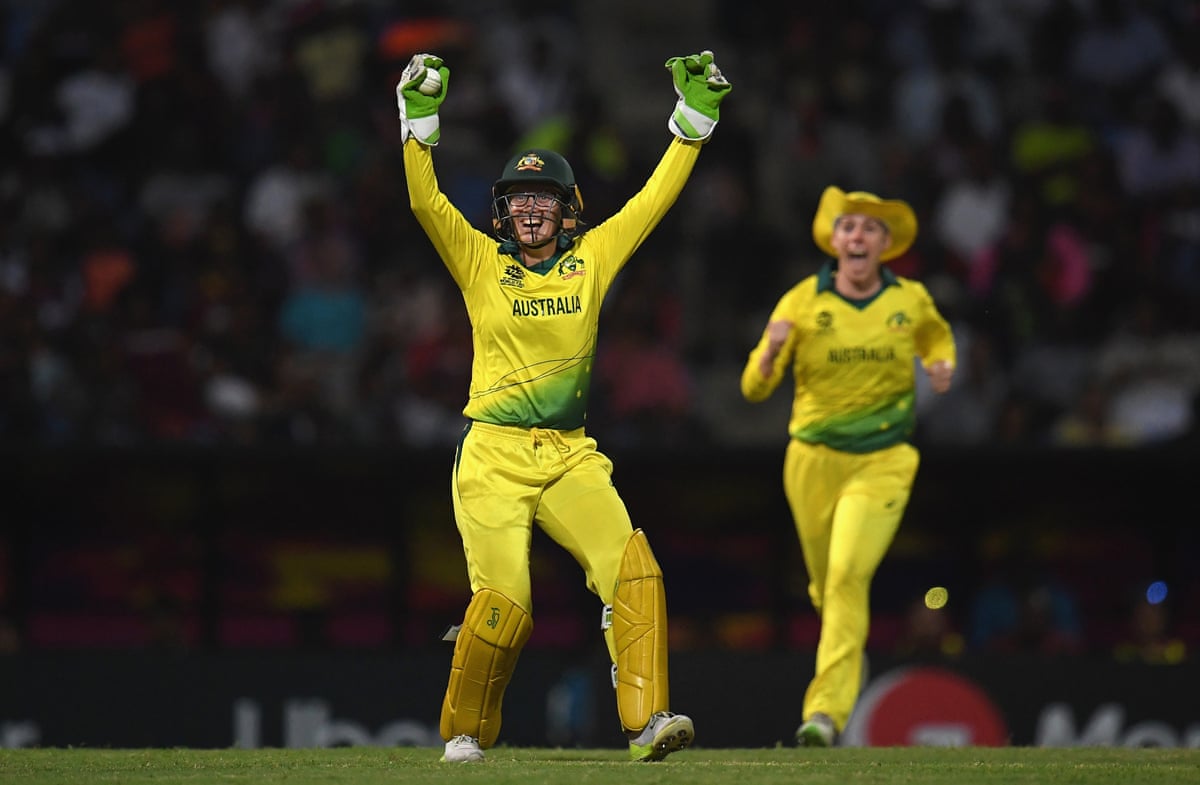
Healy was central to this change, known for her natural chattiness and a self-deprecating humor occasionally aimed at others. Earlier in her career, she may have felt pressure to restrain her personality to avoid triggering the Australian “tall poppy syndrome” that can penalize those perceived as seeking attention. Alternatively, her leadership role may have granted her more freedom to speak. Her repeated match-winning performances in World Cup finals undoubtedly contributed to the latitude she was afforded.
Her engaging speeches, responses to online criticism, and recent prominent role in men’s Ashes commentary before returning to play her farewell series against India have set an example for women cricketers, demonstrating that excellence on the field can coexist with visibility off it. Having spent many years at the top before flourishing with the bat, Healy’s peak years have largely coincided with her final seasons.

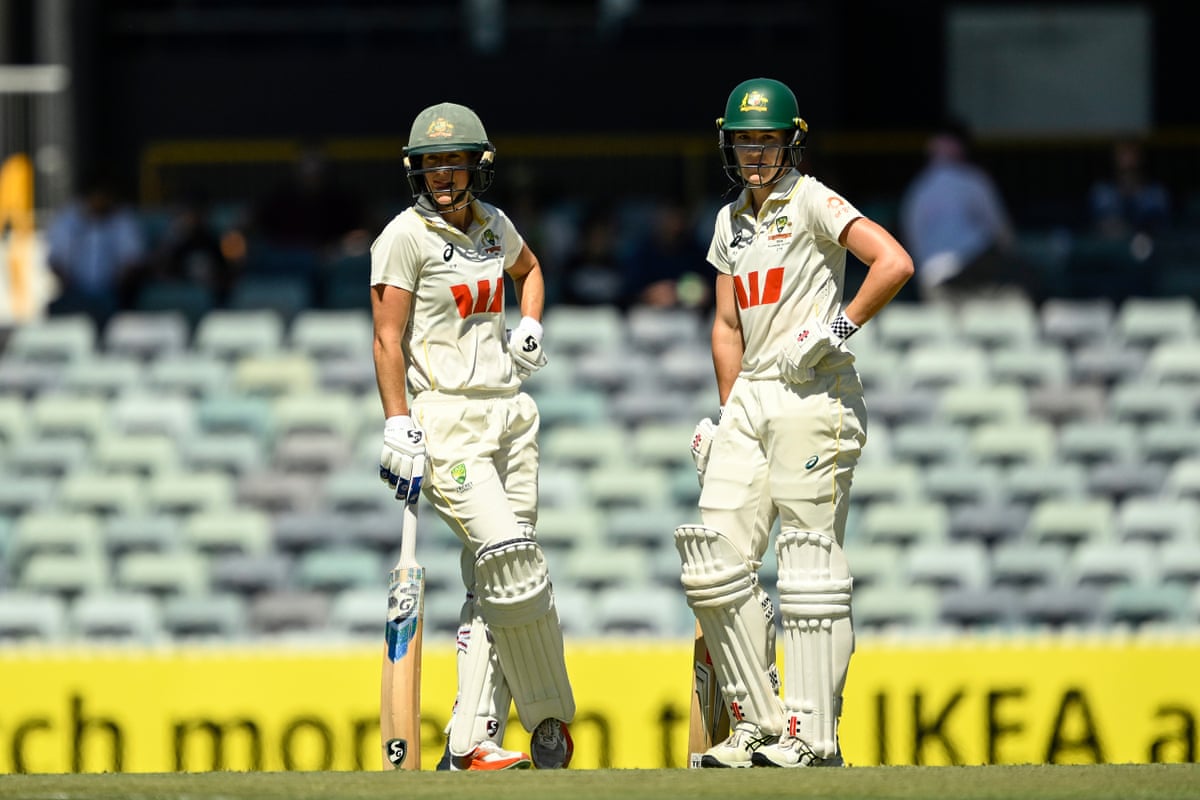
In terms of integration within the men’s cricket sphere, Healy benefits from family connections by blood and marriage, but her prominence would not have been sustained without her performance. Her impressive innings against India ensured she maintained her standards until the end. Her final Test innings, scoring 13 in Perth, did not replicate that high, but such fluctuations are typical in cricket. Ultimately, the victory is what counts.
If anything, Healy’s final match underscores a persistent reality in women’s cricket: with Test matches far less frequent than in the men’s game, unfortunate events such as dismissals or injuries have a more pronounced impact. The wait for even elite players to receive another Test opportunity often spans years, if it occurs at all.
Healy concludes a 16-year career having played 11 Tests. Ellyse Perry, arguably Australia’s greatest in the format, has played 15 Tests, including one in Perth where she overcame a quad injury that might have sidelined her from shorter formats to avoid missing the Test. Annabel Sutherland boasts an average of 89 with the bat and 23 with the ball, but unless scheduling improves, she may not surpass Perry’s number of Tests.
Had Perry missed last week’s match, it would have meant a two-year gap between Tests for Australia. The team had planned to supplement six white-ball matches in the Caribbean next month with a Test—their first against the West Indies since 1976 and the first time since 2005 in England that they would have played two Tests in quick succession.
However, that Test was cancelled due to financial disagreements. An underfunded Cricket West Indies sought to reduce costs by hosting all seven matches at a single venue, while Cricket Australia preferred two venues. The recurring issue is reluctance to bear expenses, reflecting the unequal financial distribution in cricket. While Healy has contributed to positive changes in the game, some challenges remain beyond any individual player’s influence. With her prominent voice, she can continue advocating for greater opportunities than she herself received.