

Trump's Influence Solidifies in Republican Party
In recent weeks, Donald Trump has embarked on what many describe as a retribution campaign, targeting critics within the Republican Party. Despite challenges such as an unpopular war in Iran, declining public approval, rising consumer prices, and controversies surrounding White House expenditures, Trump's dominance over the GOP remains unshaken.
Massie's Defeat Marks Another Trump Victory
Thomas Massie, the independent-minded congressman from Kentucky known for his dissenting views, was decisively defeated in the Republican primary on Tuesday. The Trump-endorsed candidate, Ed Gallrein, is projected to secure approximately 55% of the vote, positioning him to face Democratic opponents in the upcoming November midterm elections.
Massie, often regarded as a Republican rebel and a persistent critic of Trump, has become the latest political figure to fall victim to the former president's influence. His opposition to several key Trump policies contributed to his downfall.
Massie's Opposition to Trump Policies
Massie opposed Trump's tax-and-spending budget package last year, citing concerns over its impact on the federal deficit. He also voted to limit the president's military actions in Venezuela and Iran. Notably, Massie led efforts in the House of Representatives to demand the release of Justice Department files related to Jeffrey Epstein, the disgraced financier with connections to influential figures.
These actions placed Massie prominently on Trump's list of adversaries, prompting a $20 million campaign aimed at unseating him after more than a decade in Congress.
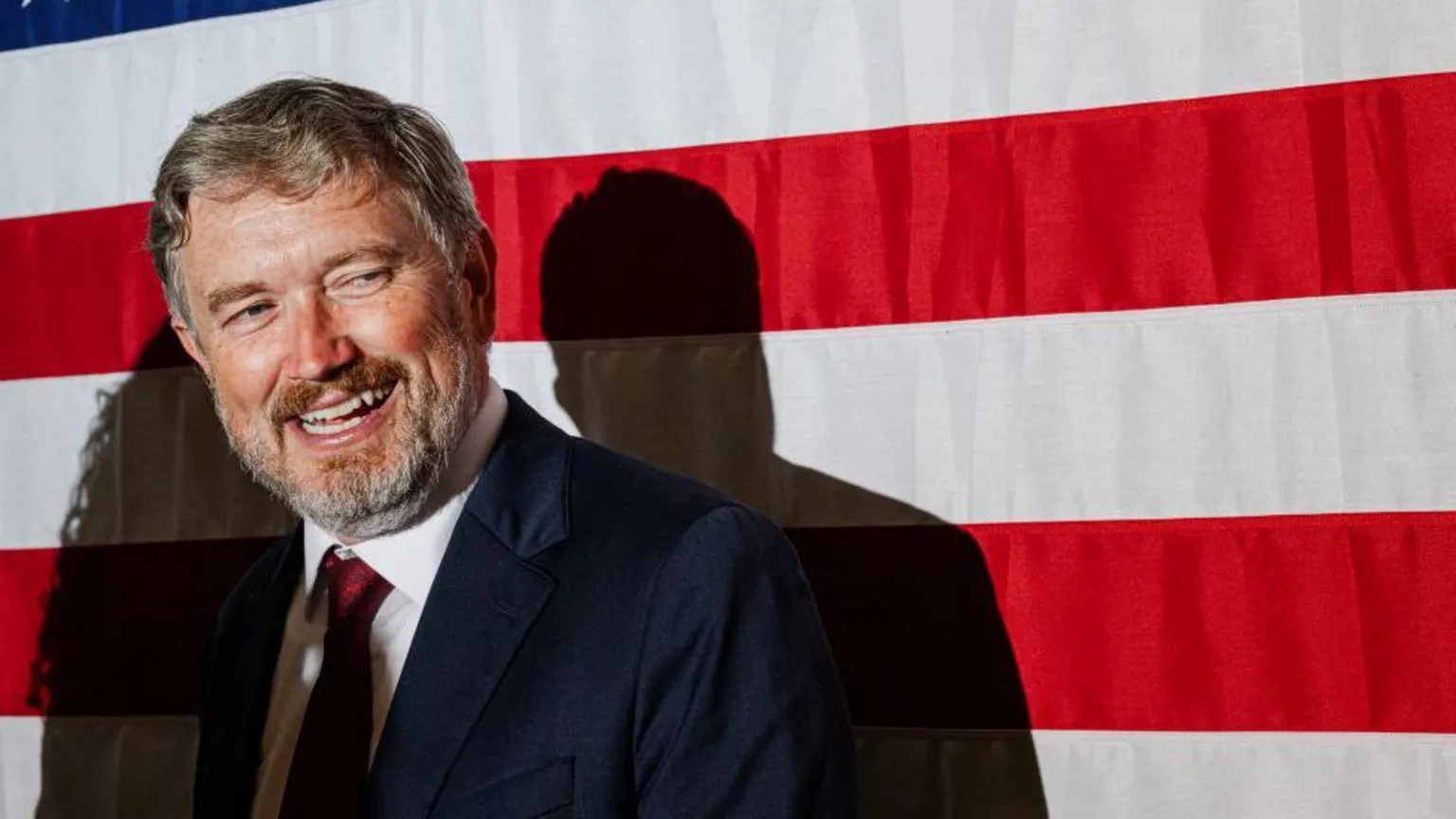
Analysis of Massie's Defeat
Trey Grayson, a two-time Republican secretary of state in Kentucky, commented on the election outcome:
"Trump once again proved his power in the Republican party."
Grayson acknowledged that Massie had made enemies within state politics by not cooperating with local business leaders and focusing on high-profile legislative efforts rather than routine governance. Ultimately, Grayson attributed Massie's defeat to Trump's firm control over the party.
Gallrein, Massie's Trump-backed opponent, conducted a minimal campaign, declining most debates and public forums. Instead, he leveraged the president's endorsement and the substantial financial backing it attracted. This strategy proved effective, resulting in a comfortable double-digit victory.
Broader Impact on Republican Incumbents
Massie's loss adds to a growing list of Republican incumbents defeated by Trump-endorsed challengers. This group includes Louisiana Senator Bill Cassidy, who lost a primary on Saturday, and five of seven Indiana state legislators targeted by the president last week.
Looking ahead, Texas Senator John Cornyn may join this list. On the same day Kentucky Republicans voted, Trump endorsed Cornyn's opponent, Texas Attorney General Ken Paxton, in the upcoming runoff election.
Cornyn's Position and Trump's Endorsement
Unlike Massie and Cassidy, Cornyn has not openly opposed Trump. Recently, he even proposed legislation to name a Texas highway after the former president. Despite this, Trump endorsed Paxton, whom he described as a "true MAGA warrior," while referring to Cornyn as a "good man" who lacked sufficient support during challenging times.
Trump's last-minute endorsement of Paxton surprised many Republican senators and elicited frustration. Cornyn, a former member of the Senate Republican leadership and a prolific fundraiser, has established deep relationships over more than two decades in the chamber.
"I don't understand it," said Senator Susan Collins of Maine. "John Cornyn is an outstanding senator and deserved, in my judgement, the president's support."
Potential Consequences of Trump's Strategy
Trump's readiness to challenge Republican incumbents may carry risks. His approval ratings remain low, particularly regarding economic issues among independent voters. While his endorsed candidates have secured victories in primaries, they may not appeal broadly enough to secure wins in the general election.
Additionally, questions arise about the actions of defeated Republicans during their remaining months in office.
Defeated Republicans' Final Actions
On Tuesday, Senator Cassidy voted for the first time to support a resolution limiting Trump's authority to conduct military operations in Iran. He also opposed allocating one billion dollars for security funding related to Trump's proposed White House ballroom.
Several Senate Republicans are set to leave the chamber at the end of the year, either voluntarily or due to losses against Trump-backed candidates. Their departures could complicate the president's efforts to advance spending packages or secure approval for administration nominees.
Their resistance may highlight divisions within the Republican ranks, potentially benefiting Democrats who aim to associate their opponents with an increasingly unpopular president during the general election.
Conclusion
Donald Trump continues to remove critics from within the Republican Party, consolidating his control. However, those departing Republicans may still pose challenges to his agenda in the months ahead.


