

Woman Harassed and Beeped at by Catcallers Reports Untaxed Van to DVLA
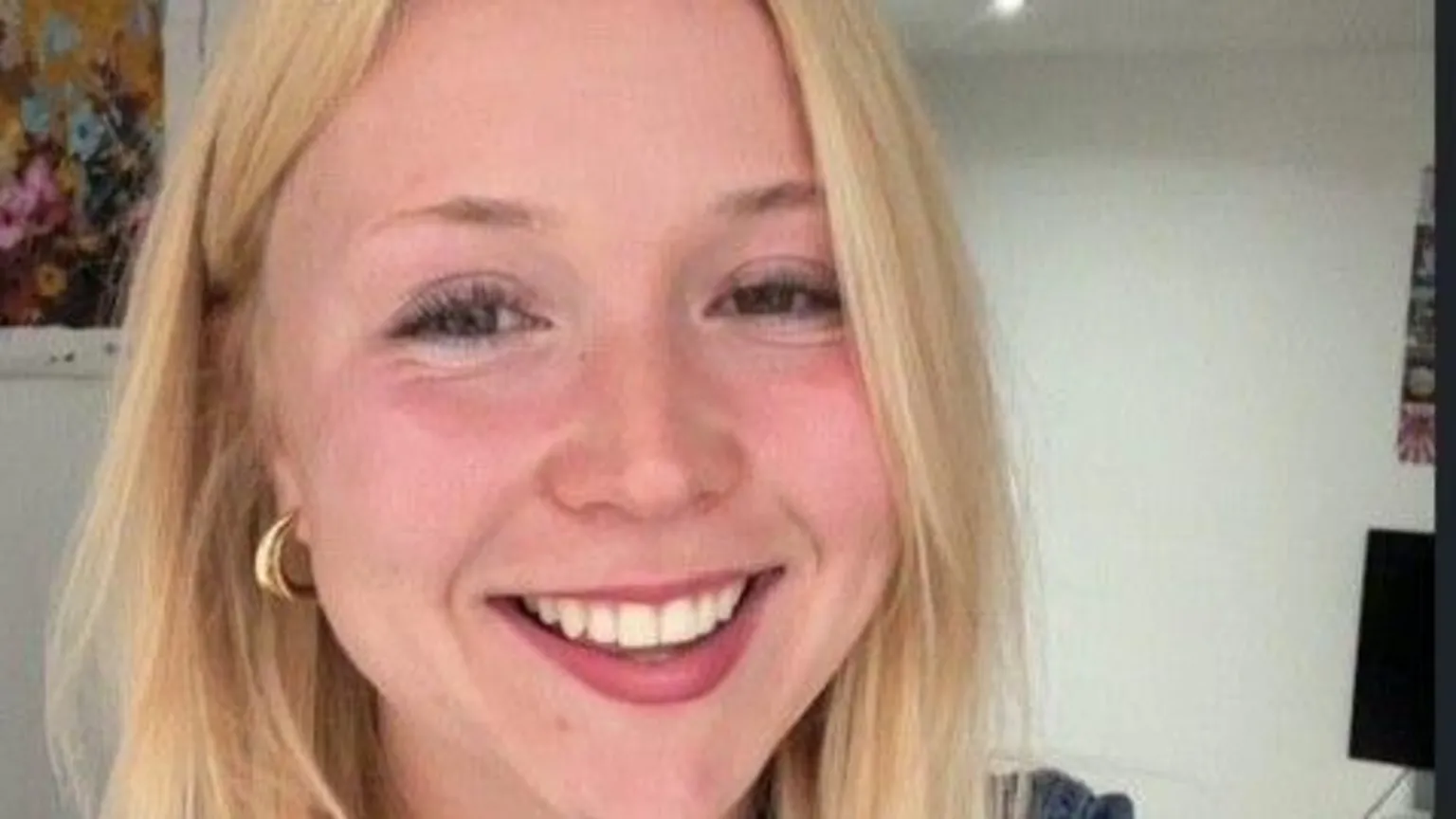
A woman who was catcalled by two men while waiting to cross a busy road said she was left feeling confused and scared.
Initially, Aneesa, 25, thought the van driver was beeping due to traffic issues, but she was shocked to realise he was targeting her and her younger sister.
Despite the distress caused by being jeered at on a Cardiff street earlier this month, Aneesa was determined to stand her ground and began filming the incident.
Aneesa posted the footage on social media and plans to report the driver and his passenger to the police. After discovering the vehicle was untaxed, she also reported them to the DVLA.
"There was just this incessant beeping," she said.
"It had to have been about eight or nine times and that's when I looked at my sister and she goes, 'no, they're beeping at us'.
"It was quite scary because he was aggressive with it. They know you don't like it and they blatantly do not care."
When it became clear to Aneesa, a teacher, what was happening in broad daylight and in front of other motorists and pedestrians, her initial reaction was disbelief.
It is a criminal offence in the UK to harass someone on the street because of their sex.
Despite this, more than a third of women have reported being targeted by catcallers. The charity ActionAid described it as part of "a spectrum of violence against women and girls" that prevents them from reaching their potential.
Welsh Women's Aid called for "immediate and sustained action to shift cultural attitudes".
However, a Sound Cymru survey last year of 500 men in Wales found that 30% considered catcalling, defined as making a threatening or harassing public remark, not harmful.
"Deep down, we all know that you're not getting someone's number that way. It's completely about intimidation," Aneesa added.
"Unfortunately, it's quite normal."
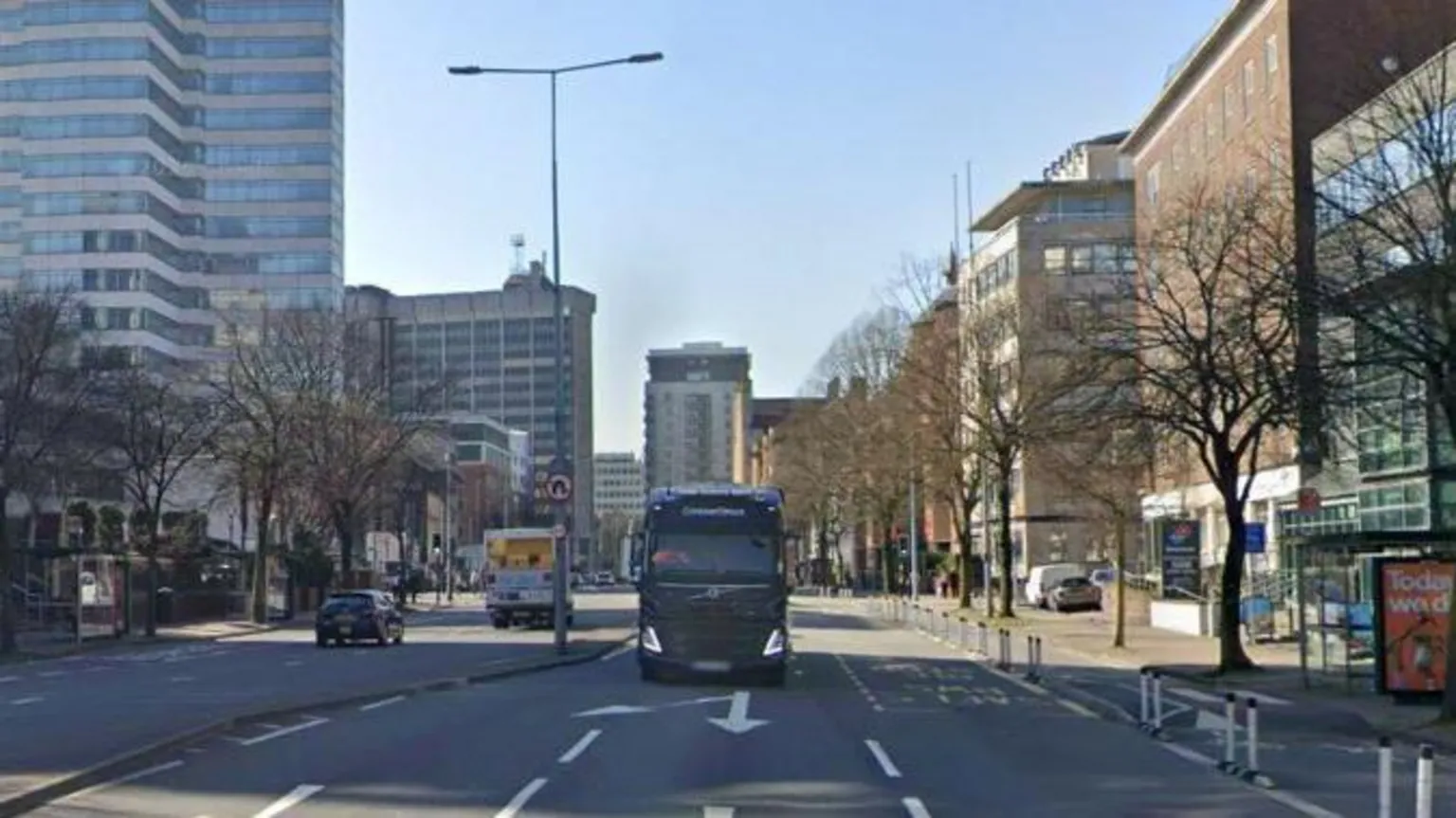
The incident occurred while Aneesa was crossing the busy three-lane Newport Road on 15 April.
Aneesa, originally from Canada, was with her 23-year-old sister who was visiting her in Cardiff.
Because her younger sister was with her and the incident lasted several minutes, Aneesa said she instinctively reacted.
"It adds another layer to it, when you're protecting someone you love," Aneesa added.
She took out her mobile phone and began filming.
Although she did not capture one of the men making an obscene gesture at her sister, she did record the driver opening the door and shouting at them.
At that moment, Aneesa said:
"We laughed because he had admitted to what he was doing and I was filming.
Usually you leave a situation after being catcalled kind of down.
But this time it felt like there was some kind of accountability."
The fact that the men were driving an untaxed vehicle was "the cherry on the top" of what had been a traumatic experience, she added.
The incident left both women feeling scared and concerned for their safety, with Aneesa's sister subsequently cancelling a solo trip to Edinburgh.
Aneesa, who plays on an all-male ice hockey team, said she has received considerable support from her teammates.
However, this is not the first time unwanted attention has turned hostile; Aneesa has been sworn at, often by men encouraged by friends.
"I feel anger because it happens so frequently... I feel a little tired," she said.
The video she posted online received support from women sharing their experiences and praising her for speaking out.
One commented: "I can't fathom why they think we like this?"
What is Catcalling?
Catcalling is a form of public sexual harassment involving unwanted attention such as shouts, whistles, lewd comments, or gestures directed at someone in public spaces.
Women runners have reported such incidents, and North Wales Police joined a group earlier this year to help make them feel safer.
Harassment on the street became a criminal offence on 1 April this year, carrying a maximum sentence of two years in prison.
A 2022 Office for National Statistics survey found that more than one third of women (38%) aged 16 to 34 had experienced catcalling in the previous 12 months.
The survey also noted these women were more likely to feel unsafe when walking alone and using public transport.
The charity ActionAid stated:
"Many change their clothes, or routes to work, to try to avoid it [catcalling].
It can prevent them from working, from socialising, from learning, and from living with freedom and dignity."
Welsh Women's Aid said sexual harassment remains a "pervasive issue across the UK, and Wales is no exception".
A report published last year by Welsh Women's Aid found that 92% of those surveyed had experienced some form of public sexual harassment, with significant and long-lasting impacts.
"The urgency of this issue demands immediate and sustained action to shift cultural attitudes and build a society where everyone can navigate public spaces without fear and where there is no grey area for sexual harassment," Welsh Women's Aid said.
Criminal Offence
South Wales Police stated:
"Everyone deserves to be and feel safe and enjoy our public spaces, fear free.
Catcalling is now a specific criminal offence and it is up to individuals to reflect on and address their own behaviours or they do face being prosecuted.
We urge anyone who experiences harassment or intimidation to report any concerns to the police so we can put an end to this behaviour."
The DVLA said it could not comment on individual records but confirmed via its online checker that the van being driven was untaxed.


