

Uncertainty Over Council Tax Revaluation in Wales
The Plaid Cymru-led Welsh government is currently undecided on whether to proceed with a planned revaluation of homes as part of council tax reform scheduled for 2028, or to abandon the proposal altogether.
Siân Gwenllian, the local government minister, stated that the government was "actively looking" at the possibility of moving forward with the revaluation.
She emphasized that the decision lies with Finance Minister Elin Jones and that discussions regarding the "next steps" would take place in due course.
When questioned about the government's commitment to the revaluation, a Welsh government spokesperson did not provide a direct response but reiterated the commitment to making council tax "fairer".
Plaid Cymru has consistently pledged to reform the council tax system, describing the current arrangement as "long overdue for reform" in its Senedd election manifesto.
Council tax reform was also a component of the cooperation agreement between the previous Welsh Labour government and Plaid Cymru, during which Plaid was in opposition.
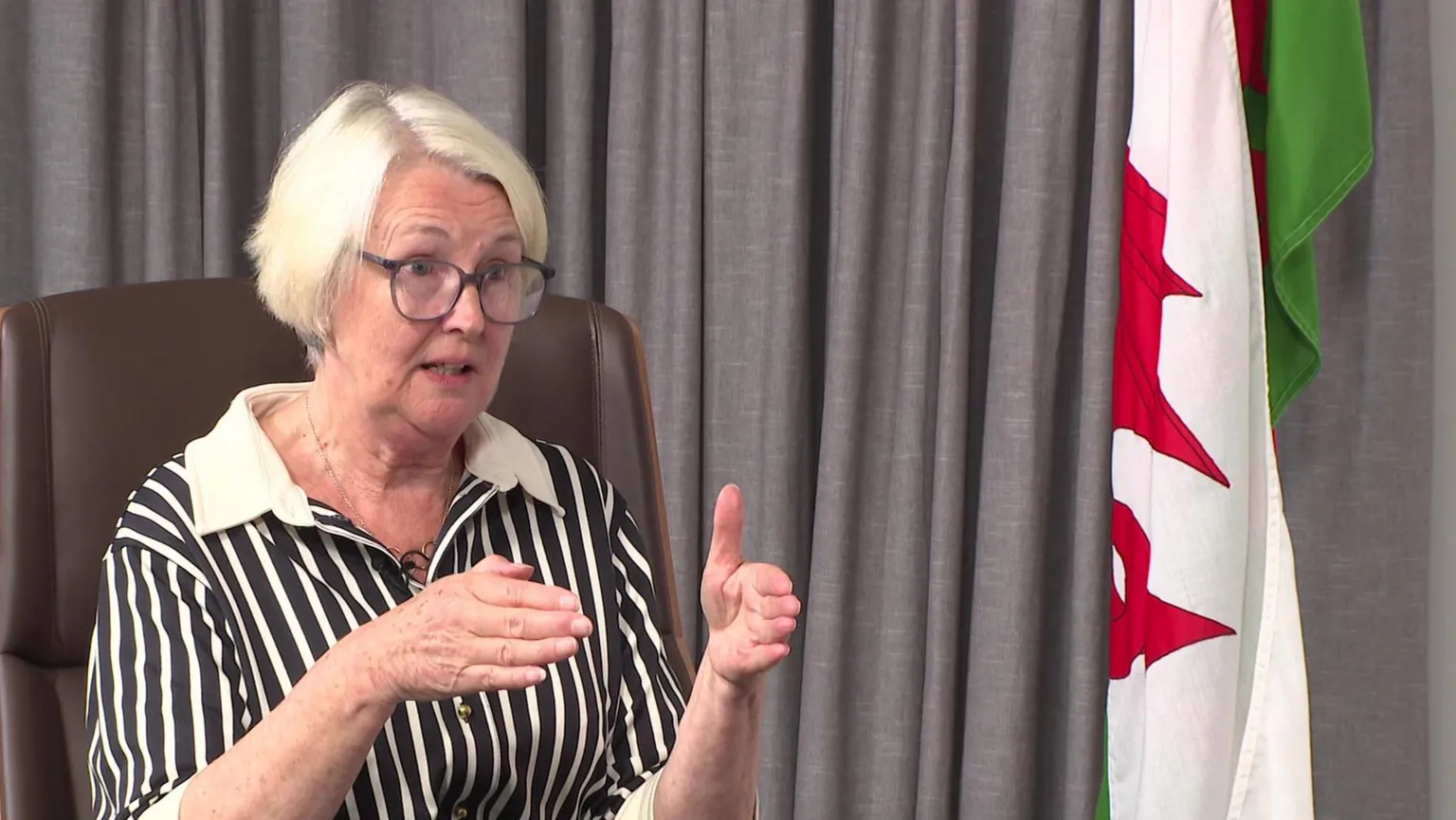
Speaking to BBC Wales on Thursday, Gwenllian remarked:
"Council tax reform is in the portfolio of the finance minister and obviously I'll be having discussions with her around exactly what will be our next steps on that one."
When asked to clarify party policy and whether the government was committed to the 2028 revaluation, she responded:
"That's something that we're actively looking at at the moment, and those conversations haven't really happened in depth yet, so you'll find out soon enough about all of that."
Gwenllian further acknowledged that the current council tax system is unfair and recognized as a "regressive regime."
Council tax reform is known to be politically challenging. A local government source described it as a "classic zero-sum game" where "everyone who gains stays quiet and those who lose out go ballistic."
Background on Council Tax and Revaluation Plans
Established in the early 1990s, council tax has faced longstanding criticism for its perceived unfairness, as it is based on property values rather than individuals' ability to pay.
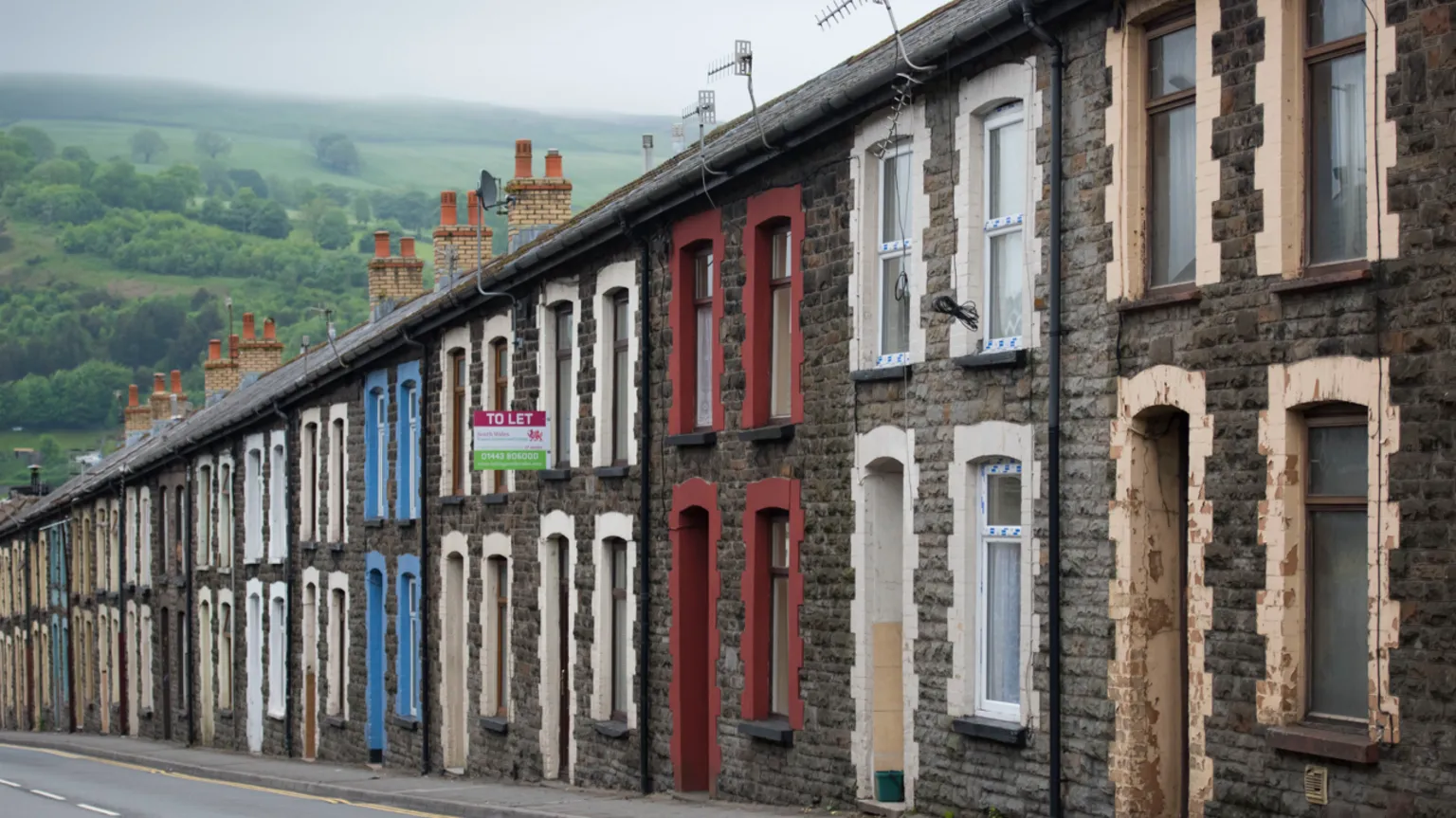
Welsh homes have not undergone revaluation for 23 years, during which property values have risen significantly.

Plans to conduct a revaluation were postponed in 2024 by the previous Labour government following a consultation process.
This postponement drew criticism from Plaid Cymru, economists, and consumer groups at the time.
Nonetheless, the Senedd passed legislation committing to a revaluation in 2028, meaning any change to this law would require another vote in the Welsh Parliament.
Under the proposed reforms, new property bands could be introduced.
The most significant proposal would have reduced payments for those in lower bands while increasing charges for those in higher bands.
Asked about the Welsh government's commitment to the 2028 revaluation, a spokesperson commented:
"The new government is moving quickly to establish priorities and put the right foundations in place. Making council tax fairer is a commitment we take seriously, and we will set out our approach shortly. We want to work collaboratively with local authorities, listen to communities across Wales, and build a system that is genuinely fairer - and that takes proper preparation. Getting reform right matters more than getting it done quickly. We will be open about our progress and transparent with the people of Wales as this work develops."
Welsh homes have not been revalued for 23 years – during which time they have increased significantly in value.
Review of Tax Rules for Self-Catering Accommodation
Gwenllian also confirmed that ministers intend to review the tax regulations concerning self-catering accommodation.
Currently, properties must be available for 252 days annually and, following a change in 2025, must be let out for an average of 182 days over several years to qualify for non-domestic rates instead of the higher council tax.
The minister indicated that the 182-day threshold would be examined alongside other measures introduced to address issues related to second homes.
She stated:
"So absolutely we will now be looking forensically at the measures that were brought in. We'll see what is actually working, what is not working, and do we need to go further with some of the policies. So that's all up to discussion and all up to review now."
Innovative Financing for Social Housing
Gwenllian also noted that a new arms-length body named Unnos will explore "innovative" methods of financing social housing construction to support the government's target of building 20,000 social homes by 2030.
She explained:
"There's, for example, the Wales Pension Fund. Local authorities now in Wales pool their pension funds together. That could be used for investing in social homes in Wales."


