

"Everyone's really upset mum - loads of them have got their own YouTube channels."
That was my 12-year-old son's summary of how the news about the social media ban for UK under-16s was received in his classroom.
The fact that many 12-year-olds have their own channels despite the minimum age being 13 highlights the cultural shift the government aims to implement.
In Preston, school pupil Isabella went viral after a BBC colleague asked her on camera what she would do with the nine hours of screen time she had accumulated over the previous weekend:
"stare at the wall,"she replied deadpan.
The exact logistics of the ban have yet to be set out but it is very possible that its introduction will herald the biggest ever change in the UK in terms of how everyone, children and adults alike, accesses the internet. Millions of us might have to share some official ID which includes our date of birth, in order to access a whole range of platforms from next spring.
The ban has been broadly welcomed by campaigners, including a group of bereaved parents who say their children died as a result of a variety of harms on social media.
However, for others, the government’s plans extend beyond encouraging children to spend less time on screens and engage in alternative activities (even if that includes staring at walls). It represents a profound reshaping of how young people acquire knowledge and how all users navigate the online world.
There is potential impact on education.
"YouTube is where we all go to learn,"says Dr Tom Crawford, aka Tom Rocks Maths, who shares math skills with his 250,000 rs on YouTube, which is included in the ban.
"And that includes teenagers."
So, are we witnessing the profound shift some claim? And if so, how will it reshape our relationship with the online world?
"They will find a way around it"
Concerns raised so far about the proposals have focused on civil liberties and government overreach, but there are also more practical unintended consequences to consider.
"Every young person I have spoken to has told me the same thing: they will find a way around it,"says Paddy Crump, campaigns director at Flippgen, a youth-led non-profit that works in schools to help young people build healthier relationships with the online world.
This appears to be the case in Australia, where seven out of 10 children under 16 who had social media accounts before the ban introduced in December 2025 still have some access, according to a report by the country's e-safety commission.
Crump argues the measures offer
"false hope dressed up as protection"and will simply shift young people’s online activity to smaller platforms that evade regulatory scrutiny.
"There are some pretty dangerous places for children and teens that make Instagram look like Disneyland,"notes Ari Lightman, professor of digital media and marketing at Carnegie Mellon University.
Social media as a lifeline?
Critics warn of other unintended side effects. Crump fears the ban could discourage young people from seeking support if they encounter online harms and isolate them from communities and information.
One teenager messaged me saying that without social media they would not still be alive: the friendships they formed online gave them reasons to continue living. Some parents of SEND children say social media and watching videos is their primary way of engaging with the world.
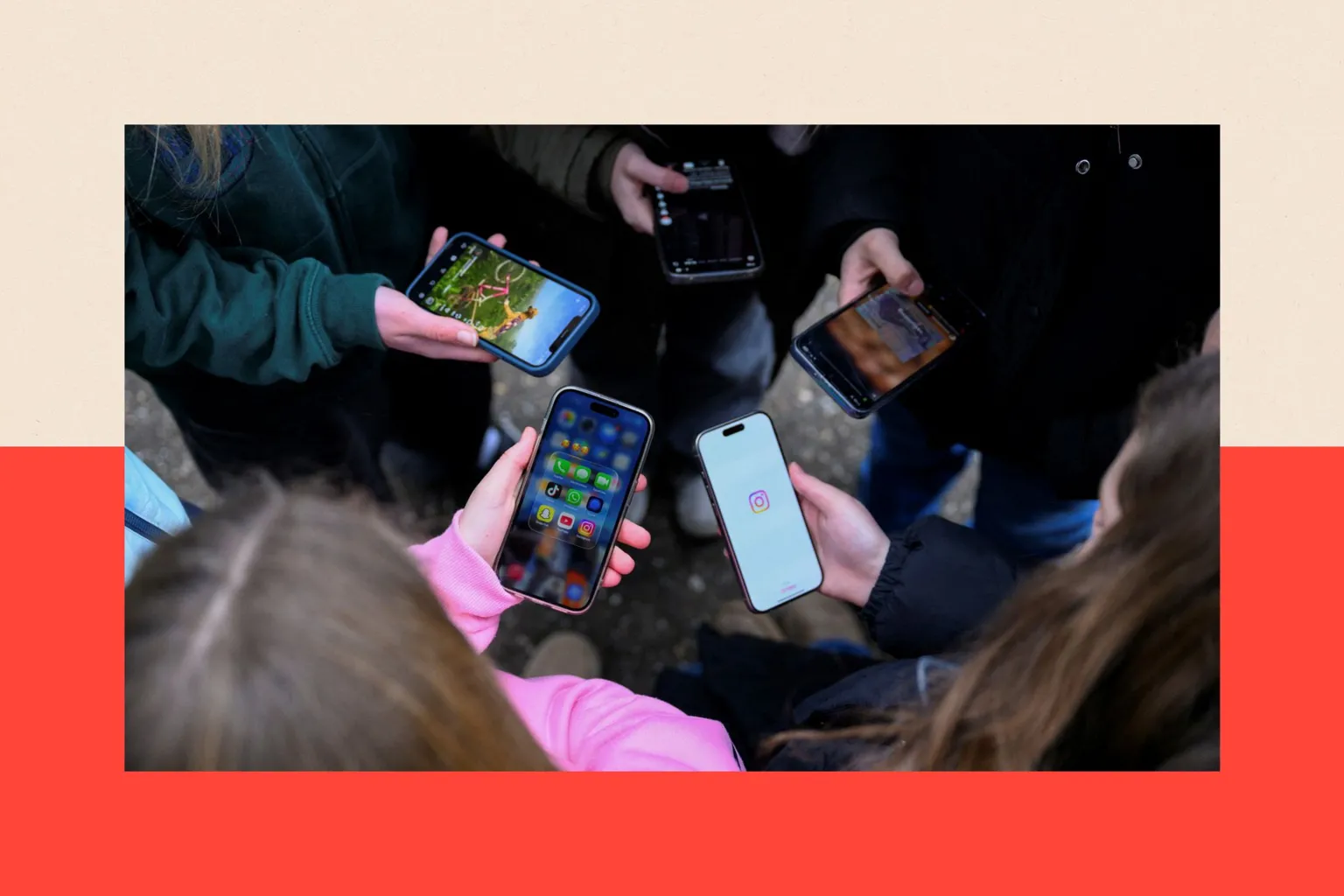
An online e-petition opposing the ban has gained over 100,000 signatures in recent days, arguing that
"for many young people social media is how they communicate with their friends. Some people view social media as a lifeline."
Home education message boards are also active with parents concerned about navigating the ban while teaching their children outside of schools.
"I learned to tie a bow tie by watching a tutorial on YouTube,"says Crawford.
"What if you're an 11-year-old who needs to wear a tie to school for the first time? What if you want to know how to apply makeup and there's no one at home to show you? What if you're worried about your upcoming GCSE exams and want to check how to answer a question on bearings? This is what a ban on YouTube takes away - the ability to learn."
Older generations might argue they acquired such knowledge without the internet, but this overlooks how fundamentally teenagers now use YouTube and other social media platforms as research tools. SEO expert Mehwish Malik from Link Builder says younger Gen Z (aged 14-29) use TikTok as a search engine, their preferred gateway to information and trusted brands.
The government says it is up to tech companies to address these issues. Education Secretary Bridget Phillipson told the BBC's Newscast:
"If YouTube wants to come up with something that's an intermediate option that allows that young person who wants to watch history documentaries to watch them but isn't then getting all of these short reels, that's a different proposition."
Industry sources argue it is technically challenging to implement such solutions. One source responded,
"Ask the government!"when questioned about how it might work.
Parents could choose to watch content with their children using their own accounts if they have the time and willingness. YouTube claims that half of UK users watch its videos on TV at home, with multiple sign-ins available.

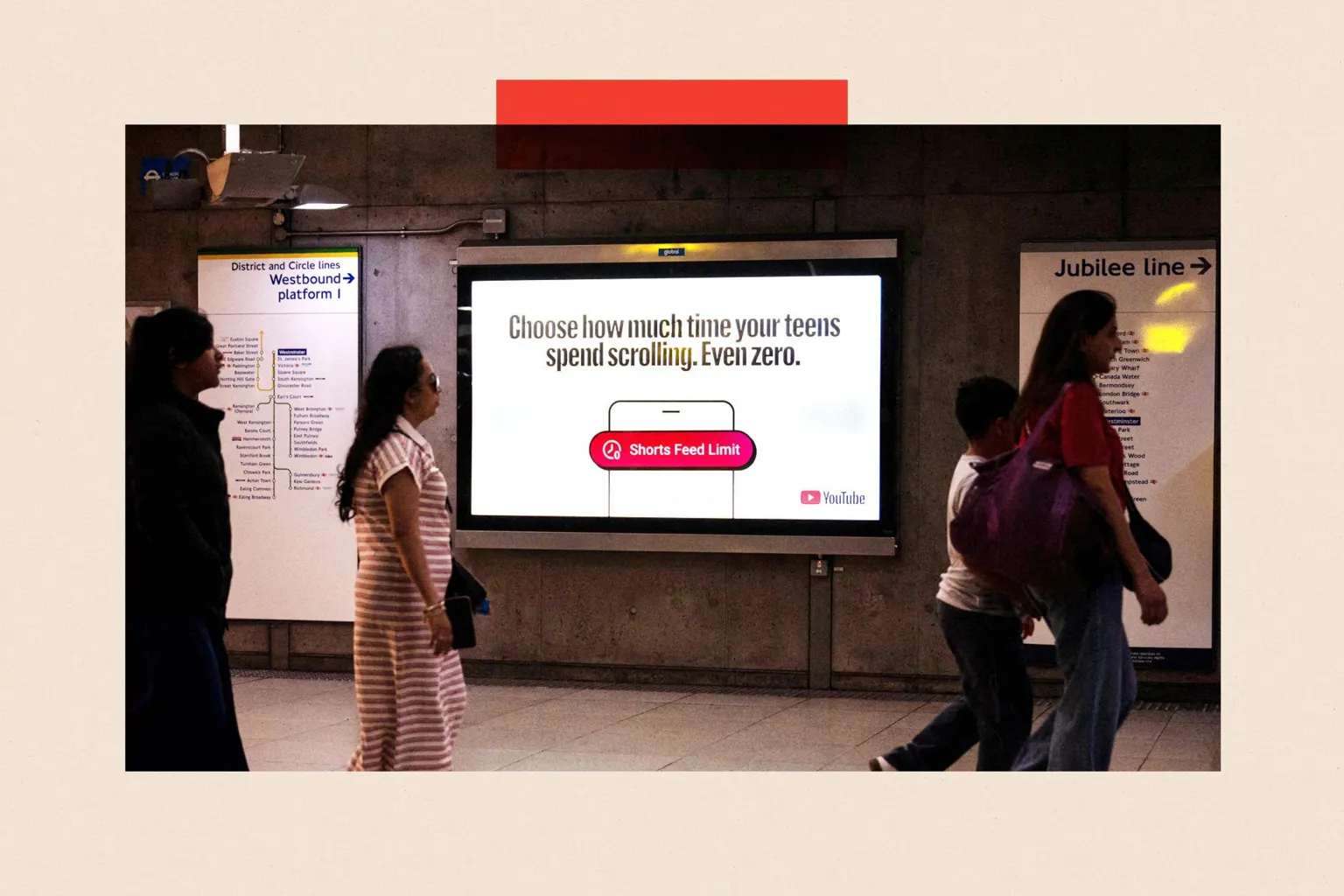
"As I see it, the main issue here is that YouTube isn't social media,"says Crawford.
"YouTube is the 2026 version of television."
A bottomless wine glass
With design features aimed at keeping users on platforms for extended periods also under review for 16 and 17-year-olds, social media may eventually lose appeal for young people even when they reach the eligible age.
"If you are drinking a glass of wine and it magically keeps refilling without you noticing, you will just keep drinking. Your brain only 'wakes up' when you reach the bottom of the glass,"says Asa Raskin, who invented infinite scrolling 20 years ago.
Now working at the Center for Humane Technology, which he co-founded, Raskin accuses tech companies of
"weaponising"his idea. He intended to create
"a seamless user experience"before social media's rise and regrets that his invention is now used
"not to help people but to keep them hooked."
The absence of young people could also alter the social media experience for everyone else.
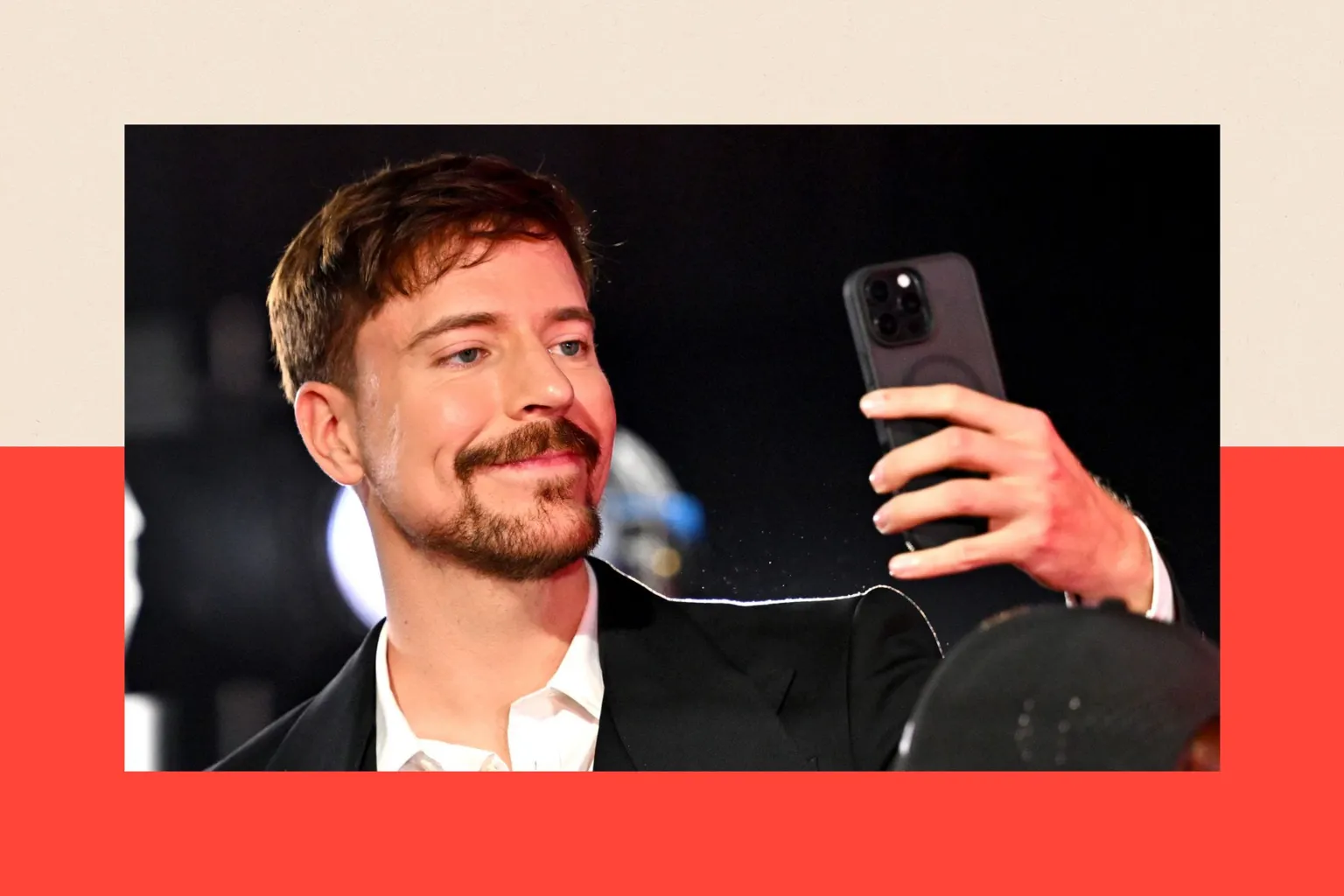
MrBeast, arguably the world's most successful YouTuber with half a billion rs, started at 13. He studied the algorithm as a child, mastered "watch time," created a content factory, and is now a billionaire. Would he have had the same success years later?
Professor Amy Orben, a psychologist at Cambridge University who has advised the government on children's screen time, acknowledges any ban will be
"imperfect"but agrees the government cannot remain inactive despite complex evidence on social media harms.
While acute and tragic cases exist, broadly, evidence links social media use to only a small decrease in mental health across large populations.
Orben suggests tech firms could assist regulators and themselves by sharing more data from the billions of young users they observe daily.
"Social media companies have offered exceptionally little data on their internal research,"she says.
A price worth paying?
Age verification is expected to be conducted by tech giants.
"The methods available to platforms are well established. Identity document scanning with a face match, email-based age checks and facial age estimation are proven to work at scale,"says Andy Lulham, Chief Operating Officer at Verifymy.
This raises concerns about Big Tech's expanding reach into our lives, affecting all users, not just young people who must prove their age. Some view this as a major attempt by authorities to control internet access, troubling privacy and rights campaigners while reassuring concerned parents.
For supporters, this is a price worth paying to protect children.
Elon Musk, owner of X, expressed a more sinister view:
"The real goal is to enable the UK government to track everyone,"he posted. This is not his first intervention in UK politics and he is not universally welcomed. The government denies these claims.
Musk is not alone. An international campaign called Stop Killing the Internet launched this week, including groups like Index on Censorship and Big Brother Watch. They argue that such surveillance limits freedom of expression for children and adults.
Silke Carlo, Director of Big Brother Watch, said:
"We want all children to be safe online, but these policies create new safety and privacy risks for young people and entire adult populations alike. Far from reigning in Big Tech, age-gating policies gift corporations masses more of our personal information whilst letting them off the hook for their design choices."
Carlo highlights risks including potential theft and misuse of sensitive children's data, such as proof of age and face scans.
There is also concern about future mission creep.
"'Keep children safe' can end, three statutory instruments later, as a duty to scan every message or verify every face, administered by a regulator the public cannot easily call to account,"warns computer scientist Professor Alan Woodward from Surrey University.
"A walled garden is only a refuge if the people inside chose the wall, can see over it, and may leave when they wish."
I suspect my own 12-year-old son and his peers will spend much time seeking exits from the walled garden they are about to enter, even if it is intended for their protection.
If the ban comes into force in 2027 as planned and they cannot escape it, today's under-16s are unlikely to spend the following years staring at walls (I hope). Child-free digital spaces will feel different for adults too. We may be on the cusp of a new social media era, one less intense, potentially leaving more time to read books, go outdoors, or use phones to chat with AI instead.
Additional reporting: Philippa Wain
BBC InDepth is the home on the website and app for the best analysis, with fresh perspectives that challenge assumptions and deep reporting on the biggest issues of the day. Emma Barnett and John Simpson bring their pick of the most thought-provoking deep reads and analysis every Saturday. for the newsletter here.



