

School Adjusts Meal Times to Address Hunger
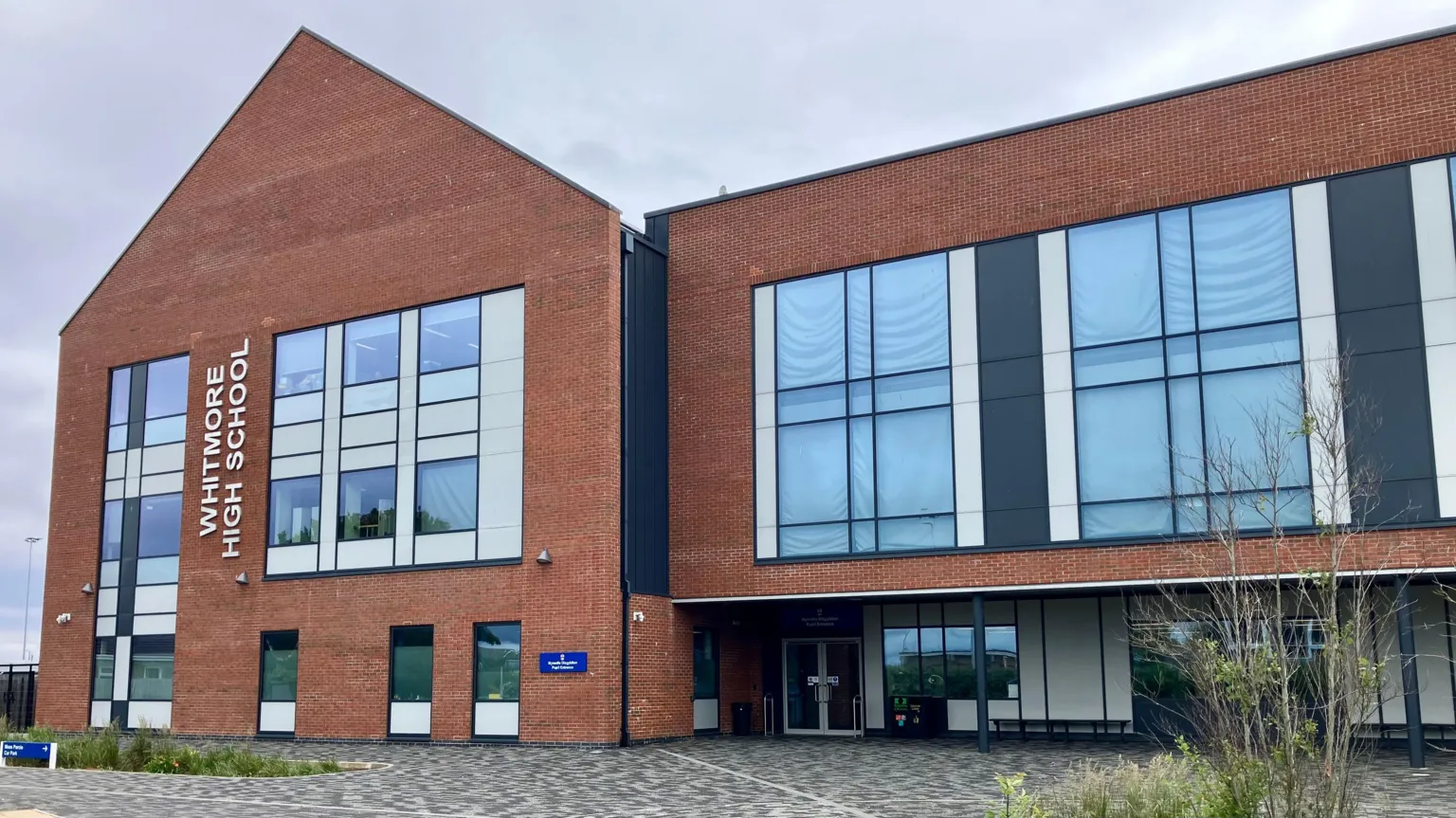
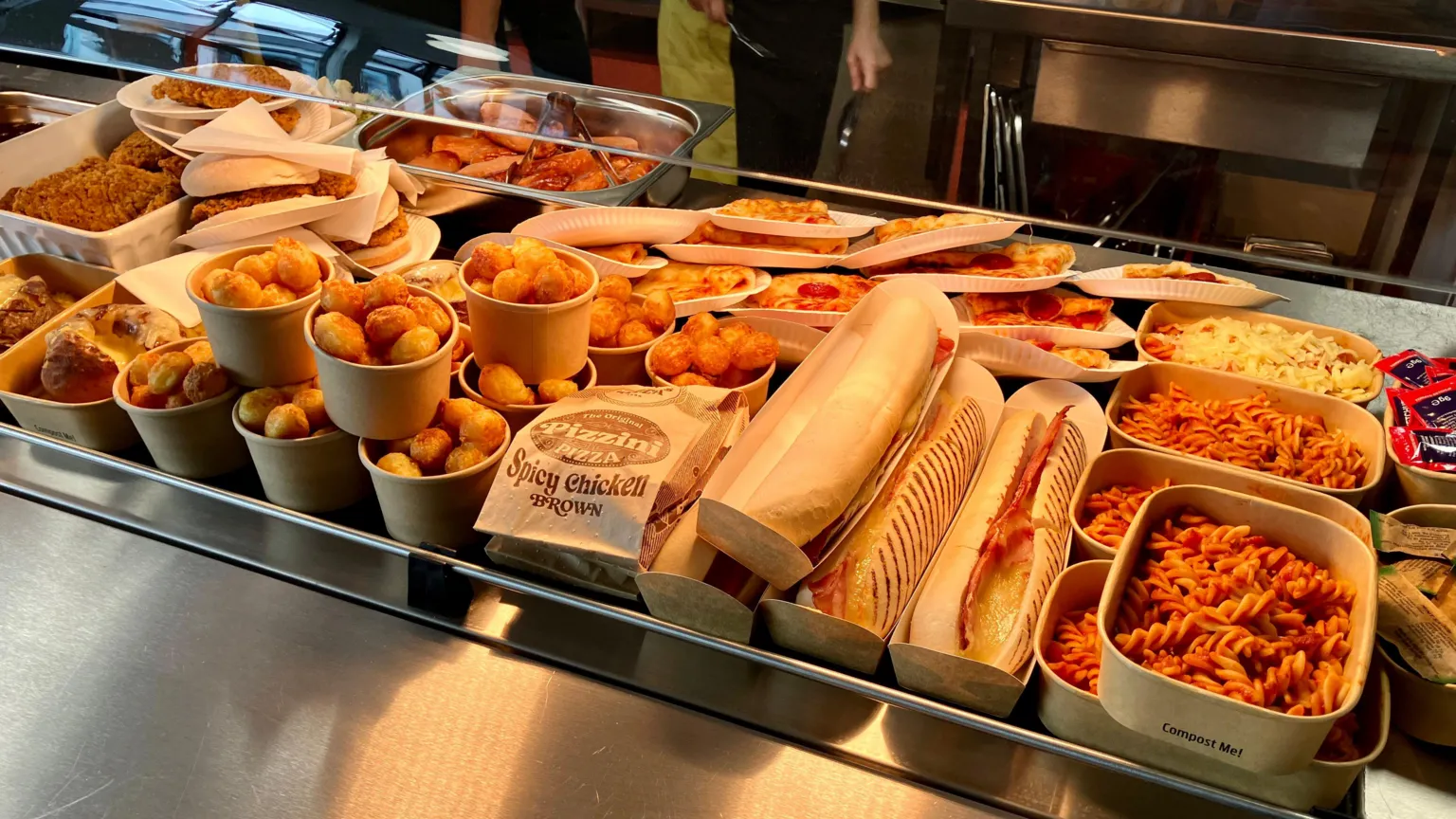
Pupils at Whitmore High School, a secondary school in Barry, Vale of Glamorgan, are being offered a "full roast dinner" in the morning due to the number of children arriving at school hungry. The school has moved lunchtime forward to assist children who may not be adequately fed at home.
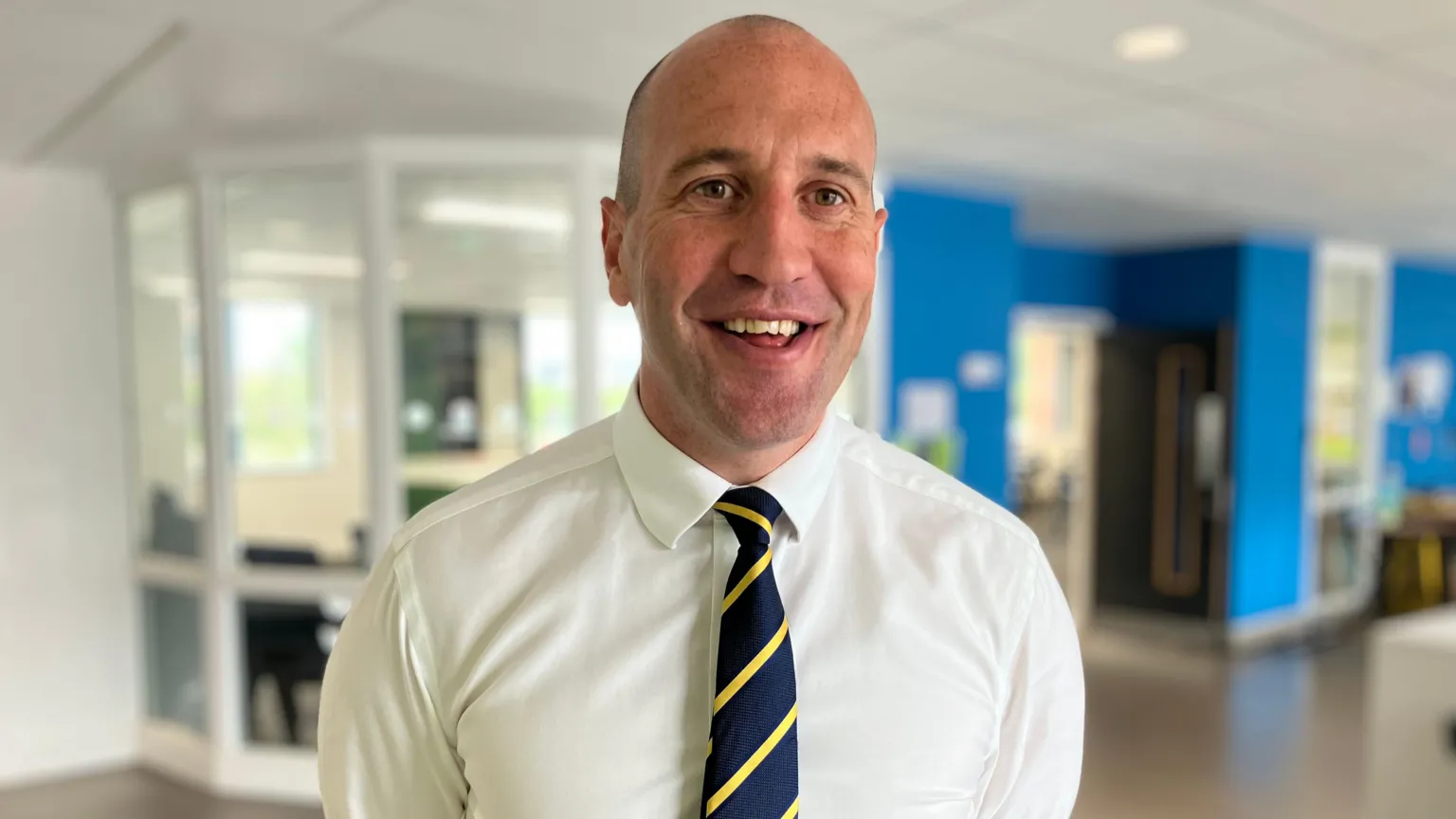
"They're eating a full roast dinner at 11 o'clock,"said Innes Robinson, the executive head teacher. He added that the earlier meal time has helped pupils concentrate better during lessons.
Welsh Government Funding and Policy Changes
This initiative coincides with the Welsh government’s announcement of an additional £15 million to help more secondary school pupils access free school meals by removing the current income threshold for families receiving Universal Credit.
Currently, all primary pupils in Wales receive free school meals, a policy implemented under the previous Welsh government. However, secondary school pupils qualify only if their families receive Universal Credit and have a household income below £7,400 per year.
The new policy will eliminate this income threshold, making all secondary pupils whose families receive Universal Credit eligible for free school meals.
The education minister stated that the change would be introduced gradually starting from September, initially targeting Years 7 and 8.
However, a teaching union described the phased introduction as "disappointing," noting that many existing secondary pupils from disadvantaged backgrounds would continue to miss out on this essential support.
Impact of Earlier Lunchtime at Whitmore High
At Whitmore High, Robinson explained that prior to moving lunch earlier, pupils "weren't quite as on it."
"Our youngest children in the school have their dinner at 10:55 - we've found it's had an enormous impact,"he said.
"We were noticing that by 10:55 they were so hungry they needed to have their dinner at that point."
Robinson, who also serves as executive head teacher at Pencoedtre High, emphasized that pupil hunger is a widespread issue.
"We all know it, when you feel hungry you're not going to be able to learn as well."

He shared that pupils have told him they would be "hungry every single day" but often do not express it. He added that the expanded Welsh government offer would ensure "more pupils get that benefit."
Welsh Government Budget Allocation
The additional funding forms part of the Welsh government's supplementary budget for 2026-27. Approximately £10 million of this will be allocated to upgrading school kitchens and dining areas.
Teacher Observations on Pupil Concentration
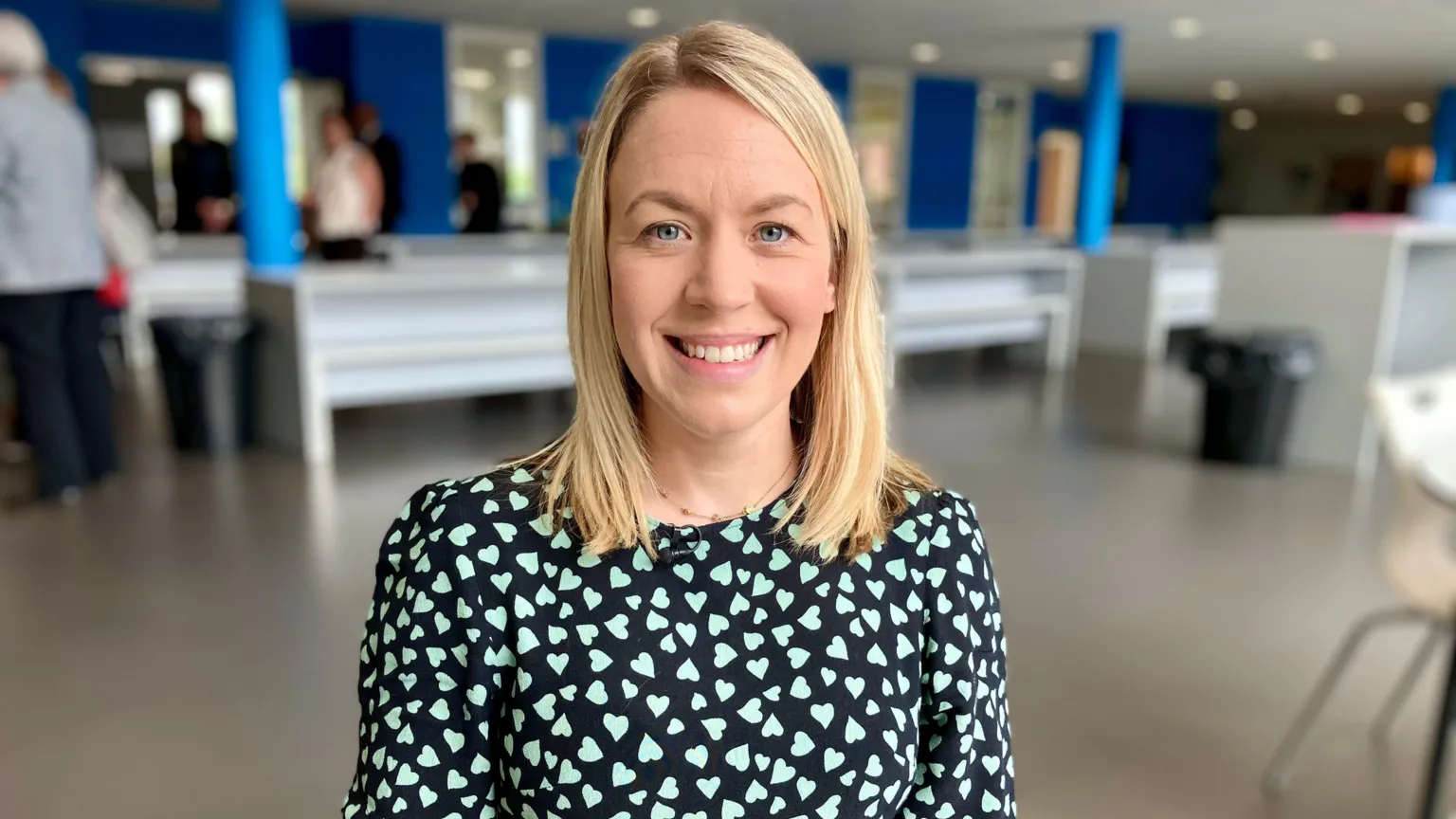
Hayley Prosser, head of Welsh at Whitmore High, highlighted the significant difference in pupils who have eaten.
"Some of our children come to school maybe without breakfast - it has a huge impact on their concentration. We know they make more progress once they've got full bellies,"she said.
Government and Union Perspectives
Wales' Education Minister Anna Brychan linked the policy to a broader range of measures aimed at tackling child poverty.
However, the government has not specified how many additional pupils will benefit from the scheme, the number of schools that will receive kitchen improvements, or the timeline for full policy implementation.
"We'll need to work with local authorities to understand what the demands are - we're looking to graduate the introductions to focus first on years seven and eight in secondary schools,"she added.
Nicola Fitzpatrick, Wales Secretary for the National Education Union Cymru, expressed support for the policy as an important step but stated a preference for free meals for every secondary pupil.
"The [income] threshold has been too low for too long, excluding children from a critical meal at lunch time,"she said.
Claire Armitstead, director of the Association of School and College Leaders Cymru, welcomed the government's action addressing inequity but criticized the phased rollout.
"It is disappointing to see the extended entitlement will only be phased in as children move into secondary school rather than it being applied across all secondary year groups from September,"she said.
"This means that many existing secondary pupils from disadvantaged homes will continue to miss out on this lifeline."


