

Teenagers Speak Out Against Social Media Restrictions
A group of teenagers at Morriston Comprehensive School in Swansea have voiced opposition to proposed restrictions on social media use for under-16s, emphasizing their reliance on these platforms as essential to their daily lives.
The 13 and 14-year-olds expressed that social media is integral to their generation, despite acknowledging some challenges associated with its use.
"It's easier for older people to say get rid of it because they had a childhood without it - we've grown up with it," said Ruby, 14.
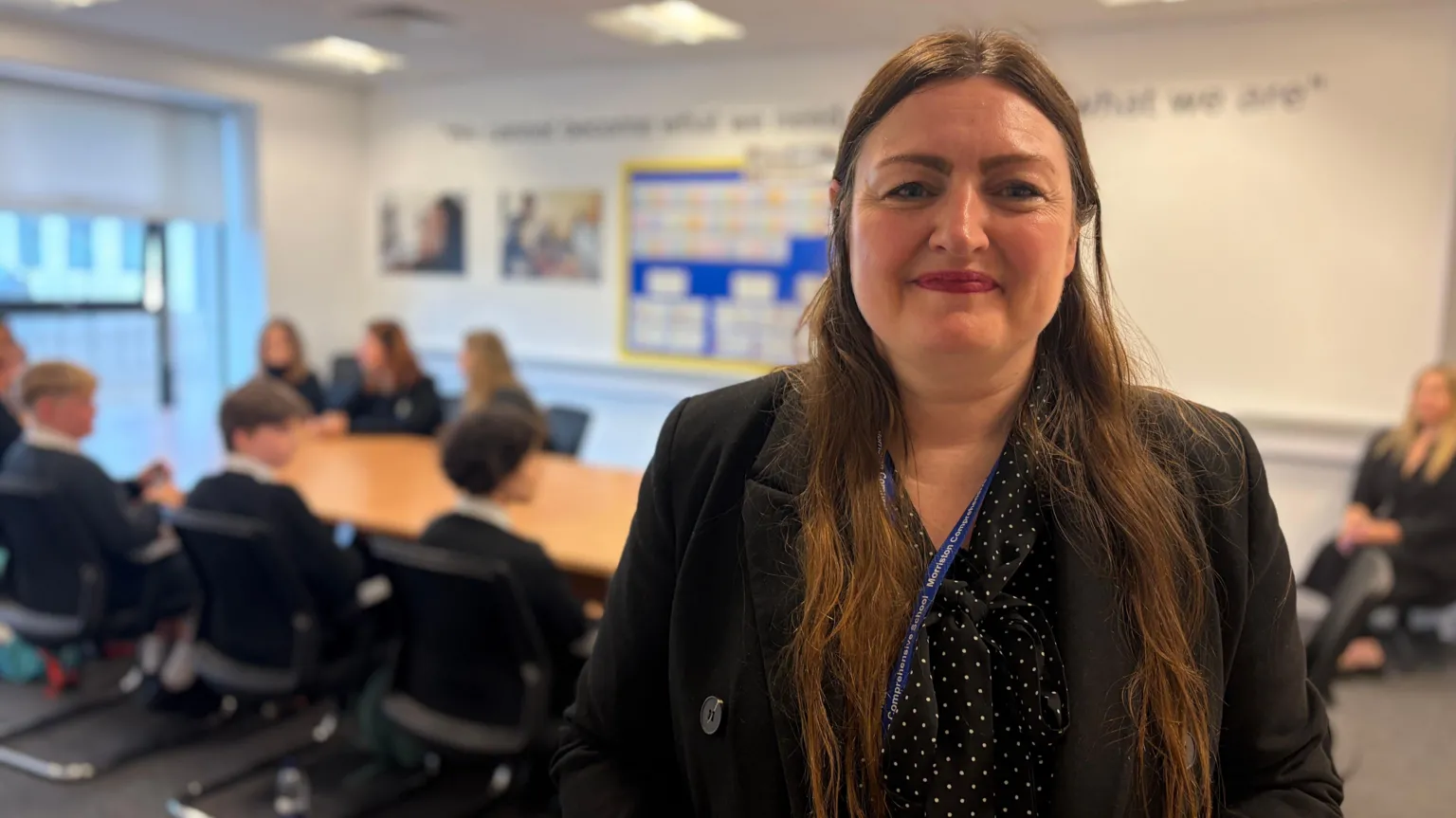
However, their headteacher, Karen Williams, represents a contrasting perspective shared by many school leaders who responded to BBC Wales' inquiry.
Williams highlighted the significant mental health issues linked to social media and the exposure of young people to content they are not prepared to handle, which places a burden on schools to manage the consequences.
"Massive mental health issues" caused by social media and exposure to "things that they're really not ready for" left schools to "pick up the pieces".
Karen Williams added: "I think that we need to be brave and say that social media has a real detrimental effect on our young people and that we should have that ban."
Government Consultation and Welsh Government Response
The UK government is conducting a consultation on whether to establish a minimum age for social media use, with the consultation period ending on Tuesday. Ministers are also considering additional measures such as requiring platforms to disable addictive features.
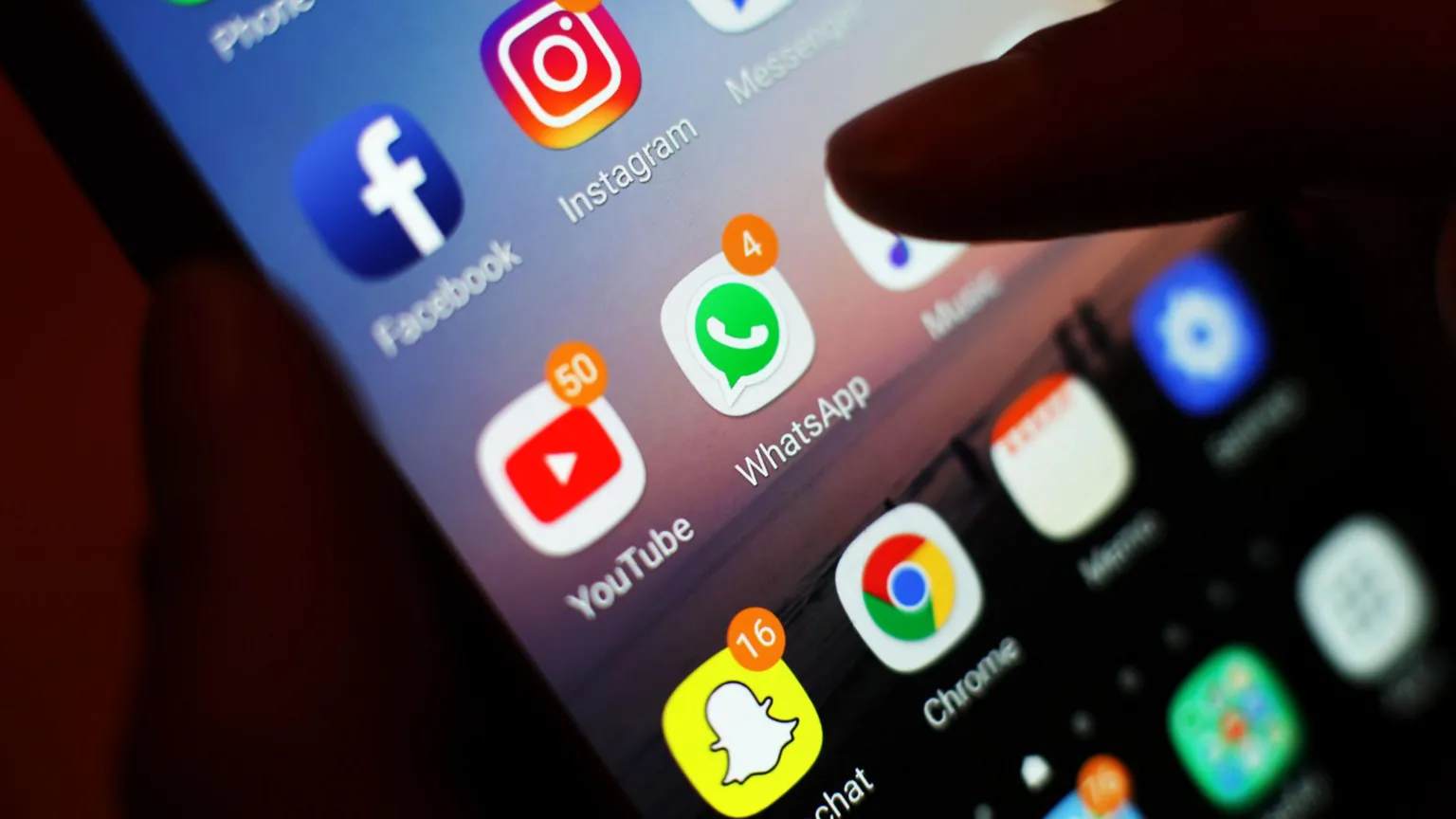
The Welsh government stated its commitment to protecting children and young people from the harmful effects of social media and the online environment, indicating it will await the consultation's outcome before taking further action.
Teen Perspectives on Social Media's Role
Thirteen-year-old Indy emphasized the importance of social media in contemporary youth culture.
"I feel like growing up in this day and age where technology is so important, you need social media to survive really - just vital," said Indy.
Ellie, also 13, suggested that content restrictions rather than age bans would be more appropriate.
"I think that social media should restrict its content and not the age because it is a way of finding new hobbies, new people and maybe connections."
Alex, 13, agreed that a ban would be too severe but advocated for shared responsibility among children, parents, social media companies, and content creators to ensure age-appropriate material.
"I think it's everyone's responsibility - the children, the parents, the social media companies and the creators of the content, to make sure that their content is suitable for all age ranges on the platform because most platforms are 13 plus," he said.
"There's adults and teenagers on there mixing in, so there's going to have to be some type of compromise to get the content that works for both of them."
Concerns from Educators and School Leaders
Karen Williams has taken personal measures by restricting her own teenagers' access to smartphones to mitigate social media's negative effects.
She cited issues including cyberbullying, grooming, safeguarding challenges, anxiety, mental health problems, and decreased concentration as consequences of social media use among young people.
"When they're under 16, they're far too immature to deal with these massive issues that us as adults struggle with."
Williams believes the adverse effects outweigh any benefits.

Among 72 secondary school leaders surveyed by BBC Wales regarding social media bans for under-16s, most supported stronger restrictions. However, some expressed skepticism about the enforceability of such bans.
Comments from school leaders described social media as "the root concern for many issues in school" and "the single biggest negative influence in pupils' lives," while also noting that enforcement would be "impossible to police" and that young people are adept at circumventing bans, potentially exposing themselves to more harmful content.
Opposing Views on Banning Social Media
Ryan Davies, head of Brynteg School in Bridgend, opposed a ban despite recent difficulties caused by damaging TikTok posts at his school.
"My view is quite simply that would be a mistake," Ryan Davies said.
"I think if you ban social media for under-16s, you're going to push [it] underground."
Davies acknowledged that recent upsetting and inaccurate online posts had negatively affected the school community but also recognized social media's advantages for young people.
Examples included using TikTok clips to prepare for a GCSE English literature exam and providing a connection to school for pupils with poor attendance.
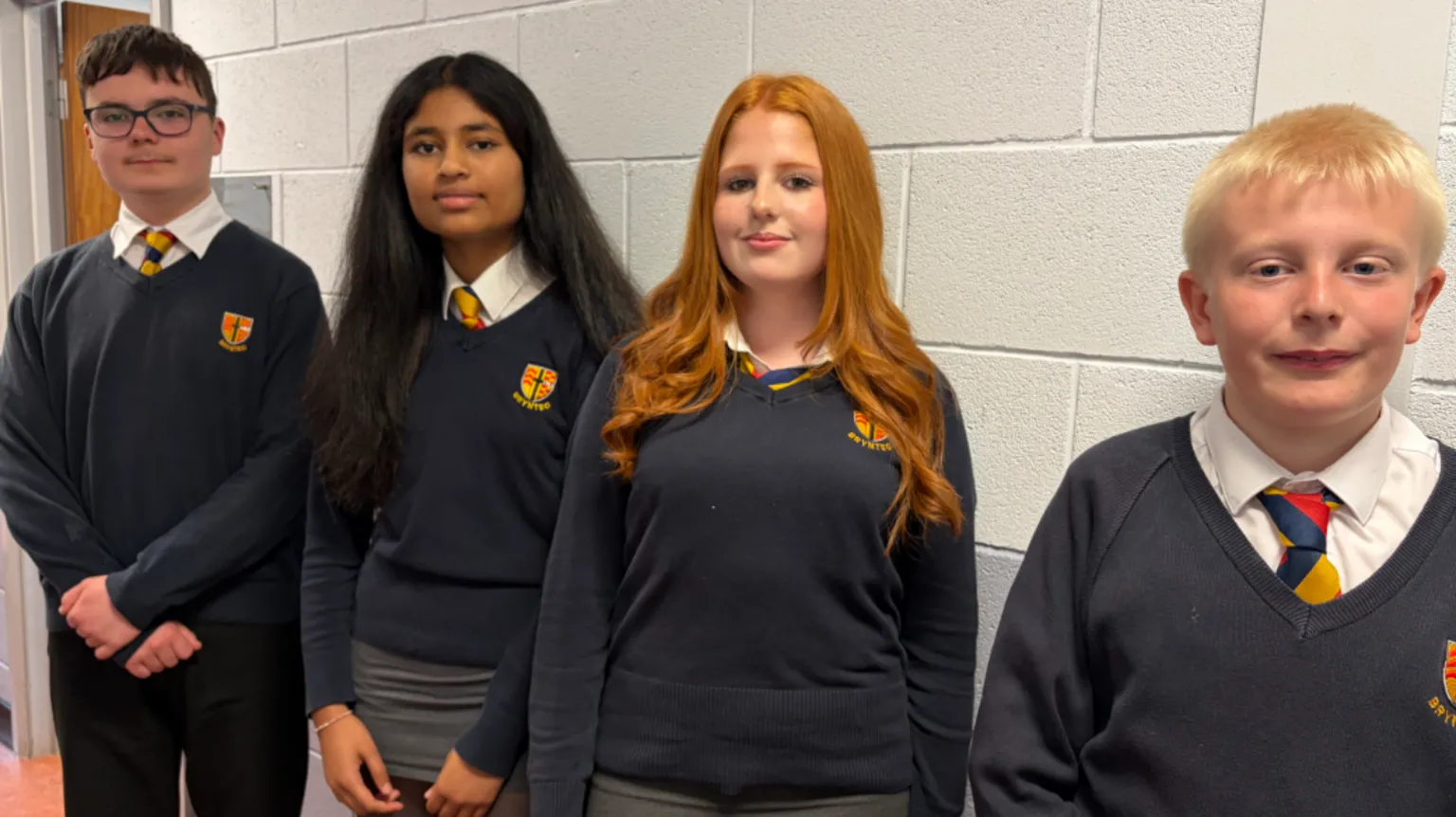
Fourteen-year-old Brynteg pupil Iris shared that she and her friends used social media to follow the recent Senedd election campaign, providing young people with a platform to express their views.
"It gave young people a platform to really use their voice and speak up about issues," she said.
Her classmate Ammu added that social media facilitates connections among individuals with shared interests.
"It made it easier for some people to find people who shares similar interests."
Carter, 14, argued that young people should not be penalized due to the shortcomings of large technology companies.
"The government needs to look more at the companies themselves and hold them accountable for the content they are allowing on there."
Ivor, 14, questioned the practicality of enforcing a ban.
"I feel like even now children lie about their ages on social media.
"If they were to ban it they would keep on doing this, they would find ways to get around it as children do all the time."
Davies concurred that social media platforms should enhance safety measures and noted that adults also misuse social media.
"We're focusing on children again and we take something away from children that actually is so, so important to them in their lives at the moment," he said.
Advocacy for a Blanket Ban
Joshua Barron-Williams, a teacher affiliated with Smartphone Free Childhood—a movement advocating for children to be free from smartphone use—supports a comprehensive ban on social media for young people.
"There are so many platforms and apps that are accessible for children that are just not appropriate - they are adult spaces," he said.
He compared the situation to the historical smoking ban, noting a shift in public awareness regarding health risks.
"At the time people didn't recognise the dangers and now that shift in perspective has happened and now we realise how dangerous it is.
"The big difference is social media is embedded in all our lives. Whilst we need to listen to the voices of young people, they are addicted.
"Their knee-jerk reaction might be to say no, because they are addicted."


