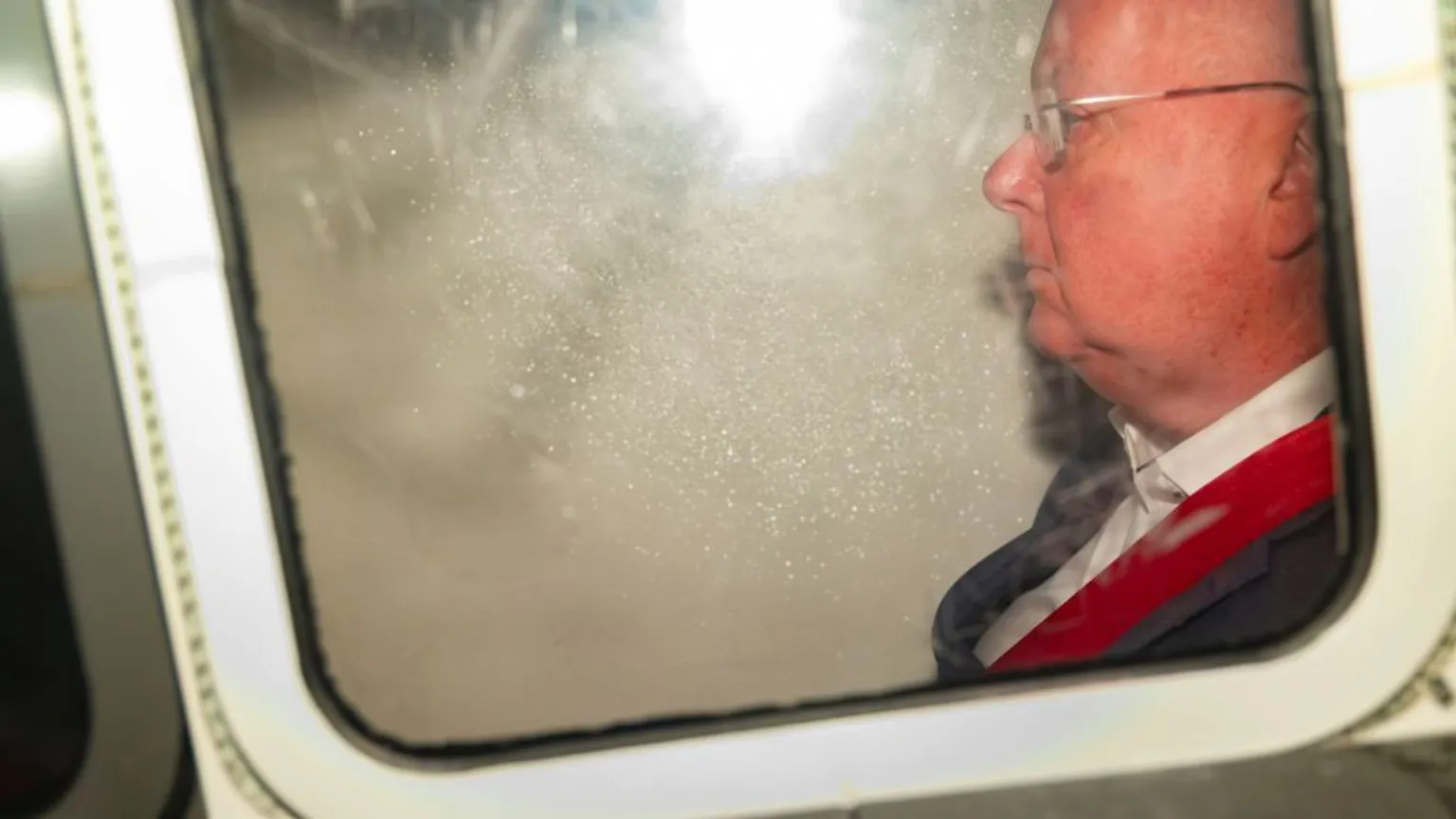
Sturgeon Reflects on Decision to Retain Murrell as SNP Chief Executive
Nicola Sturgeon has expressed regret over her decision to retain Peter Murrell as the Scottish National Party (SNP) chief executive when she assumed party leadership in 2014.
The former first minister referred to Murrell, her now estranged husband, as a "key figure" in the party's achievements under the leadership of her predecessor, Alex Salmond.
Sturgeon also stated that she did not consider it fair for Murrell—who admitted to embezzling over £400,000 from the SNP across a 12-year period—to lose his position upon her promotion.
However, during an appearance at a book festival in Wales, she acknowledged:
"Definitely, with the benefit of hindsight, that was a decision I wish I had taken differently."
On Monday, Murrell pleaded guilty to using party funds to purchase various items, including luxury goods, jewellery, cosmetics, two cars, and a motorhome.
Following his plea, he was remanded in custody and faces a potentially lengthy prison sentence when sentenced on 23 June.
An evidential hearing regarding the case is scheduled for 2 June.
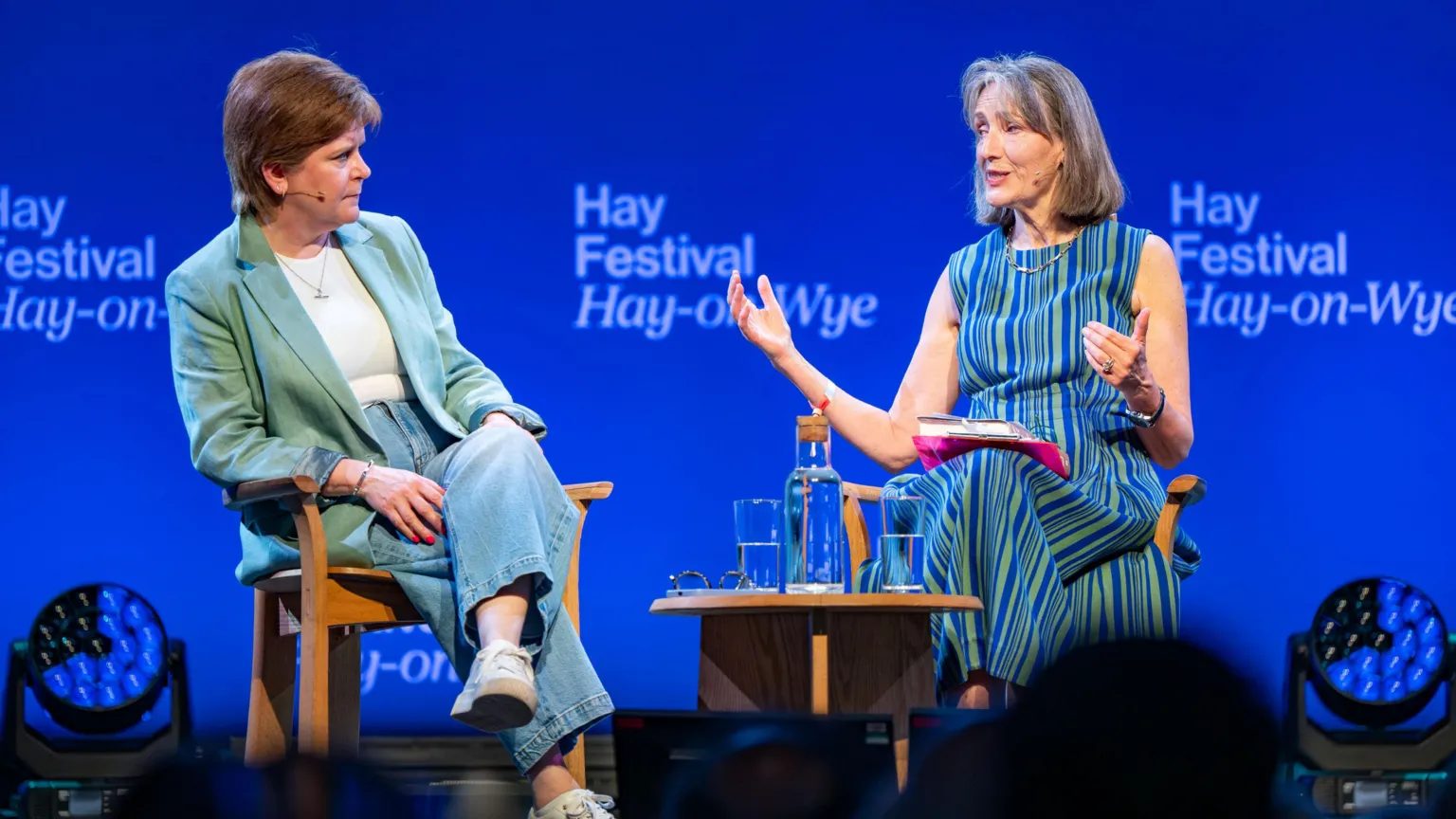
Sturgeon appeared at the Hay Festival in Hay-on-Wye, Powys, in conversation with journalist Francine Stock to promote her 2025 memoir, Frankly.
She recounted that Salmond, who later expressed concerns about the professional roles of the couple, had appointed Murrell as chief executive in 2000.
The former Member of the Scottish Parliament (MSP) noted that Murrell's criminal activity, which began in 2010, preceded her election as party leader.
Sturgeon explained:
"My judgement was that the chief executive was not line-manged by the party leader. There is a national executive committee.
My judgement was that it was not fair for him to lose his job, that he had done well, because I was taking on a new job.
If I could turn back the clock, of course, I would take a different decision."
The former first minister accepted responsibility for retaining Murrell in his role but added:
"I still don't think that makes me responsible for somebody committing a crime."
Sturgeon Discusses Personal Impact and Public Fallout
On Thursday, Sturgeon spoke at a writers' event in Listowel, County Kerry, to promote her book.

She described the past week as the "worst week of her life," addressing the public consequences of Murrell's guilty plea.
She stated:
"Just as other people have been, I have been deceived.
I have been misled, I have been lied to and I have been betrayed, and I won't be the last woman who has been betrayed by her husband."
Sturgeon also mentioned the need for psychological support, saying:
"I would probably need to sit with a therapist", adding, "this is a long-winded way of saying I am not OK."
Previously, Sturgeon described the day of her arrest as part of Operation Branchform—the Police Scotland investigation into SNP finances—as the "worst day of her life."
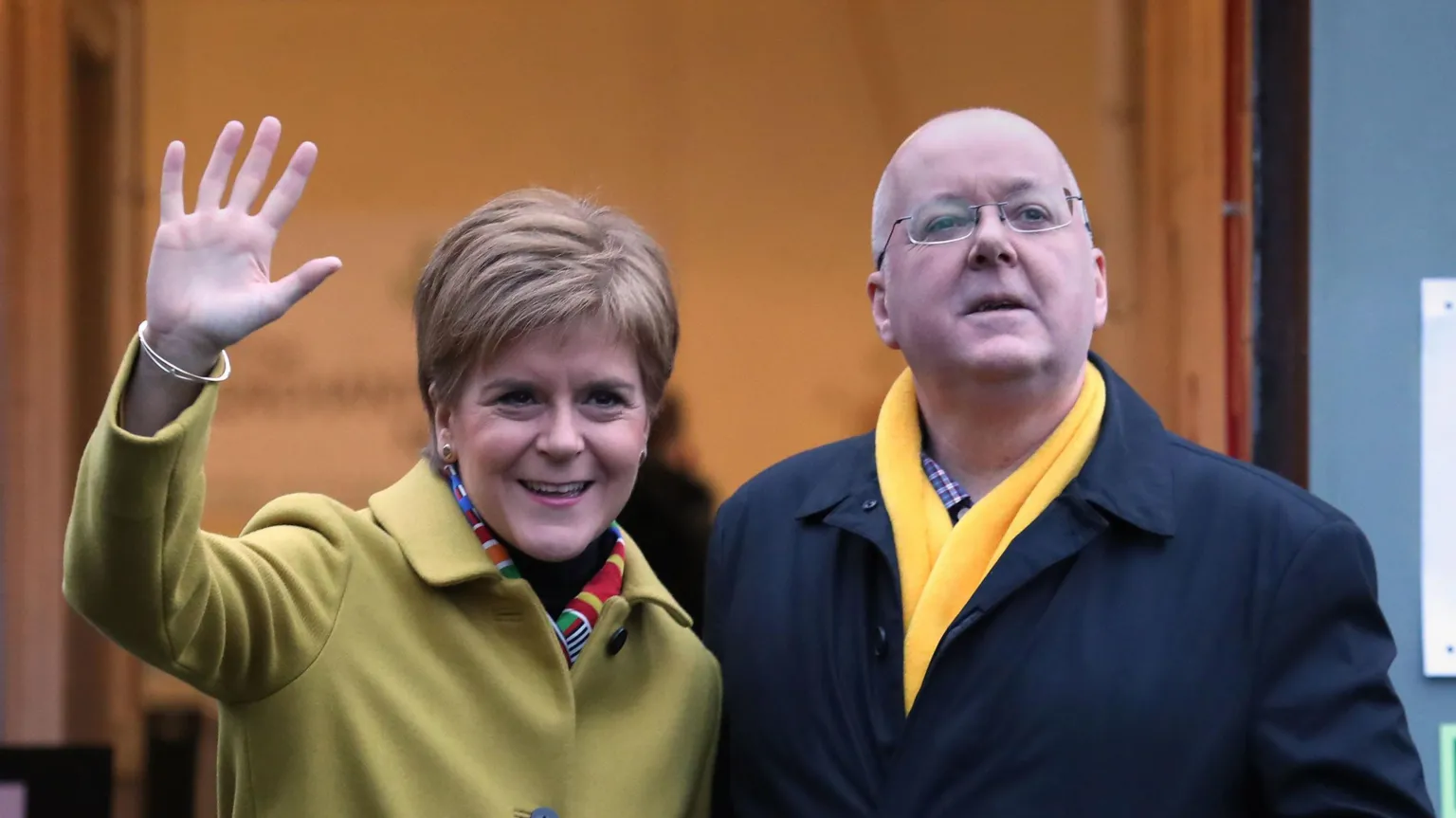
Political Reactions and Investigation Details
Earlier on Thursday, First Minister John Swinney dismissed calls for a Holyrood inquiry into the case during First Minister's Questions (FMQs), though he expressed being "appalled" by Murrell's conduct.
Swinney stated he did not believe an inquiry was necessary following a five-year "forensic" police investigation.
Operation Branchform commenced in 2021, focusing on allegations of fundraising fraud within the SNP.
During police questioning, Sturgeon repeatedly responded with "no comment." Her lawyer, Aamer Anwar, later confirmed she provided a "detailed written response" to Police Scotland's inquiries.
Murrell served as SNP chief executive for over 20 years before resigning in March 2023 amid controversy regarding party membership figures.
He was arrested less than three weeks later in connection with the Operation Branchform investigation into SNP finances.
Sturgeon became first minister and SNP leader in November 2014, succeeding Alex Salmond following the Scottish Independence Referendum.
Campbell Gunn, who advised both leaders, revealed that Salmond had warned Sturgeon that Murrell's position as chief executive was "untenable" during her leadership.
Gunn told BBC Radio Scotland's Drivetime programme:
"Nicola chose to ignore that advice.
And I have to say, in retrospect, a lot of the grief that has engulfed the party over the past six or seven years could have been avoided had that advice been taken."