

Unfolding Fallout from Mandelson Appointment
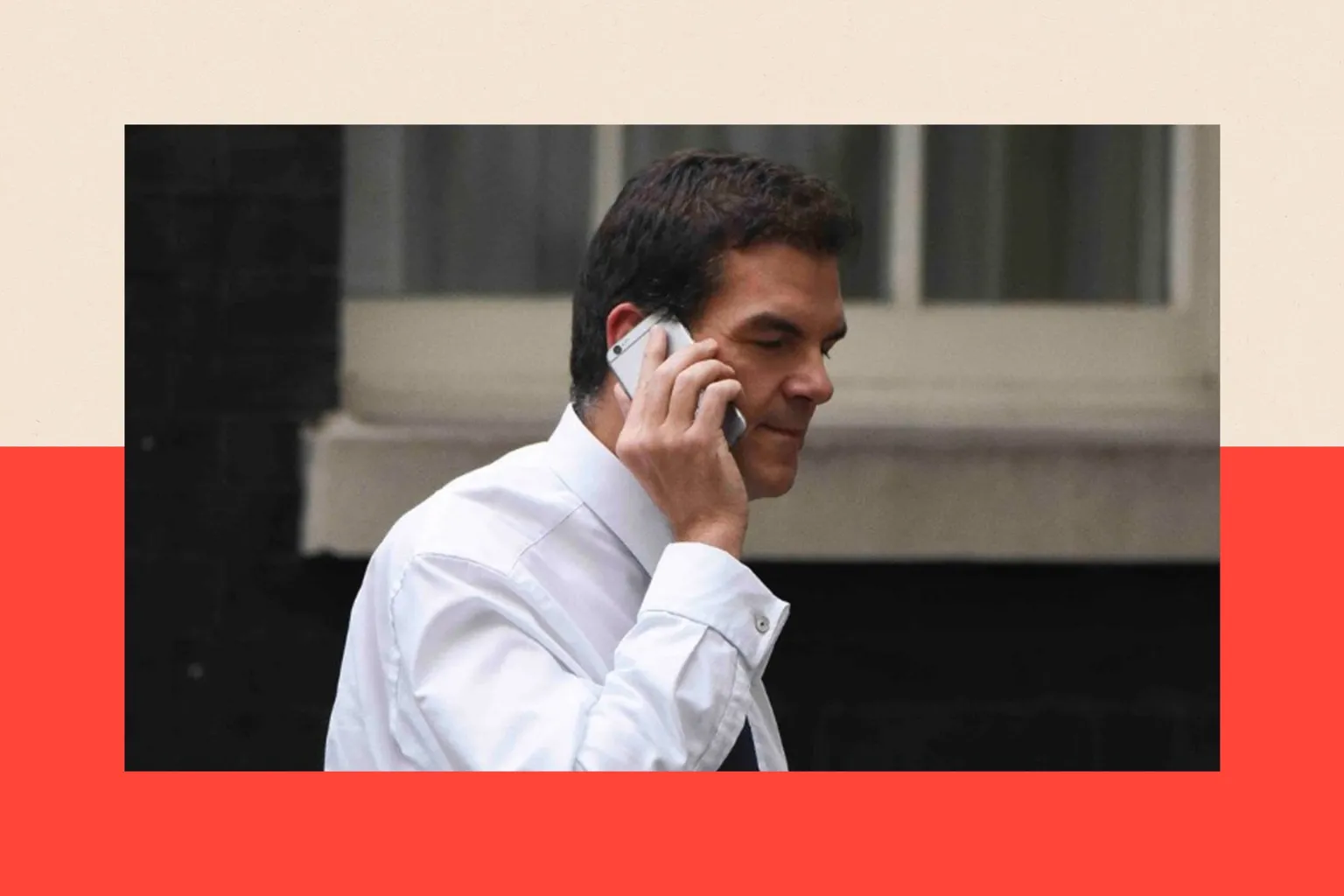
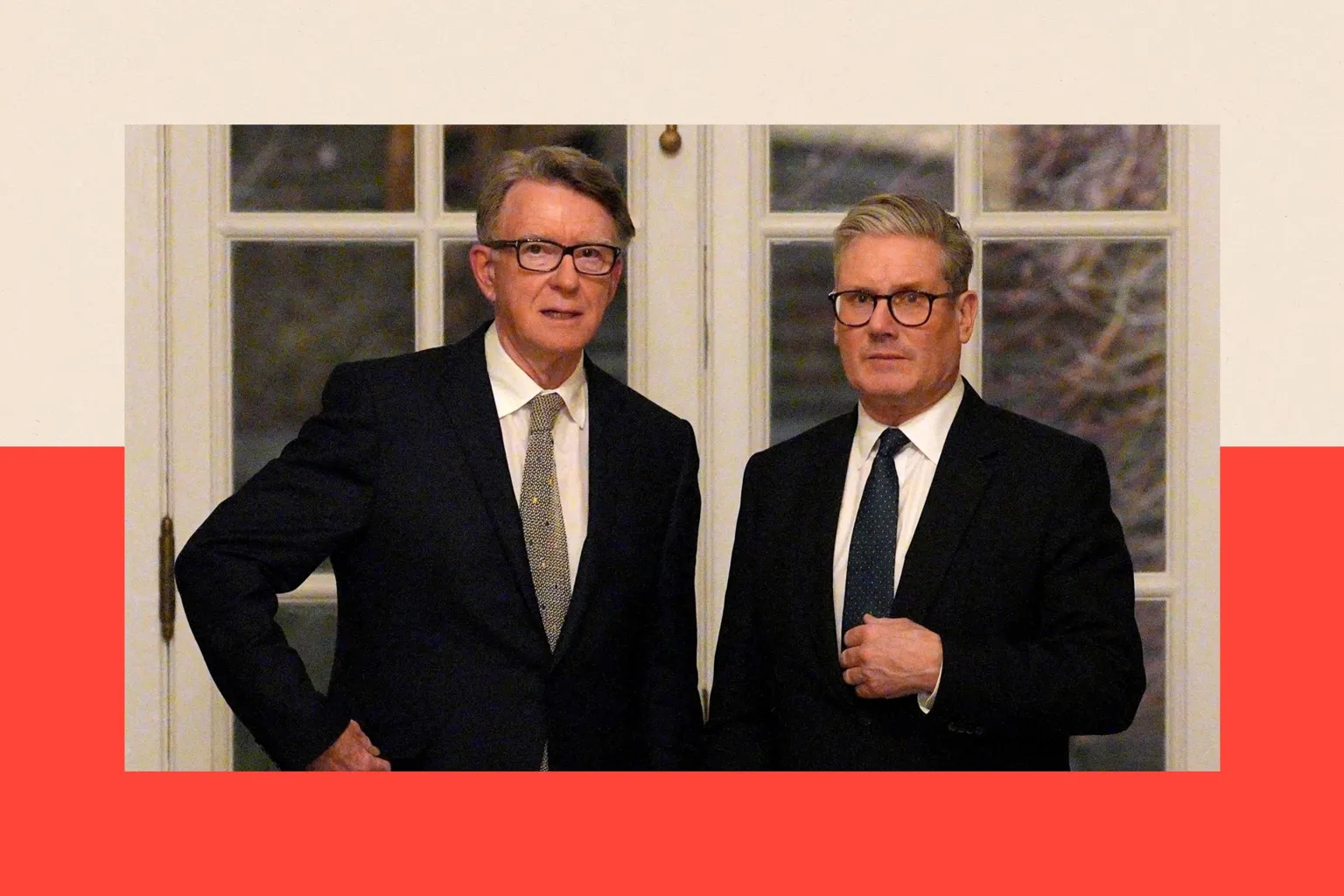
The prime minister is furious, Whitehall is angry, and Labour MPs are frustrated. However, the dismissal of senior official Sir Olly Robbins has not concluded the controversy nor halted the political repercussions for Sir Keir Starmer.
"There's no point Keir saying again and again he's angry, when that's exactly how the public feels about him!"a party insider remarked in disbelief.
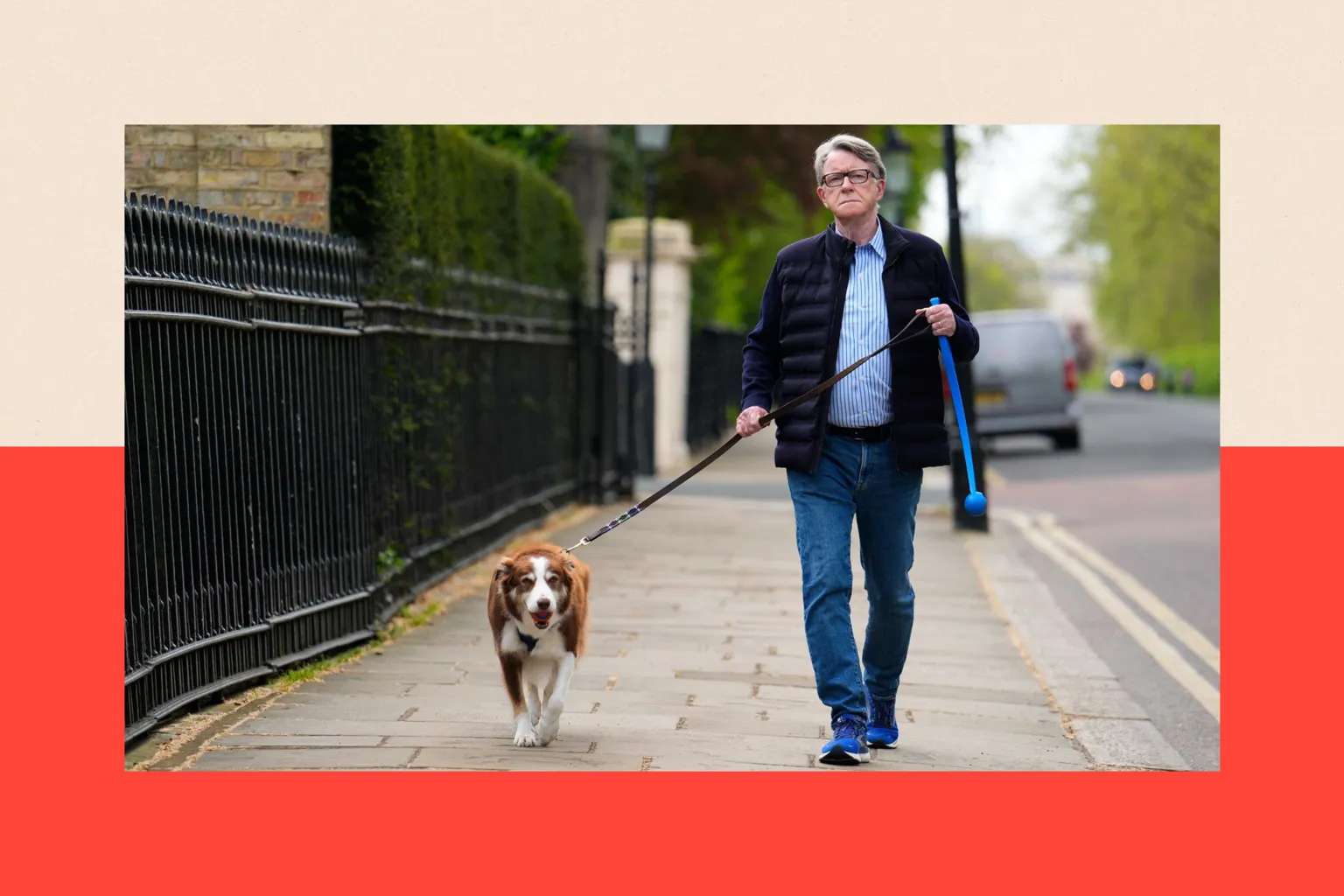
The prime minister’s initial decision to appoint Peter Mandelson as the US ambassador—a highly prestigious role—was fraught with risks that were evident from the outset. It has since emerged that the former Labour minister did not pass security checks, a situation described by a government source as "absolutely mental." This episode, marked by a "don't ask, don't tell" approach, continues to generate political fallout months later.
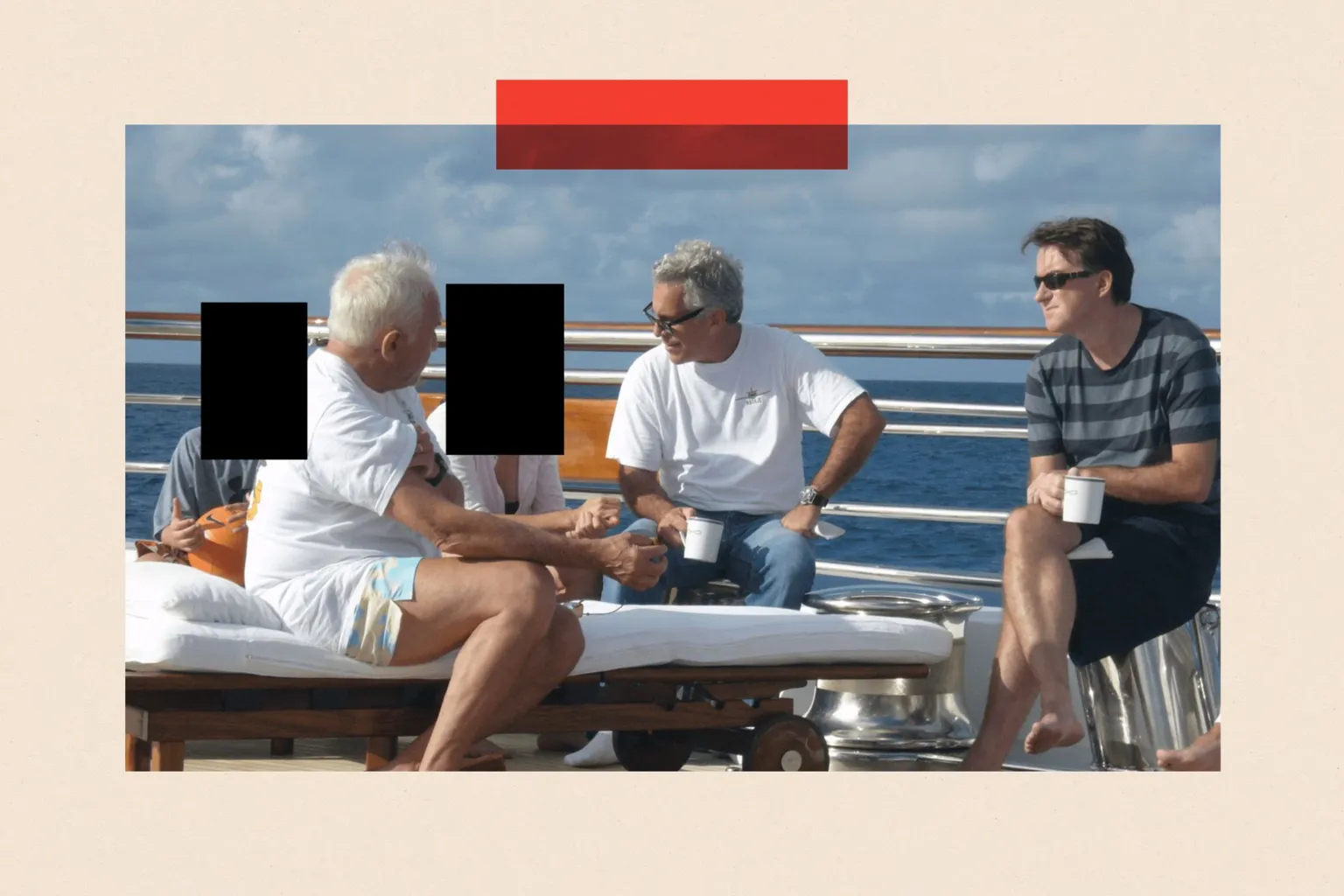
Understanding this issue requires navigating the complex Whitehall process. As reported in September, No 10 was warned about Mandelson's connections to the late sex offender Jeffrey Epstein prior to his appointment. These warnings appeared in the initial government report from the Cabinet Office's Propriety Department, which examined the Labour peer's background.
Following this report, Starmer's team posed three additional questions to Mandelson, whose responses satisfied them at the time, though they now believe he misled them.
Subsequently, after the prime minister had appointed Mandelson, a security check known as developed vetting was conducted. This confidential process involved an in-person interview and financial checks, intended to be thorough. Details of this vetting were not shared with Number 10 or ministers to preserve confidentiality.
Sources have maintained that no concerns were communicated to ministers despite the vetting agency recommending Mandelson should not be appointed.
This situation may seem illogical in hindsight, but it reflects the distinction between procedural rules and political realities.
Under section three of the Constitutional Reform and Governance Act, ministers do not have authority over security vetting decisions. The vetting agency provides recommendations to Foreign Office officials but does not decide appointments, functioning similarly to a credit checking agency whose assessments inform but do not determine lending decisions.
In Mandelson’s case, concerns were relayed to Sir Olly Robbins, the Foreign Office’s most senior official. However, Robbins may not have seen the full documented assessment and apparently judged the concerns manageable. A former senior official explained:
"Vetting is a process, not a point, it's not like a test you pass or fail - it's about managing risk, not big thumbs up or down."
Robbins is expected to face questions from MPs regarding his decision to approve Mandelson's appointment despite the vetting concerns. However, the political reality is that before Robbins' involvement, Mandelson had already undergone a separate government check, and concerns were known to No 10. Starmer had decided to proceed, and the White House anticipated Mandelson’s arrival. Robbins himself indicated last year that
"it was clear that the prime minister wanted to make this appointment himself."
Within Whitehall, there is astonishment that Robbins, known for his meticulous approach, would clear Mandelson without documenting concerns. One official stated:
"It is impossible to believe that Olly would have done this on his own. He is known to be obsessed with process – what did he have to gain by taking a risky decision like this without a paper trail? It just doesn't add up."
MPs and advisers describe the situation as "incredible" and "unforgivable," expressing shock that Robbins did not alert ministers at the time.
While the law intends vetting to be confidential and ministers to be uninvolved, the civil service code requires officials to correct errors promptly, present facts accurately, and avoid misleading ministers or Parliament.
A former Foreign Office minister criticized the lack of ministerial scrutiny:
"It's shocking, and it's also incompetence - when giving a job to someone of that nature, and nobody asked the question! Whether David Lammy (foreign secretary at the time) or the PM didn't ask: Is everything OK?"
One senior Whitehall figure commented:
"Olly Robbins has seemingly been sacked for not creating a problem for the prime minister. Which is novel. The great lesson from all this is that the Labour government want the civil service to save them from their own judgments."
‘It doesn’t stack up’
More perplexing than the flawed decision-making is the prolonged internal review of the events. The prime minister has repeatedly assured the public that the matter is under thorough investigation, promising that no detail will be overlooked.
Despite these assurances, it appears that Starmer did not inquire whether Mandelson’s security checks had been cleared during the controversy. Given his demanding schedule, this might be understandable, but it raises questions about the diligence of his team during months of scrutiny.
The vetting concerns only surfaced publicly in recent weeks, uncovered by journalists rather than official transparency.
Some government insiders doubt the official narrative. One stated:
"It is inconceivable that there was a flag from the vetting that did not come up between September and now. I just find it very hard to believe that anyone outside of the foreign office didn't know - it doesn't stack up."
Given the significant political damage caused by the Mandelson affair, it is striking that Starmer, a former chief prosecutor, did not verify the vetting status during the crisis. A party insider expressed concern:
"he's just never, at any point, gripped the danger."
This is not the first criticism Starmer has faced for a perceived lack of engagement with the government’s workings, risking the impression of being a passive observer rather than an active leader.
One senior Whitehall figure summarized:
"This latest bout of panic over Mandelson sums up Starmer's premiership: a man who claimed he was grown-up public servant turns out to be hopelessly out of touch with the detail, not interested in the actual processes of government and devoid of any political antenna."
‘It’s so painful to Keir’
Details from a recent meeting reveal that the prime minister was unaware of the full extent of the situation. Senior minister Darren Jones described it as a
"failure of the state."Starmer has expressed his frustration in various terms, but No 10 rejects responsibility, evidenced by Robbins’ swift dismissal.
The controversy is damaging not only because it links the Labour government to the troubling association between Mandelson and Epstein but also because it conflicts with Starmer’s reputation as a man of integrity. An ally noted:
"It's so painful to Keir, who prides himself to be a person of integrity - and this is just wiping that away in the eyes of the public."
This scandal emerges as Labour prepares for significant elections in Scotland, Wales, and England. The party had been gaining momentum, partly due to Starmer's handling of the war, but this embarrassment threatens to derail campaigns.
An MP involved in campaigning expressed frustration:
"It's so incredibly frustrating for Labour activists, councillors and candidates across the country to once again have campaigns derailed by this mess. It is unbelievably incompetent from Keir to have us in this situation again, three weeks out from an election."
Another senior MP conveyed a sense of resignation:
"Oh no, here we go, again."
While no immediate leadership challenges are expected, some MPs are concerned about Starmer’s standing. One remarked:
"It's not possible to put any more nails in his coffin without it being made of nails, but this is another one."
Robbins’ departure also intensifies tensions between ministers and civil servants, complicating governance. It leaves a gap in foreign policy leadership, an area where the prime minister is generally regarded as competent.
The controversy is expected to continue at least until midweek. Starmer will face questions on Monday, and Robbins is scheduled to give evidence to MPs on Tuesday, with his dismissal looming. Robbins’ judgment to approve Mandelson despite vetting concerns will be scrutinized, though his supporters maintain he acted within the rules. Ministers have yet to clarify their reasons for deeming his actions inappropriate.
It is now easy to assert that Mandelson should never have been appointed ambassador, despite understandable reasons for selecting a flamboyant figure to engage with the Trump administration’s similarly unconventional style.
It is also clear that the appointment process was flawed, but ultimately the decision was political, involving a talented yet controversial politician.
Months after Mandelson’s removal, the prime minister continues to struggle to move past the issue decisively.
BBC InDepth Newsletter
BBC InDepth offers comprehensive analysis, fresh perspectives, and in-depth reporting on major issues. Emma Barnett and John Simpson curate the most thought-provoking reads and analyses every Saturday.

for the newsletter here.


