Hydro Power Investment Challenges in Scotland
Developers of small-scale hydro-energy projects assert that Scotland is missing significant investment opportunities due to a predominant focus on wind and solar power.
Foster Turner Hydro has suspended construction on a project in the Highlands, citing an inability to secure a contract to supply its electricity to the national grid.
The company advocates for funding for small-scale hydro projects to be ring-fenced in government auction rounds, similar to the arrangements for wave and tidal power, to ensure financial viability.
The UK government has indicated that the funding structure for the upcoming bidding round will be confirmed prior to the process commencing next month.
Scotland has historically been a leader in producing affordable hydro-electricity, but companies report that current contract arrangements are marginalizing them in the energy market.
The Gaineamhach Scheme and Its Halted Progress
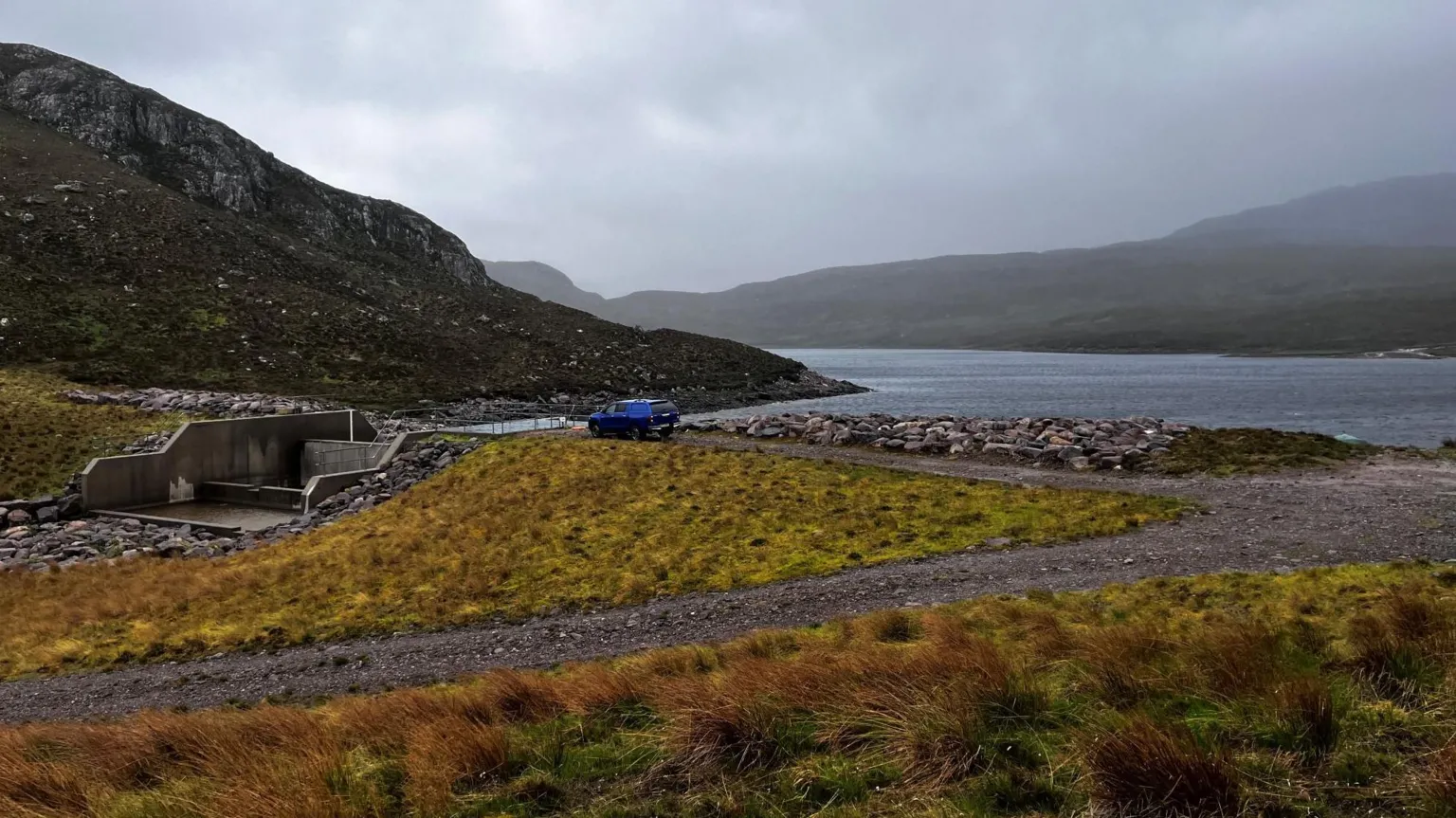
The Gaineamhach hydro scheme, located near Gairloch, is designed to generate up to five megawatts of electricity and is expected to become operational around 2028 or 2029.
However, construction has ceased following the completion of a seven-kilometre access track across the moor.
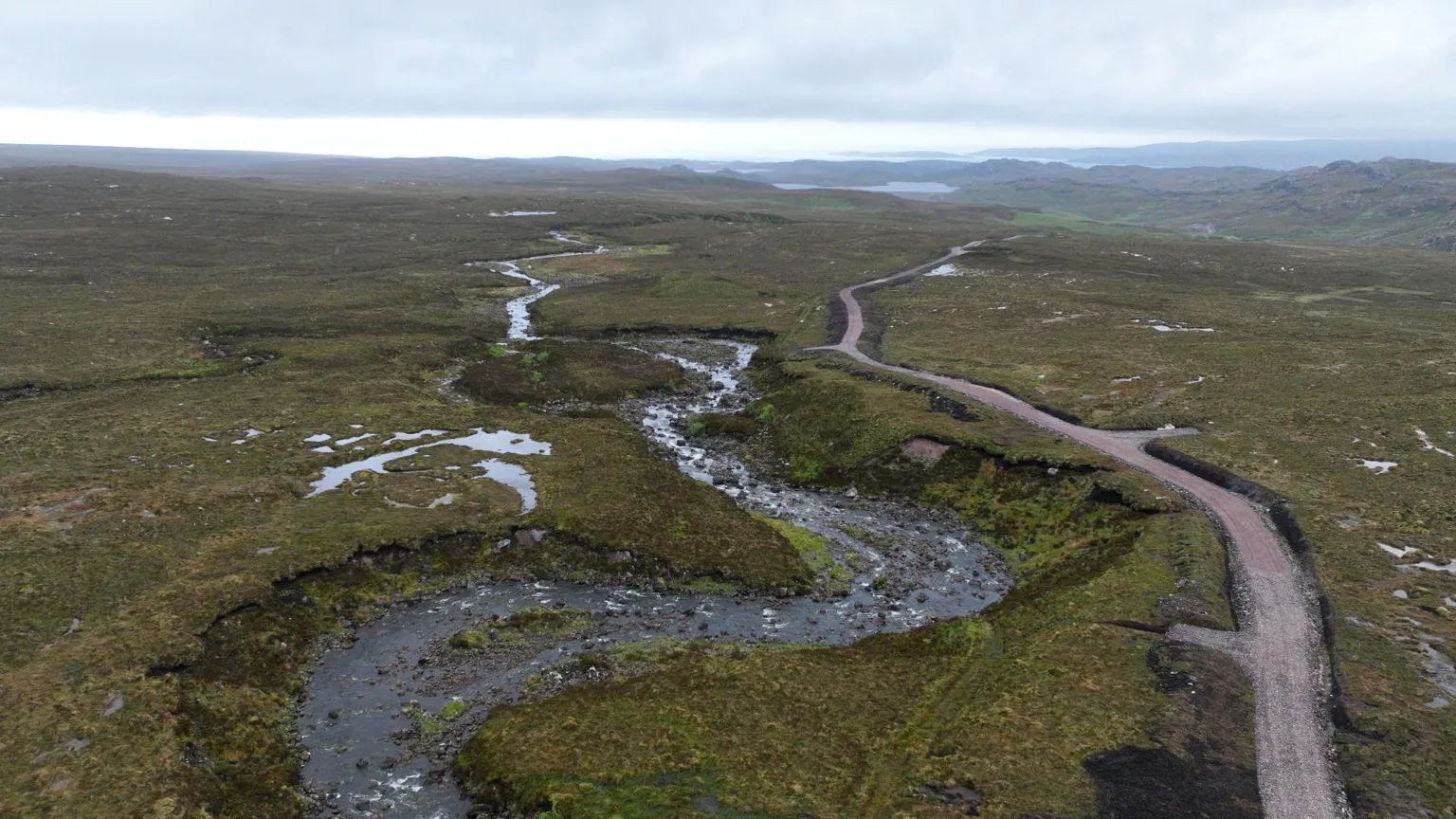
Projects director Toni Ramage highlights the scheme's potential to supply clean, green electricity to approximately 4,500 local homes.

"Because we don't have price certainty, we've been unable to finish construction so we've downed tools now for over a year," she said.
Contracts for Difference and Market Dynamics
The Contracts for Difference (CfD) mechanism guarantees a fixed price for electricity sold to the national grid and is a critical driver in the transition to renewable energy. This model is also being adopted by other countries.
The CfD operates as a closed auction, where developers bid to supply electricity at a fixed price.
While certain generation types such as wave and tidal power participate in a ring-fenced funding pot, small-scale hydro projects must compete within the same fund as wind and solar, which generally have lower generation costs.
Energy producers often operate with narrow profit margins and report challenges with high transmission costs in Scotland.
The industry emphasizes that small-scale hydro could contribute significantly to grid stability by providing a relatively continuous electricity supply, contrasting with the intermittent nature of wind and solar power.

The UK currently hosts approximately 1,800 hydro schemes, with around 80% located in Scotland, according to the British Hydropower Association (BHA).
Historical Context and Role of Hydro Power
Hydro technology facilitated rapid electrification of rural communities following the Second World War, with the North of Scotland Hydro Electric Board connecting half of all rural farms and crofts by 1955.
Glens were flooded to accommodate turbines, and the largest hydro power station, Sloy on Loch Lomond, completed in 1951, remains operational.
The BHA describes hydro as a "winter generator," capable of supplying additional power during shorter daylight periods when solar generation is reduced.
"Solar is cheap and that's great and we need lots of that, but we also need winter generation and the stability of hydro power," said BHA chief executive Kate Gilmartin.
Industry Perspectives and Transmission Costs
Ms. Gilmartin advocates for viewing different renewable generation types as complementary rather than competitive.
Earlier this year, the developer of the West of Orkney wind farm effectively shelved plans for a 125-turbine offshore project, citing unviable transmission charges.
Transmission charges, which cover the cost of delivering electricity from generation sites to consumers, are notably high in northern Scotland.
The UK government's long-term strategy involves increasing renewables like hydro to reduce energy bills over the next five years.
The Clean Power 2030 Mission aims primarily to phase out gas from electricity generation, which the government asserts will lower consumer costs.
However, recent geopolitical tensions in the Middle East, driving up oil and gas prices, have intensified discussions on energy security.
Government Responses and Future Funding
The Department for Energy Security and Net Zero states that all projects qualifying for Contracts for Difference must demonstrate value for bill payers.
It notes the introduction of a pricing mechanism for long-duration electricity storage, including pumped storage hydro projects, and confirms that the funding structure for the next allocation round will be announced before bidding opens next month.
A spokesperson commented:
"We welcome the supportive role hydro power could play in our clean power mission, as a small-scale technology.
"The lesson of yet another fossil fuel crisis is the UK needs to get off the fossil fuel rollercoaster and onto clean homegrown power we control."
The Scottish government has expressed support for hydropower projects in Scotland and is open to discussions regarding the sector's requirements.