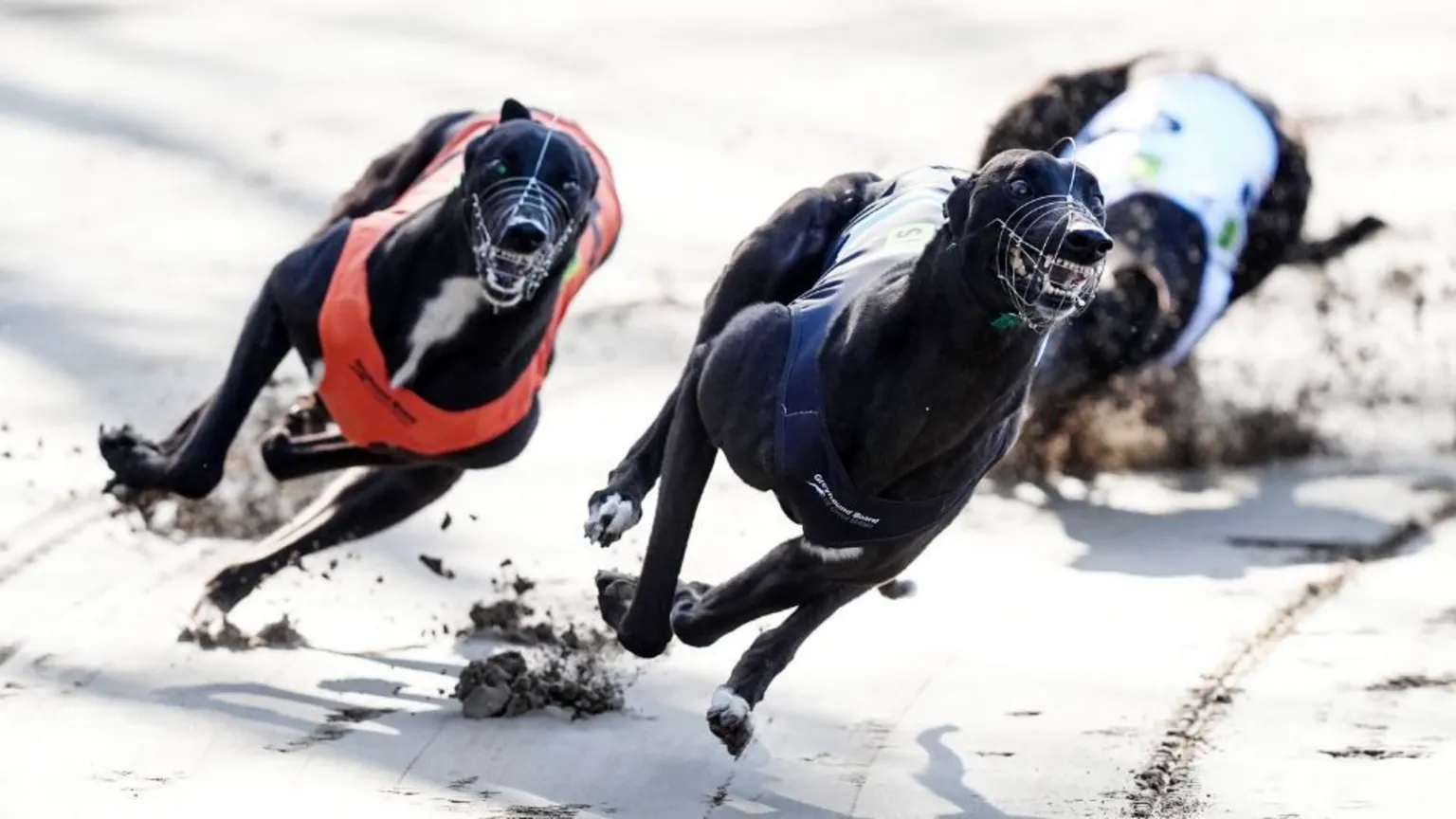
Greyhound Racing Banned in Scotland
Greyhound racing has been officially banned in Scotland after Members of the Scottish Parliament (MSPs) voted in favour of legislation prohibiting the sport.
The decision comes after the closure of Scotland's last greyhound racing track, Thornton Stadium in Kirkcaldy, Fife, which shut down last year, effectively ending the sport's presence in the country.
Animal welfare advocates welcomed the legislation, stating it would prevent greyhounds from suffering injuries and death. However, opponents criticized the bill as unnecessary and argued it would not enhance animal welfare.
The Scottish Parliament's vote followed a similar ban passed by the Welsh Senedd just 24 hours earlier.
The Prohibition of Greyhound Racing (Scotland) Bill, introduced by Green MSP Mark Ruskell, criminalizes allowing greyhounds to compete on oval racetracks in Scotland. The legislation includes penalties of up to five years imprisonment and fines reaching £20,000.
With government opposition withdrawn, the bill passed with 70 MSPs voting in favour, 27 against, and 19 abstentions.
Debate Highlights and Historical Context
During a brief debate prior to the vote, Ruskell emphasized the risks associated with greyhound racing, stating:
"Racing greyhounds at up to speeds of 40mph around an oval track results in catastrophic injuries and deaths.
Dogs break their legs, break their backs, end up paralysed and with serious head trauma."
He further asserted that greyhound racing is not a "harmless hobby enterprise" and stressed that Scotland should not lag behind other countries that have banned the sport.
Historically, Scotland had over 20 greyhound racing tracks, attracting thousands of spectators during the sport's peak in the early 20th century. Currently, fewer than 30 greyhound racers remain in Scotland.
With no active tracks in Scotland, these greyhounds must travel to England, Wales, or Ireland to compete.
Animal Welfare Perspectives
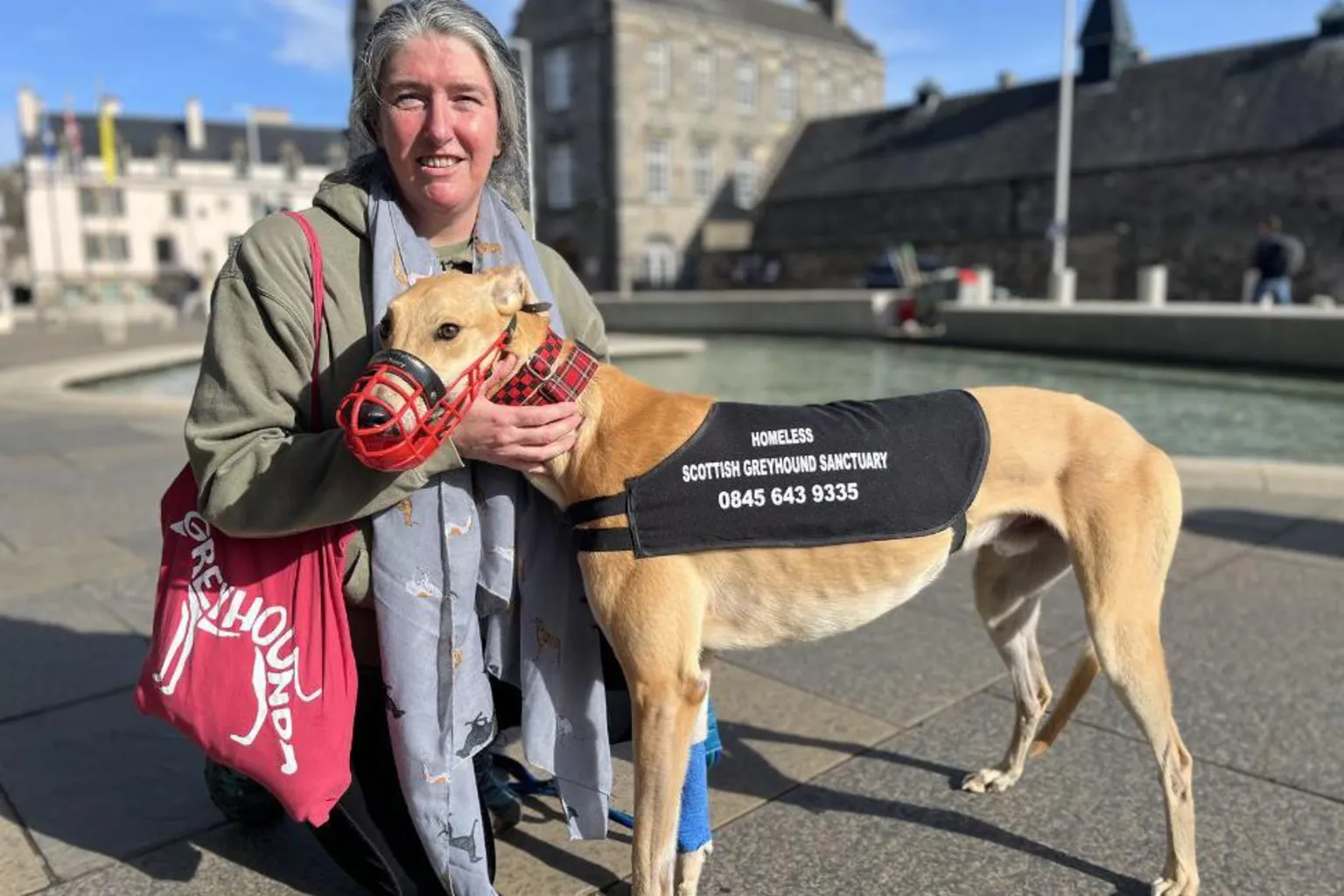
Lorraine Baker, who manages the Scottish Greyhound Sanctuary, described the continuation of legal greyhound racing as "unjustifiable." Speaking at Holyrood alongside Oscar, an 18-month-old rescue greyhound, she highlighted the necessity of the ban to prevent any possibility of reopening tracks.
According to the Greyhound Board of Great Britain (GBGB), 123 greyhounds died at registered tracks in England and Wales in 2024, with an additional 3,809 injuries recorded.

Baker remarked:
"The statistics speak for themselves.
Labradors and spaniels aren't killed in these numbers - greyhounds deserve the same life that every other dog deserves."
She added that a Scottish ban would contribute momentum towards outlawing greyhound racing across the UK, preventing dogs like Oscar from being "abandoned and abused."
The UK government has stated it currently has no plans to implement a similar ban in England.
Industry Response and Criticism
Paul Brignal, owner of Thornton Stadium since 2002, closed the track last year citing concerns over the proposed legislation. He expressed disbelief at the government's reversal and criticized the ban as a "huge waste of taxpayers' money."
Brignal reported that six serious injuries occurred at Thornton between 2022 and 2025, including one dog euthanized due to a broken leg. He predicted that with the closure of his track, greyhound racing would effectively end in Scotland.
Mark Bird, chief executive of the Greyhound Board of Great Britain, expressed astonishment at MSPs' support for the ban, calling the bill "unevidenced, illogical and will help no-one in Scotland - least of all greyhounds."
Bird further commented:
"In the final weeks before an important election, Scottish constituents will find it simply unbelievable that their representatives have wasted hours of precious parliamentary time introducing a law to ban something that does not even exist in their nation and which will have no impact at all on animal welfare."
The Royal Society for the Prevention of Cruelty to Animals (RSPCA) notes that only nine countries worldwide still permit commercial greyhound racing, including all four UK nations. Besides Wales, New Zealand has also moved to ban the sport.
Government Position and Legislative Changes
Initially, the Scottish government was unconvinced about the need for a ban, proposing instead a licensing scheme for owners and trainers with penalties for animal welfare breaches.
However, the government shifted its stance prior to the final vote. Agriculture Minister Jim Fairlie stated:
"The government is confident that greyhound racing on oval tracks exposes dogs to significant risks that cannot be eliminated by other measures."
Opposition Views
Conservative MSP Finlay Carson criticized the bill as a "waste of precious parliamentary time" that would not enhance dog safety, labeling it "jester politics" and "virtue-signalling legislation."
Carson advocated for licensing as a means to improve welfare, noting that this alternative had not been considered by Holyrood. He also pointed out that the Welsh ban is currently facing a legal challenge.
Labour MSP Rhoda Grant acknowledged the need for animal welfare reform but argued the bill would not achieve necessary changes. She remarked that a new track would not have obtained planning permission and expressed disbelief that parliament allocated time to debate a bill that does "little or nothing" to improve greyhound safety.