Parents of Southport Survivors Raise Concerns Over Anonymity and Support
Warning: This article contains distressing and upsetting details.
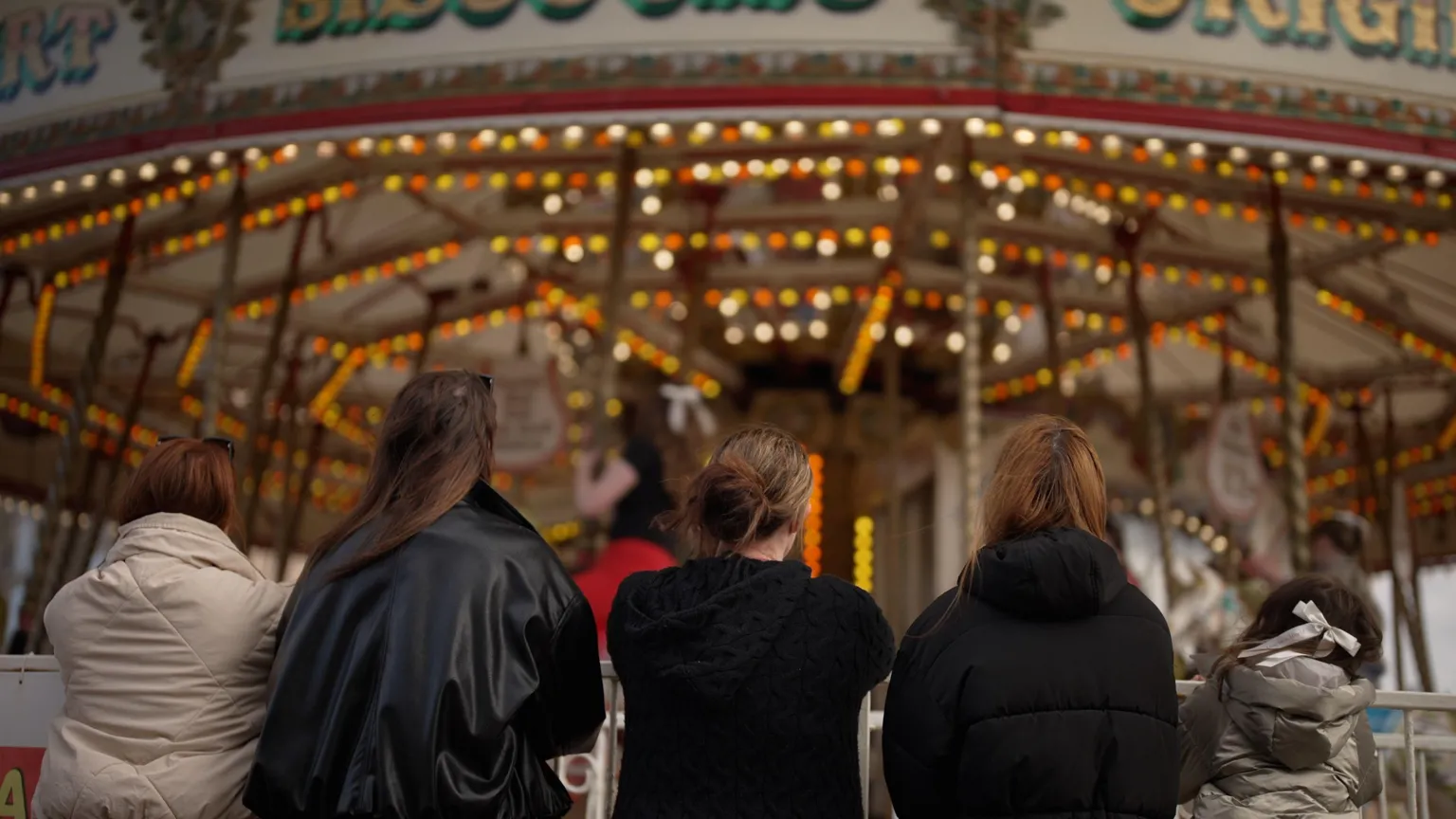
Parents of several children injured in the Southport knife attack have expressed concerns that the anonymity granted to their daughters by the courts has led to insufficient support and public recognition.
Twenty-three girls survived the attack. The BBC has spoken to the parents of five of these survivors.
The accounts include a girl who was stabbed 33 times and two sisters who were both injured while the elder sibling tried to shield her younger sister.
Some parents reported that local authorities failed to provide adequate support because officials claimed they did not know the identities of their children.
All parents conveyed a sense that their daughters' experiences and bravery have been overlooked, with their stories effectively erased from public awareness due to the anonymity order.
"There are 23 girls moving around this town, and nobody has any idea who they are,"said the mother of one survivor.
"Anonymity is not invisibility,"added the father of another girl.
"We hope people bear them in mind because it's the absolute least they deserve."
The attack occurred during a Taylor Swift-themed dance and yoga workshop for children in July 2024.
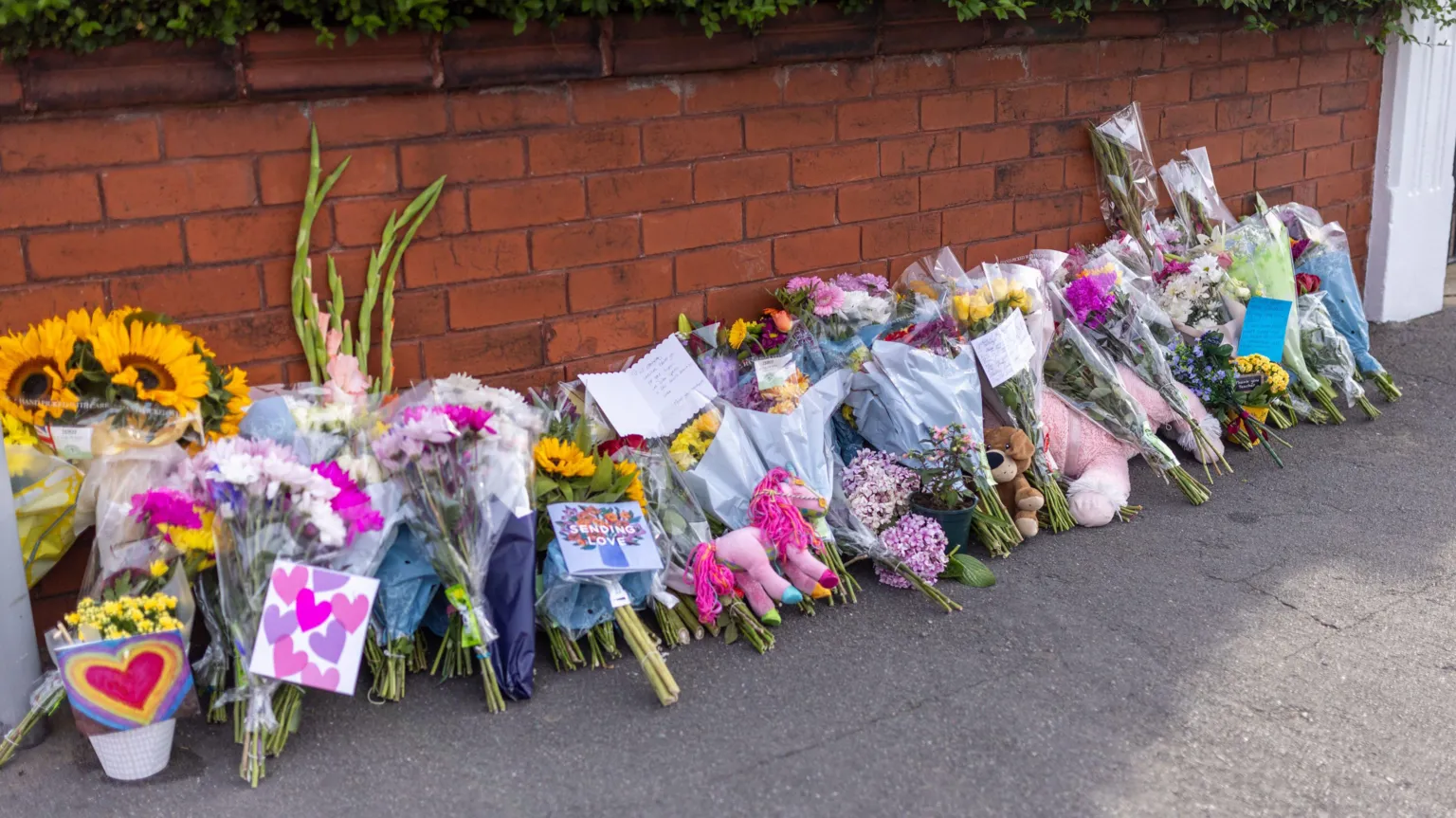
Three girls—Bebe King, Elsie Dot Stancombe, and Alice da Silva Aguiar—were murdered in what has been described as the worst mass stabbing in modern British history.
The attacker, Axel Rudakubana, was arrested and charged with multiple offences including murder and attempted murder. He later pleaded guilty.
Following the initiation of legal proceedings, a court order was imposed to protect the identities of the physically injured girls, following an application by the prosecution. The parents have chosen not to challenge this order.
They support the anonymity order as a means to safeguard their daughters’ privacy as they mature but feel it has contributed to their children becoming invisible in the public eye.
The parents have spoken to the BBC to ensure that the world understands the courage their daughters demonstrated to survive and to share the full details of their experiences.
To comply with the court order, all survivor names in this report have been changed.
Daisy is the girl who was stabbed 33 times. Her parents described how she survived against overwhelming odds.
At seven years old, Daisy was the last child to escape the dance studio. She initially escaped after being stabbed more than a dozen times but was dragged back inside by the attacker who continued to assault her. She managed to escape a second time before collapsing outside.
At the time, Daisy’s waist measured just 27cm, while the kitchen knife used in the attack had a 20cm blade.
"It was really important for her to know that bravery and heroism started with her - when there wasn't anyone else there, and nobody was able to come to help her,"her mother said.
"The damage that was able to be done in such a short space of time is absolutely harrowing for a child to survive and have to live with."
Bethany is the girl who tried to protect her younger sister, Amber.
"They got themselves out of that building,"her father said.
"I don't think enough people understand or know that."
All surviving children continue to face significant challenges as a result of the attack.
For the sisters, nights remain particularly difficult. Both now sleep beside a parent.
"They're both medicated to get to sleep,"their father said.
"The youngest has nightmares and revisits it all the time."
The mother of another survivor, Charlotte, described the psychological impact of the attack. Charlotte was among the first to be stabbed before fleeing and taking refuge in a car.
"Her innocence has been taken away from her,"her mother said.
"She is now aware of things that she shouldn't be aware of. She looks over her shoulder.
She can't walk the dog without looking behind her and wanting her dad to be near to protect her."
Bella, another survivor, faces lifelong medical consequences. She was 10 years old at the time of the attack. Her spleen was removed, leaving her vulnerable to infections.
"Even a sore throat can lead to something a lot more drastic,"her mother explained.
"We're still kind of navigating what that'll look like."
Bella has also undergone skin graft surgery. She must wear a pressure garment for 23 hours a day and sleeps in a splint.
"It makes her quite conscious of how she looks because she does look different now,"her mother said.
"She's extremely positive - she embraces her scars."
Several families indicated that the anonymity order has caused others to hesitate in discussing the attack with them and has led to assumptions by the public and authorities that the girls have recovered more fully than is the case.

"It's given people permission to sort of forget about them a bit,"Daisy’s mother said.
"It's more comfortable to forget that these girls survived because remembering what they went through is really horrendous."
The families expressed gratitude for the medical teams who saved their children. Many of the girls regularly fundraise for these teams, although they cannot publicly disclose their personal motivations due to the anonymity order.
However, the parents report that longer-term support, particularly regarding mental health services and educational provisions, has been inconsistent and difficult to access.
They attribute these difficulties to local authorities and the invisibility caused by the anonymity order.
"We've never, until very recently, been aware we were able to access a lot of help from the council,"Bella’s mother said.
"From what we understand, there were a lot of other options out there, but we were never told about them because no one knew who we were or where we were."
Daisy’s mother added:
"I think that there is a very wide level of confusion over who is taking responsibility for these children and who is supporting them now, but also who is planning for what that might look like in the future.
I think we have fallen through the cracks."
Last month, a public inquiry concluded that failures by multiple agencies—including the passing of responsibility between them—resulted in missed opportunities to prevent the attack.
The families who spoke to the BBC say some of those same public bodies have since failed to provide adequate longer-term support for their daughters.
"The communication between those authorities has been poor,"Daisy’s father said.
"The response should have been more joined up. It shouldn't have been left to the families to try and piece together the support they are getting or not getting."
He believes the families are now "re-experiencing" the same lack of coordination that contributed to the attack.
"There is no consistency across the group whatsoever,"said Nicola Ryan-Donnelly of Fletchers Solicitors, which represents 22 of the 23 surviving children.
"One of the biggest challenges is a lack of understanding around the anonymity order.
People are scared to talk about these girls in important rooms, where they need to be represented in order to access support.
The order protects these girls and their families publicly, but it should not restrict the services they are entitled to access."
The Victims' Commissioner for England and Wales, Claire Waxman, described the parents' accounts as "deeply concerning."
She noted that the families' experiences echoed what she had been hearing and raised "serious questions about whether people received the kind of support they should reasonably expect after such extreme trauma."
"Trauma and grief do not follow a timetable, and support cannot be one‑size‑fits‑all,"she said.
"It must reflect individual need."
Sefton Council, the local authority for Southport, stated it continues to provide support "to those directly and indirectly affected" by the attack.
The council has established a dedicated recovery team to coordinate its response alongside various agencies.
Lancashire County Council, the neighboring authority, reported it has "reached out to families through local schools and provided support."
"We understand that needs will differ and may change over time and would welcome the chance to meet with families to understand how we can continue to help,"the council added.
The families said that only after organizing as a group did they become aware of disparities in the support offered.
They now meet regularly, and the children have begun attending dance and Pilates classes together.
"It's really fun when we dance together, because it feels like we've all been through like the same stuff and only us really understand it,"Bella said.
"It just feels nice to be together."
"It's funny watching the mums dance,"Charlotte said with a smile.
"I think my mum did an amazing job doing the cha-cha-cha."
All parents interviewed by the BBC share the hope that their daughters will one day decide if they wish to reveal their identities.
Before that time, they want their daughters' bravery to be acknowledged.
"We want people to know how great our daughter is,"Charlotte’s father said.
"First and foremost, we want her to know - and in years to come to see that we've told the world how brilliant she is and how utterly in awe we are of her."
Daisy’s father emphasized his daughter's determination not to be defined by the attack.
"This isn't her life, and it won't be her life,"he said.
"She wants to continue living how she did before, with a carefree attitude, where the only thing she really needs to worry about is how long she has to wait for the next Taylor Swift album."
"They fight so hard every day to just keep going and keep going,"Bethany and Amber’s mother said.
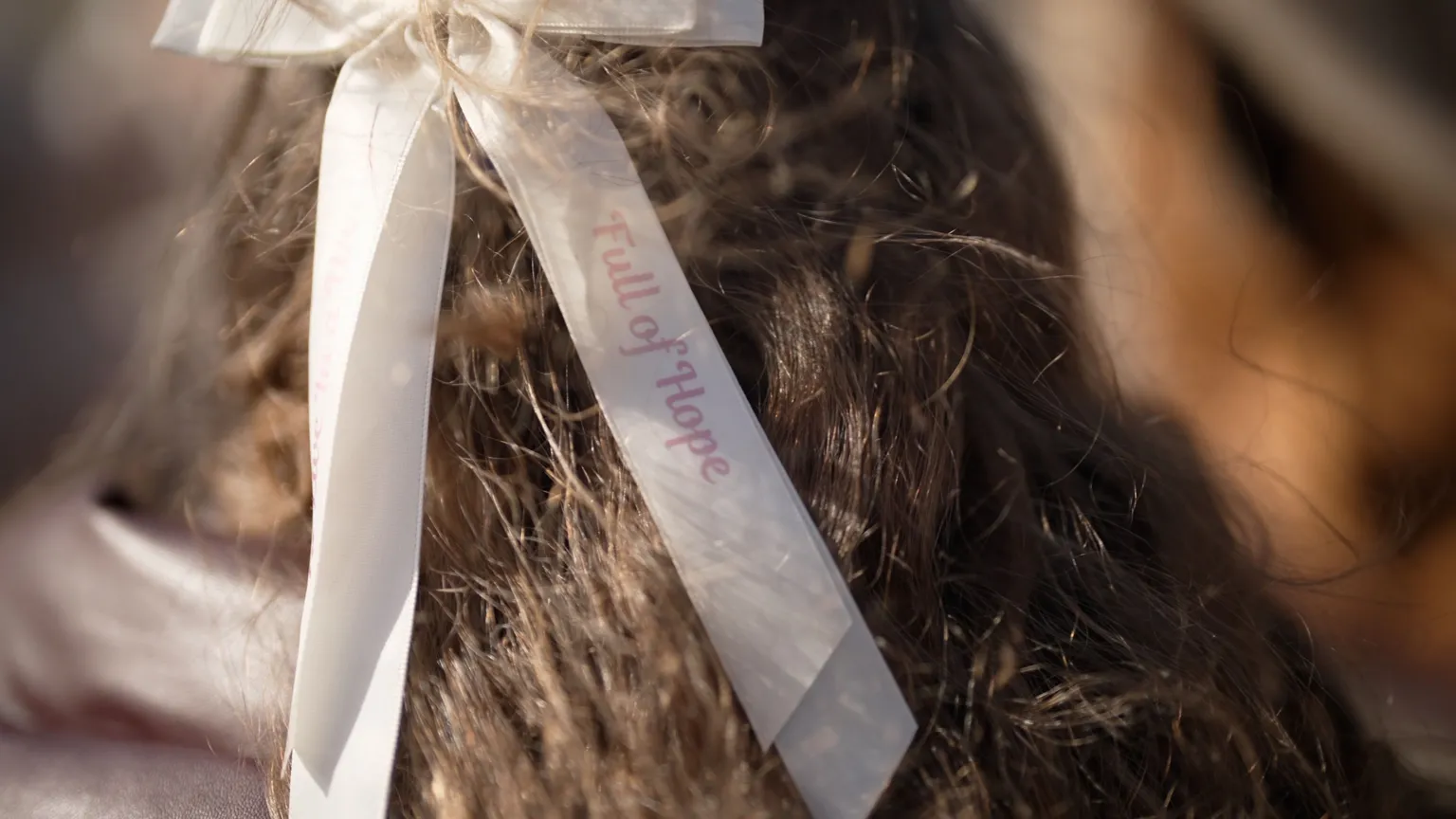
"There's so much more to them than the letters and numbers that were given against their name in court."
"All those children are such heroes,"Bella’s mother added.
"Our daughter got herself - critically injured - out of that room and ran for help. They're all amazing. There's no words to describe little girls doing that."
The names of the girls have been changed in accordance with the court anonymity order and the wishes of their parents.