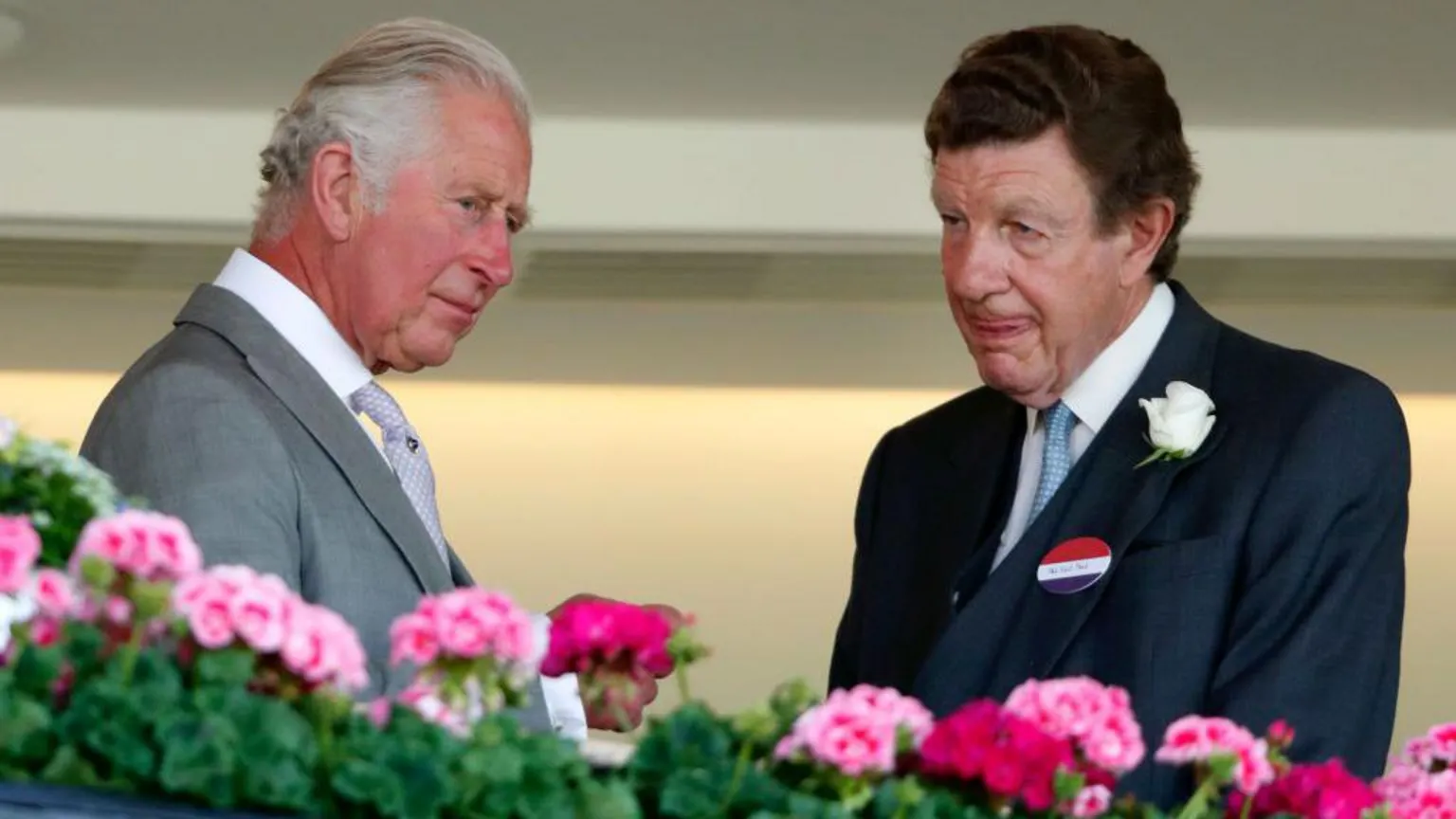
Emails on Andrew Mountbatten-Windsor's Trade Envoy Role Delivered to Palace in 2020
Buckingham Palace was provided with emails six years ago that would have demonstrated that Andrew Mountbatten-Windsor shared confidential government information during his tenure as a trade envoy, according to court documents.
It has emerged that an archive of 30,000 emails, containing details about the former prince's contentious financial dealings, was handed to the Lord Chamberlain, the most senior officer in the Royal Household, in 2020.
The emails were obtained from a personal business contact of the former Duke of York.
When questioned about the disposition of the emails, Buckingham Palace stated:
"Since there is an ongoing police enquiry concerning Mr Mountbatten-Windsor, it is not possible to provide any comment on these matters."
Last week, Thames Valley Police issued a renewed appeal for information from the public following Mountbatten-Windsor's arrest on suspicion of misconduct in public office.
However, a review of court documents reveals that a substantial collection of emails related to Mountbatten-Windsor's finances had already been submitted to Palace officials years before the current investigations commenced.
The emails had been the subject of legal proceedings, and documents from a High Court judgment in April 2021 indicate that a "copy of the archive" was provided to the "Lord Chamberlain in May 2020."
A subsequent High Court ruling in June 2022 references an email dated 10 July 2020, confirming that the emails had been "delivered to Buckingham Palace."
This transfer occurred after the then Duke of York had stepped down as a working royal, following his night interview in November 2019.
The full contents of the archive, which includes emails up to June 2013, remain undisclosed, but glimpses suggest their potential relevance.
Controversial Financial Dealings
Earlier this year, The Telegraph published emails showing Mountbatten-Windsor had requested a confidential briefing from Treasury officials in 2010 and subsequently shared it with a personal business contact, advising him "before you make your move."
The briefing concerned issues in Iceland's banking sector, and the recipient was Jonathan Rowland, whose father, David Rowland, had taken control of the Luxembourg branch of the failed Icelandic bank Kaupthing, which later became Banque Havilland.
Jonathan Rowland previously confirmed to the BBC that these published messages about Icelandic banks were extracted from his account and were part of legal proceedings, indicating they likely formed part of the archive later sent to the Palace.
It was during these court disputes over the alleged theft of the emails that it was disclosed copies had been provided to the Palace.
The emails carry particular significance as they relate to a highly contentious period in Mountbatten-Windsor's financial dealings with the Rowlands and Banque Havilland, which subsequently faced sanctions from UK and EU regulators.
While the fate of the emails shared with the Palace is unknown, the release of the Epstein Files earlier this year in the United States revealed Mountbatten-Windsor's close association with the Rowlands.

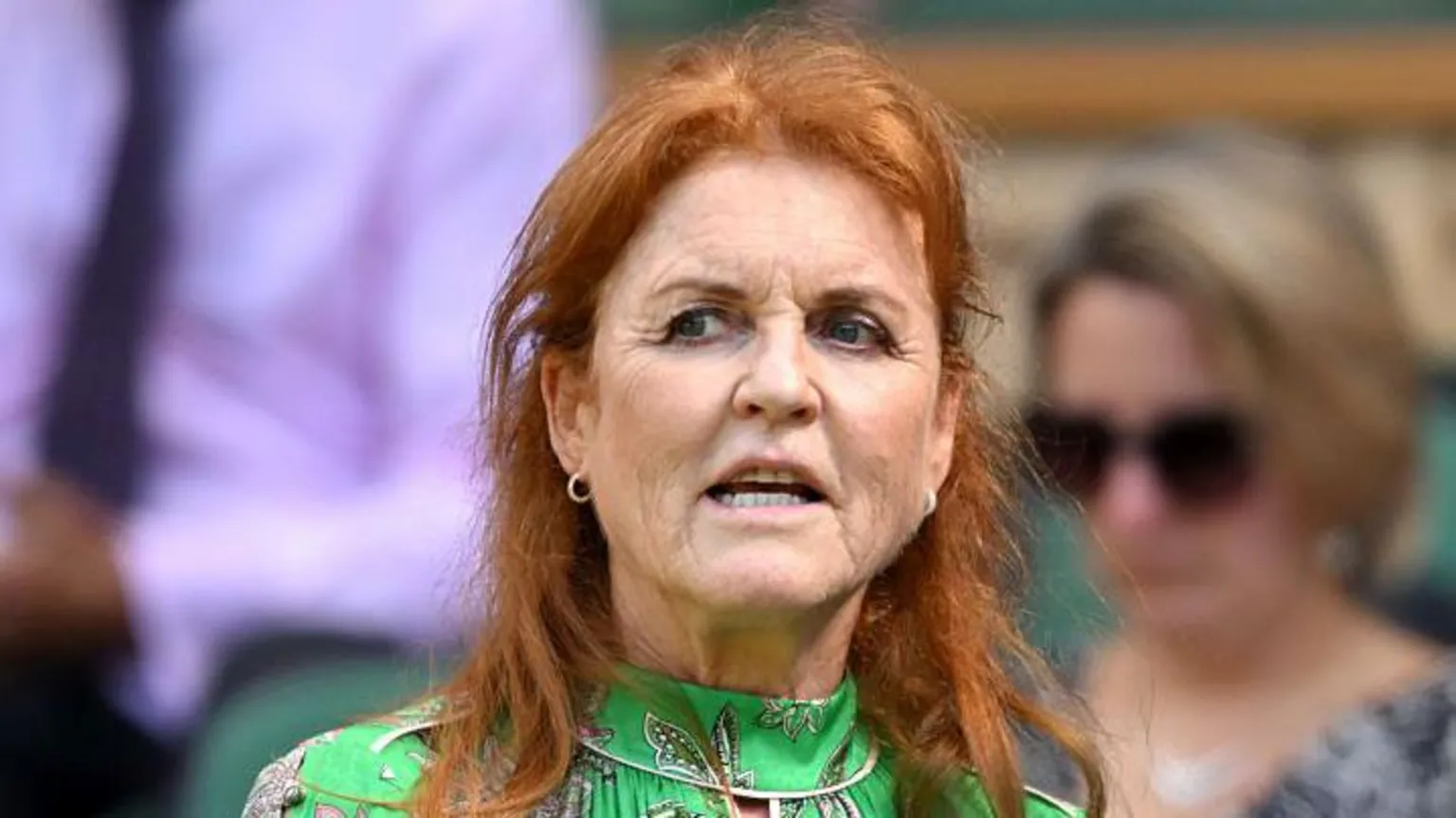
The Epstein Files show Mountbatten-Windsor promoting their business ventures and providing personal assurances for David Rowland as his "trusted money man." Additionally, ex-wife Sarah Ferguson was recorded as receiving a "Rowland bank loan."
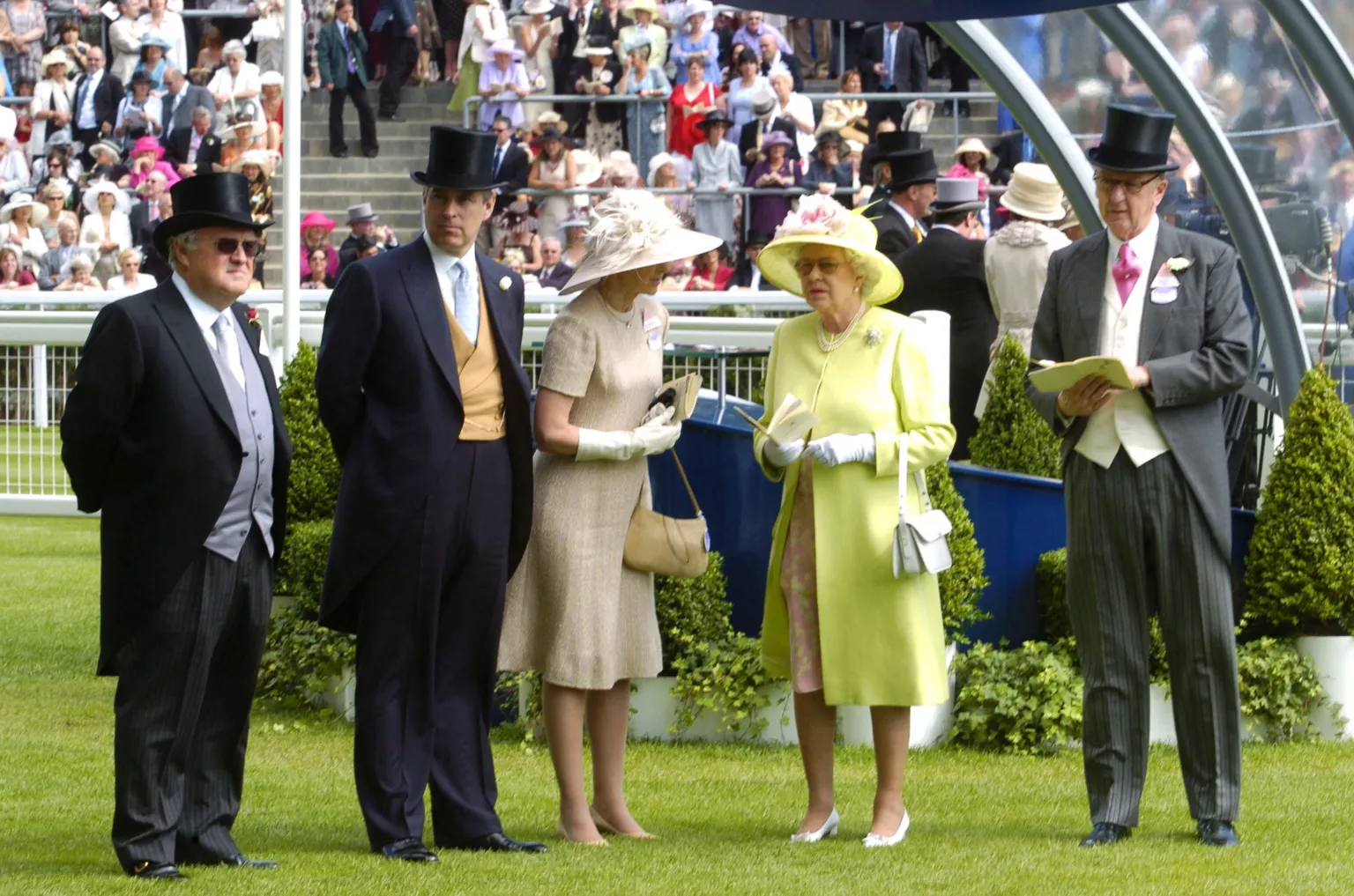
According to court documents, the emails sent to the Palace were taken from Jonathan Rowland's account following a dispute with a business colleague. They were then obtained by retail entrepreneur Kevin Stanford, former majority owner of All Saints, who was involved in a separate dispute over investments in Kaupthing bank.
Court documents state that Stanford offered the archive of emails to authorities in Monaco and Luxembourg and shared them with several individuals, including the Lord Chamberlain.
In 2020, the Lord Chamberlain post was held by Lord Peel, whom the BBC contacted; Buckingham Palace responded on his behalf. According to the Royal Family website, the role includes "overseeing the conduct and general business of the Royal Household."
The emails were delivered to the Palace during the reign of the late Queen Elizabeth II. Under King Charles's reign, a stricter approach has been taken toward Mountbatten-Windsor, including the removal of his titles. Following Mountbatten-Windsor's arrest, the King issued a statement saying:
"The law must take its course."
Mountbatten-Windsor has denied any wrongdoing in his associations with Jeffrey Epstein and rejected claims of personal gain from his trade envoy role.
Stanford also shared some of the emails with a journalist, according to the judgment. These emails are likely the source of several newspaper stories about Andrew and his financial arrangements.
Author Andrew Lownie has stated that there remains insufficient transparency in the UK regarding information related to Mountbatten-Windsor and has called for a parliamentary inquiry into his tenure as trade envoy.
He also noted that Freedom of Information requests continue to be denied and that the "cover-up continues." Last month, he sought information about a 2011 trip by Mountbatten-Windsor to Azerbaijan, but the Foreign Office withheld details citing national security and law enforcement reasons.
Thames Valley Police was asked whether it currently has access to the 30,000 emails referenced in the High Court five years ago.
A spokesperson declined to comment on specific information but said:
"We are aware of the allegations circulating in the public domain and encourage anyone with relevant information to get in touch."
A government spokesperson stated:
"We are fully cooperating with Thames Valley Police, and last week we published documents about the creation of the role and Andrew Mountbatten-Windsor's appointment in 2001."
Andrew Mountbatten-Windsor, Jonathan Rowland, and Kevin Stanford were approached for comment.