

Teen Missing in Glasgow Highlights Need for Prompt Support
A teenage girl who triggered a police search last summer after running away from home in her pyjamas has emphasized the importance of providing immediate support to young people in crisis.
A year after her disappearance, Larissa, also known as Lara, spoke to the BBC's Reported Missing programme, stating:
"When somebody asks for help, you don't say 'maybe later', you've got to do it now."
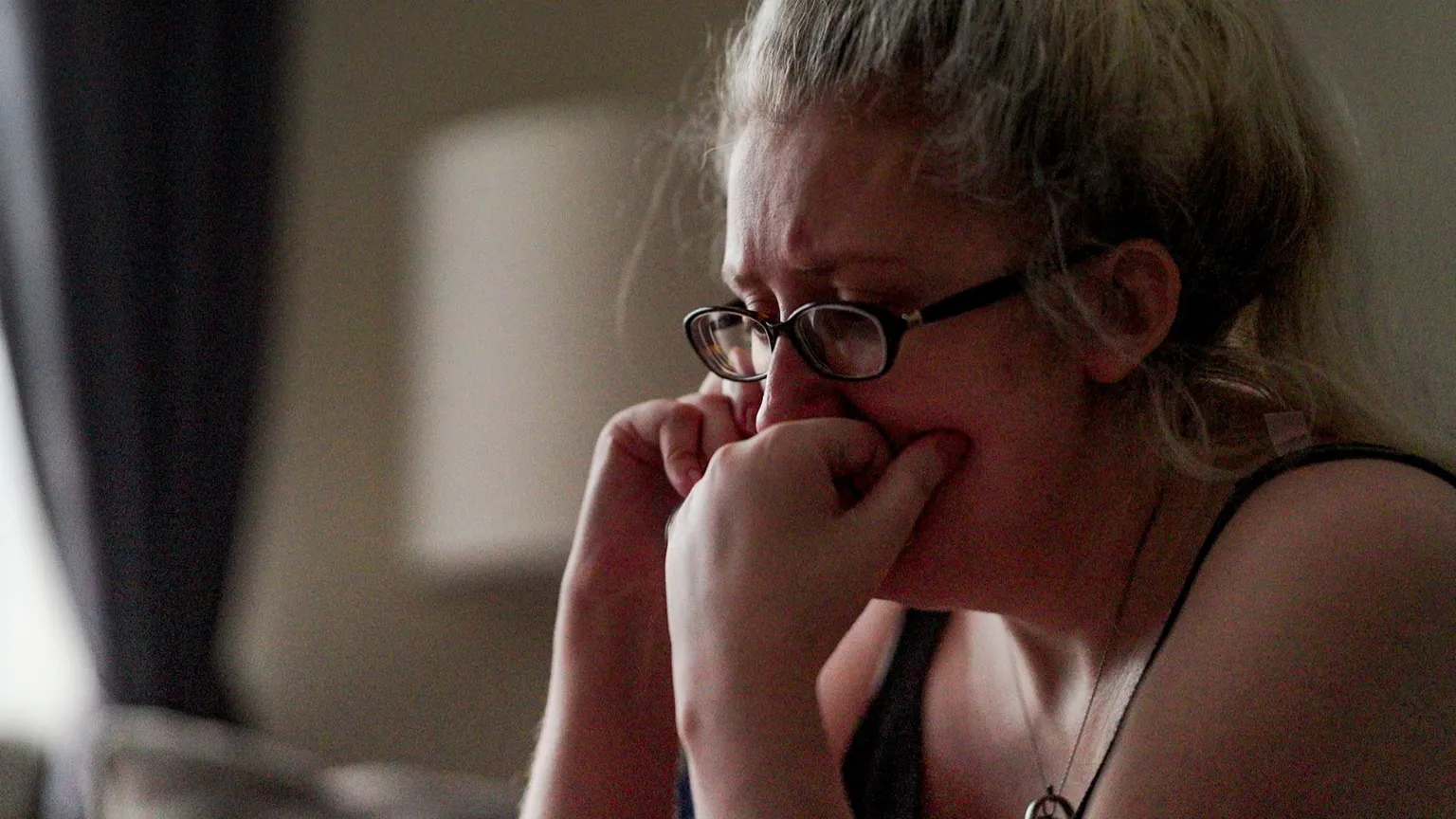
The documentary features the 16-year-old's mother, Karen, making a call to the police to report her daughter missing.
This followed what Karen described as a "trivial argument" at their residence in the south of Glasgow in July 2025.
Although Larissa had run away before, Karen said she felt something was "niggling" her this time, expressing concern that her daughter might be intending to harm herself.
Karen informed the police that Larissa was bipolar and had a history of self-harming.
Police Response and Search Efforts
At Pollok police station, Sergeant Ross Kelly shared with the programme that his concerns were heightened due to the circumstances of Larissa’s disappearance.
He instructed officers to thoroughly search the local area to locate her quickly.
"Once she's out of that housing estate then it becomes harder to find her,"
he explained.
Police Scotland handles between 16,000 and 18,000 missing person cases annually, with most involving individuals aged 17 and under.
Recent data indicates that 99% of missing persons are found alive, and the number of reports has declined in recent years.
However, police note that these investigations can be complex, with mental health issues increasingly contributing to cases.
Officers report that young people who were children during the COVID-19 lockdown are presenting with serious mental health challenges.
Sgt Kelly told the programme that whenever he begins a shift, there is "quite a high chance" he will encounter a young person experiencing poor mental health.

Larissa’s Background and Family Challenges
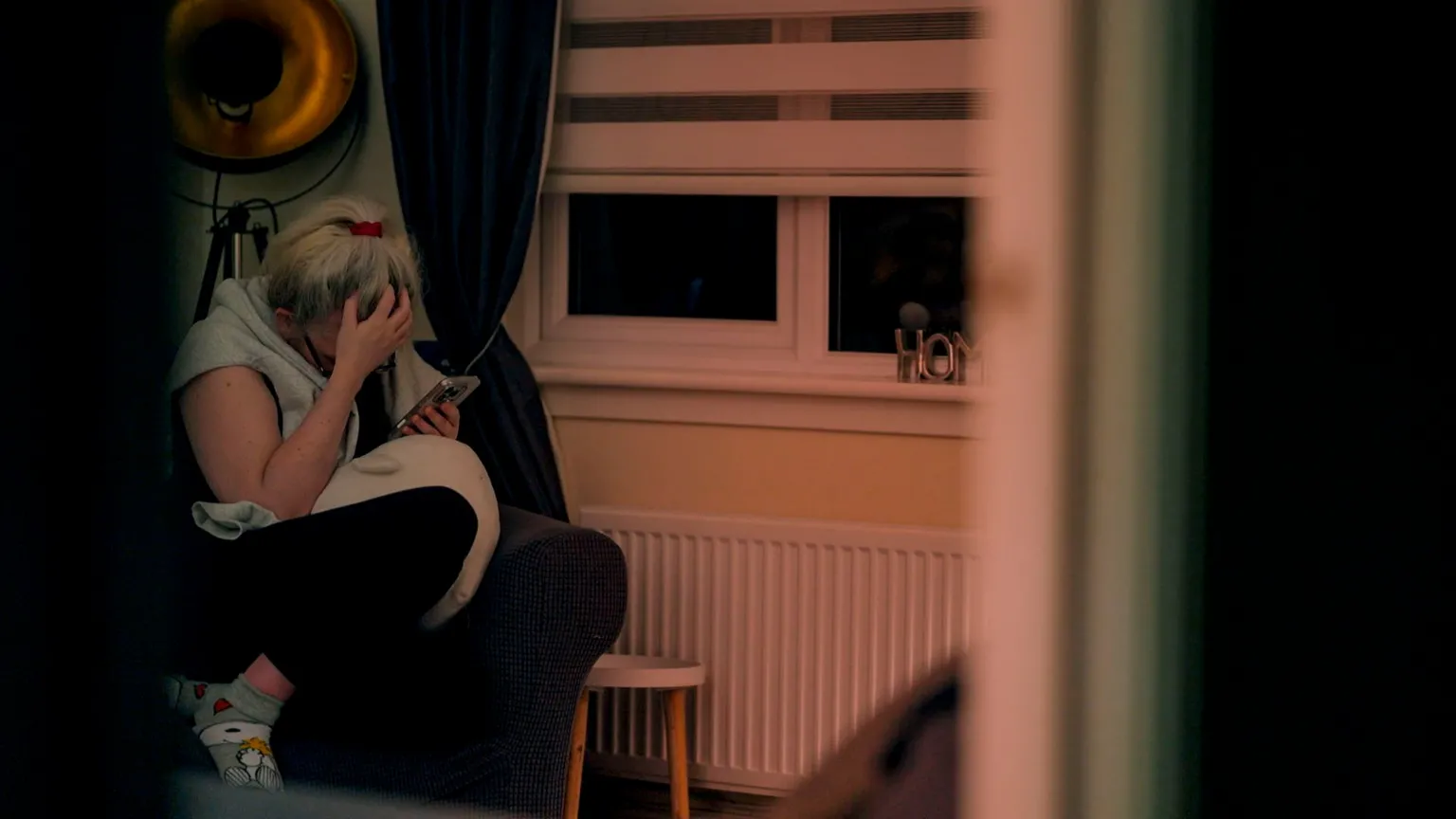
Karen revealed that Larissa has been receiving support from children's mental health services (CAMHS) since she was five years old, after she reported hearing a voice urging her to self-harm.
When Larissa was eight, her father died by suicide. Karen said Larissa reached a crisis point during the pandemic when her sister was diagnosed with a brain tumour.
"The behaviour spiralled slowly out of control from there,"
Karen added.
Search Expands as Concerns Grow
During a previous bipolar episode, Larissa had been found at Rouken Glen, a large country park about 20 minutes from her home, so police focused their search there.
While teams of officers combed the park, Karen learned that Larissa had taken over £200 in cash from home, prompting Sgt Kelly to broaden the search area.
After Larissa was missing overnight without her medication, the police escalated the search to "high risk."
Officers conducted door-to-door inquiries and reviewed CCTV footage, receiving information that a young woman matching Larissa’s description had been admitted to hospital following an attempted overdose.
They promptly went to the hospital, confirmed it was Larissa, and informed Karen that her daughter had been found.
Recovery and Outlook
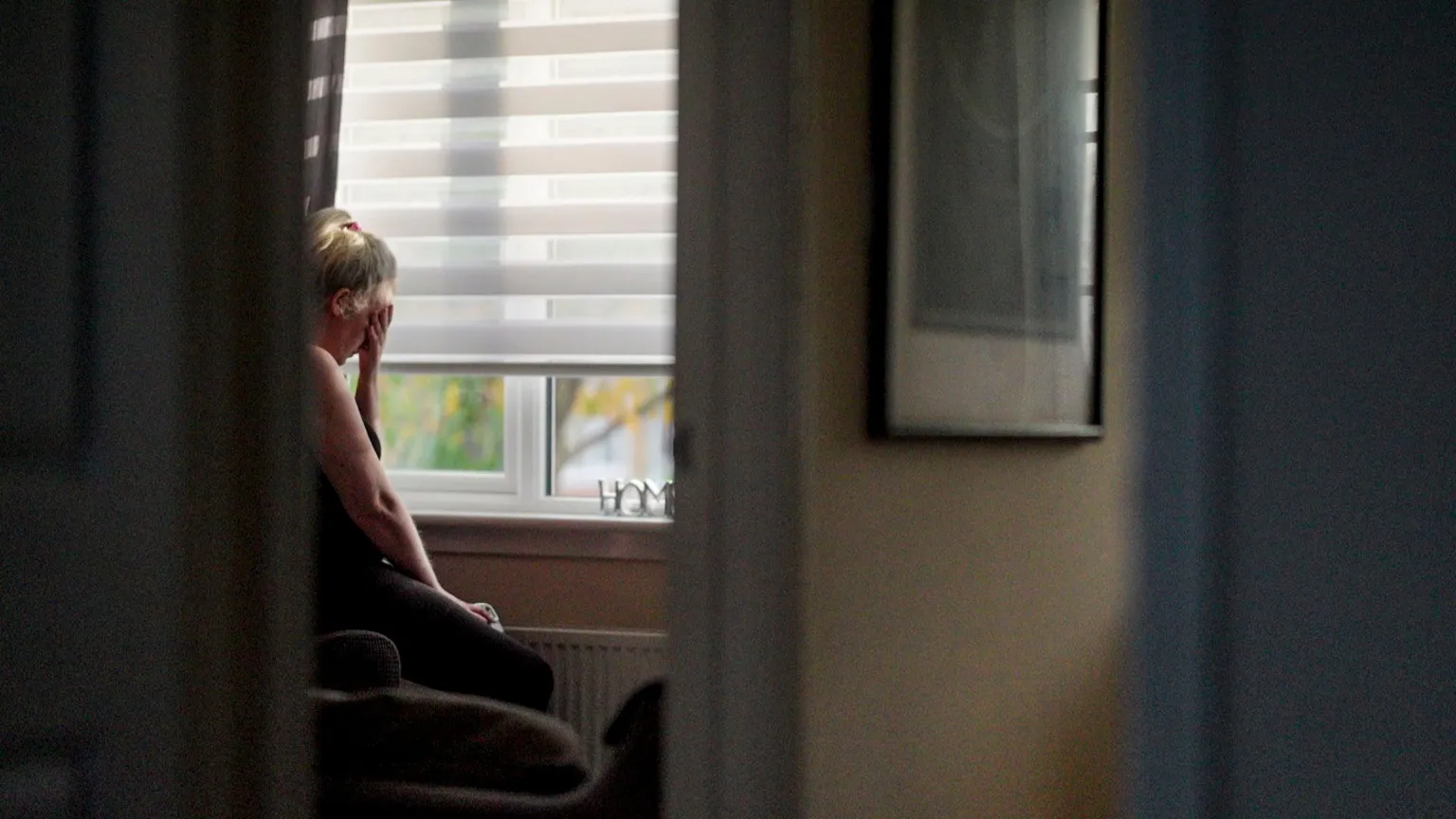
Nearly a year later, Larissa told the programme she is back on her medication and feeling "much better."
She described her crisis point as a moment when she felt everything was "unravelling."
"I was a ticking timebomb at that point,"
she said.
"I believe that talking about mental illness is one of the best things to do.
I am not afraid of saying 'yes, I am bipolar'."
Larissa expressed optimism about her future, sharing her goal to become a book illustrator.
"When you live your whole life that way and you finally have some peace, you don't want to go back there,"
she said.
If you have been affected by any of the issues in this story, help and support is available at BBC Action Line.


