

Rising Costs Impact Family Outings
Bianca and Paul Osborne both work hard and look forward to treating their daughters Amelia, four, and Sienna, 10, to enjoyable family days out. However, the increasing costs of meals and activities have led them to join a growing number of middle-income families reducing spending on leisure activities.
"We struggle finding the right reasons to go out because we can't justify the cost,"Paul told BBC Panorama.
For many UK households facing the cost of living crisis, meals and trips are no longer affordable. Even those who previously could afford such outings report that rising prices have made these occasions less frequent.
"Everything's gone up,"says Bianca.
Bianca works part-time as an HR administrator, and Paul is a manager at Network Rail. Together, their income is close to the UK national average household income of £55,000. Despite this, after paying bills, little remains for discretionary spending, causing family days out to become increasingly rare.
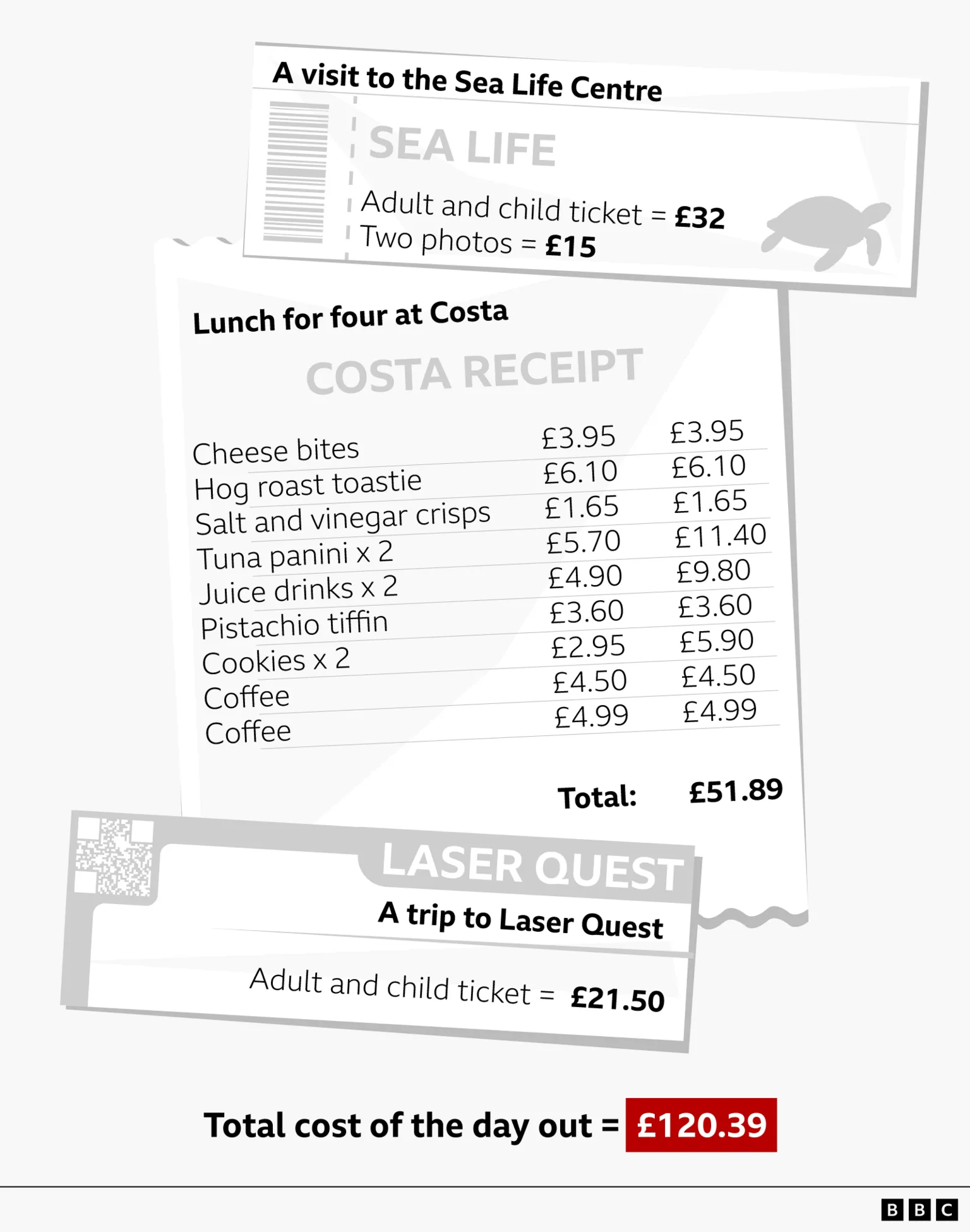
Panorama offered to cover the cost of a day out for the family, who agreed to track their expenses. Their day began with lunch at Costa, costing £51.89 for the family of four.
"You get four cheese bites and they are £3.95 - so it's near enough a pound a bite,"Paul explained.
"For value against price, it looks like a hell of a lot of inflation."
Costa stated that its pricing is comparable to other outlets but noted that it is not generating significant profits, reporting a loss of £13.5 million in 2024.
Following lunch, Bianca and Amelia visited the aquarium, which cost £32 for about 90 minutes, plus £15 for two photos. Meanwhile, Paul and Sienna went to Laser Quest, which cost £21.50 for a half-hour session. The total cost for the afternoon was £120.39.
"We've had great time and made some great memories but we'd certainly have to think twice before doing it more regularly than special occasions which is unfortunate,"Paul said.
Laser Quest told BBC Panorama it offers "great value for money" and operates in "high cost locations…with significant rent, service charge and business rates." Merlin, the owner of Sea Life, commented that despite rising costs such as National Insurance, they strive to keep attractions fairly priced and regularly review pricing. Costa Coffee declined to comment.
Family Meals and Entertainment Costs Rise
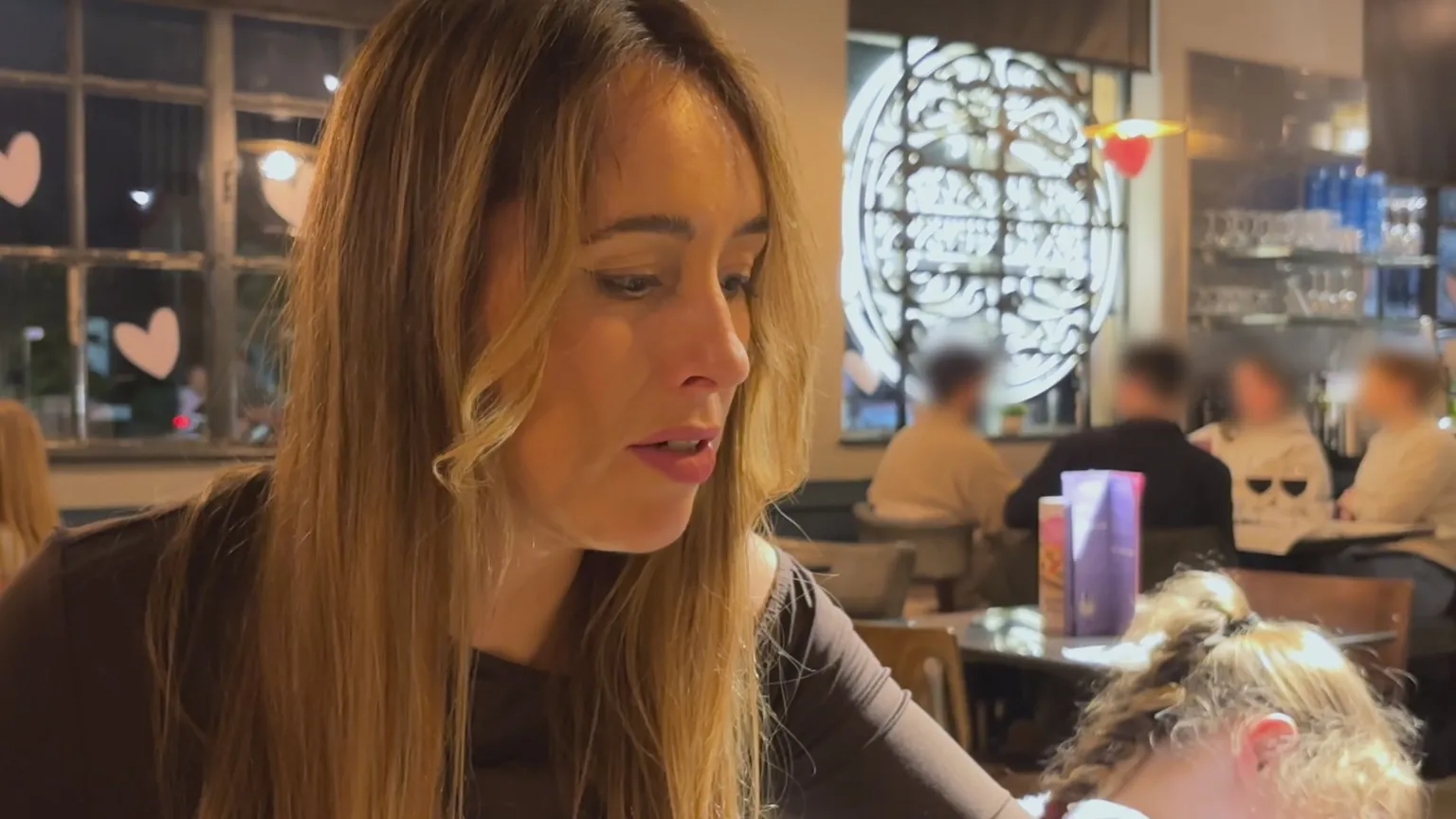
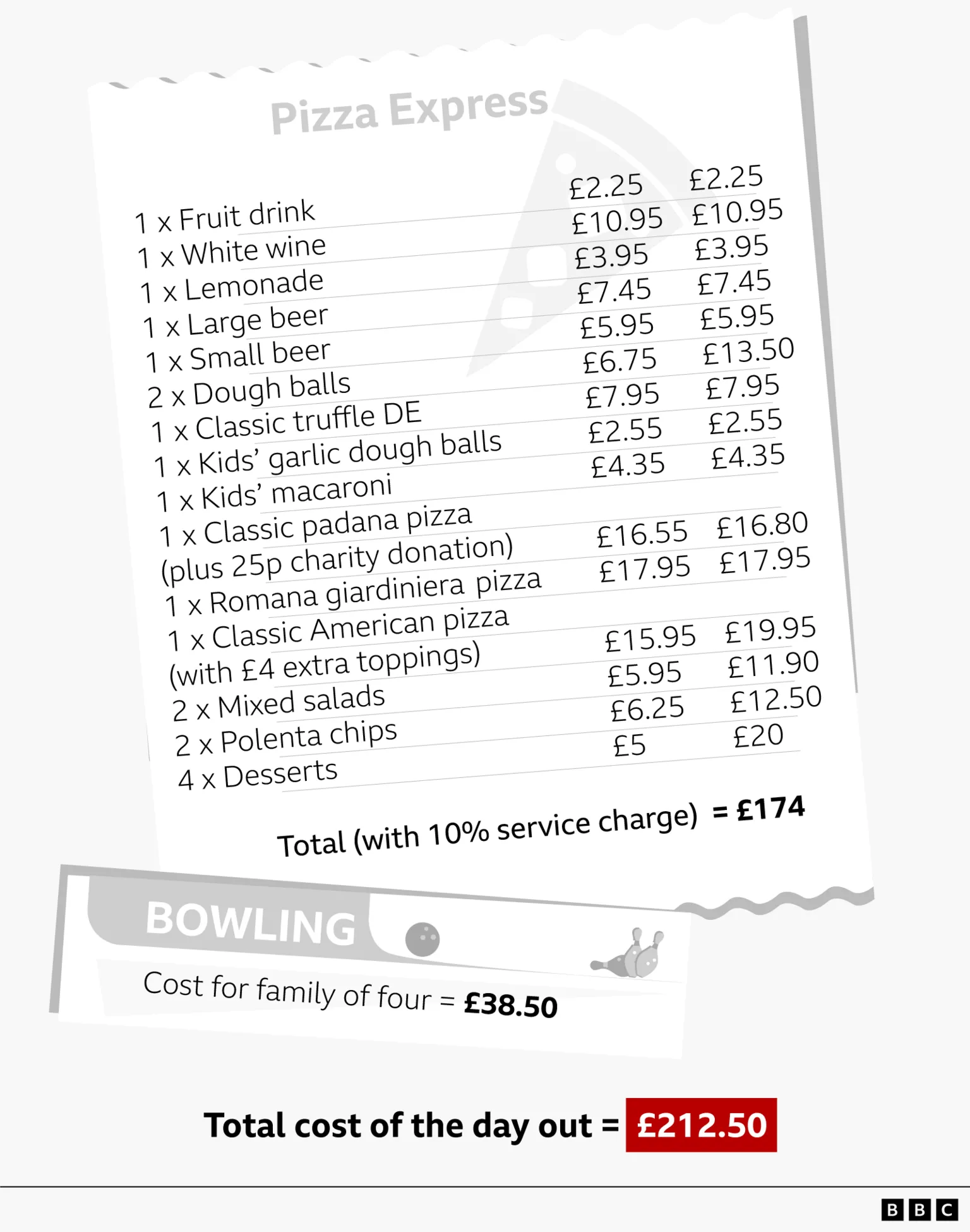
In Bramhall, Stockport, the George family went to Pizza Express for an evening out, with Panorama covering the cost. Robbie, a college lecturer, and Rachel, a merchandising manager, earn more than the national average household income. Their three-course meal with their eight-year-old son Teddy and six-year-old daughter Elsie totaled £174, including a 10% tip. A game of bowling at Tenpin cost £38.50, bringing the total to £212.50.
"It's like one or two weekly shops for one night, so hard to justify that isn't it?"Rachel said.
"I think the last time we went out for food, Rob and I just watched the kids eat so that we didn't spend as much money."
Tenpin told BBC Panorama it offers "great value" with a variety of deals, promotional sessions, and packages. Pizza Express acknowledged that household budgets are under pressure and focuses on providing great value through various loyalty rewards.

Hospitality Sector Feels Financial Strain
Financial pressures on families are affecting the hospitality industry. Official figures indicate the UK economy did not grow in January, with a 2.7% decline in food and drink service activities, particularly impacting dining out.
James Ridgway and his sister-in-law Eleanor Brown, who opened the Brew 32 café in Stockport last year, have observed changes in customer behavior.
"It's changed the way people act, they haven't got the money to do what they normally would,"James said.
Inflation remains elevated at 3%, above the Bank of England's 2% target. Average annual pay growth is at a five-year low, with wages increasing by only 0.5% between November and January 2026 after adjusting for inflation, according to the Office for National Statistics.
For James and Eleanor, these conditions have forced them to reduce their staff by half within six months of opening.
Children’s Activity Centres Face Challenges
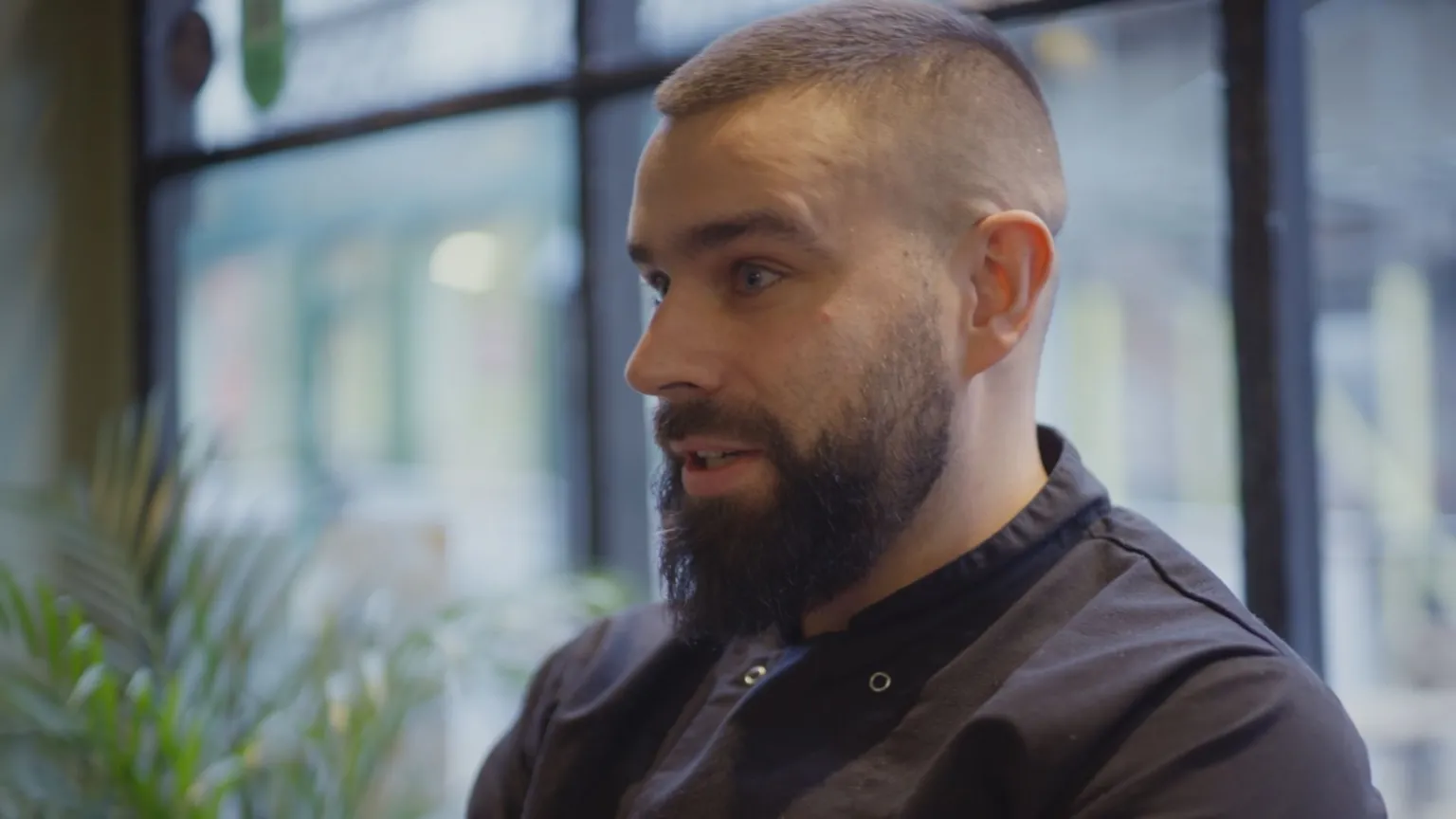
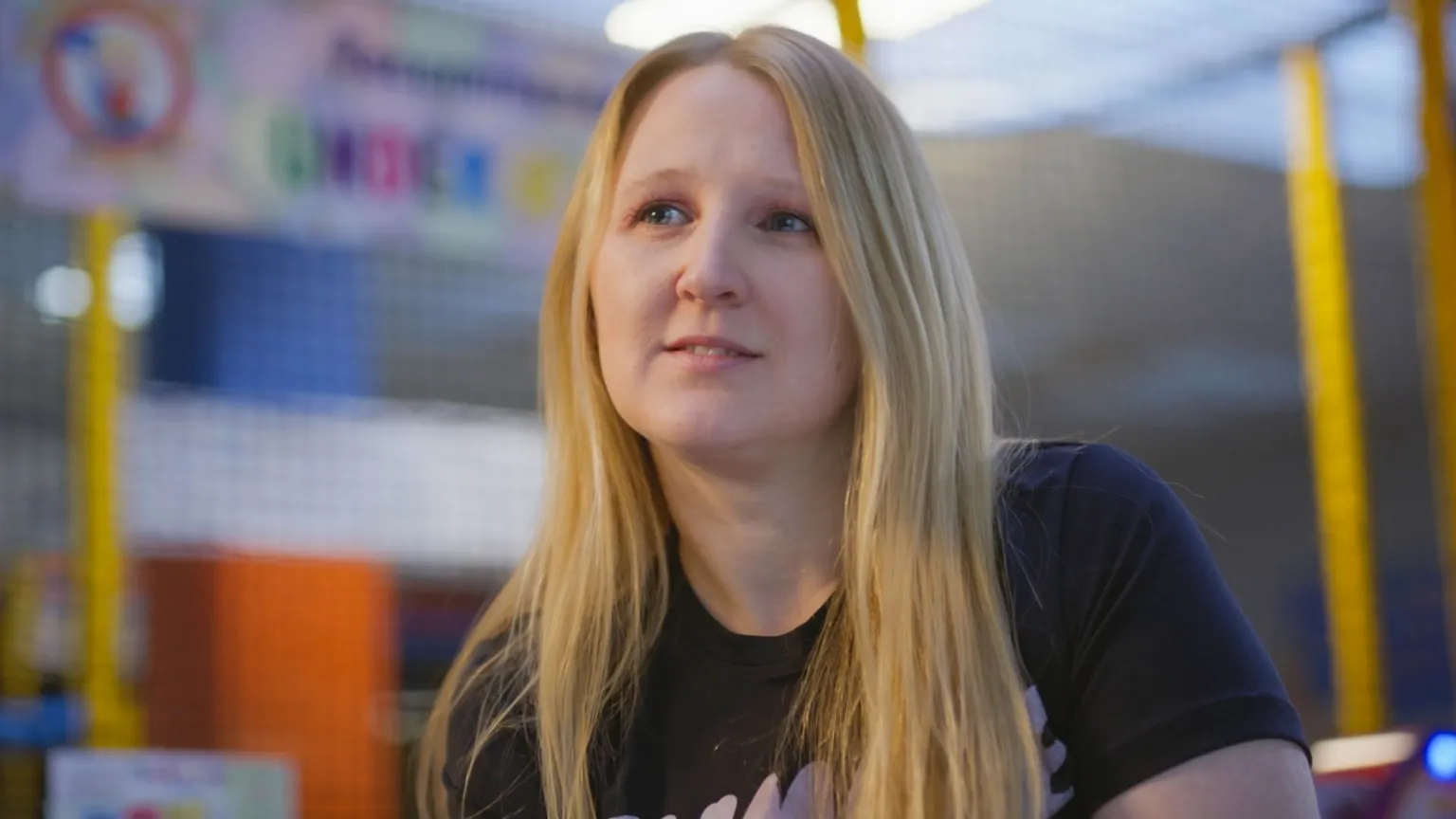
Emily Walsh, owner and manager of Tumble Jacks play centre in Stockport, where parents gather for coffee while children play and celebrate birthdays, reports significant declines in party bookings.
"We've seen massive reductions in our party numbers,"Emily said.
"Instead of inviting the whole class, they'll invite 15 children. And that is simply because people don't necessarily seem to have the disposable income."
While visitor numbers have decreased, Emily faces rising staffing and business expenses. The minimum wage for workers aged 21 and over will increase from £12.21 to £12.71 per hour in April. The government views this as a key measure to address the cost of living crisis, but some employers are concerned it may lead to staff reductions.
According to the Centre for Policy Studies, the cost of employing a full-time minimum wage worker has risen by approximately £3,400 between 2024 and 2026 due to wage increases, higher National Insurance contributions, and a reduced income tax threshold.
"My payroll when I opened was approximately £8,000 per month, it's now hitting £18,000 in four years,"Emily stated. She has reduced her staff from 18 to 13 and works 60-70 hours weekly, paying herself less than minimum wage.
Additionally, a Covid-related discount on business rates will end in April, increasing her costs by £7,500 annually.
"Somehow I've got to find an extra £7,500 a year out of nowhere,"Emily said.
Economic Outlook and Family Priorities
The outlook for personal finances has worsened following the outbreak of war on Iran. The Bank of England anticipates faster price increases due to this new economic shock, forecasting inflation to approach 3.5% in March.
The Treasury stated it has taken measures to mitigate inflation and the cost of living.
For now, the Osborne family plans to focus on affordable activities.
"We tend to prioritise going to parks, museums, fairs, that type of stuff that we can do for free,"Paul said.


